
Are you ready to take your MMA training to the next level? The right gym exercises can make a huge difference in your strength, speed, and endurance inside the cage.
Whether you’re a beginner or a seasoned fighter, focusing on targeted workouts will help you move faster, hit harder, and last longer. You’ll discover powerful gym exercises designed specifically to boost your MMA performance. Get ready to transform your training and dominate your next fight.
Keep reading to find out how!
Key Strength Muscles For Mma
Building strength in key muscle groups is vital for MMA fighters. These muscles improve power, balance, and endurance. Training them helps fighters perform better in striking, grappling, and defending. Focused workouts boost overall athletic ability and reduce injury risk.
Core Muscles
The core stabilizes the body during fast movements and impacts. Strong abs, obliques, and lower back muscles support twisting and bending. A solid core improves balance and power transfer between upper and lower body. Exercises like planks, Russian twists, and leg raises build core strength.
Leg Power
Leg muscles generate explosive force for kicks and takedowns. Quadriceps, hamstrings, glutes, and calves work together for speed and endurance. Squats, lunges, and deadlifts increase leg power. Plyometric drills like jump squats enhance fast-twitch muscle fibers.
Upper Body Strength
Strong arms, shoulders, chest, and back improve punching and grappling. Upper body strength helps control opponents and deliver powerful strikes. Push-ups, pull-ups, bench presses, and rows target these muscles. Focus on both strength and endurance for lasting performance.
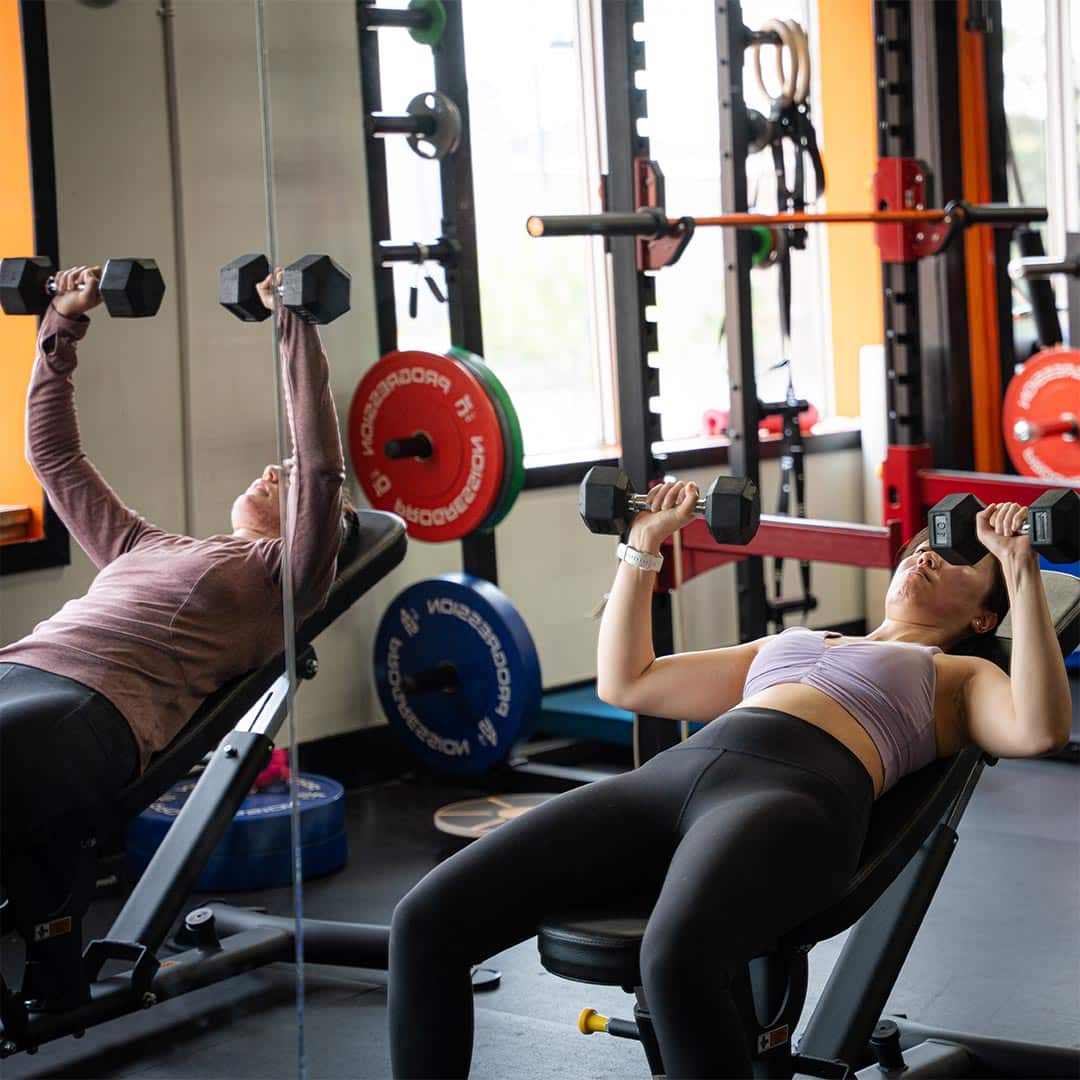
Credit: bravemmaandfitness.com
Explosive Power Basics
Explosive power is essential for MMA fighters. It helps deliver quick, strong strikes and improve movement. Developing this power enhances performance in the cage. Exercises that focus on speed and force build this vital skill. Training explosive power increases muscle strength and reaction time. It boosts the ability to generate maximum force rapidly. Every MMA athlete should work on explosive power basics.
Importance Of Speed And Force
Speed and force are key in every fight move. Speed allows fast punches and kicks. Force gives power to make hits effective. Combining both creates strong, fast attacks. This helps control the fight’s pace and outcome. Improving speed and force reduces injury risk. It enhances balance and coordination. Fighters react quicker and hit harder. Training these qualities builds confidence and skill.
Types Of Explosive Movements
Explosive movements use quick muscle contractions. They train the body to act fast and strong. Key types include:
- Jumping exercises like box jumps and broad jumps
- Medicine ball throws for upper body power
- Olympic lifts such as cleans and snatches
- Plyometric push-ups for arm explosiveness
- Sprints to develop leg drive and speed
These movements improve fast muscle firing. They boost overall athletic ability. Mixing different types targets multiple muscle groups. This balance supports all MMA techniques.
Top Gym Exercises For Strength
Building strength is essential for MMA fighters. It improves power, endurance, and injury resistance. The right gym exercises target key muscle groups used in fighting. Focus on compound lifts to maximize overall strength. These lifts engage multiple muscles and joints, making training efficient and effective.
Deadlifts
Deadlifts work the entire posterior chain. This includes the back, glutes, hamstrings, and core. They build raw power needed for grappling and takedowns. Proper form is crucial to avoid injury. Keep your back straight and lift with your legs. Deadlifts increase grip strength, important for clinch control.
Squats
Squats develop leg strength and stability. Strong legs improve movement speed and balance. They target quads, hamstrings, glutes, and calves. Squats also engage the core for support. Use controlled depth and steady breathing. Squats help with explosive strikes and powerful shots.
Bench Press
Bench press strengthens the chest, shoulders, and triceps. These muscles are key for punches and pushing opponents. Maintain tight shoulder positioning to protect joints. Controlled reps build muscle endurance and force. Bench pressing improves upper body strength for striking power.

Credit: www.youtube.com
Explosive Power Drills
Explosive power is key for MMA fighters. It helps to strike harder, move faster, and react quickly. Training with explosive power drills builds strength and speed in muscles. These exercises focus on quick, forceful movements that improve overall performance in the ring.
Plyometric Push-ups
Plyometric push-ups develop upper body power. Push off the ground with force so your hands leave the floor. This trains your chest, shoulders, and triceps to contract fast. Start with regular push-ups, then add the explosive push. It improves punching power and hand speed.
Medicine Ball Slams
Medicine ball slams build whole-body power. Raise the ball overhead and slam it down hard. This move works the core, arms, and legs together. It increases energy transfer from your body to your strikes. Use a heavy ball for more resistance. Repeat in quick sets for best results.
Jump Squats
Jump squats strengthen legs and hips explosively. Lower into a squat and jump up as high as possible. Land softly and repeat. This trains fast-twitch muscle fibers for quick movements. Jump squats improve your takedown defense and explosive footwork. Keep your form tight and controlled.
Combining Strength And Power
Combining strength and power is essential for MMA fighters who need to deliver explosive strikes and maintain endurance throughout a fight. Strength builds your foundation, while power lets you use that strength quickly and effectively. Balancing both in your training can make a huge difference in your performance inside the cage.
Circuit Training
Circuit training mixes different exercises targeting strength and power in a fast-paced routine. You move quickly from one exercise to the next with minimal rest, keeping your heart rate high. This trains your muscles to recover faster and improves your overall stamina.
Try combining exercises like:
- Deadlifts for raw strength
- Medicine ball slams for explosive power
- Push-ups to build upper body endurance
- Jump squats to develop leg power
Doing these in a circuit challenges both your muscular and cardiovascular systems simultaneously. Have you noticed how your body feels more ready to handle intense rounds after circuit training? That’s the effect of blending strength and power workouts.
Superset Techniques
Supersets involve pairing two exercises back-to-back without resting in between. You can focus on one muscle group or alternate between opposing groups to keep your body engaged. This method saves time while forcing your muscles to work harder under fatigue.
For MMA, a great superset might be:
- Barbell squats for strength
- Box jumps immediately after for power
This combination pushes your muscles to generate force quickly after heavy lifting. When I started adding supersets to my routine, I noticed my explosive movements became sharper and more controlled. How could pairing exercises like this change your training results?

Credit: www.youtube.com
Injury Prevention Tips
Preventing injuries is crucial for anyone training in MMA. Your body undergoes intense strain, and without the right precautions, setbacks can happen. Paying attention to how you prepare, stretch, and recover can keep you in the fight longer and stronger.
Proper Warm-up
A good warm-up gets your blood flowing and muscles ready for action. Spend at least 10-15 minutes on light cardio like jogging or jump rope. This raises your heart rate and increases oxygen to your muscles, reducing injury risk.
Include dynamic movements such as leg swings, arm circles, and hip rotations. These mimic the motions you’ll perform during training, helping your joints loosen up and preparing your nervous system. Have you noticed how skipping warm-ups makes your body feel stiff or sluggish?
Stretching Routines
Stretching after warming up boosts flexibility and joint mobility. Focus on dynamic stretching before training and static stretching afterward. Dynamic stretches keep your muscles active, while static stretches help relax tight muscles post-workout.
- Try hip openers to improve kicks and grappling range.
- Work on shoulder stretches to protect against strain during striking.
- Incorporate hamstring and calf stretches to prevent pulls and cramps.
Consistency here is key. Stretch daily, and you’ll notice smoother movements and fewer nagging pains.
Recovery Strategies
Recovery isn’t just resting—it’s an active process that helps your body heal. Hydrate well and eat protein-rich meals to rebuild muscle tissue. You might find that ice baths, foam rolling, or gentle yoga speed up your recovery time.
Listen to your body. If you feel persistent soreness or sharp pain, don’t push through it. Instead, adjust your training intensity or seek professional advice to avoid worsening injuries.
Tracking Progress And Adjustments
Tracking your progress in MMA gym exercises is crucial to see real improvements and avoid plateaus. It helps you understand what’s working and what needs change. Without monitoring, you might miss signs that your training intensity or goals require adjustment.
Setting Measurable Goals
Define clear, measurable goals for each workout session or training cycle. Instead of vague aims like “get stronger,” set targets such as “increase deadlift by 20 pounds in four weeks” or “improve punch speed by 10%.” This makes tracking straightforward and motivates you to push harder.
Keep a workout journal or use an app to log weights, reps, and times. Seeing numbers improve over time builds confidence and helps spot patterns in your performance. What specific goal will you chase this week to test your limits?
Adjusting Workout Intensity
Listen to your body and track how you feel during and after workouts. If you notice consistent fatigue or stalled progress, it might be time to change your workout intensity. This can mean increasing weight, adding more rounds, or switching exercises.
For example, if your striking drills feel too easy, add resistance bands or increase the speed. Conversely, if recovery is slow, scale back intensity temporarily to avoid injury. How often do you evaluate your effort levels to ensure you’re training smart?
Frequently Asked Questions
What Are The Best Gym Exercises For Mma Fighters?
The best gym exercises for MMA fighters include compound lifts like squats, deadlifts, and bench presses. They build strength, power, and endurance. Functional training with kettlebells, battle ropes, and plyometrics improves agility and explosiveness. Core exercises enhance stability and balance critical in MMA.
How Often Should Mma Fighters Train In The Gym?
MMA fighters should train in the gym 3 to 5 times per week. This frequency balances strength building and recovery. Combining weightlifting with functional workouts maximizes performance. Rest days are essential to prevent injury and promote muscle growth.
Which Gym Exercises Improve Mma Striking Power?
Exercises like medicine ball slams, plyometric push-ups, and heavy bag work improve striking power. Olympic lifts such as cleans and snatches develop explosive strength. Core exercises boost rotational power for punches and kicks, enhancing overall striking effectiveness.
Can Gym Workouts Prevent Injuries In Mma?
Yes, gym workouts focusing on strength, flexibility, and mobility reduce injury risks. Strengthening stabilizer muscles and improving joint mobility protects against strains. Incorporating proper warm-ups and cool-downs further helps prevent common MMA injuries.
Conclusion
MMA training requires dedication and the right exercises. Gym workouts enhance strength and agility. Focus on exercises like squats, push-ups, and lunges. They improve core strength and endurance. Consistent training builds muscle and boosts performance. Remember, balance is key. Overtraining can lead to injuries.
Listen to your body and rest when needed. A well-rounded routine makes a difference. Stay committed. Results come with time and effort. Consult trainers for personalized plans. They guide you towards your goals. Enjoy the process and keep improving. Your journey in MMA is unique.
Embrace every step with enthusiasm.







