
Imagine scrolling through your social media feed and coming across a gym exercise photo that stops you in your tracks. It’s not just a picture; it’s a story, a burst of motivation, and maybe even the nudge you needed to kick-start your own fitness journey.
These photos have a unique power. They can inspire, educate, and connect you with a community that shares your goals. But have you ever wondered how to capture that perfect gym shot that does more than just document your workout?
Understanding the art of gym exercise photography can transform your fitness routine and elevate your online presence. Ready to discover the secrets behind those scroll-stopping images? Let’s dive in!
Choosing The Right Gym Lighting
Choosing the right lighting in the gym makes a big difference in your exercise photos. Good lighting highlights your muscles and improves photo quality. It also sets the mood and shows your hard work clearly. Picking the right kind of light can make your photos look sharp and professional.
Natural Vs Artificial Light
Natural light comes from the sun. It gives soft, even light that flatters your body. Early morning or late afternoon light works best. It avoids harsh shadows and bright spots. Artificial light is steady and controllable. It works well indoors at any time. Choose lights with a warm tone to keep skin looking natural.
Using Shadows For Definition
Shadows add depth and shape to muscles. Place light at an angle to create shadows on your body. This shows muscle curves and tone. Avoid flat lighting from straight ahead. Shadows make your photo more dynamic and show true muscle detail. Use shadows carefully to enhance your form.
Avoiding Harsh Glare
Harsh glare creates bright spots and washes out details. It can make your skin look shiny and unnatural. Use diffused light or softboxes to soften glare. Move lights away or use curtains to reduce brightness. Check your photo for glare before shooting. Soft light keeps your muscles clear and skin smooth.

Credit: www.freepik.com
Best Angles For Workout Photos
Capturing the perfect gym exercise photo isn’t just about having good lighting or a quality camera. The angle you choose can dramatically change how your muscles and movements appear. Finding the best angles helps you showcase your progress and technique more effectively.
Highlighting Muscle Groups
Focus your camera angle on the muscle group you’re working. Shooting from the side or slightly above can emphasize your arm or shoulder muscles during curls or presses.
Try positioning yourself so the light hits the muscle directly. This adds definition and depth without needing filters or edits.
Think about which muscles you want to show off—your chest, back, or legs—and adjust your stance and the camera angle accordingly. Have you noticed how a slight twist of your torso can make your abs pop in photos?
Capturing Movement
Workout photos that freeze motion add energy and authenticity. Use angles that catch the natural flow of your exercise, like shooting from the front during a squat or from the side during a jump.
Experiment with a slightly lower shutter speed to blur motion subtly while keeping key parts sharp. This shows effort and intensity.
Ask yourself, does this angle show the full range of my movement? Capturing the peak of your action can inspire others and motivate you too.
Using Low And High Angles
Low angles make you look more powerful and dominant, perfect for exercises like deadlifts or bench presses. Position the camera near the ground and aim upwards to exaggerate muscle size.
High angles offer a broader view of your form and surroundings, useful for full-body shots or complex exercises like burpees. Try holding your phone or camera above your head for this perspective.
Don’t hesitate to mix these angles. How does your workout photo change when you switch from eye-level to a low or high angle? Play around until you find what highlights your strengths best.
Poses That Showcase Strength
Capturing strength in gym exercise photos is more than just showing muscles; it’s about expressing power, control, and confidence. The right pose can highlight your dedication and progress, making your photos inspiring and motivating. Let’s look at some poses that truly showcase strength and help you stand out.
Classic Lifts And Holds
Classic lifts like deadlifts, squats, and bench presses are timeless choices to display your strength. Holding the weight at the peak of the movement freezes the moment of maximum effort and tension. This pose clearly shows your form and the intensity of your workout.
Try capturing yourself mid-lift with muscles engaged and focused expression. Holding a plank or a pull-up bar also communicates endurance and control. These poses tell a story of hard work and physical power in a single frame.
Dynamic Action Shots
Action shots bring energy and motion to your gym photos. Movements like jumping, sprinting on a treadmill, or swinging kettlebells reveal your explosive strength and agility. These photos feel alive and capture the raw power behind your workouts.
To get the best dynamic shot, use a fast shutter speed or ask a friend to snap multiple photos quickly. You might be surprised how much strength shows through in a split-second movement. Which explosive move in your routine would look best frozen in time?
Relaxed And Confident Stances
Strength isn’t only about action; it’s also about presence. Standing tall with relaxed shoulders, chest out, and a confident gaze sends a strong message without lifting a single weight. This pose highlights mental strength and self-assurance.
After your workout, take a moment to stand naturally but with pride. Simple poses like crossing your arms or resting hands on hips can make you look powerful and composed. How do you feel when you hold a confident stance in front of the camera?
Camera Settings For Sharp Images
Capturing sharp gym exercise photos requires careful attention to your camera settings. The right adjustments can freeze motion, highlight muscle definition, and bring out the energy in your shot. Let’s break down the key settings that help you get crisp, clear images every time you shoot indoors.
Adjusting Shutter Speed
Shutter speed controls how long your camera’s sensor is exposed to light. To freeze fast movements like lifting weights or jumping, you need a fast shutter speed—usually around 1/250 second or faster.
Slower speeds can cause motion blur, which might ruin the sharpness you want. Have you tried snapping a squat or a push-up with a slow shutter? The results usually look blurry unless your subject stays perfectly still.
Optimizing Aperture
The aperture affects how much light enters and the depth of field in your photo. A wider aperture (lower f-number like f/2.8 or f/4) lets in more light, which is great in dim gym environments.
However, very wide apertures create a shallow depth of field, meaning only a small part of the image is in focus. To keep more of the athlete sharp, try mid-range apertures around f/5.6 to f/8. This balances light intake and focus area nicely.
Iso Tips For Indoor Shots
ISO adjusts your camera’s sensitivity to light. Gyms often have low or uneven lighting, so increasing ISO can help brighten your shots without changing other settings.
But be careful—higher ISO can introduce grain or noise, reducing image clarity. Test your camera’s ISO limits to find the highest value you can use without sacrificing sharpness. Have you noticed grainy photos when shooting indoors? Tweaking ISO is usually the fix.
Gear And Tools To Enhance Photos
Capturing clear and sharp gym exercise photos requires the right gear. Basic tools help improve photo quality and ease the shooting process. Simple equipment enhances stability, focus, and framing during workouts. Using proper gear turns quick snapshots into professional-looking images.
Using Tripods And Mounts
Tripods keep your camera steady. They prevent blurry images caused by hand shake. Adjustable mounts attach cameras to gym equipment or walls. These mounts offer unique angles and hands-free shooting. Compact tripods fit in gym bags easily. Use them to hold your camera steady during intense workouts.
Remote Shutter Controls
Remote shutter controls let you take photos without touching the camera. They reduce camera shake and allow precise timing. Wireless remotes work from a distance. Wired remotes connect directly to the camera. Use remotes to capture action shots and poses effortlessly. They also help when you want to be in the photo.
Choosing The Right Lens
Lens choice affects image quality and field of view. Wide-angle lenses capture more of the gym environment. Prime lenses offer sharpness and better focus on subjects. Zoom lenses provide flexibility in framing shots from different distances. Use lenses with fast apertures for better low-light performance. Choose based on your shooting style and gym layout.
Editing Tips For Gym Photos
Editing gym exercise photos can transform an ordinary snapshot into an inspiring visual story. It’s not just about making the image look good; it’s about highlighting your hard work and dedication. Simple adjustments can boost the energy and focus in your photos, drawing viewers into the moment you captured.
Enhancing Contrast And Sharpness
Increasing contrast helps your muscles and movement stand out clearly against the background. Don’t overdo it—too much contrast can make the image look harsh and unnatural. Sharpening brings out the details, like sweat drops or muscle definition, giving your photo a powerful edge.
Try adjusting the contrast and sharpness sliders slowly while checking how the image changes. How does your photo’s mood shift with each tweak? This small step can make a big difference in how your effort is perceived.
Correcting Colors
Colors often tell the story of your workout environment. Sometimes, gym lighting can cast strange hues on your skin or equipment. Adjusting the white balance corrects these color shifts, making the photo feel more true-to-life.
Boosting or muting certain colors can also highlight your energy. For example, enhancing reds can emphasize strength and intensity. What color adjustments make your photo feel more vibrant without losing realism?
Cropping For Impact
Effective cropping removes distractions and focuses attention on the key action. It can also help emphasize your form and posture by tightening the frame around your body. Don’t be afraid to experiment with different crops until you find the most dynamic composition.
Think about what you want your viewers to see first and last. Does your crop guide their eyes smoothly through the photo? A well-cropped image often tells a clearer, stronger story of your workout journey.
Safety And Etiquette In Gym Photography
Taking photos in the gym can capture moments of hard work and progress. It also needs care and respect for others. Following safety and etiquette in gym photography keeps the space comfortable and safe for everyone.
Respecting Privacy
Many people come to the gym for personal focus. Avoid taking photos of others without their knowledge. Keep the camera focused only on your subject or empty areas. Respecting privacy helps maintain trust and comfort.
Avoiding Distractions
Using a camera or phone can distract people working out. Avoid loud noises or bright flashes. Stay out of the way of others moving around. A calm environment helps everyone stay focused on their exercise.
Seeking Permission
Always ask before taking photos of other gym members. A simple question shows respect and consideration. Some gyms have rules about photography. Check gym policies and get approval from staff when needed.
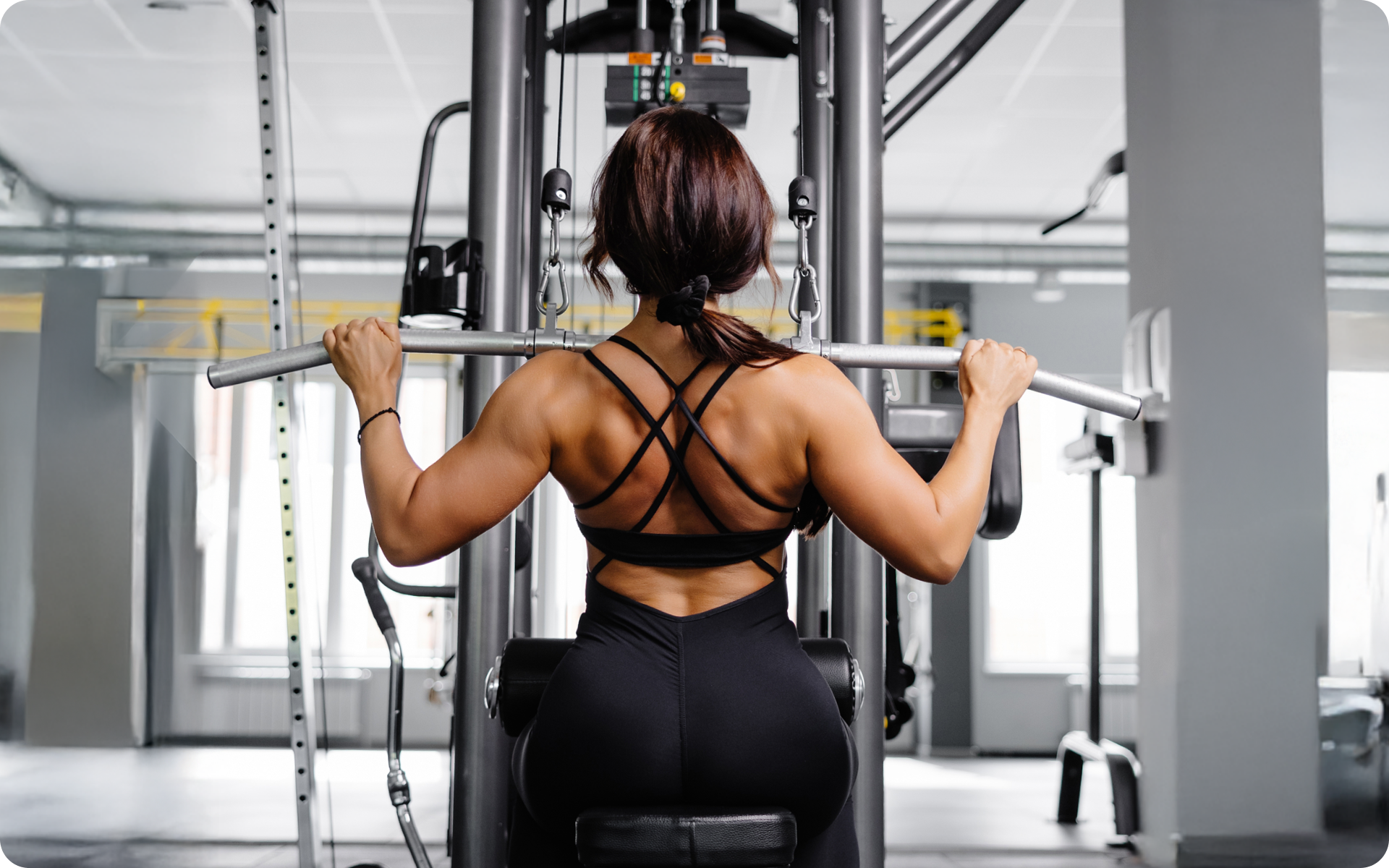
Credit: betterme.world
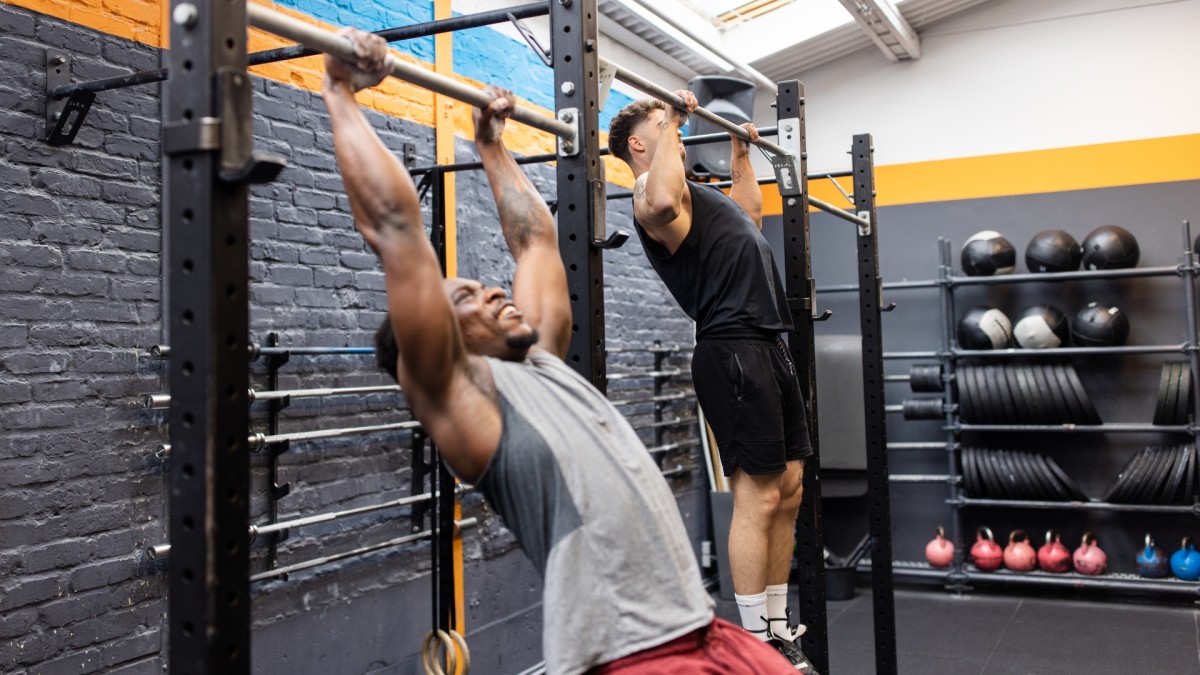
Credit: www.mensjournal.com
Frequently Asked Questions
What Is The Best Angle For Gym Exercise Photos?
The best angle highlights muscle definition and proper form. Side or 45-degree angles often work well. Good lighting is essential to enhance details and shadows. Avoid cluttered backgrounds to keep focus on the exercise.
How Can Gym Exercise Photos Improve Workout Motivation?
Gym photos track progress visually and boost motivation. They help compare before and after results. Sharing photos encourages accountability and inspires others. Visual proof of effort keeps you committed to fitness goals.
What Equipment Is Ideal For Capturing Gym Exercise Photos?
A smartphone with a good camera or a DSLR works well. Use a tripod or stable surface for clear shots. Natural light or gym lighting improves photo quality. Avoid using flash to prevent harsh shadows.
How To Ensure Privacy When Taking Gym Exercise Photos?
Always ask permission before photographing others. Avoid capturing strangers in the background. Use private or less crowded gym areas. Respect gym rules about photography to maintain privacy and comfort.
Conclusion
Gym exercise photos help track progress and stay motivated. They show your form and help improve workouts. Sharing photos can inspire friends and build a fitness community. Keep taking pictures regularly to see small changes over time. Remember, consistency matters more than perfection.
Use photos as a tool, not a goal. Enjoy your fitness journey one step at a time. Stay focused, keep moving, and celebrate every achievement.







