
Are you looking to shape and strengthen your buttocks? The right gym exercises can help you achieve a firm, lifted, and toned look that boosts your confidence.
Whether you want to enhance your curves or improve your overall strength, focusing on your glutes is key. You’ll discover effective and easy-to-follow gym exercises designed specifically for your buttocks. Get ready to transform your workout routine and see real results—your perfect butt starts here!
Key Muscles In The Buttocks
Understanding the key muscles in your buttocks helps you target your workouts more effectively. Each muscle plays a unique role in movement and shape. Knowing these muscles lets you focus on exercises that bring real results to your glute training.
Gluteus Maximus
The gluteus maximus is the largest muscle in your buttocks and the body’s most powerful hip extensor. It controls movements like standing up from a squat, climbing stairs, and running. Strengthening this muscle can improve your posture and athletic performance.
I noticed a big difference in my squats once I focused on activating the gluteus maximus. Try squeezing your butt at the top of each rep to make sure this muscle is working hard.
Gluteus Medius
This muscle sits on the outer surface of your pelvis and plays a key role in stabilizing your hips. It helps with side-to-side movements and prevents your knees from caving inward during exercises. Weakness here often leads to imbalance and injury.
Side leg lifts and clamshells are great moves to strengthen the gluteus medius. Have you ever felt your knees wobble during lunges? That’s a sign this muscle needs more attention.
Gluteus Minimus
The smallest of the three, the gluteus minimus lies beneath the gluteus medius and assists in hip rotation and abduction. It supports balance and smooths out movement patterns. Ignoring this muscle can limit your overall glute strength.
Adding hip rotation exercises like seated leg lifts can help engage the gluteus minimus. Focusing on all three glute muscles ensures a well-rounded and strong buttocks.
Credit: www.gymshark.com
Benefits Of Buttocks Exercises
Focusing on your buttocks during gym workouts offers more than just aesthetic benefits. Strengthening these muscles can transform how you move, feel, and perform daily activities. Understanding the specific benefits can motivate you to add buttocks exercises to your routine and stay consistent with them.
Improved Posture
Your buttocks muscles play a big role in keeping your spine aligned. Strong glutes help you stand tall and reduce the tendency to slouch. I noticed a huge difference in my own posture after a few weeks of targeted glute exercises; it eased the strain on my lower back and made sitting at my desk less painful.
Good posture also means less fatigue and more confidence in how you carry yourself. How often do you think about your posture during the day?
Enhanced Athletic Performance
Powerful buttocks muscles boost your ability in sports and workouts. They provide the force needed for running faster, jumping higher, and lifting heavier weights. When I started focusing on glute strength, my sprint times improved, and I felt more explosive during plyometric exercises.
Whether you play soccer, basketball, or simply enjoy hiking, stronger glutes can elevate your game and help you push your limits.
Injury Prevention
Weak glutes can lead to imbalances, causing other muscles and joints to overcompensate. This often results in knee pain, lower back issues, or hip problems. Strengthening your buttocks creates a solid foundation that supports your entire lower body.
Think about the last time you felt a twinge in your knees or hips—could stronger glutes have made a difference? Regular glute exercises reduce injury risk by stabilizing your pelvis and improving movement patterns.
Top Gym Exercises For Buttocks
Building strong and shapely buttocks requires more than just time spent at the gym; it demands the right exercises that target your glute muscles effectively. Focusing on specific movements can help you achieve better muscle activation and noticeable results faster. Let’s dive into some of the top gym exercises that can help you sculpt your buttocks.
Squats Variations
Squats are a classic move for good reason—they work multiple muscles in your lower body, especially your glutes. Try different variations like goblet squats, sumo squats, or Bulgarian split squats to hit the muscles from various angles.
Adding weights or changing your stance can make squats more challenging and effective. Have you noticed how a simple change in foot position can change the entire feel of the exercise?
Deadlifts
Deadlifts target your glutes, hamstrings, and lower back, making them a powerful compound lift. Conventional deadlifts and Romanian deadlifts both engage your buttocks, but Romanian deadlifts place extra emphasis on hamstrings and glutes.
Focus on maintaining a flat back and driving through your heels as you lift. This helps protect your spine and ensures your glutes are doing most of the work.
Hip Thrusts
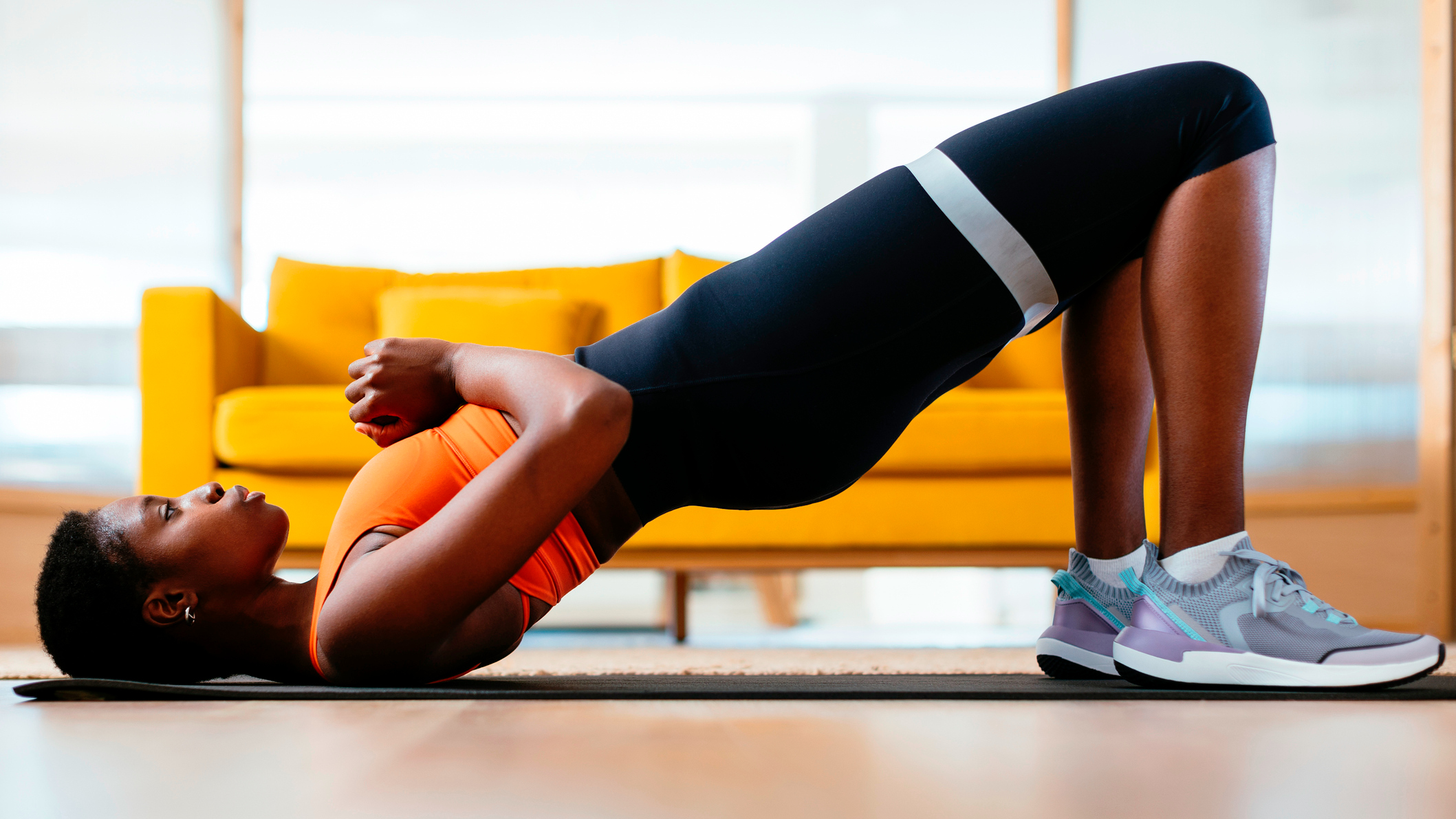
Hip thrusts are one of the most direct ways to activate your glute muscles. You can perform them with a barbell or just your body weight to start.
Pause at the top of each thrust for a couple of seconds to maximize muscle contraction. Have you tried feeling your glutes squeeze hard before lowering down? It makes a huge difference.
Lunges
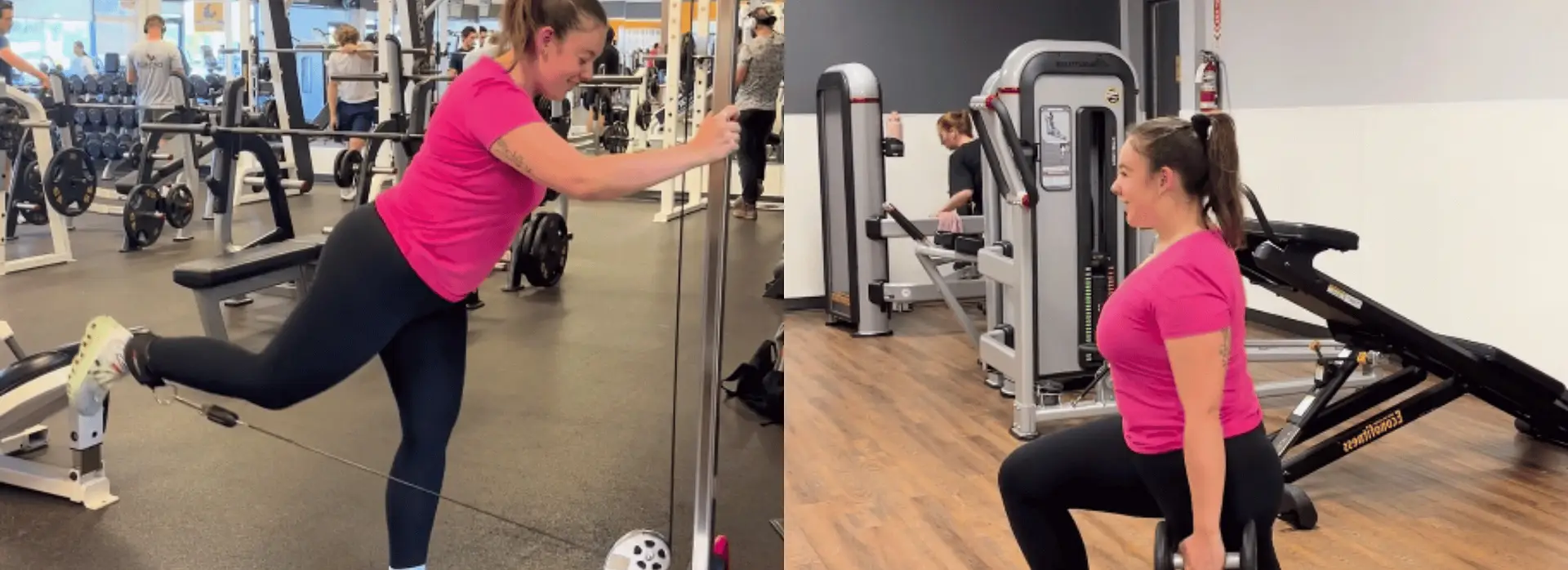
Lunges work each leg individually, helping correct muscle imbalances and focusing on your glutes and thighs. Walking lunges, reverse lunges, and side lunges all hit your buttocks differently.
Keep your torso upright and take a big enough step so your knee stays behind your toes. This technique puts more load on your glutes than on your knees.
Step-ups
Step-ups are a functional exercise that targets your glutes while improving balance and coordination. Use a bench or a sturdy platform and add dumbbells for extra resistance.
Drive through the heel of your stepping leg to engage your glutes fully. How high you step can change the intensity and muscle focus, so experiment with different heights to find what challenges you most.
Form Tips To Maximize Results
To get the most out of your gym exercises for your buttocks, focusing on proper form is essential. Good form not only prevents injuries but also ensures you target the right muscles effectively. Small adjustments can make a big difference in how your glutes respond to each movement.
Proper Squat Technique
Start by positioning your feet shoulder-width apart, toes slightly pointed out. Keep your chest up and gaze forward to avoid leaning too far. As you squat down, push your hips back like you’re sitting in a chair, making sure your knees don’t go past your toes.
Imagine squeezing your glutes at the bottom of the squat. This activates those muscles more. Have you noticed how much your glutes engage when you focus on this squeeze? It’s a simple trick that can transform your workout.
Maintaining Core Stability
A strong core supports your lower back and helps maintain balance during exercises. Engage your abdominal muscles by pulling your belly button toward your spine. This keeps your torso stable and prevents unnecessary strain.
Try holding your breath briefly during the toughest part of the lift, then exhale as you return to standing. This technique helps maintain intra-abdominal pressure, boosting your strength. Are you ready to feel more control in every rep?
Controlled Movement
Fast, jerky motions might feel energetic, but they reduce muscle activation and increase injury risk. Slow down your reps, focusing on the muscle you want to work. For example, lower yourself into a squat over three seconds, then rise in two.
Pay attention to the eccentric (lowering) phase—it’s where muscles build the most strength. Think about how your glutes stretch and contract through each movement. How different does the exercise feel when you slow down and control every motion?
Creating A Buttocks Workout Routine
Creating a buttocks workout routine requires more than just picking random exercises. You need a clear plan that respects how often you train, how much work you do, and how to keep challenging your muscles. A smart routine helps you avoid plateaus and keeps your progress steady and noticeable.
Frequency And Volume
Decide how many days per week you will focus on your buttocks. Training your glutes 2 to 3 times a week often hits the sweet spot for growth and recovery.
Keep your total sets between 12 and 20 per session. Too few won’t stimulate growth, while too many can cause fatigue and injury.
Think about how your body feels after workouts. Are you sore but ready to go again in a couple of days? That’s a good sign your frequency and volume are balanced.
Balancing With Other Muscle Groups
Your buttocks don’t work alone—they rely on your hamstrings, quads, and lower back. Neglecting these can cause imbalances and reduce your workout effectiveness.
Include exercises that target these areas to support your glute growth and overall strength. For example, pairing squats with Romanian deadlifts hits both quads and hamstrings.
Ask yourself if your routine feels balanced or if some muscles are always getting left behind. Adjust your plan to avoid weaknesses that slow your progress.
Progressive Overload Strategies
To build stronger and bigger glutes, you must challenge them more over time. This means increasing weights, reps, or intensity gradually.
Try adding small weight increments each week or doing extra reps within your comfortable range. You can also slow down the movement to increase time under tension.
Have you tracked your progress lately? Keeping a workout log helps you spot when it’s time to push harder and ensures you don’t get stuck in the same routine.
Credit: www.fitandwell.com
Common Mistakes To Avoid
Avoiding common mistakes helps you get better results from your buttocks workouts. These errors often reduce effectiveness and increase injury risks. Focus on correct form and preparation to protect your body and maximize gains.
Overusing Lower Back
Relying too much on your lower back shifts work away from your glutes. It causes strain and pain in the lumbar area. Keep your core tight and focus on pushing through the hips. This approach activates the buttocks better and protects your back.
Neglecting Warm-up
Skipping warm-ups limits muscle readiness and joint flexibility. Cold muscles do not perform well and can get injured easily. Spend 5-10 minutes warming up with light cardio or dynamic stretches. This step improves blood flow and prepares glutes for exercise.
Using Poor Foot Placement
Incorrect foot positions reduce balance and muscle engagement. Feet too wide or too narrow change the workout’s focus. Align your feet according to the exercise instructions. Proper placement helps target the buttocks more efficiently and keeps your knees safe.
Nutrition Tips For Muscle Growth
Building strong and well-shaped buttocks isn’t just about the exercises you do; what you fuel your body with plays a huge role in muscle growth. Paying attention to your nutrition can boost your results and help your muscles recover faster. Are you giving your body the right kind of support to grow those glutes?
Protein Intake
Protein is the building block of muscle. To grow your butt muscles, aim to eat a good amount of protein every day. Think chicken, fish, eggs, beans, and dairy.
Many people overlook how much protein they actually need. Aiming for about 1.2 to 2.0 grams of protein per kilogram of your body weight can make a big difference. Have you tracked your protein intake lately?
Hydration
Water is often forgotten when thinking about muscle growth. Staying hydrated helps transport nutrients to your muscles and flush out toxins. It also prevents cramps and keeps your energy up during workouts.
Try to drink at least 8 glasses of water daily, and more if you sweat a lot during your gym sessions. Have you noticed how even mild dehydration can affect your workout performance?
Supplement Considerations
Supplements can support your muscle growth but they shouldn’t replace real food. Whey protein powder is a popular choice for quick protein after workouts. Creatine is another supplement known to help increase strength and size.
Before adding supplements, check if your diet already meets your needs. Sometimes, simple diet tweaks work better than expensive pills. What gaps in your nutrition could supplements fill?
Credit: econofitness.ca
Frequently Asked Questions
What Are The Best Gym Exercises For Buttocks Growth?
Squats, lunges, hip thrusts, and deadlifts are top exercises. They target glute muscles effectively and build strength and size.
How Often Should I Train My Buttocks At The Gym?
Train your glutes 2 to 3 times per week. Allow 48 hours rest between sessions for muscle recovery and growth.
Can Gym Exercises Reduce Buttocks Fat Effectively?
Yes, combining strength training with cardio helps burn fat. Focus on compound movements and maintain a calorie deficit for best results.
Do Gym Exercises Improve Buttocks Shape And Firmness?
Regular targeted workouts increase muscle tone and lift the buttocks. Consistency and progressive overload enhance shape and firmness over time.
Conclusion
Building strong buttocks boosts overall health and fitness. Consistent exercise helps improve posture and balance. Squats, lunges, and bridges target glute muscles effectively. Always remember to warm up before starting your workout. This reduces the risk of injury. Stay hydrated and maintain a balanced diet for best results.
Progress might seem slow, but dedication brings visible changes. Listen to your body and rest when needed. Celebrate small achievements to stay motivated. With patience and persistence, you can achieve your fitness goals. Keep pushing forward!







