
Are you ready to get the most out of your gym workouts? Knowing how to use gym exercise equipment correctly can make all the difference in reaching your fitness goals faster and safer.
Whether you’re new to the gym or just want to improve your technique, this guide will walk you through the basics of popular machines and tools. By the end, you’ll feel confident stepping up to any equipment and making every workout count.
Let’s dive in and unlock the full potential of your gym sessions!

Credit: strengthwarehouseusa.com
Choosing The Right Equipment
Choosing the right gym exercise equipment is essential for a safe and effective workout. The right tools support your fitness journey and keep you motivated. Selecting equipment that fits your needs helps you exercise comfortably and reach your goals faster.
Assessing Fitness Goals
Start by defining what you want to achieve. Different goals require different equipment. For weight loss, cardio machines like treadmills work well. Strength training needs weights or resistance bands. Flexibility and balance can benefit from yoga mats or stability balls. Knowing your goals guides your choices clearly.
Understanding Equipment Types
Gym equipment comes in many forms. Cardio machines improve heart health and burn calories. Strength machines build muscle and tone the body. Free weights offer versatile exercises but need proper technique. Resistance bands are affordable and portable. Each type serves a unique purpose in your routine.
Budget And Space Considerations
Exercise equipment varies in price and size. Set a budget before shopping to avoid overspending. Consider your available space at home. Large machines need room and can be costly. Small equipment fits tight spaces and costs less. Balancing cost and space ensures practical choices.
Cardio Machines
Cardio machines are essential tools for improving heart health and burning calories. They offer low-impact workouts that suit many fitness levels. Using these machines correctly enhances endurance and helps achieve fitness goals faster. Understanding how to operate each machine safely ensures a more effective workout experience.
Treadmill Basics
The treadmill simulates walking or running indoors. Start by adjusting the speed to a comfortable pace. Use the handrails for balance if needed but avoid leaning on them. Keep your posture upright and look forward. Gradually increase speed and incline for a more intense workout. Always warm up with a slow walk before speeding up.
Elliptical Machine Tips
The elliptical provides a smooth, low-impact cardio workout. Place your feet firmly on the pedals. Hold the handles to engage your upper body. Maintain a natural stride without locking your knees. Adjust resistance to match your fitness level. Keep a steady pace to avoid fatigue. Use reverse motion to work different muscles.
Effective Stationary Bike Use
The stationary bike strengthens legs and boosts heart rate. Set the seat height so your legs extend slightly when pedaling. Adjust resistance for a challenging but manageable effort. Keep your back straight and hands light on the handlebars. Pedal smoothly to avoid jerky movements. Combine seated and standing positions to vary intensity.
Strength Training Equipment
Strength training equipment plays a crucial role in building muscle, improving endurance, and enhancing overall fitness. Understanding how to use different types of equipment not only boosts your results but also keeps you safe during workouts. Let’s focus on three popular tools: free weights, resistance bands, and weight machines.
Using Free Weights Safely
Free weights, like dumbbells and barbells, allow you to move naturally and engage multiple muscle groups. Before lifting, always warm up and start with lighter weights to master your form.
Keep your back straight and avoid jerky movements to prevent injuries. If you’re unsure about your technique, ask a trainer or use a mirror to check your posture.
Ever noticed how your grip strength improves when you consistently use free weights? That small detail can make a big difference in lifting heavier safely over time.
Mastering Resistance Bands
Resistance bands are versatile and excellent for beginners or those recovering from injury. You can adjust the tension by shortening or lengthening the band, making it easy to customize your workout.
Anchor the band securely to avoid snapping and causing harm. Focus on slow, controlled movements to maximize muscle engagement.
Have you tried pairing resistance bands with bodyweight exercises? It can add a new challenge and variety to your routine.
Leveraging Weight Machines
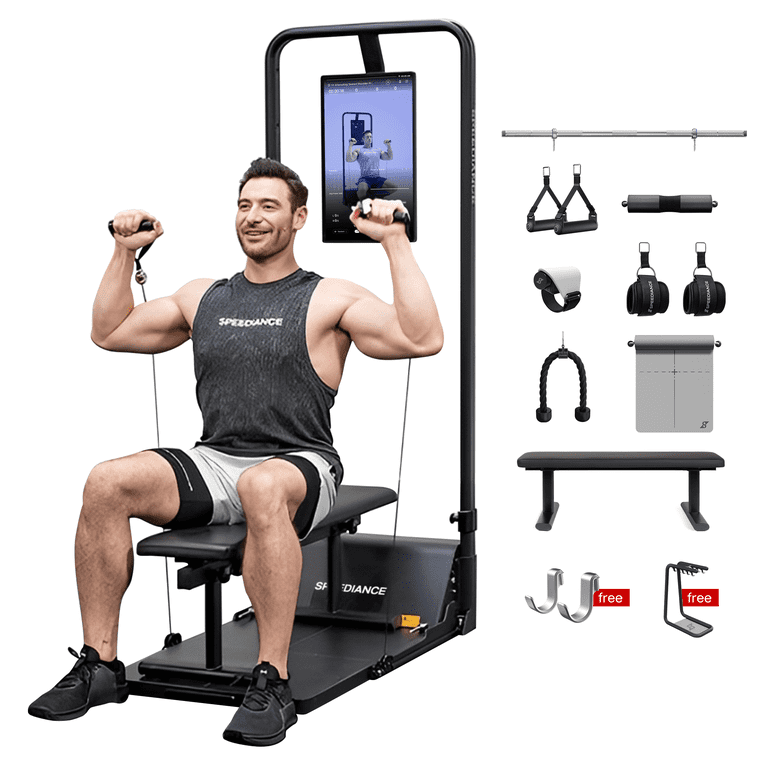
Weight machines guide your movement and reduce the risk of improper form, making them ideal for beginners. Adjust the seat and handles to fit your body comfortably before you start.
Start with a manageable weight and perform slow, steady repetitions. Pay attention to the machine’s path to ensure you work the intended muscles effectively.
How often do you switch machines to target different muscle groups? Varying your workouts prevents plateaus and keeps your progress steady.
Credit: www.walmart.com
Flexibility And Balance Tools
Flexibility and balance tools are essential for improving body movement and stability. These tools help stretch muscles and prevent injuries. They support better posture and coordination. Using these tools regularly enhances overall fitness and daily activity performance.
Incorporating Yoga Mats
Yoga mats provide a soft, non-slip surface for stretching and balance exercises. They protect joints during floor workouts. Roll out your mat on a flat surface before starting. Use it for poses that improve flexibility, like lunges and stretches. Yoga mats also help maintain balance during standing postures.
Stability Ball Exercises
Stability balls challenge your core and improve balance. Sit or lie on the ball to engage different muscles. Try exercises like ball squats, bridges, or planks. The unstable surface forces your body to stabilize itself. This builds strength and improves coordination over time.
Foam Roller Techniques
Foam rollers release muscle tightness and increase flexibility. Roll slowly over tight areas like calves, thighs, and back. Use body weight to apply pressure but avoid pain. Foam rolling before workouts warms muscles and after workouts aids recovery. It helps reduce soreness and improves blood flow.
Safety And Maintenance
Safety and maintenance are key to using gym exercise equipment well. Proper care keeps machines working longer and prevents injuries. Knowing how to handle equipment and maintain it protects your health and your investment.
Proper Equipment Handling
Always check equipment before use. Look for loose parts or damage. Use machines as instructed, following all guidelines. Avoid sudden or jerky movements. Adjust settings to your size and strength. Use safety pins and locks properly. Never overload weight machines. Keep your focus to avoid accidents.
Routine Maintenance Tips
- Clean machines regularly with a soft cloth.
- Wipe down handles and seats after use.
- Lubricate moving parts monthly to reduce wear.
- Tighten bolts and screws often to keep stability.
- Inspect cables and belts for fraying or damage.
- Replace worn or broken parts immediately.
- Store small equipment in a dry, safe place.
Common Safety Precautions
- Wear proper workout clothes and shoes.
- Warm up before using any equipment.
- Use a spotter for heavy lifts.
- Keep the workout area clear of obstacles.
- Follow weight limits and machine instructions.
- Stop using equipment if it feels unsafe or broken.
- Stay hydrated and take breaks as needed.

Credit: bodysolid.com
Creating A Workout Plan
Creating a workout plan is essential for using gym exercise equipment effectively. It helps you stay focused and makes workouts more efficient. A good plan balances your goals, types of exercise, and progress tracking. This way, you get the best results from your time at the gym.
Setting Realistic Goals
Start with clear and simple goals. Choose targets that match your current fitness level. Small steps build confidence and keep motivation high. For example, aim to exercise three times per week or increase weights slowly. Avoid setting goals that are too hard or too easy. Realistic goals help you stay on track and avoid injury.
Balancing Cardio And Strength
Include both cardio and strength training in your plan. Cardio improves heart health and burns calories. Strength training builds muscles and improves metabolism. A good balance might be three cardio sessions and two strength sessions weekly. Use gym equipment like treadmills for cardio and weights for strength. Mixing exercises keeps workouts interesting and effective.
Tracking Progress Effectively
Keep a record of your workouts and improvements. Write down exercises, sets, reps, and weights used. Track changes in endurance, strength, or body measurements. Use a notebook or a fitness app for easy tracking. Seeing progress boosts motivation and helps adjust your plan. Regular tracking ensures steady improvement and avoids plateaus.
Frequently Asked Questions
What Is The Best Way To Use Gym Exercise Equipment?
Start with proper warm-up and learn correct form. Use machines with controlled movements. Begin with light weights and gradually increase. Follow instructions or ask gym staff for help to avoid injury.
How Do I Adjust Gym Equipment For My Workout?
Check adjustable settings like seat height and weight load. Ensure comfort and full range of motion. Adjust before starting exercises for effectiveness and safety. Always test settings with light resistance first.
Can Beginners Use All Gym Exercise Machines Safely?
Yes, but start with basic machines. Learn proper techniques and follow gym guidelines. Ask trainers for demonstrations and assistance. Avoid heavy weights initially to prevent injuries.
How Often Should Gym Equipment Be Cleaned?
Clean equipment before and after each use. Use disinfectant wipes to remove sweat and germs. Regular cleaning maintains hygiene and extends equipment life. Follow gym rules for cleanliness.
Conclusion
Using gym exercise equipment safely helps you reach your fitness goals. Start with light weights to learn the right form. Take breaks and listen to your body to avoid injury. Consistent practice builds strength and confidence. Ask gym staff for help if unsure about equipment.
Enjoy the process and stay patient with progress. Your health improves step by step. Keep trying, and results will follow.







