
Are you stuck with old gym equipment that’s taking up space and gathering dust? Removing bulky machines and weights can feel like a huge hassle.
But what if you could clear out your space quickly and without stress? Whether you’re upgrading your home gym or just need to make room, knowing the right way to handle gym equipment removal can save you time, effort, and even money.
Keep reading to discover simple, effective tips that will help you get rid of your unwanted gear—and reclaim your space for good.

Credit: www.angi.com
Reasons To Remove Gym Equipment
Removing gym equipment is a common task for many fitness centers and home gyms. Several reasons lead to this decision. Understanding these reasons helps plan the removal process better and prepare for what comes next.
Upgrading To New Gear
New gym equipment offers better features and improved safety. Older machines may become unreliable or outdated. Removing old gear makes space for the latest models. This upgrade keeps the gym attractive and functional.
Space Optimization
Gyms need space for workouts and movement. Sometimes, equipment takes up too much room. Removing unused or bulky machines frees up valuable floor space. This change allows for more variety in exercises and better traffic flow.
Relocation Or Renovation
Gyms may move to new locations or renovate current spaces. Removing equipment is necessary before any construction work. It protects the machines and clears the area for remodeling. After renovation, equipment can be arranged more efficiently.
Challenges In Removing Gym Equipment
Removing gym equipment can be tough due to its heavy weight and bulky size. Tight spaces and fragile parts add extra difficulty during the process. Proper tools and careful planning help avoid damage and injuries.
Removing gym equipment can present a unique set of challenges that many people might not anticipate. Whether you’re updating your home gym or managing a commercial fitness center, the process requires careful planning and execution. Understanding these challenges can help you navigate the process smoothly and efficiently.Heavy And Bulky Items
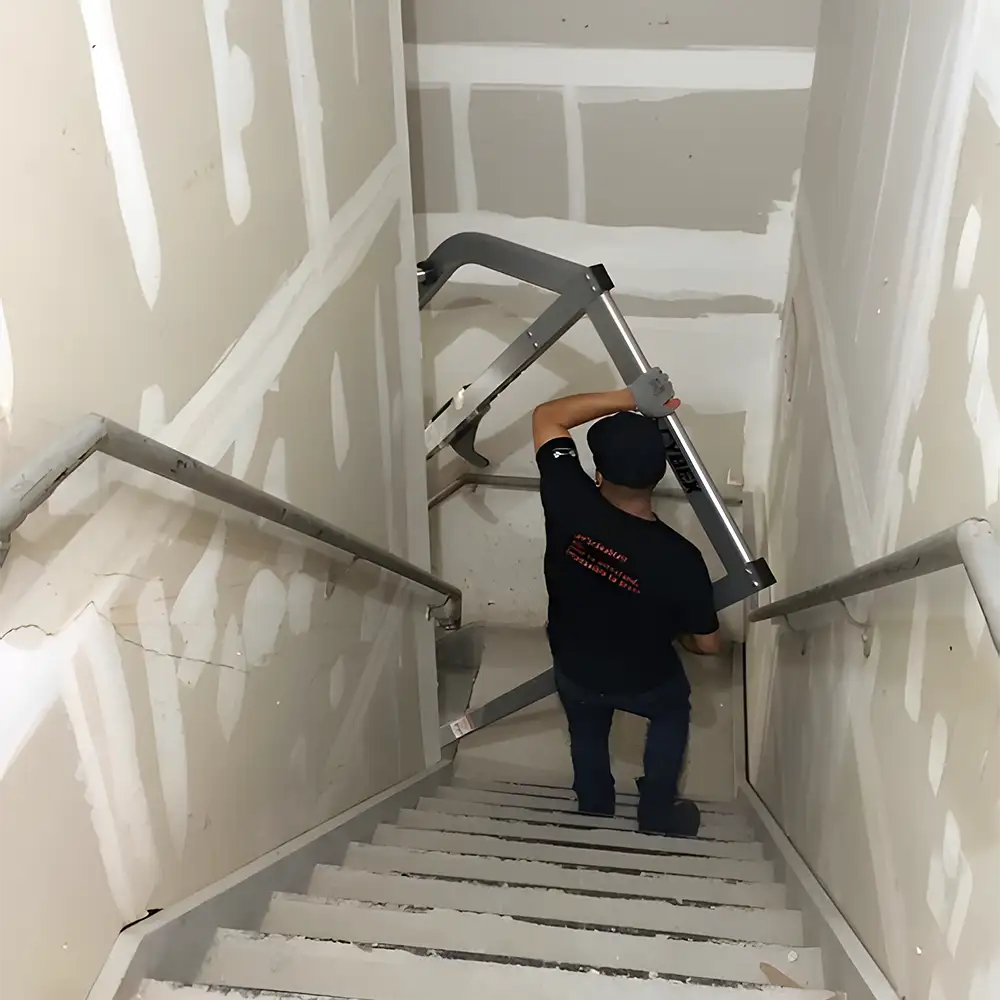
Gym equipment is notoriously heavy and cumbersome. Consider items like treadmills, weight machines, and elliptical trainers. Their bulk and weight can make moving them a daunting task. Have you ever tried to move a treadmill up a flight of stairs? It requires strength, coordination, and sometimes a few extra hands. Proper lifting techniques are essential to prevent injury and damage.Safety Concerns
Safety should be your top priority during removal. The risk of injury is high when handling heavy equipment. It’s easy to underestimate the weight and awkward shape of machines. Ensure you wear protective gear, such as gloves and steel-toed boots. Always have a clear path and a plan before you start moving anything. Is the pathway clear of obstacles? Have you secured the equipment properly?Disposal Regulations
Disposing of gym equipment isn’t as straightforward as putting it on the curb. There are specific regulations and guidelines you must follow. These rules can vary by location, so it’s crucial to do your homework. Some equipment contains materials that require special handling. Consider donating or recycling options as well. Have you checked your local disposal regulations? Are there organizations that could benefit from your gently used equipment? By addressing these challenges head-on, you can ensure a smoother and safer removal process. Planning and preparation are your best allies in this endeavor.Preparation Tips Before Removal
Proper preparation is key before removing gym equipment. It saves time and avoids damage to items or surroundings. Taking a few careful steps helps the process go smoothly.
Assessing Equipment Condition
Check each piece for damage or wear. Note loose bolts, broken parts, or rust. This helps decide if repairs are needed before removal. Knowing the condition avoids surprises during the move.
Gathering Necessary Tools
Collect tools based on the equipment type. Common tools include wrenches, screwdrivers, and pliers. Also have gloves and protective gear ready. Proper tools make removal safer and faster.
Planning The Removal Process
Map out the removal steps in advance. Decide which equipment comes out first. Clear pathways to prevent accidents. Assign helpers if the items are heavy. Planning reduces risks and speeds up the job.
Diy Removal Methods
Removing gym equipment on your own can save time and money, but it requires careful planning and the right techniques. DIY removal methods focus on breaking down the equipment safely, lifting it without injury, and transporting it without causing damage. Let’s look at some practical ways you can handle this process effectively.
Disassembling Equipment
Start by gathering the right tools like wrenches, screwdrivers, and Allen keys. Check the equipment manual or look up online guides to understand how your specific machine comes apart. Label each part and keep screws in small bags to avoid losing them during removal.
Take your time with bolts and screws to prevent stripping or breaking them. If a piece feels stuck, applying a little lubricant can help loosen it. Have you noticed how much easier disassembly becomes when you organize parts as you go?
Safe Lifting Techniques
Always use your legs, not your back, when lifting heavy gym equipment parts. Keep the load close to your body and avoid twisting while carrying it. If the equipment is bulky, don’t hesitate to ask for help or use lifting straps.
Wearing gloves can improve your grip and protect your hands from sharp edges. Have you tried practicing lifts with lighter items before tackling heavier gym machines? It builds confidence and reduces injury risk.
Transporting Without Damage
Wrap parts in moving blankets or bubble wrap to prevent scratches and dents during transport. Secure smaller items in boxes or containers to keep them from shifting. Use a dolly or hand truck for heavy pieces to make moving smoother and safer.
Loading your vehicle carefully, placing heavier parts at the bottom, helps maintain balance and prevents damage. Think about how you can secure everything in place before driving—loose equipment can cause accidents or damage both your items and your vehicle.
Hiring Professional Removal Services
Hiring professional removal services for gym equipment ensures a smooth, safe, and quick process. Experts have the right tools and skills to handle heavy and bulky items without damage. They save time and reduce the risk of injury during removal. Professionals also know how to dispose of or recycle old equipment responsibly. This service suits both home gyms and commercial fitness centers.
Benefits Of Professional Help
- Safe handling of heavy and complex gym machines
- Efficient removal saving time and effort
- Proper disposal or recycling of old equipment
- Reduced risk of damage to property or equipment
- Experienced team with specialized tools
Choosing The Right Service
- Check for experience with gym equipment removal
- Look for customer reviews and testimonials
- Confirm licensing and insurance coverage
- Ask about recycling and disposal methods
- Compare availability and response times
Cost Considerations
Costs depend on equipment size and quantity. Distance to the removal site also affects price. Some services charge a flat fee, others by weight or volume. Request detailed quotes from multiple providers. Consider value over price for better service and care.
Credit: gymtechfitness.com
Eco-friendly Disposal Options
Getting rid of gym equipment doesn’t have to mean filling up landfills. You can choose options that protect the environment and give your old gear a second life. Thinking about eco-friendly disposal helps you reduce waste and supports a healthier planet.
Donating Usable Equipment
If your gym equipment is still in good shape, donating it can make a big difference. Local community centers, schools, or charity gyms often need gear but can’t afford new equipment. Donating not only keeps items out of the trash but also helps others stay active and healthy.
Before donating, check the condition of the equipment and clean it thoroughly. Reach out to organizations nearby to see what they accept and how to drop off your items. Have you ever thought about how many people could benefit from your unused treadmill or weights?
Recycling Components
Many parts of gym equipment can be recycled to reduce waste. Metal frames, rubber mats, and plastic covers can often be separated and taken to recycling centers. This lowers the demand for new raw materials and saves energy.
Disassemble your equipment carefully to sort the materials. Look for local recycling programs that accept bulky items or specific materials like steel or electronics. Do you know where your nearest recycling center is or what they take?
Selling Or Trading Gear
Selling or trading gym equipment is another eco-friendly option that helps extend its life. Online marketplaces and local fitness groups provide platforms to find buyers or trade for other items. This approach keeps equipment in use and reduces the need for manufacturing new products.
Price your gear fairly and highlight its condition and features. Sometimes, trading equipment can get you something you need while avoiding waste. What could you gain by swapping your old bench press for a new yoga mat?
Tips For Stress-free Removal
Removing gym equipment can feel overwhelming, but it doesn’t have to be. With the right approach, you can make the process smooth and even stress-free. Here are practical tips to help you manage every stage, from planning to handling surprises.
Scheduling And Timing
Pick a time when the gym is least busy. Early mornings or late evenings often work best to avoid disrupting workouts and traffic. Have you checked if there’s a quiet day during the week that suits your removal plans?
Allow extra time for packing and disassembly. Rushing can cause mistakes or damage. Setting a clear schedule with buffer periods can prevent last-minute stress.
Communicating With Removal Teams
Clear communication is key to a smooth removal. Explain the size and weight of each piece of equipment beforehand. This helps the team bring the right tools and manpower.
Share any special instructions, like narrow doorways or fragile parts. Don’t hesitate to ask questions about their process—you’ll feel more confident knowing what to expect.
Handling Unexpected Issues
Even with planning, surprises happen. Equipment might be stuck, or old screws could break. Keep essential tools handy and be ready to troubleshoot on the spot.
Stay calm and flexible—sometimes a small delay can lead to a safer, better move. Have you prepared a backup plan if the original schedule falls through?

Credit: www.angi.com
Frequently Asked Questions
What Is The Best Way To Remove Gym Equipment?
The best way is to hire professional removal services. They ensure safe handling, efficient dismantling, and proper disposal. This prevents damage and injury during removal.
How Much Does Gym Equipment Removal Cost?
Costs vary based on equipment size, quantity, and location. On average, removal fees range from $100 to $500. Getting quotes from multiple services helps find the best price.
Can I Donate Old Gym Equipment?
Yes, donating is a great option. Many charities, schools, and community centers accept gym equipment. Ensure the equipment is in good condition before donating.
How Long Does Gym Equipment Removal Take?
Removal typically takes 1 to 3 hours depending on equipment size. Professional teams work quickly and safely to minimize disruption. Scheduling in advance ensures timely service.
Conclusion
Removing gym equipment can feel like a big task. Choose a reliable service to make it easy and safe. Clearing space helps keep your gym clean and organized. Proper removal also protects your floors and walls from damage. Acting quickly prevents clutter and creates more room to move.
Remember, simple steps lead to a smooth, stress-free process. Take control of your space and keep it ready for new workouts. A tidy gym means a better workout experience every time.







