
Are you ready to take your workouts to the next level? Gym equipment pulling exercises can be the game-changer you’ve been missing.
Whether you want to build stronger muscles, improve your posture, or boost your overall fitness, pulling movements target key muscle groups like your back, shoulders, and arms. You’ll discover how to use gym equipment pulling techniques effectively, avoid common mistakes, and get the best results.
Keep reading, because your stronger, healthier body starts here.
Types Of Pulling Equipment
Pulling exercises target muscles in the back, arms, and shoulders. Using the right equipment helps improve strength and form. Different tools suit various fitness levels and goals. Understanding types of pulling equipment guides better workout choices.
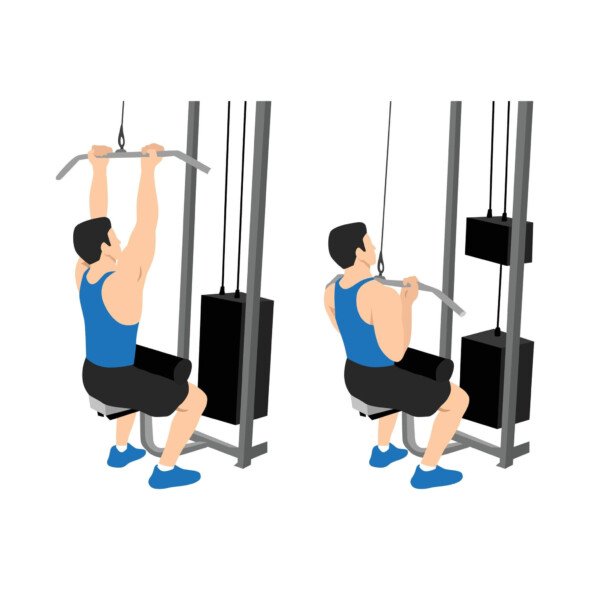
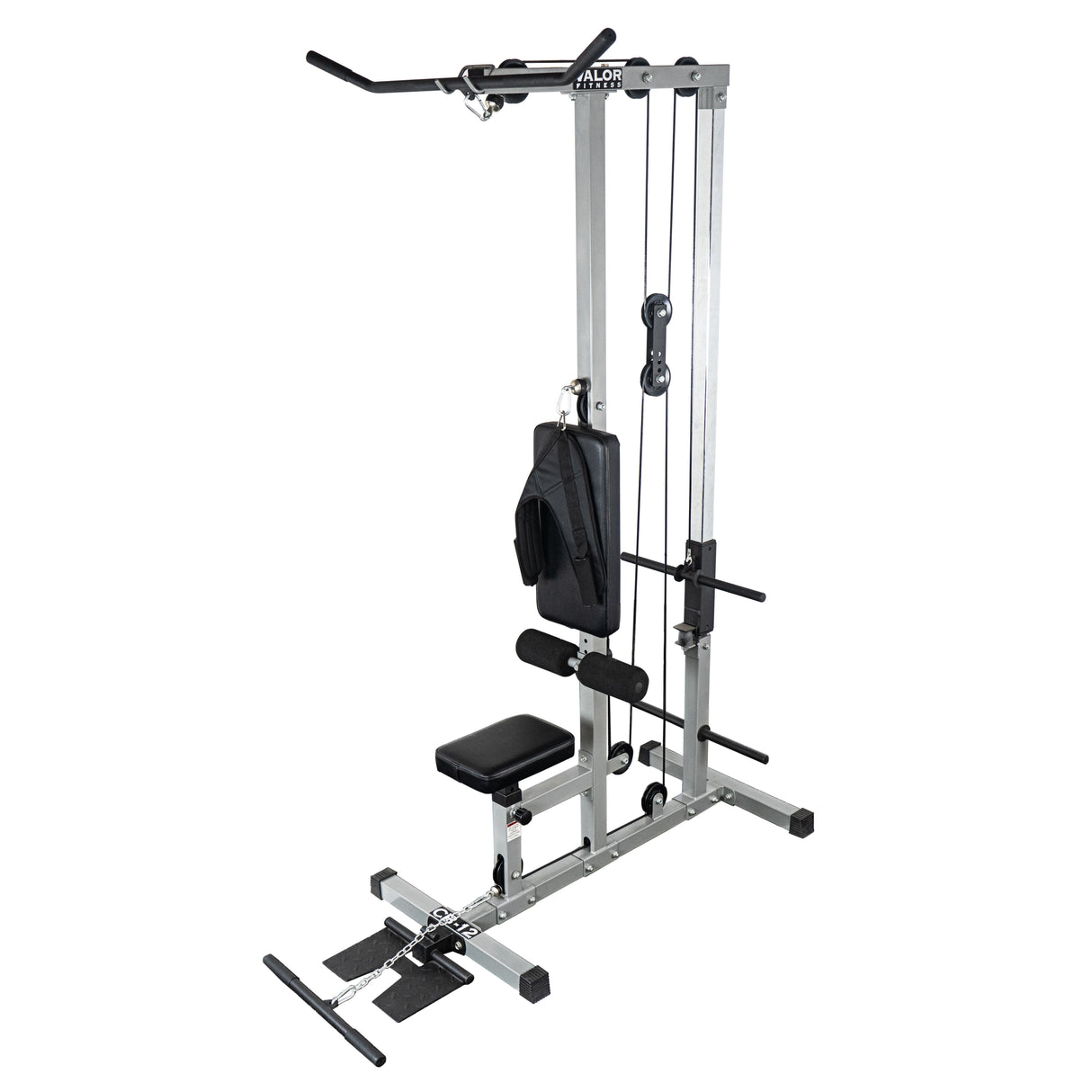
Cable Machines
Cable machines offer adjustable resistance with smooth motion. They allow exercises like lat pulldowns and seated rows. Users can change weights to match their strength. These machines support controlled and versatile pulling movements.
Pull-up Bars
Pull-up bars focus on bodyweight exercises for upper body strength. They target the back, shoulders, and arms effectively. Bars can be fixed or portable for home use. Pull-ups and chin-ups build muscle and improve grip.
Rowing Machines
Rowing machines combine cardio with pulling muscle work. They simulate rowing, engaging back, arms, and legs. Adjustable resistance helps match workout intensity. These machines improve endurance and build pulling strength.
Resistance Bands
Resistance bands are flexible and portable for pulling exercises. They come in different tension levels for varied challenges. Bands work well for rows, pull-aparts, and face pulls. Ideal for beginners and those training at home.
Credit: welltech.com
Benefits Of Pulling Exercises
Pulling exercises with gym equipment build strong back and arm muscles. They improve posture and boost overall strength. These moves also help prevent injuries by balancing muscle groups.
Pulling exercises are a powerhouse addition to any workout routine, offering a host of benefits that can transform your fitness journey. These exercises, which involve pulling weights or resistance towards your body, not only boost your strength but also enhance your overall physical health. Let’s dive into the specific advantages of incorporating pulling exercises into your gym sessions.Muscle Strength And Growth
Pulling exercises are essential for building strong and defined muscles. When you engage in exercises like rows and pull-ups, you target major muscle groups like your back, shoulders, and arms. This targeted workout leads to increased muscle growth and strength, helping you lift more weight over time. Imagine feeling the satisfaction of lifting a heavier dumbbell than you could last month—it’s a tangible testament to your progress.Improved Posture
Good posture is crucial for preventing back pain and enhancing your appearance. Pulling exercises strengthen the muscles in your upper back and shoulders, counteracting the forward slump from hours at a desk. With better posture, you not only feel more confident but also reduce the risk of injury. Have you ever noticed how standing tall can instantly boost your mood and presence?Enhanced Grip Strength
A strong grip is more important than you might think. Whether you’re opening a jar or carrying groceries, grip strength plays a vital role in daily tasks. Pulling exercises like deadlifts and pull-ups engage your forearms and hands, significantly boosting your grip strength. This improvement will make everyday activities easier and enhance your performance in other exercises.Increased Calorie Burn
Looking to shed some extra pounds? Pulling exercises can help you burn calories more efficiently. They engage multiple muscle groups, increasing your overall energy expenditure. Incorporate compound pulling movements, and you’ll find yourself sweating and burning calories faster. Have you ever finished a workout and felt that satisfying exhaustion knowing you’ve pushed your limits? By focusing on these aspects, pulling exercises not only enhance your physical capabilities but also improve your quality of life. So why not add them to your routine today?Choosing The Right Equipment
Choosing the right gym equipment can make a huge difference in your workout effectiveness and motivation. It’s not just about picking the most popular or expensive machines; it’s about finding what fits your unique needs and goals. Understanding how to select equipment that works best for you will keep you consistent and help you progress safely.
Assessing Your Fitness Level
Start by being honest about your current fitness level. Are you a beginner or someone who has been training for years? Your experience will guide you toward simpler machines or more advanced options.
For example, if you’re new to resistance training, machines with guided movements can help you build confidence and prevent injury. On the other hand, if you’re more experienced, free weights or adjustable cable machines might offer the challenge you need.
Space And Budget Considerations
How much room do you have for your gym setup? Measure your available space before buying anything to avoid overcrowding. Remember, some equipment is bulky and needs clearance for safe use.
Budget plays a big role too. You don’t need to spend a fortune to get quality equipment. Sometimes, a well-chosen set of adjustable dumbbells or resistance bands can be just as effective as expensive machines.
- Consider multi-functional equipment that saves space and money.
- Look for second-hand or refurbished options that come with warranties.
- Prioritize equipment that matches your workout goals over trendy gadgets.
Versatility And Adjustability
Choose equipment that can adapt to different exercises and fitness levels. Adjustable benches, resistance machines with variable settings, and modular systems allow you to switch up your routine easily.
This flexibility keeps your workouts fresh and helps you target different muscle groups without buying multiple machines. Have you noticed how having just one piece of versatile gear can open up a variety of exercises? That’s the kind of value to look for.
Credit: valorfitness.com
Proper Techniques For Pulling
Proper techniques for pulling exercises are essential for safe workouts and better results. Using the right form helps target muscles effectively. It also reduces the chance of injury. Focus on grip, body position, and breathing for efficient pulls.
Grip Variations
Your grip changes which muscles work most during pulling. Common grips include:
- Overhand grip:Palms face down, works upper back and forearms.
- Underhand grip:Palms face up, emphasizes biceps and lower lats.
- Neutral grip:Palms face each other, easier on wrists and shoulders.
Choose a grip that feels strong and comfortable. Changing grips can help balance muscle development.
Body Positioning
Keep a straight back to protect your spine. Slightly bend your knees for stability. Pull the weight smoothly, not jerking it. Engage your core to support your lower back. Avoid leaning too far forward or backward.
Breathing Patterns
Proper breathing improves strength and focus. Exhale while pulling the weight toward you. Inhale as you slowly return to start position. Do not hold your breath. Controlled breathing keeps muscles oxygenated and steady.
Common Mistakes To Avoid
Avoiding common mistakes during gym equipment pulling can significantly improve your workout results and prevent injuries. Many people unknowingly sabotage their progress by making simple errors. Identifying and correcting these mistakes will help you train smarter and safer.
Overusing Momentum
Using momentum to lift or pull weights might seem like a shortcut, but it reduces the effectiveness of your workout. You might feel stronger, but your muscles aren’t working as hard as they should. Instead, focus on controlled, steady movements that engage the targeted muscles fully.
Think about how often you catch yourself swinging the weights or jerking your body to complete a pull. Slowing down not only improves muscle activation but also lowers the risk of injury. Can you commit to slower reps that challenge your strength rather than your speed?
Incorrect Form
Maintaining proper form is crucial for both safety and results. Even a slight misalignment can strain joints or muscles, leading to pain or injury. Pay close attention to your posture, grip, and movement path during pulling exercises.
For example, rounding your back during a seated row puts unnecessary stress on your spine. Try recording yourself or asking a trainer to check your form. Would you rather risk injury or take the extra moment to ensure each rep is done right?
Neglecting Warm-up
Skipping a warm-up before pulling exercises is a common mistake that can cause muscle strains. Your muscles and joints need to be prepared for the load and movement patterns. Spend at least 5-10 minutes warming up with light cardio and dynamic stretches.
A personal experience taught me this the hard way—I ignored warming up and felt a sharp pain during a heavy pull. Since then, warming up has become non-negotiable, saving me from downtime and setbacks. Are you ready to protect your body by warming up properly?
Sample Pulling Workouts
Sample pulling workouts help you build strength and improve muscle endurance by focusing on exercises that engage your pulling muscles such as your back, biceps, and forearms. Whether you’re just starting out or looking to challenge yourself, having a clear routine keeps your progress on track.
Each routine below targets different fitness levels, so you can pick the one that suits your current abilities and goals. Ready to push your limits and see how far your pulling power can go?
Beginner Routine
- Assisted Pull-Ups:3 sets of 8 reps using a resistance band or assisted pull-up machine
- Seated Cable Rows:3 sets of 12 reps with light to moderate weight
- Dumbbell Bicep Curls:3 sets of 10 reps using manageable dumbbells
- Face Pulls:3 sets of 15 reps for shoulder and upper back activation
Start slow and focus on form. You’ll notice your grip strength and back muscles waking up after just a few sessions.
Intermediate Routine
- Pull-Ups:4 sets of 6-10 reps, unassisted if possible
- Barbell Bent-Over Rows:4 sets of 8 reps with moderate weight
- Hammer Curls:3 sets of 12 reps to hit the brachialis muscle
- Lat Pulldowns:4 sets of 10-12 reps, focusing on full range of motion
At this stage, challenge yourself with heavier weights but never sacrifice technique. How much stronger can you get if you push your limits today?
Advanced Routine
- Weighted Pull-Ups:5 sets of 5-8 reps with added weight belt or vest
- Pendlay Rows:5 sets of 6 reps, explosive movement from the floor
- Concentration Curls:4 sets of 10 reps for maximum bicep focus
- Single-Arm Dumbbell Rows:4 sets of 12 reps, emphasizing unilateral strength
Advanced workouts demand intensity and precision. How well do you know your limits—and how far can you break through them?
Maintaining Your Equipment
Maintaining your gym equipment is key to keeping it safe, efficient, and long-lasting. Neglecting small upkeep tasks can lead to bigger problems, affecting your workouts and costing you more in repairs. Taking a few minutes regularly to care for your gear makes a big difference in how well it performs and how long it stays in shape.
Cleaning Tips
Keep sweat and dust away from your equipment by wiping it down after every use. Use a soft cloth with mild soap or a specialized gym equipment cleaner to avoid damaging surfaces. Pay close attention to handles, seats, and screens where grime tends to build up quickly.
Don’t forget to clean moving parts like pulleys and cables gently to prevent buildup that can cause friction. Have you noticed how a little dirt can make a machine feel stiff? Regular cleaning helps everything move smoothly and safely.
Regular Inspections
Check your equipment weekly for loose bolts, worn cables, or cracked parts. These issues can sneak up on you and create hazards if ignored. Tighten screws and replace worn components promptly to avoid accidents.
Think about the last time you found a frayed cable just before a workout. Catching problems early not only protects you but also extends the life of your gear. Make a habit of scanning your machines before every session to catch any warning signs.
Storage Recommendations
Store your gym equipment in a dry, cool area to prevent rust and material degradation. Avoid leaving machines in direct sunlight or damp spaces, as these conditions accelerate wear and tear. Consider using covers to protect gear that stays in one spot for long periods.
Organize smaller items like resistance bands and dumbbells on racks or shelves to keep your workout space safe and clutter-free. How often do you find yourself tripping over misplaced weights? Proper storage not only protects your equipment but also keeps your workout area inviting and efficient.

Credit: www.amazon.com
Tracking Progress And Setting Goals
Tracking progress and setting goals are essential parts of any gym equipment pulling routine. Without clear markers, you might miss out on celebrating small wins or identifying areas that need improvement. Keeping an eye on your progress helps maintain motivation and ensures your workouts remain effective over time.
Using Workout Logs
Writing down your workouts can make a huge difference in your results. A workout log lets you track the weights you use, the number of reps, and how you feel during each session.
Try using a simple notebook or a fitness app to record your pulling exercises. Seeing your progress on paper or screen can push you to add a little more weight or extra reps next time.
Measuring Strength Gains
Tracking strength gains is about more than just lifting heavier weights. Notice how many reps you can do at a certain weight and how your form improves over time.
For example, if you started with 20-pound dumbbells and now handle 35 pounds with ease, that’s a clear sign of progress. Also, pay attention to how your muscles feel during and after your workouts. Are you recovering faster? Are you less sore?
Adjusting Workouts Over Time
As you track your progress, your workout plan should evolve. If a routine feels too easy, it’s time to increase the challenge by adding weight, reps, or sets.
Don’t hesitate to change exercises if you hit a plateau or experience discomfort. Switching grips or angles can target muscles differently and keep your pulling workouts fresh and effective.
How often do you review your progress and adjust your routine? Setting regular check-ins can keep you on track and help you reach your goals faster.
Frequently Asked Questions
What Is Gym Equipment Pulling Exercise?
Gym equipment pulling exercises involve using machines or cables to pull weights. These exercises target muscles like the back, shoulders, and arms. They improve strength and muscle tone effectively.
Which Muscles Do Pulling Exercises Target?
Pulling exercises primarily work the back, biceps, and forearms. They also engage the rear shoulders and core for stability. These muscles develop strength and improve posture.
How To Perform Gym Pulling Exercises Safely?
Maintain proper form and control during each pull. Use manageable weights and warm up before starting. Avoid jerky movements to prevent injuries and enhance results.
What Are The Benefits Of Pulling Gym Equipment?
Pulling exercises increase upper body strength and muscle definition. They improve grip strength and posture. These exercises support balanced muscle development and functional fitness.
Conclusion
Gym equipment pulling helps build strength and improve fitness. Use the right tools safely for the best results. Start slow and increase weight step by step. Consistency is key to seeing real progress. Remember to warm up before each session.
Pulling exercises work many muscles at once. Stay focused and enjoy your workout routine. Small efforts add up to big changes over time. Keep track of your progress and adjust as needed. Stay motivated and make pulling exercises part of your plan.







