
If you want to boost your workout and get stronger grips, gym equipment hand grips are your secret weapon. You might not realize how much your grip strength affects your performance, but it plays a huge role in lifting heavier weights and preventing injuries.
Whether you’re a beginner or a seasoned gym-goer, using the right hand grips can make your workouts more effective and comfortable. Keep reading to discover how gym equipment hand grips can transform your training and help you reach your fitness goals faster.
Benefits Of Hand Grips
Hand grips are small tools that help improve your grip strength. They offer many benefits for gym-goers and athletes. Using hand grips regularly can boost your workout performance and hand health.
Stronger hands make lifting weights easier and safer. Hand grips also help prevent injuries by strengthening tendons and muscles. They are simple, effective, and easy to use anywhere.
Improved Grip Strength
Hand grips target the muscles in your fingers, hands, and forearms. Regular use increases your grip power. This helps you hold weights firmly during exercises. Stronger grip reduces slipping and improves control.
Enhanced Endurance
Using hand grips builds muscle stamina in your hands. This lets you train longer without fatigue. Endurance in grip muscles supports better performance in sports and workouts.
Better Hand Health
Hand grips promote blood flow and muscle activity. This can reduce stiffness and soreness in hands. They also help prevent repetitive strain injuries from heavy lifting or typing.
Supports Other Exercises
Strong grip supports many gym exercises like deadlifts and pull-ups. It allows you to lift heavier weights confidently. Hand grips prepare your hands for intense workouts.
Easy To Use Anywhere
Hand grips are portable and lightweight. You can use them at home, gym, or office. This makes it easy to train your hands daily without hassle.
Types Of Hand Grips
Hand grips come in various types, each designed to target your hand strength in unique ways. Choosing the right type can improve your workout efficiency and help you focus on specific muscle groups. Understanding these options allows you to pick the best fit for your fitness goals.
Adjustable Hand Grips
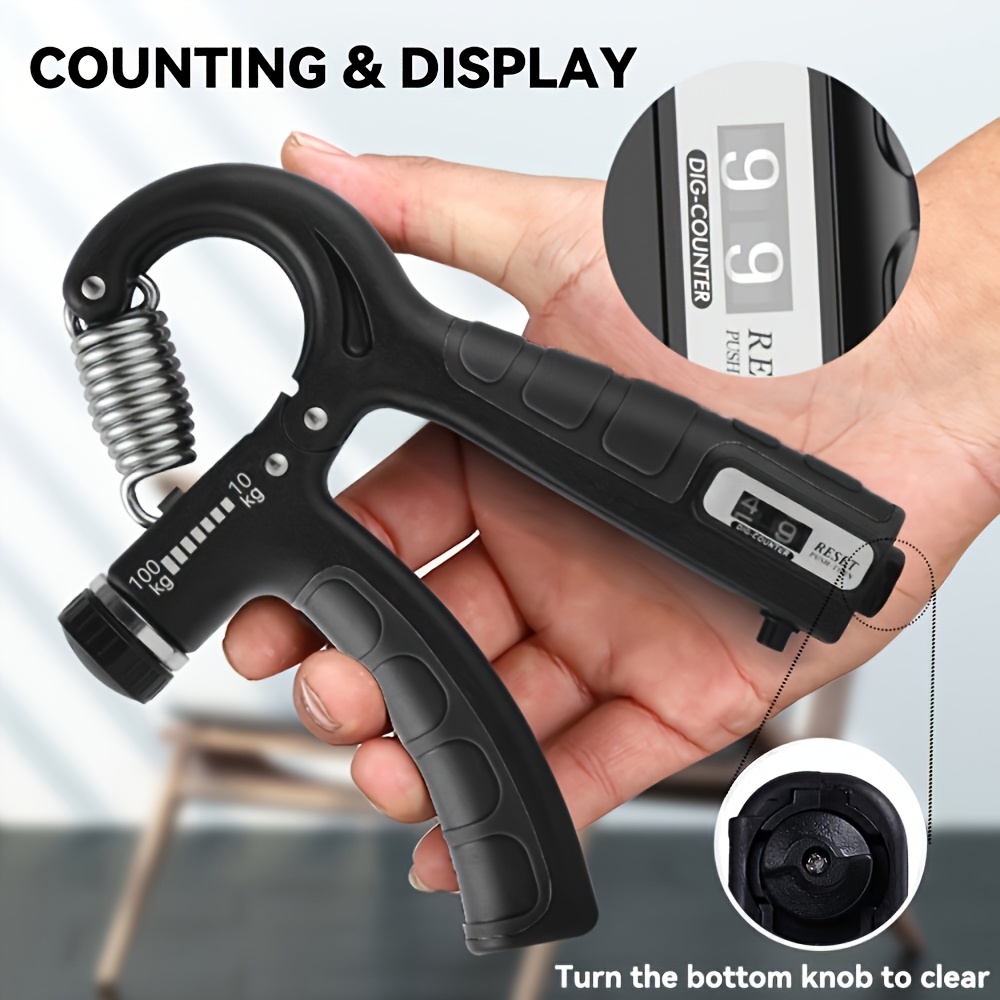
Adjustable hand grips let you change the resistance level to match your strength. This flexibility makes them perfect if you want to gradually increase your grip strength over time. They usually feature a dial or spring mechanism to easily adjust tension.
Using adjustable grips can prevent plateaus in your training. Have you noticed how adding just a bit more resistance challenges your muscles differently? These grips give you control over that challenge.
Spring Hand Grips
Spring hand grips are simple and effective tools that use a metal spring to provide resistance. They come in fixed strengths or varying resistance levels, offering straightforward use for beginners and advanced users alike.
They are compact and easy to carry, making them great for quick grip workouts anywhere. Do you find yourself struggling to squeeze your grip fully? Spring grips can help you build that essential hand endurance.
Resistance Bands
Resistance bands aren’t just for full-body workouts; they also serve as excellent hand grip trainers. You can wrap them around your fingers and stretch to improve finger and hand strength.
This method targets different muscles compared to traditional grips, focusing more on finger extension. Have you ever thought about balancing your grip training by working both squeezing and stretching motions?
Choosing The Right Hand Grip
Choosing the right hand grip for your gym equipment can make a significant difference in your workout quality and safety. The perfect grip helps you maintain control, reduce fatigue, and avoid injuries. But how do you know which one suits your needs best? Let’s break down the key factors you should consider.
Material Considerations
The material of your hand grip affects durability, comfort, and sweat absorption. Rubber grips offer excellent traction and are soft on the hands, making them ideal for high-intensity sessions. Leather grips, on the other hand, are durable and provide a firm hold but may require some break-in time.
Think about your workout environment too. If you often sweat during your sessions, a grip with moisture-wicking properties can prevent slipping. Have you noticed your hands slipping during a tough set? Choosing the right material can solve that frustration.
Resistance Levels
Hand grips come with varying resistance levels to match your strength and training goals. Beginners might want a lower resistance grip to build hand strength gradually, while advanced users may prefer higher resistance for a real challenge. Using a grip that’s too hard can cause strain, while one that’s too easy won’t offer enough benefit.
Consider how often you train your grip strength. If your routine is frequent and intense, you might need multiple grips with different resistance levels. Have you tried switching resistance levels to see how it affects your performance?
Grip Comfort
Comfort isn’t just a nice-to-have; it directly impacts how long you can train effectively. Look for grips with ergonomic designs that fit your hand size and shape. Padding can reduce pressure points, but too much cushioning might reduce control.
Some grips feature adjustable straps or contoured shapes to enhance comfort. How does your current grip feel after 10 minutes of use? If discomfort sets in quickly, it’s time to explore options that match your comfort needs.

Credit: flamanfitness.com
Incorporating Hand Grips Into Workouts
Incorporating hand grips into workouts improves grip strength and overall performance. Hand grips train the muscles in your hands, wrists, and forearms. This training supports better control of gym equipment and reduces injury risk. Using hand grips regularly adds variety to your routine and targets smaller muscle groups often ignored. Below are ways to include hand grips in warm-ups, strength training, and cardio sessions.
Warm-up Routines
Start your workout by gently squeezing hand grips. This warms up the hand and wrist muscles. Try these warm-up actions:
- Squeeze and release the hand grips slowly for 1-2 minutes.
- Perform wrist rotations while holding the grips.
- Use light resistance to avoid fatigue before training.
These simple exercises prepare your hands and improve blood flow. Warm hands reduce muscle stiffness and increase flexibility.
Strength Training Exercises
Hand grips boost strength in your grip and forearms. Use them alongside weightlifting for better results. Try these ideas:
- Squeeze grips between sets of dumbbell or barbell lifts.
- Perform slow, controlled squeezes for 10-15 reps.
- Combine hand grips with pull-ups or deadlifts to enhance grip endurance.
Stronger grip supports lifting heavier weights safely. It also improves control over gym equipment during exercises.
Cardio Integration
Hand grips fit well into cardio sessions for added benefits. Use them during rest periods or light activity. Ideas include:
- Squeeze hand grips while walking or jogging on a treadmill.
- Use grips during cycling or rowing machine breaks.
- Incorporate grip exercises in interval training to keep muscles active.
Integrating hand grips in cardio helps maintain muscle engagement. It prevents hand fatigue and enhances endurance.
Proper Usage Techniques
Using gym equipment hand grips correctly can make a big difference in your workout results and hand health. Proper techniques help you build strength efficiently while avoiding injuries. Let’s look at some key ways to get the most from your hand grips.
Grip Positioning
Position your fingers evenly around the grip to spread pressure across your hand. Avoid holding too tightly, as this can cause unnecessary strain and reduce endurance.
Try wrapping your thumb fully around the grip rather than just placing it on top. This creates a stronger hold and improves control during exercises like pull-ups or deadlifts.
Think about how your hand feels during the exercise. Does it tire quickly or slip? Adjust your grip angle or finger placement until you find a comfortable, firm hold that lasts.
Repetition Strategies
Start with manageable repetitions to let your hands build strength gradually. Overdoing it early can lead to soreness or even blisters.
Mix shorter, high-intensity sets with longer, endurance-focused sessions. For example, try 3 sets of 10 firm squeezes, then later 2 sets of 30-second holds.
Track your progress by noting how many reps you can do before your grip weakens. This feedback helps you adjust your routine and see real improvement.
Safety Tips
Always inspect your hand grips for wear and tear before use. Worn grips can slip and cause accidents.
Keep your hands clean and dry to prevent slipping. Using chalk or grip-enhancing gloves can also improve safety and comfort.
Listen to your body. If you feel sharp pain or excessive discomfort, stop immediately. Ignoring warning signs can lead to long-term damage.
Credit: www.temu.com
Tracking Progress With Hand Grips
Tracking progress with hand grips helps measure your strength gains clearly. It keeps motivation high and shows how your grip improves over time. Regular tracking supports better results and smarter training choices.
Setting Goals
Start by choosing clear, simple goals for your hand grip strength. Decide on the number of squeezes or the resistance level you want to reach. Writing down goals makes them real and easier to follow.
Monitoring Improvements
Keep a log of your daily or weekly grip exercises. Note how many reps you complete and the resistance used. This record reveals your progress and highlights steady improvements.
Adjusting Resistance
Increase the resistance gradually as your grip gets stronger. Small changes prevent injury and encourage steady growth. Adjust resistance based on your tracked progress and comfort level.
Hand Grips For Rehabilitation
Hand grips designed for rehabilitation play a crucial role in helping individuals regain strength and dexterity after injury or surgery. They offer a simple yet effective way to rebuild hand muscles and improve joint flexibility. Using the right hand grip tools can make your recovery process more manageable and even empowering.
Recovery Benefits
Using hand grips during rehabilitation helps increase blood flow to injured areas, speeding up healing. They also promote muscle endurance, which is essential for everyday tasks like opening jars or typing. Many people notice improved hand coordination and reduced stiffness after regular use.
Have you ever felt frustrated with slow progress after a hand injury? Incorporating hand grips can change that by providing consistent, measurable improvements.
Therapeutic Exercises
Therapeutic exercises with hand grips include squeezing, holding, and releasing motions. These simple movements target different muscle groups and improve overall hand strength. You can vary the resistance levels depending on your recovery stage, which keeps the exercises challenging but safe.
- Squeeze and hold for 5-10 seconds
- Perform slow, controlled releases
- Repeat sets of 10-15 repetitions
Adding these exercises to your daily routine doesn’t take much time but can lead to noticeable improvements. Are you tracking your progress to stay motivated?
Consulting Professionals
Before starting any hand grip rehabilitation, consulting a physical therapist or healthcare professional is essential. They can recommend the right type of grip strengthener and tailor exercises to your specific needs. Following expert advice helps avoid overuse injuries and ensures you’re targeting the right muscles.
Have you scheduled a session with a specialist to get a personalized rehabilitation plan? Their guidance can make a significant difference in your recovery journey.

Credit: www.amazon.ca
Common Mistakes To Avoid
Using gym equipment hand grips can boost your workout performance, but many people fall into common traps that hinder progress and increase injury risk. Avoiding these mistakes will help you get stronger and stay safe. Let’s look at some key pitfalls you should watch out for.
Overtraining Risks
It’s tempting to push your limits with hand grips every day, but your muscles and tendons need time to recover. Overtraining can cause soreness, inflammation, and even long-term damage. Listen to your body—if you feel persistent fatigue or weakness, take a break.
Think about the last time you ignored soreness and kept going. Did it help or hurt your strength gains? Scheduling rest days and varying your grip exercises can prevent burnout and support steady progress.
Ignoring Pain Signals
Pain is your body’s way of telling you something is wrong. If you feel sharp or persistent pain while using hand grips, don’t push through it. Ignoring pain can lead to serious injuries like tendonitis or nerve damage.
Focus on the difference between normal muscle fatigue and actual pain. If you’re unsure, reduce intensity or stop the exercise and consult a professional. Protecting your hands and wrists now will pay off in the long run.
Improper Form
Many users underestimate the importance of proper form when using hand grips. Incorrect technique not only reduces effectiveness but also increases injury risk. Are you gripping too tightly or using uneven pressure?
Keep your wrist straight and avoid locking your joints. Start with lighter resistance to master the correct movement before increasing intensity. Proper form helps you build strength safely and efficiently.
Frequently Asked Questions
What Is A Gym Equipment Hand Grip?
A gym equipment hand grip is a tool that enhances grip strength. It is used to improve hand endurance and support during workouts. These grips help prevent slippage and allow better control of weights and machines.
How Does A Hand Grip Improve Workout Performance?
Hand grips increase grip strength and stamina. This leads to better control over gym equipment and reduces hand fatigue. Stronger grips improve lifting capacity and enhance overall workout efficiency.
Can Hand Grips Prevent Hand Injuries During Exercise?
Yes, hand grips provide extra support and cushioning. They reduce strain on fingers and wrists, minimizing injury risk. Proper use can protect skin from calluses and blisters during intense workouts.
What Types Of Hand Grips Are Best For Gym Use?
The best hand grips are made of durable materials like rubber or silicone. They offer comfort, slip resistance, and good padding. Adjustable grips are ideal for different hand sizes and workout types.
Conclusion
Strong hand grips improve your workout and protect your hands. You hold better, lift more, and feel confident. Different grips suit different exercises and needs. Choose one that fits your hand size and workout style. Regular use helps build strength and endurance.
Keep your grips clean and replace them if worn. Small changes make a big difference in your gym routine. Stay consistent and enjoy safer, more effective training sessions. Hand grips are simple tools with real benefits for everyone.







