
Are you tired of wrist pain holding you back during your workouts? Your wrists play a crucial role in almost every exercise, so protecting and strengthening them is key to staying strong and injury-free.
Choosing the right gym equipment for your wrist can make all the difference. You’ll discover simple yet effective tools designed to support your wrists, boost your performance, and keep discomfort at bay. Keep reading to find out how to take your workouts to the next level without sacrificing your wrist health.

Credit: www.amazon.ca
Key Wrist Muscles To Target
Strong wrists support many daily movements and gym exercises. Targeting key wrist muscles improves strength and stability. This focus helps prevent injuries and enhances overall performance. Understanding the main wrist muscles guides effective workouts.
Wrist Flexors And Extensors
Wrist flexors bend the wrist forward. They help in lifting and gripping actions. Wrist extensors pull the wrist backward. Both muscle groups balance wrist movement and strength. Training these muscles prevents imbalances and reduces strain.
Forearm Stabilizers
Forearm stabilizers keep the wrist steady during motion. They support the wrist in holding weights and tools. Strong stabilizers improve control and reduce fatigue. Exercises targeting these muscles boost wrist endurance.
Grip Strength Importance
Grip strength depends on wrist and forearm muscles. A firm grip improves lifting power and safety. It helps in exercises like deadlifts and pull-ups. Enhancing grip strength also aids everyday tasks like opening jars.
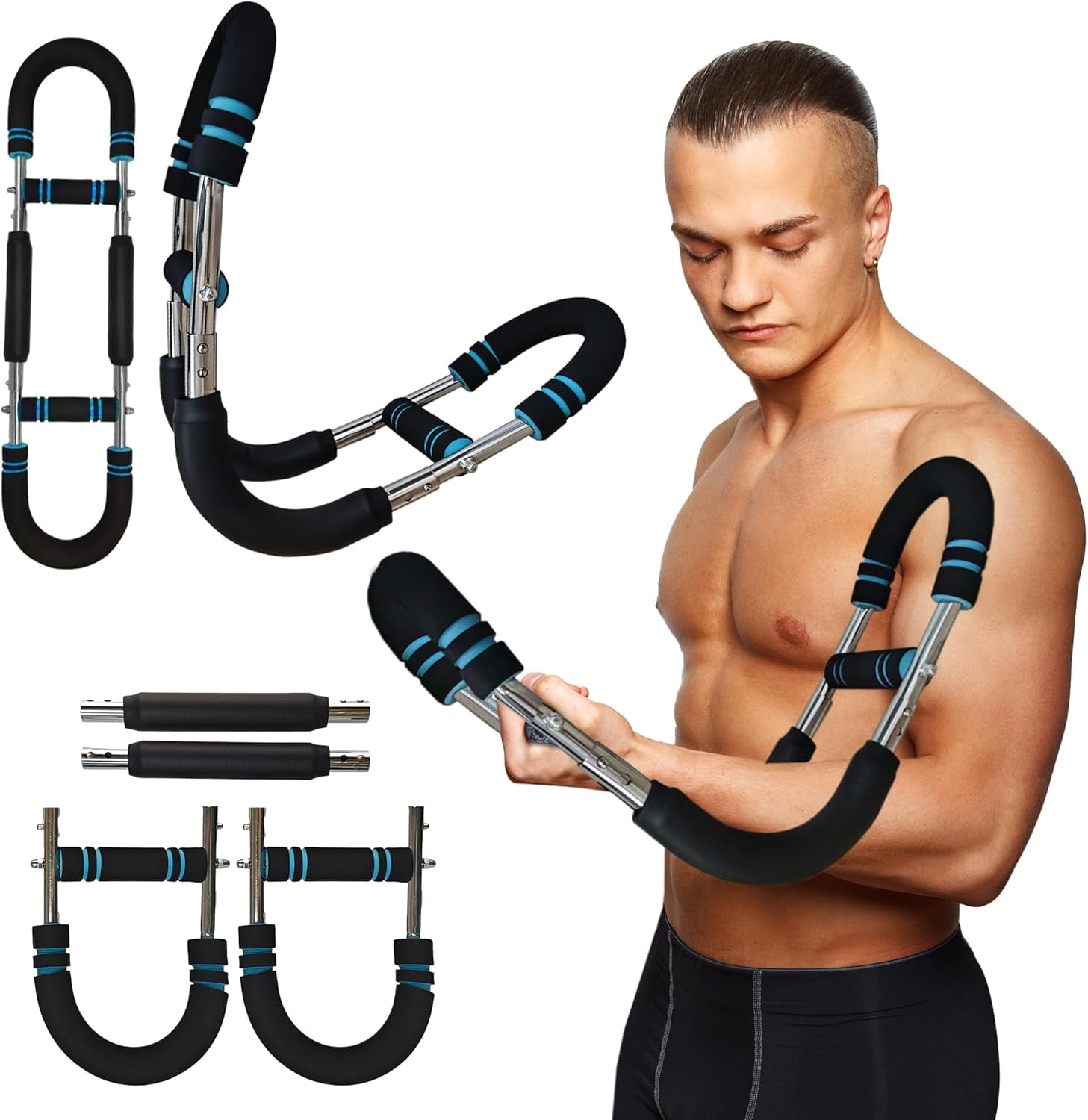
Credit: www.walmart.com
Benefits Of Wrist-specific Equipment
Wrist-specific gym equipment helps strengthen wrist muscles and improve flexibility. It reduces injury risk during workouts and supports better grip control. Using these tools enhances overall wrist health and workout performance.
In today’s fitness world, wrist-specific gym equipment is gaining popularity due to its targeted benefits. Whether you’re a seasoned athlete or a fitness newbie, focusing on wrist health can significantly enhance your workout experience. Wrist-specific equipment not only aids in injury prevention but also boosts performance and flexibility, offering a comprehensive approach to strengthening this crucial part of your body.Injury Prevention
Using wrist-specific equipment can be a game-changer in avoiding injuries. These tools help you maintain proper form and alignment, reducing the risk of strains and sprains. Imagine avoiding those dreaded wrist braces simply by incorporating the right exercises into your routine. Many find that strengthening the wrists with dedicated equipment leads to fewer interruptions in their fitness journey due to injuries.Improved Performance
Who doesn’t want to see better results from their workouts? Wrist equipment can enhance your performance by increasing grip strength and control. As your wrists get stronger, you’ll notice improvements in exercises like push-ups, bench presses, and even yoga poses. The added stability can help you lift heavier weights or hold positions longer, maximizing your efforts in the gym.Enhanced Flexibility
Flexibility isn’t just for gymnasts and dancers. It’s crucial for everyone, and your wrists are no exception. Wrist-specific equipment can help increase your range of motion, making everyday tasks easier and workouts more effective. Think about the ease of doing overhead movements or complex yoga poses without discomfort. Enhanced flexibility in your wrists can also contribute to better overall joint health, reducing stiffness and promoting longevity in your fitness routine. Considering these benefits, are you ready to give your wrists the attention they deserve? Investing in wrist-specific equipment might just be the boost your fitness routine needs.Top Gym Equipment For Wrist Strength
Strong wrists are essential for many workouts and daily activities. Using the right gym equipment can make a big difference in building wrist strength effectively. Let’s look at some of the top tools you can add to your routine to boost wrist power and stability.
Wrist Rollers
Wrist rollers are simple but powerful devices for wrist training. You hold a bar attached to a rope and weight, then roll the bar to lift the weight up and down. This movement targets your wrist flexors and extensors, improving endurance and control.
Have you noticed how often your wrists fatigue during pull-ups or deadlifts? Adding wrist rollers can help delay that fatigue and improve your grip endurance for longer sessions.
Grip Strengtheners
Grip strengtheners come in various forms, such as spring-loaded hand grippers or adjustable tension tools. They specifically work on your fingers and forearms, which support wrist function.
Using grip strengtheners regularly can help you hold heavier weights with confidence. Try squeezing them during short breaks to make your wrists feel more resilient throughout the day.
Resistance Bands
Resistance bands offer versatile wrist workouts. You can perform wrist curls, extensions, and rotations with controlled tension. Bands allow you to adjust resistance easily, making them suitable for all fitness levels.
Have you tried adding wrist-specific moves with bands to your warm-up? They can increase blood flow and prepare your joints for heavier lifts.
Dumbbells And Barbells
Free weights like dumbbells and barbells are classic tools for wrist strengthening. Exercises such as wrist curls, reverse wrist curls, and farmer’s walks engage your wrists dynamically.
Holding dumbbells during exercises forces your wrists to stabilize your grip and maintain control. This not only builds strength but also improves wrist coordination.
Forearm Blasters
Forearm blasters are specialized equipment designed to isolate wrist and forearm muscles. They often combine grip resistance with wrist movement for a comprehensive workout.
If you want to challenge your wrists beyond basic exercises, forearm blasters can provide targeted intensity. They help break through strength plateaus and improve muscle endurance efficiently.
Choosing The Right Equipment
Choosing the right gym equipment for your wrist can make a significant difference in your workout results and injury prevention. The right tools support your wrist strength and flexibility, ensuring you can push your limits safely. Understanding what fits your needs helps you avoid frustration and keeps your fitness journey on track.
Assessing Your Fitness Level
Start by honestly evaluating your current wrist strength and mobility. Are you a beginner, or do you have experience with wrist exercises? Your fitness level guides you toward equipment that matches your ability without causing strain.
If you’re just starting, lighter resistance or simple wrist rollers can help you build foundational strength. More advanced users might benefit from weighted wrist cuffs or adjustable grip trainers to challenge themselves further.
Adjustable Vs Fixed Resistance
Think about whether you want equipment with adjustable resistance or fixed levels. Adjustable tools let you increase difficulty as your wrists get stronger, offering long-term value.
Fixed resistance gear often suits beginners or those targeting specific strength ranges. However, they might limit progress if you outgrow the set resistance quickly.
- Adjustable resistance is ideal for gradual improvement and varied workouts.
- Fixed resistance is straightforward and usually less expensive.
- Consider how often you want to update or change your equipment.
Material And Durability
The material of your wrist equipment affects comfort and how long it lasts. Look for options with sturdy construction, like reinforced steel or quality plastic, that withstand frequent use.
Comfort also matters—soft grips or padded straps reduce irritation during workouts. Have you ever stopped exercising because your equipment hurt your skin? Choosing the right material prevents this and helps you maintain consistency.
Safe Workout Tips For Wrist Training
Protecting your wrists during workouts is essential for long-term fitness success. Wrist training helps build strength but requires care to avoid pain and injury. Follow these safe workout tips to keep your wrists healthy and strong.
Proper Warm-up Techniques
Start with gentle wrist movements to increase blood flow. Rotate your wrists clockwise and counterclockwise slowly. Stretch your fingers and hands by opening and closing them. Use light weights or resistance bands to prepare your wrist muscles. Spend at least 5 minutes warming up before heavy exercises.
Avoiding Overuse Injuries
Rest your wrists between workout sessions. Avoid repeating the same wrist movements for long periods. Change exercises to work different wrist muscles. Use wrist supports if you feel strain or discomfort. Listen to your body and stop if you feel sharp pain.
Correct Form And Posture
Keep your wrists straight and aligned during exercises. Do not bend or twist your wrists under heavy loads. Hold equipment firmly but avoid gripping too tight. Maintain good posture to reduce wrist stress. Use mirrors or ask for help to check your form regularly.

Credit: www.amazon.ca
Incorporating Wrist Training Into Your Routine
Adding wrist training to your workout routine can boost your overall strength and prevent injuries. Many overlook the wrists, but strong wrists improve grip and support heavier lifts. It’s worth asking yourself how much focus you currently give to wrist health and strength.
Frequency And Duration
Train your wrists 2 to 3 times a week, allowing rest days in between for recovery. Sessions can be brief—around 10 to 15 minutes—focusing on quality over quantity. Consistency is key; even short workouts done regularly build noticeable strength.
Try starting with simple exercises like wrist curls or extensions using light weights or resistance bands. Over time, increase reps or resistance carefully to avoid strain. How often do you currently dedicate time to your wrist strength?
Combining With Other Strength Workouts
Wrist exercises blend well with your existing routine. You can add wrist curls after your main arm or forearm workouts, or include grip-strength moves like farmer’s walks. This approach saves time and ensures your wrists aren’t neglected.
Balance is important—don’t overload your wrists on days when you’re lifting heavy. Instead, focus on controlled, deliberate movements that complement your overall strength training. Have you noticed any wrist fatigue during your regular workouts?
Tracking Progress
Keep a simple log of your wrist exercises, noting weights, reps, and any discomfort. This helps you spot improvements and avoid overtraining. Small gains in wrist flexibility or grip strength can translate into better performance in other lifts.
Consider measuring grip strength with a dynamometer if you want precise tracking. Even without tools, pay attention to how your wrists feel during daily activities and workouts. What changes have you seen in your wrist strength over the past month?
Frequently Asked Questions
What Gym Equipment Strengthens Wrist Muscles Effectively?
Wrist rollers, dumbbells, and resistance bands are ideal for wrist strength. These tools improve grip and flexibility, reducing injury risk. Regular use enhances wrist endurance and stability, benefiting overall workout performance.
How To Choose Wrist-friendly Gym Equipment?
Select equipment that supports natural wrist movement and offers adjustable resistance. Avoid tools causing strain or discomfort. Prioritize ergonomic designs to protect wrist joints during exercises.
Can Wrist Braces Improve Gym Workout Safety?
Yes, wrist braces provide support and reduce stress on joints. They help prevent injuries during heavy lifting or repetitive motions. Wearing braces boosts confidence and maintains proper wrist alignment.
Are Wrist Curls Beneficial For Wrist Health?
Wrist curls target forearm muscles, improving wrist strength and flexibility. They help prevent injuries and enhance grip strength. Incorporate them gradually to avoid overuse and maintain balanced muscle development.
Conclusion
Choosing the right gym equipment protects your wrists during workouts. Strong wrists help improve overall exercise performance. Simple tools like wrist wraps or grips add support and reduce pain. Consistent use of proper gear prevents injuries and speeds recovery. Remember to listen to your body and rest when needed.
Healthy wrists keep you active and fit for longer. Start with safe equipment and build your wrist strength gradually. Your workouts become safer and more effective this way. Keep wrists in mind for a better fitness journey.







