
Are you ready to take charge of your fitness without leaving your home? Setting up your own workout space with the right gym equipment can make all the difference.
But with so many options out there, it’s easy to feel overwhelmed and unsure where to start. What if you could have a simple guide that shows you exactly what you need to build strength, stay motivated, and see real results?
Keep reading, because this article will help you choose the best gym equipment for beginners at home—so you can create a routine that fits your goals and lifestyle perfectly. Your fitness journey starts here.

Credit: www.amazon.ca
Choosing The Right Space
Choosing the right space for your home gym is more important than many beginners realize. The spot you pick affects your motivation, comfort, and safety during workouts. Let’s talk about how to find and prepare that perfect corner in your home for effective exercise sessions.
Assessing Available Room
Start by measuring the space you have available. You don’t need a large area, but enough room to move freely with your equipment and perform exercises without feeling cramped.
Think about the types of workouts you want to do. Will you need space for stretching or yoga mats? Or do you plan on using machines that take up more floor area?
Look for spots with minimal distractions. A quiet corner or a spare room often works well. Have you checked underused spaces like basements or garages?
Ensuring Proper Ventilation
Fresh air is key to staying energized and comfortable during workouts. Avoid spaces that feel stuffy or where air tends to stagnate.
Windows that open or a fan can make a big difference. If your chosen room lacks ventilation, consider adding a portable fan or air purifier to keep the air flowing.
Have you noticed how much easier it is to push through a tough workout in a well-ventilated room? That’s no coincidence.
Setting Up Safety Measures
Safety should never be an afterthought. Check the flooring to ensure it’s stable and non-slip. Adding rubber mats can protect both your floor and your joints.
Keep the area free of clutter to avoid tripping hazards. Store weights and equipment neatly when not in use.
Think about emergency access too. Is the space easy to exit quickly if needed? Planning for safety means fewer interruptions and peace of mind while you train.
Basic Equipment For Full-body Workouts
Creating a home gym doesn’t have to be complicated. With the right basic equipment, you can perform effective full-body workouts. This setup is perfect for beginners who want to start their fitness journey at home. Let’s explore some essential tools you need.
Dumbbells And Kettlebells
Dumbbells are versatile and come in various weights. They help build strength and tone muscles. You can use them for bicep curls, shoulder presses, or lunges. Kettlebells, on the other hand, offer dynamic movement options. They are great for swings and squats, engaging multiple muscle groups.
Resistance Bands
Resistance bands are lightweight and easy to store. They provide different resistance levels for various exercises. Use them for squats, chest presses, or leg lifts. They improve flexibility and strength while reducing the risk of injury.
Adjustable Bench
An adjustable bench adds variety to your workouts. It allows you to perform exercises in different positions. Use it for bench presses or step-ups. It’s also useful for seated exercises and offers stability during workouts.
Cardio Equipment Options
Cardio workouts improve heart health and burn calories effectively. Choosing the right equipment helps beginners stay motivated and consistent. Home cardio machines vary in size, cost, and intensity. Here are some simple options for starting your cardio journey.
Jump Ropes
Jump ropes are affordable and easy to store. They provide a full-body workout in a small space. Beginners can start slowly and build endurance over time. Jumping rope improves coordination and burns a high number of calories quickly. It also boosts agility and balance.
Stationary Bikes
Stationary bikes offer a low-impact cardio option. They protect your joints while giving a solid workout. Most bikes have adjustable resistance for all fitness levels. You can pedal at your own pace and track progress easily. Bikes are quiet and fit well in small rooms.
Treadmills
Treadmills allow walking or running indoors regardless of weather. They come with settings for speed and incline to vary workouts. Beginners can start with walking and increase pace gradually. Treadmills improve endurance and leg strength effectively. Some models fold for easier storage at home.
Tools For Flexibility And Recovery
Flexibility and recovery are key parts of any workout routine. They help reduce soreness and improve movement. Using the right tools at home makes these tasks easier and more effective.
Yoga Mats
A yoga mat provides a soft, stable surface for stretching exercises. It protects your joints from hard floors. Mats also offer good grip to prevent slipping. Choose one that is thick enough for comfort but easy to roll up.
Foam Rollers
Foam rollers help release muscle tightness and improve blood flow. Rolling over sore spots can reduce pain and stiffness. They come in different sizes and textures. Start with a smooth roller for gentle massage.
Stretching Straps
Stretching straps assist in reaching difficult stretches. They increase your range of motion safely. Straps are lightweight and easy to store. Use them to hold stretches longer without strain.
Budget-friendly Equipment Choices
Setting up a home gym doesn’t have to drain your wallet. Choosing budget-friendly equipment is all about smart picks that offer versatility and durability without sacrificing quality. You can build an effective workout space by focusing on tools that serve multiple purposes and exploring creative options outside of traditional gym stores.
Multi-use Tools
Multi-use equipment maximizes your workout variety while saving space and money. Items like adjustable dumbbells, resistance bands, and a sturdy yoga mat can cover strength training, stretching, and cardio workouts.
Adjustable dumbbells replace several sets of weights, letting you increase resistance gradually as you get stronger. Resistance bands come in different tension levels and can mimic nearly every gym machine’s function. Having a few versatile tools means you won’t need to buy a large collection of single-use items.
Second-hand Options
Buying used gym equipment can be a game-changer for your budget. People often sell barely used machines and weights at a fraction of the original price, especially on platforms like Facebook Marketplace, Craigslist, or local thrift stores.
Look for brands and items in good condition, and don’t hesitate to test them before buying. Have you checked your neighborhood online marketplace today? You might find a quality treadmill or a set of kettlebells that fit perfectly into your space and budget.
Diy Alternatives
You can create simple workout tools at home with everyday items. A sturdy chair can double as a step for step-ups or tricep dips, and filled water bottles work as light dumbbells for arm exercises.
Building your own sandbag or using a backpack loaded with books for resistance adds weight for squats or lunges. These DIY options provide a practical way to start strength training without an upfront investment in equipment.
Maintaining And Storing Equipment
Keeping your home gym equipment in good shape is key to a safe and effective workout. Proper maintenance and smart storage not only protect your gear but also save you money over time. Let’s dive into simple ways you can care for your equipment and keep your workout space neat and ready for action.
Cleaning Tips
Regular cleaning prevents sweat and dust from damaging your equipment. Use a soft cloth with mild soap and water to wipe down surfaces after each use. Avoid harsh chemicals that can wear out materials or cause irritation to your skin.
Don’t forget to clean grips, handles, and touchpoints where bacteria can build up. A small spray bottle with a mixture of water and vinegar works wonders as a natural disinfectant. Have you noticed how much fresher your workout feels when your gear is spotless?
Organizing Your Gym Space
Designate specific spots for each piece of equipment to avoid clutter. Use wall hooks or racks for resistance bands and jump ropes to save floor space. Stacking weights on a stand keeps them accessible and prevents tripping hazards.
Consider clear storage bins for smaller items like gloves and towels. A tidy gym space can boost your motivation. How does your current setup inspire you to move more?
Extending Equipment Lifespan
Protect your gear by storing it away from direct sunlight and moisture. Temperature fluctuations can cause materials to crack or rust. Check bolts and screws regularly and tighten them to keep everything stable and safe.
Rotate your equipment use to avoid overworking a single item. For example, switch between dumbbells and resistance bands on different days. Little actions like these can keep your gear working like new for years.
Tracking Progress At Home
Tracking progress at home helps keep motivation high and results clear. It shows small wins and areas to improve. This makes workouts more effective and enjoyable. Using simple tools and habits makes tracking easy for beginners. It creates a clear path toward fitness goals.
Using Fitness Apps
Fitness apps offer easy ways to track workouts and body changes. Many apps record exercises, reps, and time spent. Some apps use reminders to keep users consistent. They also show charts and graphs to visualize progress. Choose an app that fits your needs and skill level.
Setting Realistic Goals
Realistic goals keep motivation steady and avoid frustration. Break big goals into small, clear steps. For example, aim to add five more push-ups each week. Write down goals and review them often. Adjust goals based on progress and how your body feels.
Monitoring Strength And Endurance
Track strength by noting the weight or reps in exercises. Record endurance by timing how long you can keep moving. Use a notebook or app to log this data regularly. Compare current results with past ones to see growth. This shows how workouts improve your body over time.

Credit: www.amazon.ca
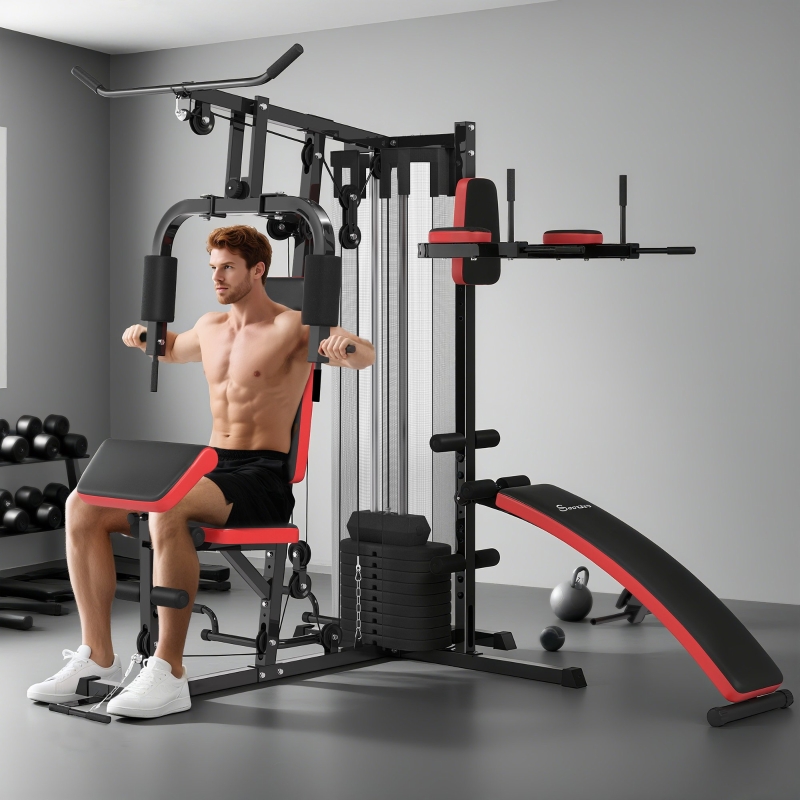
Credit: www.aosom.ca
Frequently Asked Questions
What Are The Best Gym Equipment For Beginners At Home?
The best gym equipment for beginners includes resistance bands, dumbbells, a yoga mat, and a stability ball. These items are affordable, space-saving, and versatile. They help build strength, flexibility, and balance safely at home without overwhelming a new exerciser.
How Much Space Do Beginner Gym Equipment Need?
Beginner gym equipment typically requires minimal space, often a small corner of a room. Items like resistance bands and dumbbells are compact. A yoga mat needs about 6 feet by 2 feet. This setup suits most home environments without major rearrangement.
Can Beginners Get Fit Using Home Gym Equipment?
Yes, beginners can effectively get fit using home gym equipment. Consistent workouts with basic gear improve strength, endurance, and flexibility. Home workouts save time and allow personalized routines. Proper guidance and gradual progression ensure safety and results.
What Is The Cost Of Starting Home Gym Equipment?
Starting home gym equipment can cost between $50 and $300. Basic items like resistance bands and dumbbells are affordable. Investing in quality gear prevents frequent replacements. Budget-friendly options exist that still support effective beginner workouts.
Conclusion
Starting a home gym is simpler than you think. Choose basic equipment that fits your space and goals. Small investments bring big health benefits. Regular workouts build strength and boost energy. Stay consistent and enjoy your fitness journey at home.
Remember, progress takes time and patience. Keep moving forward, one step at a time. Your body and mind will thank you.







