
If you struggle with back pain, finding the right gym equipment can make a huge difference in your comfort and recovery. You might worry about making your pain worse or not knowing which machines actually help.
What if you could use gym tools designed to support your back, strengthen muscles, and ease discomfort? This guide will show you exactly what equipment to choose and how to use it safely. Keep reading to discover simple, effective ways to protect your back while staying active.
Your pain doesn’t have to hold you back anymore.
Credit: gmwdfitness.com
Causes Of Back Pain
Back pain can hit anyone, and understanding its causes is key to managing it effectively. Knowing what triggers your discomfort can help you choose the right gym equipment to support your recovery and prevent further injury. Let’s break down the common reasons behind back pain so you can make smarter choices for your health.
Poor Posture
Slouching or hunching over, especially during workouts or daily activities, strains your back muscles. This strain builds up over time, leading to pain and stiffness. Have you ever noticed your back hurting after sitting at a desk for hours? That’s poor posture at work or home contributing to your pain.
Muscle Imbalance
When some muscles are stronger than others, your body compensates in unhealthy ways. Weak core muscles paired with tight lower back muscles often cause discomfort. You might feel pain after lifting weights incorrectly or skipping exercises that strengthen your abs.
Injury Or Overuse
Sudden movements or repetitive motions can damage muscles, ligaments, or discs in your back. Lifting heavy objects without proper form or doing too many reps can cause this kind of injury. Have you ever pushed through pain only to find it worsening the next day?
Herniated Discs
Discs act as cushions between your vertebrae. When a disc bulges or ruptures, it presses on nerves, causing sharp or shooting pain. This condition can happen from lifting incorrectly or due to age-related wear and tear. Recognizing this can help you avoid exercises that put extra pressure on your spine.
Lack Of Movement
Sitting or standing in one position for too long reduces blood flow and weakens back muscles. This inactivity leads to stiffness and discomfort. If your job keeps you glued to a chair, could this be the root of your back issues?

Credit: valorfitness.com
Benefits Of Gym Equipment For Back Pain
Gym equipment helps strengthen back muscles, reducing pain and improving posture. Using the right machines supports safe and effective exercise for back health. Consistent workouts can increase flexibility and ease discomfort over time.
Experiencing back pain can be incredibly frustrating, especially if you’re trying to maintain an active lifestyle. Luckily, gym equipment designed to alleviate back pain can be a game-changer in your fitness journey. Whether you’re dealing with chronic discomfort or occasional stiffness, the right tools can help you manage and even reduce your pain, allowing you to move more freely and confidently.Improved Posture
Using gym equipment can significantly enhance your posture. Machines like the rowing machine and back extension bench encourage proper spinal alignment. Over time, this can lead to less strain on your back muscles and a reduction in pain.Strengthening Core Muscles
A strong core is essential for supporting your back. Equipment such as stability balls and cable machines can target your abdominal and oblique muscles. As you build core strength, you’ll notice a decrease in back pain and an improvement in your overall stability.Enhanced Flexibility
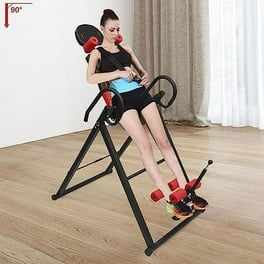
Flexibility is key to reducing back pain. Stretching equipment like foam rollers and inversion tables can help increase your range of motion. You’ll find that a more flexible body often means a less painful back.Low-impact Cardio Options
High-impact exercises can worsen back pain, but gym equipment offers low-impact alternatives. Ellipticals and stationary bikes provide a gentle workout that minimizes stress on your back. This allows you to maintain your cardiovascular health without aggravating your condition.Personalized Workouts
One of the biggest advantages of gym equipment is the ability to tailor workouts to your needs. Adjustable weight machines and resistance bands let you control the intensity of your exercises. This customization ensures that you’re working within your comfort zone while still making progress.Regular Monitoring And Feedback
Many modern gym machines come with feedback systems. Treadmills and exercise bikes often have monitors that track your progress. This feature can help you adjust your workouts based on real-time data, ensuring that you’re not overexerting yourself and risking more pain. Incorporating these tools into your routine can significantly impact your back health. Have you considered which equipment might best suit your needs?Best Machines For Lower Back Relief
Finding the right gym equipment can make a big difference in easing lower back pain. The best machines target the muscles supporting your spine and promote gentle movement without strain. Choosing equipment that fits your needs and comfort level helps you stay consistent and see real relief.
Back Extension Machine
The back extension machine strengthens your lower back muscles by allowing controlled bending and straightening. It helps improve posture and reduce pain by targeting the erector spinae muscles. You can adjust the resistance, making it safe whether you’re just starting or looking for a deeper workout.
Try starting with low resistance and focus on slow, steady movements. Feeling tension in your lower back? That’s a good sign your muscles are working. But always stop if you feel sharp pain.
Recumbent Bike
The recumbent bike offers low-impact cardio while supporting your back with a comfortable seat and backrest. Its design reduces stress on your spine compared to upright bikes. Cycling on this machine increases blood flow to your lower back, which helps reduce stiffness and promote healing.
Use the recumbent bike for 15-20 minutes at a moderate pace to start. Notice how your back feels after a few sessions—does the stiffness lessen? This machine is perfect for building endurance without aggravating your pain.
Elliptical Trainer
The elliptical trainer moves your legs in a smooth, circular motion that mimics walking without the impact. This helps keep your spine stable while strengthening your core and leg muscles. The motion encourages natural movement, which can reduce back pain over time.
Focus on maintaining a straight posture while using the elliptical. Adjust the resistance and incline to challenge yourself gradually. You might find this machine ideal for combining cardio and back strengthening in one workout.
Effective Strength Training Tools
Choosing the right strength training tools can make a big difference if you’re dealing with back pain. The goal is to build muscle without putting too much strain on your spine. Effective equipment should help you improve posture, support your back, and increase stability.
Many people overlook how versatile simple tools can be. I once struggled with lower back discomfort but found relief by focusing on exercises with the right gear. This not only eased pain but made my workouts more enjoyable and efficient.
Resistance Bands
Resistance bands are gentle on your back yet powerful for muscle activation. They allow you to control the tension and range of motion, reducing the risk of injury.
Because they come in different resistance levels, you can start easy and increase the challenge as your strength grows. Bands are great for exercises like seated rows or gentle stretches that target the back muscles without heavy lifting.
Do you have tight spaces at home? Resistance bands are lightweight and portable, making them perfect for quick sessions anywhere.
Free Weights
Dumbbells and kettlebells offer freedom to move naturally, which helps strengthen supporting muscles around your spine. This can improve stability and reduce pain over time.
Start with lighter weights to focus on form and avoid overloading your back. Exercises like deadlifts with kettlebells or bent-over rows with dumbbells can help build strength in your lower and upper back.
Have you noticed how free weights let you adjust your grip and position? This flexibility lets you find the most comfortable way to train your back safely.
Cable Machines
Cable machines provide smooth, controlled resistance that targets specific back muscles effectively. They help maintain good posture during movements, which is key to avoiding strain.
You can adjust the height and angle of the cables to match your body’s needs. Exercises like lat pulldowns or seated cable rows are excellent for strengthening your upper back and improving spinal support.
What if you could train your back with consistent tension throughout the entire movement? Cable machines offer that advantage, making your workouts more efficient and pain-friendly.
Stretching And Mobility Gear
Stretching and mobility gear plays a vital role in easing back pain. These tools help improve flexibility and reduce muscle tension. Regular use supports better movement and posture. They prepare muscles for exercise and speed up recovery. Choosing the right gear can make a big difference in managing discomfort.
Foam Rollers
Foam rollers target tight muscles around the back. They apply pressure to knots and stiff areas. Rolling on these cylinders increases blood flow and relaxes muscles. Foam rollers help reduce soreness after workouts. Using them gently can improve spine mobility and reduce pain.
Stretching Straps
Stretching straps assist with deeper and safer stretches. They extend your reach, especially for hamstrings and lower back. Straps help hold stretches longer without strain. They are ideal for improving flexibility gradually. Using straps regularly can relieve back stiffness and improve posture.
Yoga Mats
Yoga mats provide comfort and stability during floor stretches. They cushion the spine and joints from hard surfaces. Mats create a non-slip base for safe movements. Practicing stretches on a mat supports better alignment. Using a yoga mat makes stretching sessions more effective and comfortable.
Tips For Safe Workouts With Back Pain
Working out with back pain requires extra attention to avoid making the pain worse. You want to strengthen your muscles without causing injury. These tips will help you stay safe and get the most from your gym sessions.
Proper Form And Technique
Maintaining proper form is crucial when you have back pain. Incorrect posture can put extra strain on your spine and muscles. Focus on slow, controlled movements and avoid sudden twists or jerks.
Using mirrors or asking a trainer to check your form can prevent bad habits. For example, when doing deadlifts, keep your back straight and bend at the hips rather than rounding your lower back. This small change makes a big difference in protecting your spine.
Warm-up And Cool-down
Skipping warm-up and cool-down can increase your risk of injury. Start with gentle stretches or light cardio to increase blood flow to your back muscles. This prepares your body for exercise and reduces stiffness.
After your workout, take time to stretch and relax your muscles. This helps prevent soreness and improves flexibility. Even just 5 to 10 minutes can speed up your recovery and keep your back feeling better.
Listening To Your Body
Your body sends signals for a reason—don’t ignore them. If an exercise causes sharp or worsening pain, stop immediately. Distinguishing between discomfort and actual pain is key to safe workouts.
Ask yourself: Is this muscle burning, or is my back spasming? Adjust or skip exercises that trigger pain. Over time, tuning into your body helps you find the right exercises that strengthen your back without harm.
When To Seek Professional Advice
Knowing when to seek professional advice is vital for managing back pain safely. Using gym equipment incorrectly can worsen your condition. Professionals can guide you to avoid mistakes and choose the right exercises. They help tailor workouts to your specific needs and limitations. Early consultation prevents long-term damage and speeds up recovery.
Signs Your Back Pain Needs Medical Attention
- Pain lasts more than a few weeks
- Numbness or weakness in legs
- Severe or sharp pain during exercise
- Loss of bladder or bowel control
- Pain after a fall or injury
Benefits Of Consulting A Physical Therapist
Physical therapists design safe workout plans. They teach correct use of gym equipment. They focus on strengthening muscles that support your back. Therapy can reduce pain and improve mobility. They track your progress and adjust exercises accordingly.
When To Involve A Doctor Or Specialist
See a doctor if pain persists despite exercise changes. Specialists can diagnose underlying issues using scans or tests. They might suggest medication, injections, or surgery if needed. Early diagnosis improves treatment outcomes.
Credit: www.walmart.com
Frequently Asked Questions
What Gym Equipment Helps Relieve Back Pain Effectively?
Using a rowing machine, elliptical trainer, and stability ball can help relieve back pain. These improve flexibility and strengthen core muscles. Strengthening the back reduces strain and supports proper posture, easing pain over time.
Which Gym Machines Are Best For Lower Back Pain?
Elliptical trainers, stationary bikes, and back extension machines target lower back muscles. They provide low-impact exercise, increase blood flow, and enhance muscle strength. This helps reduce stiffness and supports spinal alignment, alleviating lower back discomfort.
Can Resistance Bands Aid In Back Pain Recovery?
Yes, resistance bands improve muscle strength and flexibility without heavy strain. They allow controlled movements that target back muscles safely. Using bands regularly can reduce pain, improve posture, and enhance spinal support during rehabilitation.
How Often Should I Use Gym Equipment For Back Pain?
Use gym equipment 3-4 times a week for 20-30 minutes per session. Consistency is key to strengthening back muscles and reducing pain. Always start slow and increase intensity gradually to avoid injury.
Conclusion
Choosing the right gym equipment helps reduce back pain effectively. Exercises with proper tools strengthen muscles and improve posture. Small steps lead to better back health over time. Stay consistent and listen to your body’s signals. Remember, comfort and safety come first during workouts.
Invest in equipment that supports your needs well. This approach makes exercise easier and less painful. Keep moving and take care of your back daily. Your efforts will bring relief and a stronger body.







