
Is your gym equipment feeling less smooth or safe during workouts? The cable might be the hidden problem.
When cables wear out or break, your exercises can become risky and less effective. But don’t worry—replacing your gym equipment cable is easier than you think. You’ll discover simple steps to spot when it’s time for a replacement, how to choose the right cable, and tips to keep your gear working like new.
Keep reading, and take control of your workout safety and performance today.

Credit: www.amazon.ca
Signs Your Cable Needs Replacement
Knowing when to replace your gym equipment cable keeps workouts safe and smooth. Over time, cables wear out and can cause serious injury or damage. Spotting early signs helps you act before problems grow. Watch for these clear signals that your cable needs replacement.
Visible Wear And Tear
Check the cable closely for frayed strands or broken wires. Look for rust, cracks, or bends along its length. Any damage weakens the cable’s strength and reliability. A worn cable risks snapping during use. Replace it immediately if you see these signs.
Unusual Noises During Use
Listen for grinding, squeaking, or snapping sounds when moving the cable. These noises often mean parts are rubbing or damaged. The cable may not be running smoothly through pulleys or guides. Strange sounds signal that the cable or related parts need inspection or change.
Reduced Smoothness In Movement
Notice if the cable feels sticky or jerky during workouts. It should glide easily without resistance or hesitation. Rough movement can come from fraying, dirt buildup, or stretched cables. Poor cable action affects exercise quality and safety. Replace the cable to restore smooth performance.
Credit: www.staalkabelstunter.com
Choosing The Right Replacement Cable
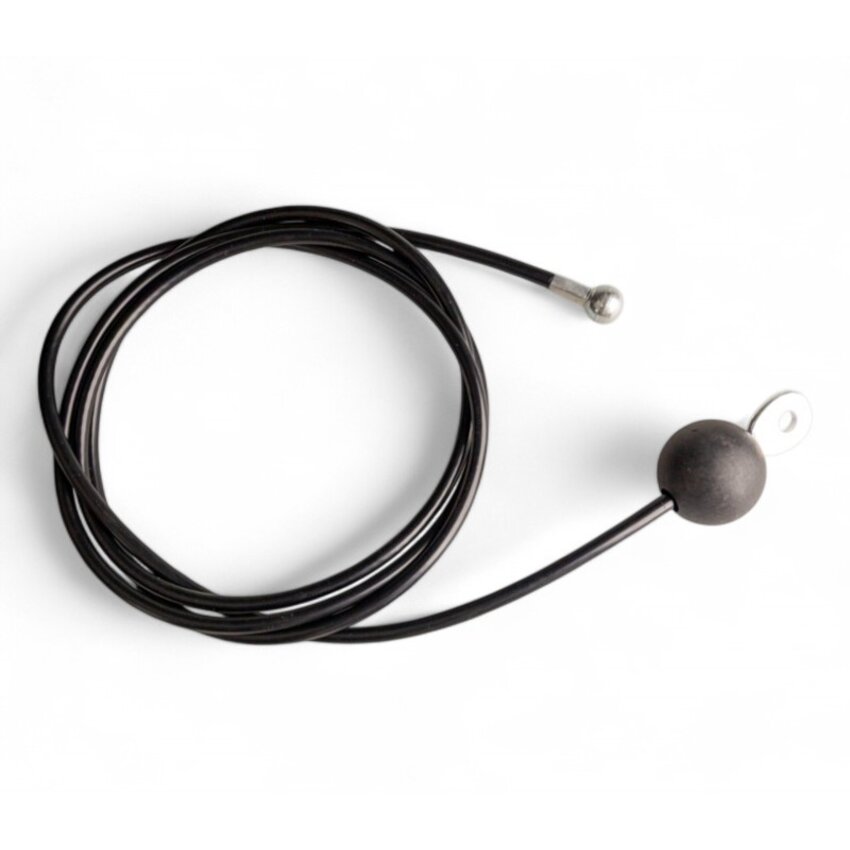
Choosing a replacement cable for gym equipment requires matching the right length and strength. Selecting durable materials ensures safety and smooth workouts. Quality cables help maintain equipment performance and prevent accidents.
Choosing the right replacement cable for your gym equipment can be crucial. A good cable ensures safety and smooth functionality. It’s important to understand the options available. Consider material, length, thickness, and compatibility.Cable Material Options
Selecting the right material is key. Steel cables are durable and strong. They suit heavy-duty machines. Nylon-coated cables offer flexibility. They reduce wear on pulleys. Vinyl-coated options add extra protection. They prevent rust and corrosion.Length And Thickness Considerations
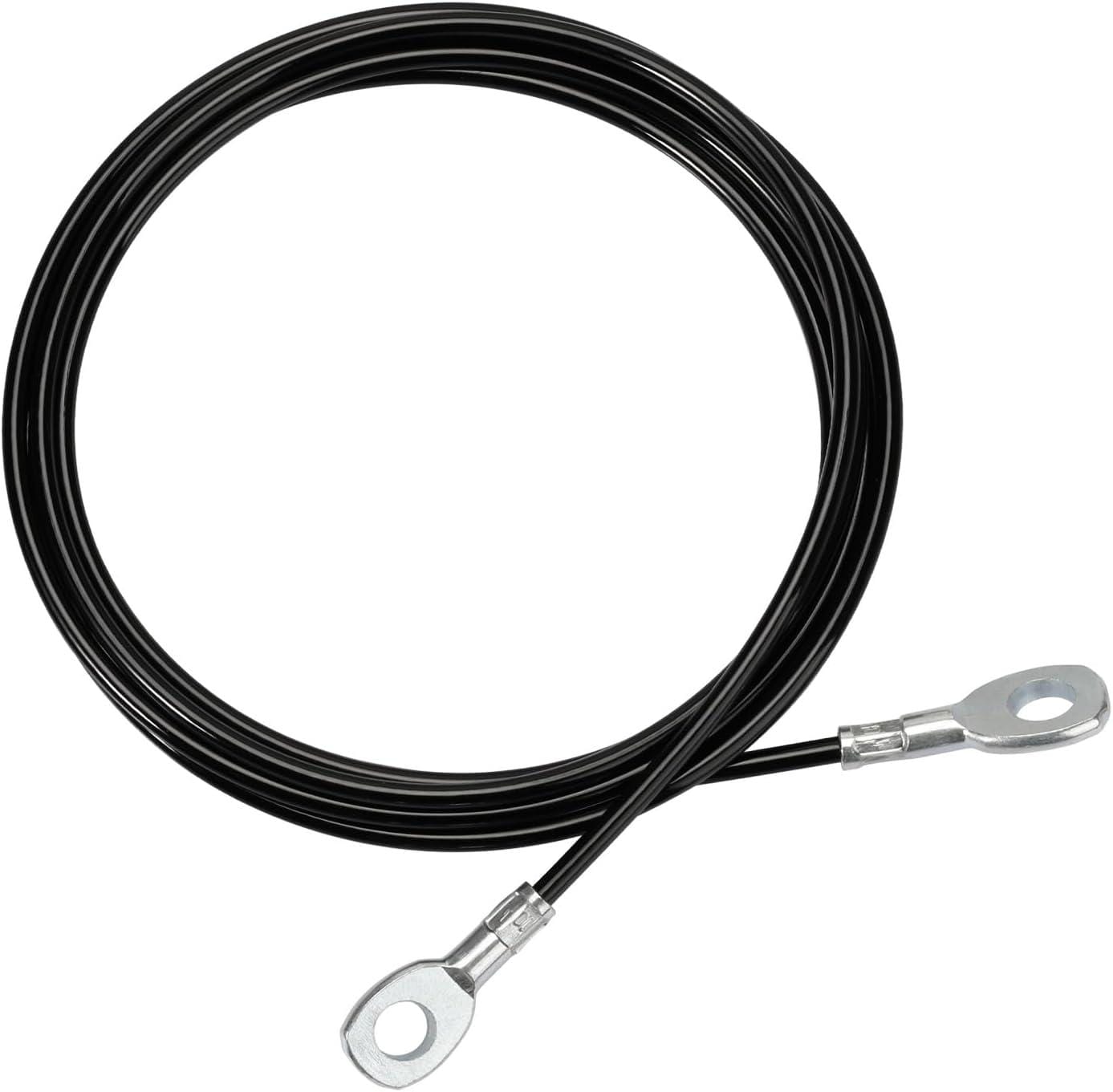
Choose the correct length for your equipment. Measure the old cable first. Ensure the new cable matches it. Thickness affects performance. Thicker cables handle more weight. Thinner cables suit lighter machines. Check your equipment’s specifications.Compatibility With Your Equipment
Ensure the replacement cable fits your machine. Check the manufacturer’s guidelines. Confirm the cable’s end fittings. They must match your equipment. Incompatible cables can cause damage. They may also pose safety risks. Always double-check before purchasing.Tools Required For Cable Replacement
Replacing gym equipment cables requires the right set of tools. Having these tools ready makes the job faster and safer. Proper tools help avoid damage to the machine and ensure smooth cable installation.
Basic Hand Tools
Several hand tools are essential for cable replacement. A good set of wrenches helps loosen and tighten bolts. Screwdrivers, both flathead and Phillips, assist in removing panels and covers. Pliers are useful for gripping and pulling cables. Wire cutters are needed to trim old cables or ends. A socket set helps with nuts and bolts in tight spaces. A measuring tape ensures the new cable fits correctly.
Safety Gear Essentials
Safety gear protects you during the replacement process. Gloves shield your hands from sharp edges and cable ends. Safety glasses prevent debris from entering your eyes. Wearing closed-toe shoes protects feet from heavy parts. Consider long sleeves to avoid scratches. Always work in a well-lit area to reduce accidents.
Step-by-step Cable Replacement Process
Replacing the cable on your gym equipment might seem daunting, but breaking it down into clear, manageable actions makes it much easier. Each part of the process plays a vital role in ensuring your equipment works smoothly and safely. Let’s look at how you can confidently handle the cable replacement yourself.
Preparing The Equipment
Start by unplugging the machine to avoid any accidents. Clear the area around your equipment so you have enough space to work comfortably.
Gather all necessary tools such as screwdrivers, pliers, and the replacement cable. Have the user manual handy; it often provides model-specific advice that can save you time and frustration.
Removing The Old Cable
Locate the cable’s attachment points, usually at the pulley system and the weight stack. Carefully loosen any bolts or screws holding the cable in place.
As you remove the old cable, watch for worn or damaged pulleys that might also need replacing. Removing the cable slowly helps you observe how it’s routed, which is crucial for reinstalling the new one correctly.
Installing The New Cable
Match the new cable length to the old one to avoid slack or tightness. Thread the cable through the pulleys following the exact path of the previous cable.
Secure the cable at attachment points using the hardware removed earlier. Double-check that the cable sits properly in the pulley grooves to prevent premature wear.
Adjusting Tension And Alignment
Tighten the cable just enough to eliminate slack but not so much that it strains the pulleys. Test the movement by slowly running the machine through its full range of motion.
Listen for unusual noises and watch for smooth operation. If the cable slips or rubs against parts, adjust its alignment and tension until the motion feels even and controlled.
Safety Tips During Replacement
Replacing gym equipment cables requires careful attention to safety. Cables are under tension and can cause injury if handled incorrectly. Follow these safety tips to protect yourself and ensure a smooth replacement process.
Avoiding Pinch Points
Pinch points occur where cables and pulleys meet. Keep fingers and hands clear of these tight spaces. Use tools to guide cables instead of your hands. Always be aware of moving parts that can snap back suddenly.
Proper Handling Of Tools
Select the right tools for cable replacement. Use pliers, wrenches, or screwdrivers carefully. Hold tools firmly to prevent slipping. Wear gloves to improve grip and protect skin from sharp edges.
Checking For Secure Connections
After installing the new cable, check all connections twice. Tighten bolts and nuts securely. Test the cable’s tension and movement before using the machine. Loose parts can cause accidents or damage equipment.
Maintaining Cables For Longevity
Maintaining gym equipment cables properly extends their life and ensures safety. Cables endure constant tension and friction. This causes wear and tear over time. Regular care helps prevent sudden breaks and costly replacements.
Regular Inspection Routines
Check cables often for signs of damage. Look for frayed strands, rust, or kinks. Test cable tension by pulling gently. Make sure cables move smoothly without resistance. Replace cables showing wear immediately to avoid accidents.
Lubrication Techniques
Apply light lubricant to cables to reduce friction. Use silicone-based sprays or light machine oil. Avoid heavy grease that attracts dust and dirt. Wipe excess lubricant to keep cables clean. Lubricate cables once a month or more if used heavily.
Storage Recommendations
Store gym equipment in a dry place. Moisture causes rust and weakens cables. Avoid direct sunlight that can degrade cable coatings. Keep cables loose, not tightly wound, to prevent bends. Cover equipment to protect from dust and humidity.
When To Seek Professional Help
Replacing gym equipment cables might seem simple at first. Some situations demand expert skills to avoid damage or injury. Knowing when to seek professional help can save time and ensure safety. It also protects your workout investment from further issues.
Complex Equipment Models
Some gym machines have complicated cable systems. They often include multiple pulleys and tension settings. These models require precise adjustments for smooth operation. Mistakes can cause uneven wear or machine failure. Professionals have the right tools and knowledge. They handle complex setups without risking damage. This ensures your equipment works properly after replacement.
Persistent Issues After Replacement
Replacing a cable does not always fix the problem. Strange noises, stiffness, or slipping may continue. These signs point to hidden issues like worn pulleys or frame misalignment. Professionals can diagnose underlying problems quickly. They offer repairs beyond just cable replacement. This helps avoid repeated breakdowns and costly repairs later.
Credit: www.etsy.com
Frequently Asked Questions
What Tools Are Needed For Gym Cable Replacement?
You need basic tools like screwdrivers, pliers, and wrenches. A cable cutter and lubricant are also helpful. These tools ensure a smooth, safe, and efficient replacement process.
How Often Should Gym Cables Be Replaced?
Replace gym cables every 6-12 months or when frayed. Regular checks prevent accidents and maintain equipment safety and performance. Frequent use demands earlier replacement.
Can I Replace Gym Cables Myself Safely?
Yes, with proper tools and instructions, DIY replacement is safe. Follow manufacturer guidelines carefully and disconnect the machine from power sources. Safety first to avoid injury.
What Are Signs That Gym Cables Need Replacement?
Look for fraying, rust, stiffness, or snapping sounds. These signs indicate wear and potential failure. Replace cables immediately to avoid accidents and maintain smooth machine function.
Conclusion
Replacing gym equipment cables keeps your workouts safe and smooth. Check cables regularly for signs of wear or damage. Use the right tools and follow instructions carefully. A well-maintained cable helps your machine work better and lasts longer. Take time to replace cables when needed.
This small effort protects you from injury. Keep your gym equipment in top shape. Enjoy your exercise with confidence and ease.







