
Are you ready to get the most out of your workout? Knowing how to use gym equipment correctly can make all the difference in reaching your fitness goals faster and safer.
Whether you’re new to the gym or want to improve your routine, this guide will show you exactly how to use popular machines and tools. By mastering these tips, you’ll avoid common mistakes, prevent injuries, and see real progress. Keep reading to unlock the full potential of your gym sessions!

Credit: backmusclesolutions.com
Popular Gym Equipment
Gyms offer a wide range of equipment to suit different fitness goals. Popular gym equipment helps improve strength, endurance, and flexibility. Understanding the main types of machines and tools makes workouts more effective and safe.
Cardio Machines
Cardio machines boost heart rate and burn calories fast. Treadmills let you walk, jog, or run indoors. Ellipticals provide low-impact full-body workouts. Stationary bikes strengthen legs and improve stamina. Rowing machines engage both upper and lower body muscles. These machines often have settings for speed and resistance. Use them to warm up or for long cardio sessions.
Strength Training Machines
Strength machines target specific muscles with guided motion. They help beginners learn proper form and avoid injury. Common types include leg press, chest press, and lat pulldown machines. Adjustable weights allow gradual strength increase. Sit or stand according to the machine design. Focus on controlled movements and steady breathing. These machines build muscle safely and efficiently.
Free Weights
Free weights include dumbbells, barbells, and kettlebells. They require balance and coordination, engaging more muscles. Use dumbbells for curls, presses, and rows. Barbells work well for squats, deadlifts, and bench presses. Kettlebells add dynamic movements like swings and snatches. Always start with lighter weights to learn proper technique. Free weights offer versatile and effective strength training.
Functional Training Tools
Functional tools improve real-life movements and overall fitness. Medicine balls enhance core strength and power. Resistance bands provide variable tension for strength and flexibility. Stability balls improve balance and engage deep muscles. TRX suspension trainers use body weight for full-body workouts. These tools add variety and challenge to any routine. They support injury prevention and better daily function.
Cardio Machines Explained
Cardio machines are a staple in gyms worldwide, offering a range of benefits from burning calories to improving cardiovascular health. Yet, understanding how to effectively use each machine can be a game-changer in reaching your fitness goals. Whether you’re a gym newbie or a seasoned athlete, mastering these machines can make your workouts more efficient and enjoyable.
Treadmills
Treadmills are often the first go-to for cardio enthusiasts. They simulate walking, jogging, or running, allowing you to control speed and incline. Start with a brisk walk to warm up. Gradually increase the speed to suit your fitness level. Consider adding intervals by alternating between walking and running to boost your calorie burn.
Ellipticals
Ellipticals provide a low-impact workout, ideal for those with joint concerns. They mimic stair climbing or walking with less stress on your knees and hips. Adjust the resistance and incline to challenge yourself. Engage both your arms and legs for a full-body workout.
Stationary Bikes
Stationary bikes are perfect for those looking to strengthen their legs while getting an aerobic workout. Choose between upright and recumbent styles based on comfort and fitness goals. Adjust the seat height so your knees are slightly bent at the bottom of the pedal stroke. Experiment with different resistance levels to simulate various terrains.
Rowing Machines
Rowing machines offer a comprehensive workout, engaging both your upper and lower body. Focus on your form: push with your legs, lean back slightly, then pull with your arms. This sequence maximizes efficiency and prevents injury. Try interval training by alternating between high-intensity rowing and slower recovery periods.
Have you tried mixing up your cardio routine lately? Exploring different machines can keep your workouts exciting and your body guessing.
Strength Machines Basics
Strength machines are a great way to build muscle safely and effectively. They guide your movements and help you focus on specific muscle groups without needing a spotter. If you’re new to the gym or want to target muscles precisely, these machines can be your best friends.
Leg Press
The leg press machine targets your quads, hamstrings, and glutes. Sit down with your back against the pad and place your feet shoulder-width apart on the platform. Push the platform away by extending your legs, but avoid locking your knees at the top.
Control is key here. Lower the platform slowly to feel the muscles working and protect your joints. Think about your legs doing the work, not your lower back. Have you ever noticed how pressing through your heels activates your glutes more?
Chest Press
The chest press machine works your chest, shoulders, and triceps. Adjust the seat so the handles line up with your chest. Grab the handles and push forward until your arms are almost straight, then slowly return.
Keep your shoulders down and avoid arching your back. This machine is perfect if you want to build upper body strength without balancing free weights. When you push, imagine driving the movement from your chest, not your arms alone.
Lat Pulldown
This machine targets your back, especially the latissimus dorsi muscles. Sit down and grip the bar wider than shoulder-width. Pull the bar down towards your chest while squeezing your shoulder blades together, then slowly release.
Focus on engaging your back muscles rather than pulling with your arms. If you feel strain in your neck, adjust your form. Have you tried varying your grip width to hit different parts of your back?
Cable Machines
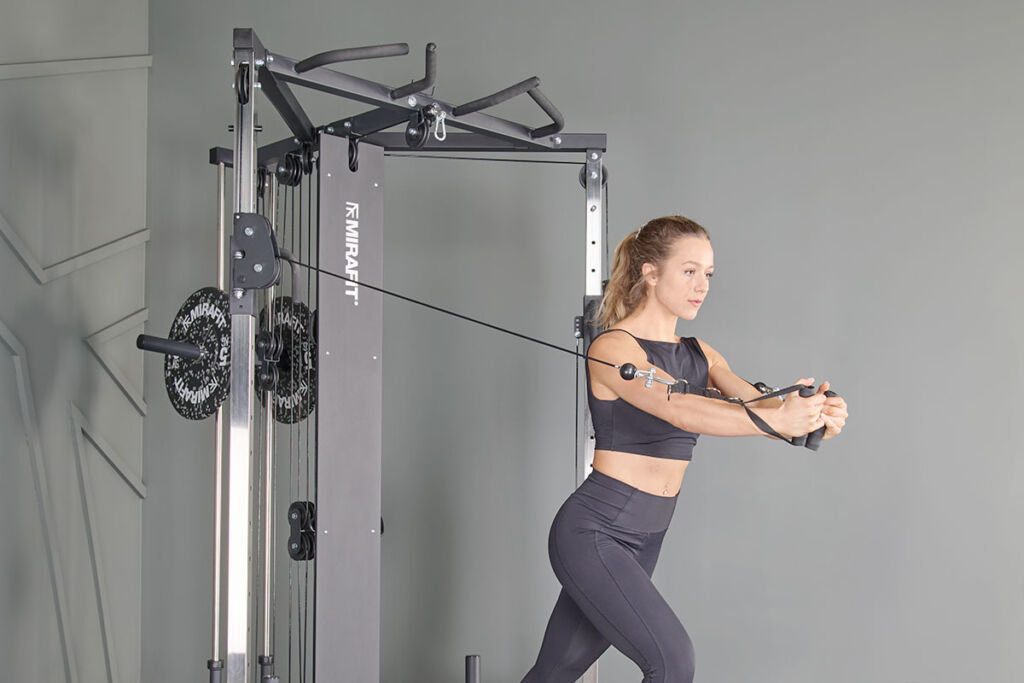
Cable machines offer versatile workouts for many muscle groups. You can adjust the pulleys to different heights and attach various handles. This variety lets you perform exercises like rows, curls, and tricep pushdowns.
Start with a manageable weight and focus on smooth, controlled movements. The cables keep tension on your muscles throughout the exercise, which can boost muscle activation. What new exercise can you try today using the cable machine?
Free Weights Techniques
Free weights offer a versatile way to build strength and improve muscle tone. Mastering the right techniques not only boosts your results but also keeps you safe. Let’s break down how to use some of the most popular free weights effectively.
Dumbbells
Dumbbells are great for targeting specific muscles and improving balance. Start with a weight you can control easily, especially if you’re new. Try exercises like bicep curls, shoulder presses, and lunges to engage different muscle groups.
Focus on slow, controlled movements rather than lifting heavy quickly. This approach helps you work the muscles more efficiently and reduces injury risk. Have you noticed how using dumbbells can challenge your coordination compared to machines?
Barbells
Barbells allow you to lift heavier weights and perform compound movements like squats, deadlifts, and bench presses. These exercises engage multiple muscle groups at once, saving time and increasing strength.
Pay close attention to your form—keep your back straight and core tight during lifts. If you’ve ever felt strain in your lower back while lifting, it’s a sign to adjust your posture or reduce weight. Don’t rush; perfect your technique before adding more weight.
Kettlebells
Kettlebells offer dynamic movement options that improve strength, endurance, and coordination. Swings, snatches, and Turkish get-ups are popular kettlebell exercises that engage your whole body.
Because kettlebells move differently from dumbbells or barbells, it’s crucial to learn the right swing technique. Start with lighter weights and focus on using your hips to generate power, not just your arms. Have you tried a kettlebell workout that left you feeling both strong and energized?
Safety Tips
- Warm upbefore lifting to prepare your muscles and joints.
- Start lightand gradually increase weight as your strength improves.
- Maintain proper formto avoid injuries—don’t sacrifice technique for heavier weights.
- Use a spotterduring heavy lifts to assist if needed.
- Listen to your bodyand stop if you feel sharp pain or discomfort.
What safety habits do you follow when lifting free weights? Sharing your experience could help others train smarter and safer.
Functional Training Gear
Functional training gear helps improve strength, balance, and coordination. It mimics real-life movements for better fitness. These tools make workouts dynamic and effective. Using them regularly builds muscle and improves endurance.
Medicine Balls
Medicine balls are weighted balls used for strength and power. Throw, catch, or slam the ball to work muscles. They help improve core strength and hand-eye coordination. Use different weights for varied intensity.
Resistance Bands
Resistance bands provide tension for muscle training. Stretch the bands for exercises that target arms, legs, and chest. They are light and portable, perfect for workouts anywhere. Resistance levels vary, so choose one that fits your strength.
Balance Trainers
Balance trainers improve stability and core control. Stand, squat, or do push-ups on these unstable surfaces. They engage multiple muscles and help prevent injuries. Use them to enhance coordination and posture.
Battle Ropes
Battle ropes build upper body strength and endurance. Hold the ropes and create waves by moving your arms fast. This high-intensity exercise burns calories and tones muscles. Start with short intervals and increase time gradually.
Getting Started Safely
Starting your workout with gym equipment safely is important. It helps prevent injuries and builds good habits. Taking time to learn key safety steps makes your sessions more effective. Focus on warming up, using the right form, controlling your breath, and avoiding common mistakes. These basics protect your body and improve results.
Warm-up Exercises
Begin each workout with light exercises. Try walking, jogging, or cycling for 5 to 10 minutes. Warm muscles move better and reduce injury risk. Gentle stretches prepare your joints for action. This step increases blood flow and loosens tight areas.
Proper Form
Use correct posture with every exercise. Keep your back straight and core tight. Avoid jerky or fast movements. Move smoothly and control the weight. Proper form targets muscles and stops strain on joints. Ask a trainer to check your technique if unsure.
Breathing Techniques
Breathe deeply and steadily during exercises. Exhale on effort, like lifting or pushing. Inhale while lowering weights or relaxing muscles. Controlled breathing provides oxygen to your body. It helps maintain energy and focus throughout your workout.
Avoiding Common Injuries
- Do not lift weights that feel too heavy.
- Rest between sets to let muscles recover.
- Use machines and equipment as instructed.
- Stop if you feel sharp pain or discomfort.
- Keep your workout space clear and safe.
Taking these precautions lowers injury risk and keeps workouts safe. Respect your body’s limits and progress slowly.
Building A Beginner Routine
Starting a gym routine can feel overwhelming. Choosing the right equipment and exercises matters. Building a beginner routine helps create good habits and steady progress. Focus on simple, balanced workouts that fit your goals. Consistency beats intensity in the early stages. Below are key points to consider while planning your routine.
Setting Goals
Clear goals guide your workout choices. Decide what you want to achieve, like losing weight, gaining strength, or improving endurance. Set small, realistic targets to stay motivated. Write down your goals to track your progress and keep focus.
Mixing Cardio And Strength
Balance cardio and strength training for best results. Cardio exercises like treadmill or cycling improve heart health and burn calories. Strength training with machines or free weights builds muscle and boosts metabolism. Aim for at least two strength sessions and two cardio sessions each week.
Progress Tracking
Track your workouts to see improvement. Note the weight, reps, or time spent on each exercise. Use a notebook or app for easy recording. Tracking helps adjust your routine and stay motivated by showing growth over time.
Rest And Recovery
Rest days are vital for muscle repair and growth. Avoid training the same muscle groups on consecutive days. Sleep well and stay hydrated to support recovery. Listen to your body to prevent injury and burnout.

Credit: www.menshealth.com
Credit: mirafit.co.uk
Frequently Asked Questions
What Gym Equipment Is Best For Beginners?
Beginner-friendly gym equipment includes treadmills, stationary bikes, and resistance bands. These tools build stamina and strength safely. Start with light weights and simple machines to avoid injury. Focus on proper form and gradually increase intensity for effective workouts.
How Do I Use A Treadmill Correctly?
Start by adjusting the speed to a comfortable pace. Maintain good posture and keep your gaze forward. Use the handrails only for balance, not support. Begin with a warm-up walk, then increase speed for running or brisk walking. Cool down gradually to prevent injury.
What Is The Proper Way To Use Free Weights?
Choose a weight that challenges you but allows control. Keep your back straight and core engaged. Perform slow, controlled movements to target muscles effectively. Avoid locking joints and use a full range of motion. Always warm up before lifting free weights.
How Can I Safely Use Weight Machines?
Adjust the seat and settings to fit your body size. Start with a light weight to master the movement. Use slow, controlled motions without jerking. Focus on the targeted muscle group and breathe steadily. Follow machine instructions and ask for help if unsure.
Conclusion
Using gym equipment correctly helps you stay safe and get results. Start with light weights and learn the proper form. Take your time to build strength and confidence. Remember to warm up before and stretch after workouts. Ask a trainer if you feel unsure about any machine.
Consistency and patience bring the best progress. Enjoy your fitness journey and keep moving forward.







