
Imagine easing your lower back pain while building strength and flexibility—all from the comfort of your own home. Sounds amazing, right?
Gym ball lower back exercises might just be the solution you’ve been searching for. These simple yet effective workouts can transform the way your back feels and functions. With just a gym ball, you can unlock a whole new level of wellness.
You might be wondering how a gym ball can make such a difference. Well, you’re about to discover the secrets of these exercises that not only relieve discomfort but also prevent future back issues. Stay with us as we explore how using a gym ball can revolutionize your fitness routine, improve your posture, and enhance your everyday life. You won’t want to miss the tips and tricks that could make all the difference for your lower back health!
Benefits Of Gym Ball For Lower Back
The gym ball is a simple tool that helps improve lower back health. It offers gentle support while making exercises more effective. Using a gym ball can ease back pain and strengthen muscles. It also helps improve posture and balance.
Many people find gym ball exercises easy to do at home. The ball encourages natural movement. This reduces the risk of injury and makes workouts safer. It also makes lower back exercises more engaging.
Improves Core Strength
The gym ball forces the body to balance. This activates core muscles deeply. Strong core muscles support the lower back. They reduce strain and prevent injuries.
Enhances Flexibility
Stretching on the gym ball increases spine flexibility. It helps loosen tight muscles in the lower back. Flexible muscles reduce stiffness and improve mobility.
Supports Proper Posture
Sitting or exercising on the ball encourages a straight spine. This corrects poor posture habits. Good posture reduces pressure on the lower back.
Reduces Lower Back Pain
Gentle movements on the ball ease tension in back muscles. This can lower pain and discomfort. Regular use helps maintain a healthy back.
Boosts Balance And Coordination
The unstable surface of the ball challenges balance. This improves body control and coordination. Better balance helps protect the lower back during daily activities.
Choosing The Right Gym Ball
Choosing the right gym ball is key to doing effective lower back exercises. The correct size and firmness help keep your spine safe. It also makes workouts more comfortable and effective. Picking the wrong ball can cause poor posture or injury.
Determining The Correct Size
The size of the gym ball depends on your height. Using the right size keeps your hips and knees at a 90-degree angle. This position supports good posture during exercises. Here is a simple size guide:
- Under 5 feet: 45 cm ball
- 5 to 5 feet 5 inches: 55 cm ball
- 5 feet 6 inches to 6 feet: 65 cm ball
- Over 6 feet: 75 cm ball
Checking The Ball’s Firmness
A gym ball should feel firm but slightly soft. Press the ball with your hand. It should give a little but not lose shape. Over-inflated balls can be hard and unsafe. Under-inflated balls reduce support and control.
Material Quality And Durability
Choose a ball made from burst-resistant material. This type prevents sudden popping. Look for non-toxic, anti-slip surfaces. These features improve safety and grip. A quality ball lasts longer and feels better during workouts.
Preparation Tips Before Exercises
Getting ready before you start gym ball lower back exercises is key to maximizing benefits and avoiding injury. Proper preparation sets your body up for success and helps you focus on the right muscles. It’s not just about warming up; it’s about tuning into how your body feels and aligning your mindset with your workout goals.
Assess Your Current Mobility And Pain Levels
Before you pick up the gym ball, check how your lower back feels. Are there any aches or stiffness? Moving gently through a few stretches or light movements can reveal tight spots or areas that need extra care.
Understanding your limits helps you choose the right exercises and avoid pushing too hard. Have you noticed any movements that trigger discomfort? This insight guides you to modify exercises and protect your back.
Choose The Right Gym Ball Size And Quality
Not all gym balls are created equal. Selecting the correct size based on your height makes a huge difference in your balance and control. For example, if you’re around 5’6”, a 65 cm ball usually works well.
Check the ball’s firmness and surface texture. A ball that is too soft can throw off your stability, while a slippery surface can make exercises risky. Have you tested the ball’s bounce and grip before starting?
Prepare Your Exercise Space
Clear a safe area where you have room to move freely. Avoid slippery floors or clutter that could cause accidents. Adding a yoga mat or cushioned surface underneath can provide extra support and comfort.
Think about your workout environment. Is the lighting good? Is there enough ventilation? These small details impact your focus and endurance during the session.
Wear Comfortable And Supportive Clothing
Choose clothes that allow free movement but also provide support where needed. Tight or restrictive clothing can limit your range of motion and distract you.
Footwear matters too. Some prefer barefoot for better grip on the ball, while others opt for shoes with good traction. What feels most stable for you?

Credit: www.youtube.com
Basic Gym Ball Lower Back Moves
Using a gym ball for lower back exercises can bring you significant relief and strength without the strain of traditional floor workouts. These basic moves help you engage your core and back muscles gently while improving balance and stability. They’re easy to try at home and require minimal equipment, making them perfect for anyone wanting to support their lower back health.
Pelvic Tilts On The Ball
Pelvic tilts on the gym ball are a simple yet powerful way to activate your lower back and core muscles. Sit on the ball with your feet flat on the floor and gently rock your pelvis forward and backward.
This movement encourages flexibility and helps reduce stiffness in your lower back. You might notice increased ease in your daily movements after a few sessions. Try to keep your movements slow and controlled—have you felt how small shifts can make a big difference?
Back Extensions
Back extensions on the gym ball target the muscles along your spine, improving posture and reducing lower back discomfort. Lie face down on the ball with your hips supported and feet touching the ground for balance.
Slowly lift your chest away from the ball while squeezing your shoulder blades together. This controlled lift strengthens your spinal muscles and can enhance your overall back endurance. How often do you pay attention to the strength of these muscles?
Seated Ball Marches
Seated ball marches challenge your stability while engaging your lower back and core. Sit upright on the ball with your feet flat and hands resting lightly on your thighs.
- Lift one foot off the ground, bringing your knee toward your chest.
- Lower it back down and repeat with the other leg.
This exercise improves coordination and balance, making everyday activities easier. Does maintaining balance on the ball make you more aware of your posture?
Advanced Exercises For Strengthening
Ready to take your lower back strength to the next level? These advanced gym ball exercises challenge your stability and engage deep muscles that simple moves often miss. You’ll build resilience and improve posture by pushing your limits safely.
Bridge With Ball Support
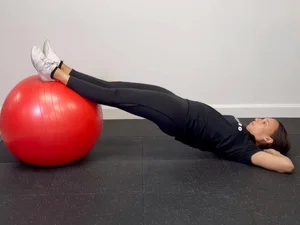
Start lying on your back with your feet resting on the gym ball. Press your hips upward to form a straight line from shoulders to knees. This move forces your lower back and glutes to work harder to maintain balance on the unstable surface.
Hold the bridge for 20-30 seconds, then slowly lower down. Feel how your core and lower back engage to stabilize your body? This exercise strengthens those muscles while improving your control and coordination.
Ball Rollouts
Get into a kneeling position with your forearms on the gym ball. Slowly roll the ball forward, extending your arms and stretching your lower back. Keep your core tight to stop your hips from sagging.
Roll out as far as you can without losing control, then pull the ball back toward your knees. This move tests your lower back endurance and challenges your ability to resist gravity’s pull. How far can you go before your muscles beg for a break?
Superman On The Ball
Lie face down on the ball with your stomach supported and your hands and feet touching the floor. Lift your arms, chest, and legs simultaneously, mimicking a flying Superman pose. Hold for a few seconds, then lower gently.
This exercise targets your entire posterior chain, especially the lower back muscles. Balancing on the ball adds an extra layer of difficulty, forcing your stabilizers to kick in. Feel the difference when your back muscles work together to keep you steady?
Stretches Using The Gym Ball
Stretches using the gym ball target your lower back with gentle support, allowing you to ease tension and improve flexibility safely. These stretches help release tight muscles and encourage better posture without putting strain on your spine. Adding a gym ball to your routine can make these movements more effective and comfortable.
Child’s Pose With Ball
This stretch helps relax your lower back while gently lengthening your spine. Kneel on the floor and place the gym ball in front of you. Slowly lean forward, resting your chest on the ball and extending your arms out.
Feel the gentle stretch as the ball supports your weight, reducing pressure on your back. Hold this position for 20 to 30 seconds and breathe deeply. You’ll notice your muscles soften, making it easier to continue your workout or unwind after a long day.
Spinal Twists
Spinal twists improve mobility in your lower back and release built-up tension. Sit on the gym ball with your feet flat on the ground, hip-width apart. Slowly rotate your upper body to one side, keeping your hips stable on the ball.
Hold the twist for 15 seconds, then switch sides. This movement can feel surprisingly freeing, especially if you spend much of your day sitting still. It’s a simple way to boost your spinal health and reduce stiffness.
Hamstring Stretch
Stretching your hamstrings can relieve stress on your lower back by improving your overall posture. Sit on the gym ball and extend one leg straight out in front of you, keeping the other foot flat on the ground. Slowly lean forward over your extended leg, reaching toward your toes.
Maintain a straight back as you stretch to avoid rounding your spine. Hold for 20 seconds and switch legs. You might be surprised at how this stretch loosens your lower back by targeting the muscles behind your thighs.
Common Mistakes To Avoid
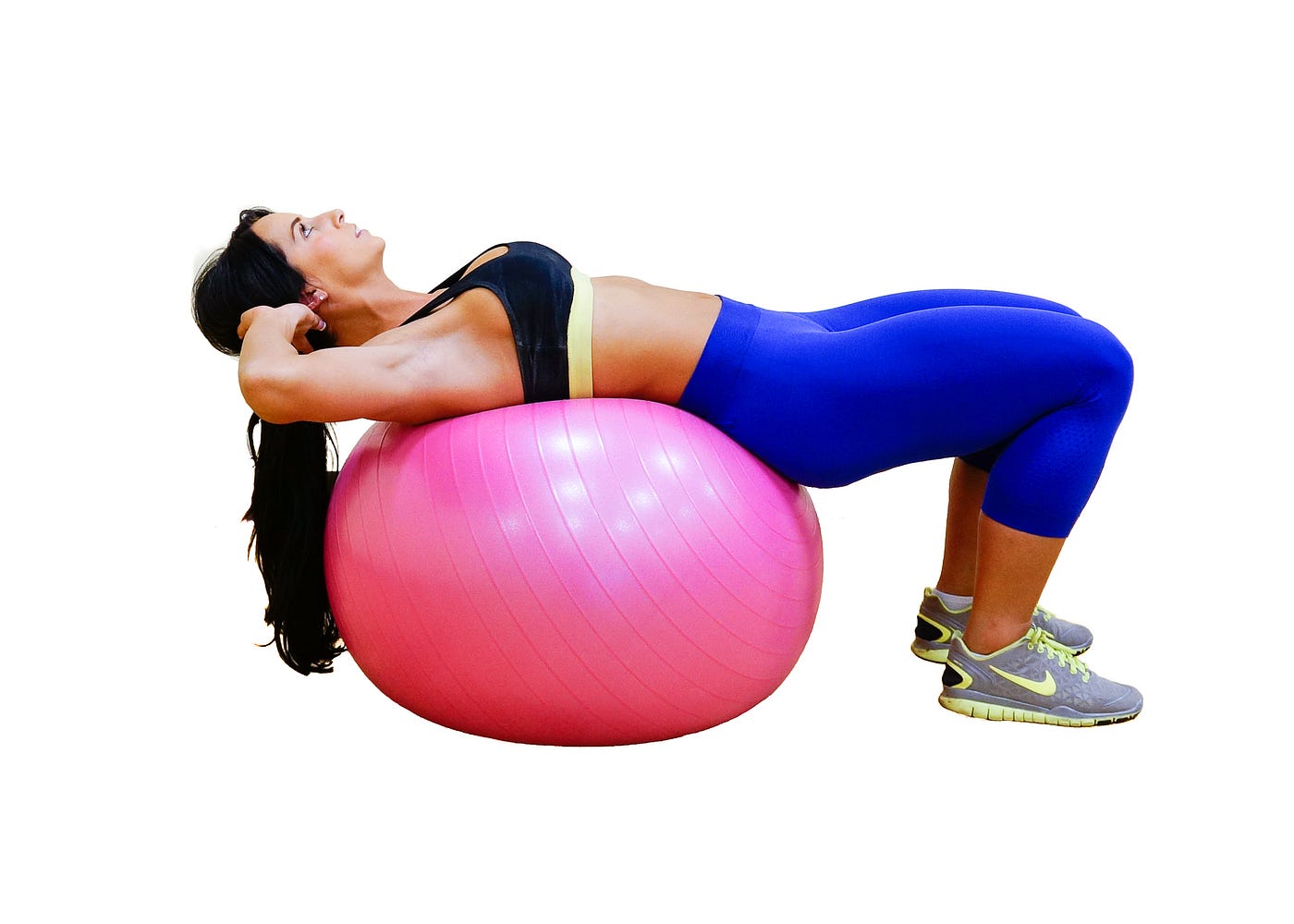
Using a gym ball for lower back exercises can boost strength and flexibility. Avoid common mistakes to get the best results and prevent injury. Many people make errors that reduce exercise effectiveness or cause strain. Keep these points in mind to stay safe and improve your workout.
Incorrect Ball Size
Choosing the wrong ball size affects your posture and balance. A ball too large or small changes your spine alignment. Sit on the ball with your feet flat on the floor. Your knees should be at a 90-degree angle. This ensures proper support and muscle engagement.
Arching The Lower Back
Arching your lower back puts unnecessary stress on the spine. Keep your back neutral and engage your core muscles. Avoid pushing your hips too far forward or back. A straight, stable spine helps protect your back during exercises.
Using Fast, Jerky Movements
Fast or jerky motions reduce the exercise benefits and increase injury risk. Move slowly and with control to engage muscles fully. Focus on smooth, steady movements to strengthen your lower back safely.
Neglecting Core Engagement
Not tightening your core weakens your support system. Engage your abdominal muscles throughout each exercise. This helps stabilize your spine and improves balance on the gym ball.
Holding Your Breath
Holding your breath increases tension and fatigue. Breathe deeply and evenly during exercises. Proper breathing improves oxygen flow and muscle performance.
Overextending Range Of Motion
Going beyond your natural range of motion risks strain or injury. Work within a comfortable range and increase slowly over time. Respect your body’s limits for safe progress.
Credit: medium.com
Tips For Consistent Pain Relief
Consistent pain relief from lower back exercises with a gym ball requires smart habits. Regular practice helps the muscles stay strong and flexible. It also prevents stiffness and reduces discomfort over time. Small changes in routine can make a big difference for lasting relief.
Focus on proper form during each exercise. This protects your spine and avoids extra strain. Pay attention to how your body feels and adjust as needed. Avoid pushing through sharp pain. Gentle, steady movements work best for healing.
Maintain A Steady Routine
Set a schedule for your gym ball exercises. Consistency builds muscle memory and strength. Even short sessions done daily improve back health. Skipping days can slow progress and cause stiffness.
Use The Right Gym Ball Size
Choose a gym ball that fits your height. Your knees should be at a right angle when sitting on the ball. The right size ensures better balance and support during exercises. This reduces risk of injury and improves effectiveness.
Warm Up Before Exercises
Start with light stretching or walking. Warming up prepares your muscles and joints. It lowers the chance of strains during gym ball exercises. Spend 5 minutes to get your body ready.
Focus On Controlled Movements
Move slowly and with control. Avoid fast or jerky motions. Controlled movements engage the right muscles and protect your back. It also improves posture and balance over time.
Listen To Your Body
Stop exercises if you feel sharp pain. Mild discomfort is normal, but pain is a warning. Modify exercises or rest as needed. Consult a healthcare provider if pain persists.
Combine With Good Posture Habits
Practice good posture throughout the day. Sit and stand with your back straight. Avoid slouching or leaning forward. Good posture supports your lower back and enhances exercise benefits.
Credit: www.rehabhero.ca
Frequently Asked Questions
What Are The Best Gym Ball Exercises For Lower Back Pain?
Effective gym ball exercises for lower back pain include pelvic tilts, bridges, and back extensions. These moves strengthen core and lower back muscles, improve posture, and reduce pain. Always perform exercises slowly and with control to avoid injury and maximize benefits.
How Does A Gym Ball Improve Lower Back Strength?
A gym ball challenges stability, engaging deep core and lower back muscles. This increased activation helps build strength and endurance. It also promotes better posture and spinal alignment, reducing the risk of lower back pain and improving overall back health.
Can Gym Ball Exercises Prevent Lower Back Injuries?
Yes, gym ball exercises improve core stability and flexibility, key factors in preventing lower back injuries. Strengthening these muscles supports the spine during daily activities and workouts. Consistent practice helps reduce strain and enhances injury resilience.
How Often Should I Do Gym Ball Lower Back Exercises?
For best results, perform gym ball lower back exercises 2-3 times per week. Allow rest days for muscle recovery. Consistency is crucial to strengthen muscles and reduce pain effectively over time.
Conclusion
Using a gym ball can ease lower back pain and build strength. These exercises help improve posture and reduce stiffness. Consistency matters for seeing real progress in back health. Start slow and focus on control, not speed. Your back will thank you for the care and effort.
Keep moving, stay safe, and enjoy a stronger back over time.







