
Are you tired of dealing with stubborn lower back pain that just won’t go away? What if a simple, affordable tool could help ease your discomfort and strengthen your back at the same time?
Gym ball exercises might be the solution you’ve been searching for. Using a gym ball engages your muscles in a gentle but effective way, helping to improve your posture and reduce pain. Keep reading, and you’ll discover easy moves that fit into your daily routine, designed specifically to support your lower back and bring you lasting relief.
Credit: eliasschools.com
Benefits Of Gym Ball Exercises
Gym ball exercises offer many benefits for people with lower back pain. They help strengthen muscles, improve movement, and reduce pain. Using a gym ball adds gentle support and balance challenges. This makes workouts safe and effective for the lower back area.
Improving Core Strength
The gym ball activates deep core muscles. These muscles support your spine and keep your posture stable. Strong core muscles reduce pressure on the lower back. Exercises on the ball improve balance and muscle control. This helps protect your back from injuries and pain.
Enhancing Flexibility
Stretching on a gym ball gently increases your spine’s range of motion. It loosens tight muscles around the lower back. Improved flexibility helps your body move freely without stiffness. Regular gym ball stretches reduce muscle tension and improve overall comfort.
Reducing Lower Back Strain
The gym ball helps distribute body weight evenly during exercise. It prevents overloading certain muscles and joints. This reduces strain on the lower back area. The ball encourages proper alignment and posture. This lowers the risk of further injury and pain.
Credit: www.everydayyoga.com
Choosing The Right Gym Ball
Choosing the right gym ball is crucial for effectively easing lower back pain. Picking the wrong size or quality can lead to discomfort or even worsen your condition. Let’s break down what you should consider to find the perfect fit for your needs.
Size And Weight Considerations
Your height plays a big role in selecting the right gym ball size. A ball that’s too big or too small can throw off your posture and reduce the benefits of your exercises.
- If you are under 5’0″, a 45 cm ball usually works best.
- For heights between 5’0″ and 5’5″, a 55 cm ball is ideal.
- Those between 5’6″ and 6’0″ should opt for a 65 cm ball.
- If you are over 6’0″, a 75 cm ball provides better support.
Weight capacity is equally important. Most gym balls support up to 250 pounds, but heavier individuals should look for heavy-duty options to avoid bursting during use.
Material And Durability
The material of your gym ball determines its longevity and safety. Look for balls made from burst-resistant, non-toxic PVC. These materials hold up better under pressure and reduce the risk of sudden deflation.
Some brands add anti-slip textures to enhance stability. This feature can be a game-changer if you struggle with balance during your exercises. Have you noticed how a slippery ball affects your confidence during workouts? Choosing a textured surface might just help you stay focused.
Inflation Tips
Proper inflation is key to making your gym ball comfortable and effective. Over-inflated balls become too firm, reducing their ability to support your movements gently.
Under-inflated balls lack stability, which can increase the risk of falls. Aim for a ball that allows you to sit with your hips slightly higher than your knees, creating a natural curve in your lower back.
Using a hand pump with a pressure gauge can make inflation easier and more accurate. Regularly check your ball’s firmness, especially if you use it daily. Small adjustments can make a big difference in how your lower back feels during exercises.
Warm-up Moves With Gym Ball
Warming up before gym ball exercises is key to easing lower back pain. It prepares your muscles and joints for movement. Using a gym ball makes warm-ups gentle and effective. The ball supports your body and helps improve balance.
Start with simple moves to loosen your back and improve blood flow. Focus on slow, controlled motions. This will reduce stiffness and lower the risk of injury.
Gentle Stretches
Use the gym ball to stretch your lower back muscles softly. Sit on the ball and slowly roll forward, letting your spine extend. Hold the stretch for a few seconds. Roll back to the starting position. Repeat a few times.
Try side stretches by leaning your body gently to each side while sitting on the ball. This helps increase flexibility and reduce tightness in your back.
Breathing Techniques
Breathing deeply enhances relaxation during warm-ups. Sit on the gym ball with your feet flat on the floor. Take slow, deep breaths through your nose. Let your belly rise as you inhale. Exhale fully through your mouth. Repeat for several breaths.
Deep breathing supports better oxygen flow to your muscles. It also helps calm your mind and reduce tension in your lower back.
Activating Core Muscles
Engage your core muscles before starting back exercises. Sit tall on the gym ball. Tighten your abdominal muscles gently without holding your breath. Keep your back straight and shoulders relaxed.
Try small pelvic tilts while seated. Tilt your pelvis forward and backward slowly. This activates your lower back and core muscles. Strong core muscles support your spine and reduce back pain.
Effective Gym Ball Exercises
Effective gym ball exercises can significantly ease your lower back pain by improving strength, flexibility, and stability. These moves target key muscles supporting your spine, helping you regain comfort and mobility. You don’t need fancy equipment or hours at the gym—just a simple gym ball and a few minutes a day.
Pelvic Tilts On The Ball
Pelvic tilts on the ball gently engage your lower back and abdominal muscles. Sit on the ball with your feet flat on the floor and slowly tilt your pelvis forward and backward. This controlled movement helps loosen tight muscles and increases spinal flexibility.
Try doing 10 to 15 slow tilts. Notice how your lower back feels after—does it feel looser or more supported? This exercise is a great way to start your routine without strain.
Lower Back Extensions
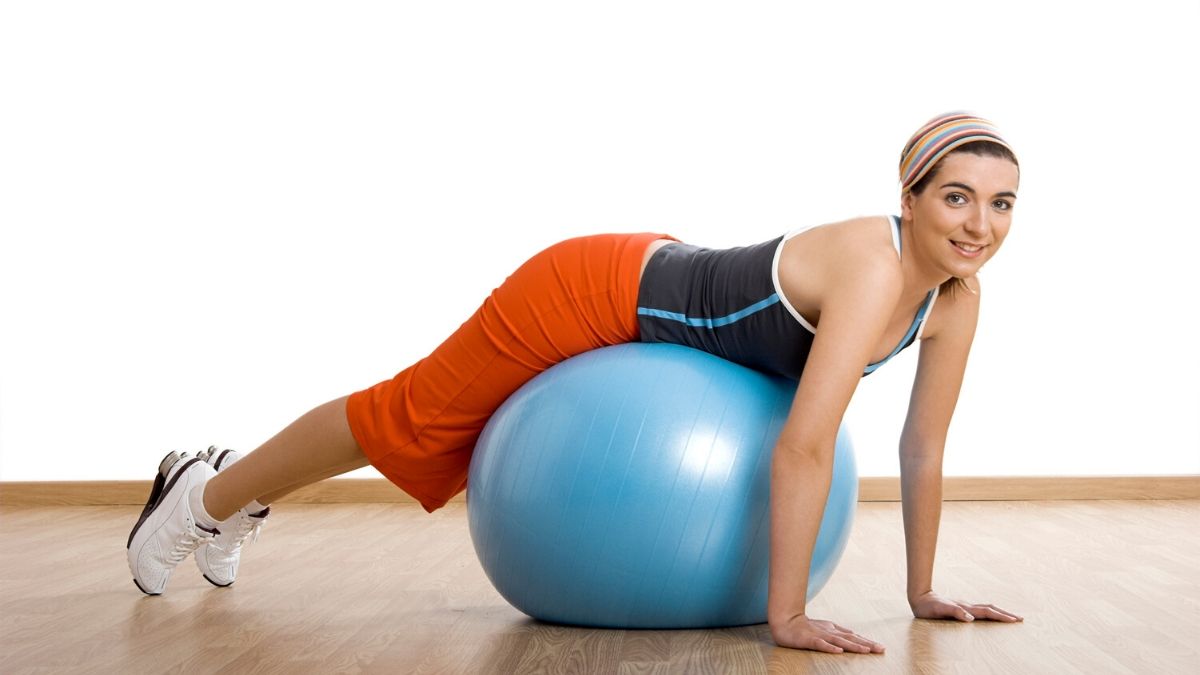
Lower back extensions on the gym ball strengthen your lumbar muscles, which are crucial for posture and pain relief. Lie face down on the ball with your hips centered and feet anchored on the floor. Slowly lift your chest off the ball while keeping your neck neutral.
Hold the position for a few seconds and then lower down. Repeat 10 times, focusing on smooth, controlled movements. This exercise helps build endurance in muscles that often weaken with back pain.
Bridge Pose Variations
The gym ball adds an extra challenge to the classic bridge pose by forcing your core and back muscles to stabilize. Lie on your back with your feet resting on the ball and lift your hips towards the ceiling.
Try holding this position for 15 to 30 seconds. To increase difficulty, you can roll the ball slightly towards you and back while keeping your hips raised. This variation encourages strength and balance simultaneously.
Seated Spinal Twists
Seated spinal twists on the ball improve your spine’s mobility and relieve tension. Sit upright on the ball with your feet firmly on the floor. Slowly twist your upper body to one side, keeping your hips facing forward.
Hold the twist for a few seconds before returning to center and repeating on the other side. Performing this movement regularly can reduce stiffness and improve your ability to move comfortably throughout the day.
Hamstring Curls
Hamstring curls on the gym ball target the back of your thighs and indirectly support your lower back. Lie on your back with your heels on the ball and lift your hips into a bridge position. Slowly roll the ball towards your glutes by bending your knees.
Then extend your legs back out while keeping your hips raised. This controlled motion strengthens the hamstrings and stabilizes your pelvis, which is key to preventing lower back pain from worsening.
Safety Tips During Workouts
Safety is key during gym ball exercises for lower back pain. These tips help protect your body and improve results. Prioritize safety to avoid injury and build strength effectively.
Maintaining Proper Form
Keep your back straight and avoid slouching. Engage your core muscles to support your spine. Use slow, controlled movements to stay balanced on the ball. Check your posture in a mirror or ask for help. Proper form reduces strain and helps the right muscles work.
Avoiding Overexertion
Start with easy exercises and fewer repetitions. Listen to your body and rest if you feel tired. Gradually increase the difficulty and time as you get stronger. Overdoing it can cause pain and delay healing. Balance effort and rest to protect your lower back.
When To Stop
Stop immediately if you feel sharp pain or discomfort. Dizziness, numbness, or weakness are signs to end the workout. Do not push through severe pain; it can worsen injuries. Consult a doctor if pain persists after exercise. Safety means knowing your limits and respecting them.

Credit: www.safetyandhealthmagazine.com
Incorporating Gym Ball Exercises Daily
Adding gym ball exercises to your daily routine can make a real difference in easing lower back pain. These exercises not only strengthen your core but also improve flexibility and posture, which are key to reducing discomfort. The challenge is to stay consistent and blend these movements naturally into your day.
Creating A Routine
Start by setting aside just 10 minutes each day for gym ball exercises. Choose a quiet spot where you won’t be distracted, and pick 3-4 exercises that target your lower back and core. Try to do them at the same time daily—morning or evening works well for many people.
Mix exercises like pelvic tilts, gentle back stretches, and seated ball balance to keep things interesting. You might find that doing these after work helps relieve tension built up during the day. What small time window can you realistically commit to without feeling overwhelmed?
Combining With Other Therapies
Gym ball exercises work best alongside other treatments. Stretching, heat therapy, or even regular walks can complement your efforts and speed up recovery. Physical therapy sessions can also guide you on proper form and progression.
Consider adding deep breathing or mindfulness practices to reduce pain perception and stress. Have you tried combining gentle movement with relaxation techniques? This combo can significantly improve how you feel.
Tracking Progress
Keeping track of your progress helps maintain motivation. Use a simple journal or an app to note how your back feels before and after exercises. Record any changes in pain level, flexibility, or strength.
Pay attention to small wins, like sitting more comfortably or sleeping better. Sharing these improvements with a healthcare provider can help tailor your routine. What positive changes have you noticed since you started moving more?
Frequently Asked Questions
What Are The Best Gym Ball Exercises For Lower Back Pain?
Effective gym ball exercises for lower back pain include pelvic tilts, bridges, and gentle back extensions. These moves strengthen core muscles and improve spinal stability, reducing pain and enhancing flexibility safely.
How Does A Gym Ball Help Relieve Lower Back Pain?
A gym ball improves posture and engages core muscles during exercises. This strengthens the lower back and reduces pressure on spinal discs, promoting pain relief and better mobility.
Can Gym Ball Workouts Prevent Future Lower Back Pain?
Yes, regular gym ball workouts build core strength and enhance spinal support. This helps prevent muscle imbalances and reduces the risk of future lower back pain and injuries.
How Often Should I Do Gym Ball Exercises For Back Pain?
For best results, perform gym ball exercises 3 to 4 times per week. Consistency helps build strength, improve flexibility, and manage lower back pain effectively over time.
Conclusion
Gym ball exercises can ease lower back pain effectively. They strengthen core muscles. These exercises improve posture and stability. Consistency is key for better results. Start slowly to avoid strain. Listen to your body. Stop if you feel pain. Consult a doctor if needed.
A simple routine can bring relief. Make gym ball exercises part of daily life. Enjoy a healthier back. Feel more comfortable moving. Embrace these exercises for long-term benefits. Keep your back happy and pain-free.







