
Are you ready to strengthen your core and improve your balance without boring workouts? Gym ball abdominal exercises offer a fun and effective way to tone your abs while engaging your whole body.
Using a gym ball challenges your muscles in new ways, helping you build stability and burn fat faster. If you want to feel stronger, look fitter, and enjoy every workout, keep reading. This guide will show you simple moves you can do at home or the gym to transform your core.
Your best abs are just a few gym ball exercises away!
Benefits Of Gym Ball Workouts
Gym ball workouts are more than just a trendy fitness fad. They offer a range of benefits that can transform your exercise routine. By incorporating a gym ball into your workouts, you can significantly enhance your core strength, balance, and flexibility.
Core Activation Boost
Using a gym ball forces your body to engage more muscles, especially your core. When you perform abdominal exercises on a gym ball, your body has to work harder to maintain stability. This increased effort leads to greater core activation compared to traditional floor exercises.
Think about the last time you tried a plank on a gym ball. You likely felt your abs and obliques working overtime. This is because the instability of the ball requires constant core engagement, leading to stronger and more defined abdominal muscles over time.
Improved Balance And Stability
Gym balls challenge your balance in ways flat surfaces can’t. By performing exercises like crunches or bridges on the ball, you train your body to maintain equilibrium. This not only strengthens your core but also improves your overall balance and stability.
Imagine standing on one leg on a flat surface. Now imagine doing the same on a wobbly gym ball. The latter demands more focus and muscle control, leading to enhanced proprioception and stability. How can this not be a game-changer for your fitness routine?
Enhanced Flexibility
Flexibility is often overlooked, yet it’s crucial for overall fitness. Gym ball workouts promote flexibility by encouraging a full range of motion. When you stretch over a gym ball, your muscles lengthen more effectively.
Consider a simple back extension on the ball. As you stretch, you feel your spine elongating and your muscles relaxing. This not only feels great but also contributes to reduced muscle stiffness and increased joint mobility. Why not give your body the flexibility boost it deserves?
By incorporating gym ball exercises into your routine, you can enjoy these benefits and more. Start small, stay consistent, and watch your fitness levels soar. Have you tried gym ball workouts yet? If not, what’s stopping you?
Choosing The Right Gym Ball
Choosing the right gym ball can make a huge difference in how effective and comfortable your abdominal exercises are. The right size, material, and safety features ensure you get the best support and avoid injuries. Let’s break down what you should look for before making your purchase.
Size And Weight Considerations
Picking the correct size gym ball depends mostly on your height. If the ball is too big or too small, your posture will suffer, reducing exercise benefits and increasing injury risk.
- For people under 5’4″, a 55 cm ball usually works well.
- If you’re between 5’5″ and 5’11”, go for a 65 cm ball.
- Those over 6 feet should consider a 75 cm ball.
Weight capacity is another key factor. Check the ball’s maximum weight limit to ensure it can support you safely. A ball rated for 300 lbs might feel sturdy, but if you weigh more, choose one with a higher capacity.
Material And Durability
Look for gym balls made from burst-resistant, anti-slip materials. PVC with thick walls is a common choice and usually lasts longer.
Some brands add extra texture to the surface to improve grip, which helps keep you stable during intense core workouts. I once bought a cheaper ball without these features and ended up sliding off during planks—definitely not fun.
Durability also means the ball holds air well. You don’t want to pump it up every day or risk it deflating mid-exercise.
Safety Tips
Always inflate your gym ball to the recommended size and pressure. Under-inflated balls can wobble too much, and over-inflated ones may burst unexpectedly.
- Check the ball for any punctures or weak spots before each use.
- Use the ball on flat, clean surfaces to avoid damage.
- Keep sharp objects and pets away from the workout area.
Ask yourself: have you tested how stable the ball feels before starting your routine? Stability is key to preventing falls and injuries.
Basic Gym Ball Ab Exercises
Starting with basic gym ball ab exercises can make a big difference in your core strength and stability. These moves challenge your balance while targeting your abdominal muscles effectively. You don’t need to be an expert to feel the burn and see results fast.
Ball Crunches
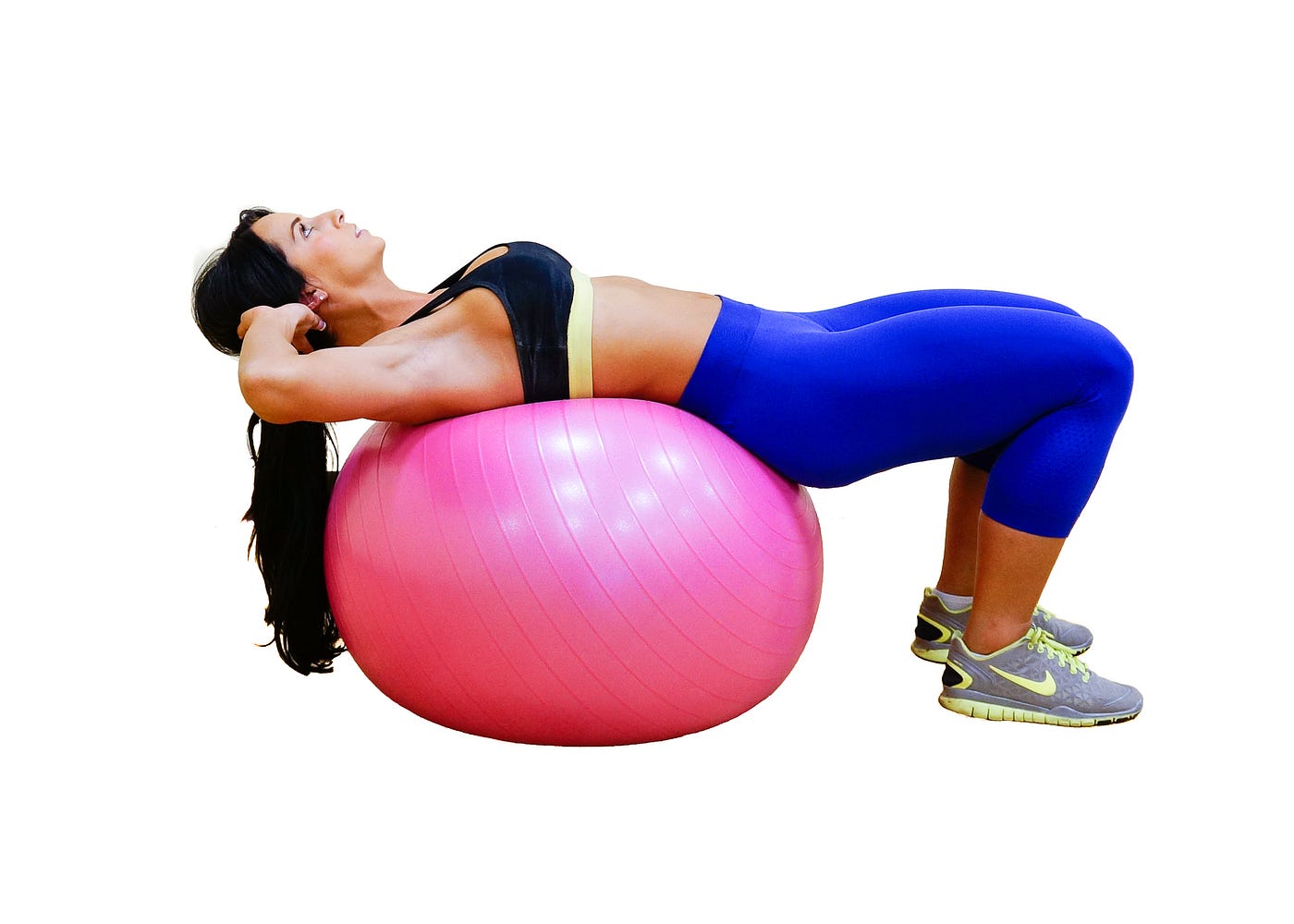
Ball crunches are a great way to work your upper abs while supporting your lower back. Sit on the ball and walk your feet forward until your lower back rests comfortably on it.
Lift your upper body by tightening your abs, then slowly lower back down. Keep your movements controlled to avoid using momentum. Have you noticed how much harder it feels compared to regular crunches?
Seated Knee Tucks
This exercise targets your lower abs and hip flexors. Sit on the ball with your feet flat on the floor and hands on the sides for balance.
Pull your knees towards your chest while leaning back slightly, then extend your legs back out without touching the floor. It’s a simple move but requires focus to keep your core engaged throughout.
Ball Plank
The ball plank is a fantastic way to engage your entire core, including your abs, obliques, and lower back. Place your forearms on the ball and extend your legs behind you, keeping your body in a straight line.
Hold this position, tightening your abs and avoiding sagging hips. Can you feel how your core works harder to stabilize you compared to a regular plank?

Credit: www.bikeradar.com
Advanced Core Moves
Advanced core moves on the gym ball challenge your stability and strength. These exercises target deep abdominal muscles and improve balance. They require control and focus to perform correctly. Each move pushes your core endurance and coordination further.
Rollouts
Start in a kneeling position with your hands on the gym ball. Slowly roll the ball forward, extending your body. Keep your back straight and core tight. Roll out as far as you can without losing form. Then pull the ball back to the start. This move works the entire core, especially the abs and lower back.
V-pass
Lie on your back holding the gym ball between your feet. Raise your legs and arms toward the ceiling. Pass the ball from your feet to your hands while lifting your torso. Lower arms and legs back toward the floor with control. Pass the ball back to your feet and repeat. This exercise hits the upper and lower abs together.
Oblique Twists
Sit on the gym ball with your feet flat on the floor. Hold a weight or medicine ball in your hands. Twist your torso to one side, keeping your hips stable. Return to the center, then twist to the other side. This move targets the oblique muscles along your waist. It also improves rotational strength and balance.
Common Mistakes To Avoid
Gym ball abdominal exercises offer a fantastic way to strengthen your core, but many people unknowingly fall into common traps that reduce effectiveness or even cause injury. Avoiding these mistakes can make your workouts safer and more productive. Let’s look at the key errors to watch out for so you get the most from your efforts.
Poor Posture
Maintaining proper posture on the gym ball is crucial. Slouching or letting your lower back sag puts unnecessary strain on your spine instead of targeting your abs.
Imagine trying to balance on the ball with a rounded back—it’s like asking your muscles to work against themselves. Focus on sitting tall, engaging your core, and keeping your shoulders relaxed but stable.
Ask yourself: Are you feeling the tension in your abdominal muscles or just discomfort in your back? If it’s the latter, adjust your posture immediately.
Overextension Risks
It’s tempting to push your range of motion for a bigger crunch, but overextending your back on the gym ball can lead to injury. Excessive arching strains your lower back and reduces abdominal engagement.
Try to limit your movement to a controlled crunch, avoiding deep backward bends. This keeps the focus on your abs and protects your spine.
Think about whether the stretch feels safe or painful. If you’re unsure, scale back and prioritize slow, steady reps.
Inconsistent Breathing
Breathing properly during gym ball exercises is often overlooked but is essential for maximizing your workout. Holding your breath or breathing erratically can reduce oxygen flow and tire your muscles faster.
Coordinate your breath with your movements: exhale as you crunch up and inhale as you lower down. This rhythm helps you maintain control and power through each rep.
Have you noticed feeling lightheaded or shaky mid-set? It might be time to focus more on your breathing pattern to sustain energy and improve performance.

Credit: www.healthshots.com
Creating A Balanced Core Routine
Creating a balanced core routine with gym ball abdominal exercises helps build strength evenly. It targets all parts of the core, including abs, obliques, and lower back. A balanced routine improves posture and reduces injury risk. It also enhances overall body stability and movement.
Combining Exercises
Use a mix of gym ball exercises to engage different core muscles. Include crunches, twists, and planks on the ball. This variety keeps workouts interesting and effective. Balance exercises that focus on strength with those for stability. Change the order often to challenge your muscles.
Frequency And Duration
Perform core workouts two to three times each week for best results. Each session should last about 15 to 20 minutes. Short, consistent workouts work better than long, infrequent ones. Focus on quality over quantity. This helps muscles grow without causing fatigue.
Rest And Recovery
Allow your core muscles time to rest between workouts. Rest days help muscles repair and grow stronger. Avoid working the same muscle groups on consecutive days. Use light stretching or gentle movement on rest days. This aids recovery and reduces soreness.
Tracking Progress And Staying Motivated
Tracking your progress and staying motivated during gym ball abdominal exercises can make a huge difference in your results. Without clear feedback, it’s easy to lose track of improvements and feel stuck. Keeping an eye on how your core strength evolves helps you stay focused and excited about your fitness journey.
Measuring Core Strength
To know if your core is getting stronger, use simple tests like timing how long you can hold a plank on the gym ball. You can also note how many reps of a specific exercise you complete with good form. Writing down these numbers after each workout creates a clear record of your improvements.
Feeling stronger in daily activities, like balancing or lifting objects, is another sign your core is improving. Do you notice less lower back pain or better posture? These subtle changes are important markers of progress too.
Setting Realistic Goals
Setting small, achievable goals keeps you motivated and prevents frustration. Instead of aiming to master advanced moves right away, focus on increasing your plank hold by 10 seconds or adding five more reps each week. Celebrate these wins—they build confidence and momentum.
Ask yourself what you want from your abdominal workouts. Is it better balance, reduced back pain, or a tighter waistline? Aligning your goals with your personal needs keeps your workouts meaningful and enjoyable.
Incorporating Variety
Doing the same gym ball exercises repeatedly can get boring and stall progress. Mixing in different moves targets your core muscles from various angles and keeps workouts fresh. Try alternating between crunches, twists, and balance holds on the ball.
Adding new exercises challenges your body and prevents plateaus. How often do you switch up your routine? Even small changes, like adjusting the ball size or adding light weights, can make your sessions more interesting and effective.
Credit: medium.com
Frequently Asked Questions
What Are The Benefits Of Gym Ball Abdominal Exercises?
Gym ball abdominal exercises improve core strength, balance, and flexibility. They engage multiple muscles, enhancing stability and posture. These exercises also reduce back pain and increase overall workout effectiveness by adding dynamic movement.
How Often Should I Do Gym Ball Abdominal Exercises?
Perform gym ball abdominal exercises 3 to 4 times a week. Consistent practice helps build core strength and endurance. Allow rest days for muscle recovery and avoid overtraining to prevent injury.
Are Gym Ball Ab Exercises Suitable For Beginners?
Yes, gym ball abdominal exercises are beginner-friendly. Start with basic moves to build core stability. Gradually increase intensity as your balance and strength improve to avoid strain or injury.
Can Gym Ball Exercises Help Reduce Belly Fat?
Gym ball exercises strengthen and tone abdominal muscles but don’t directly burn belly fat. Combine these exercises with cardio and a healthy diet for effective fat loss.
Conclusion
Using a gym ball can make your abdominal workouts more effective. It helps strengthen your core and improve balance. Exercises on the ball also reduce stress on your back. You can do simple moves anywhere, even at home. Regular practice leads to better posture and less pain.
Start slow and focus on form to avoid injury. Keep your routine steady for the best results. Your body will thank you for the extra support and strength. Try gym ball abdominal exercises to feel stronger every day.







