
Are you ready to take your core strength to the next level? Gym abdominal exercises are the key to building a strong, toned midsection that not only looks great but also supports your overall fitness.
Whether you want to improve your posture, boost your athletic performance, or simply feel more confident in your body, the right ab workouts can make all the difference. You’ll discover effective exercises that target every part of your abs, easy to follow tips, and common mistakes to avoid.
Keep reading, and get ready to transform your core like never before.
Benefits Of Gym Abdominal Exercises
Gym abdominal exercises strengthen core muscles, improving posture and balance. They also help tone the stomach and support overall fitness. Regular workouts reduce back pain and boost daily movement ease.
Abdominal exercises at the gym offer more than just a toned stomach. They are essential for overall fitness and well-being. When you focus on strengthening your core, you unlock numerous benefits that enhance both your physical and mental health.Improved Core Strength
Strengthening your core is crucial for almost every movement you make. Whether lifting groceries or reaching for something on a high shelf, a strong core supports these activities. You may find that daily tasks become easier and less strenuous when your core is strong.Enhanced Posture And Balance
Good posture is not just about looking confident. It affects your health significantly. Gym abdominal exercises help align your spine, reducing back pain and improving your overall posture. Have you noticed how some people never seem to slouch? A strong core often plays a role in that.Injury Prevention
A robust core acts like a natural brace for your lower back. This can prevent common injuries, especially if you’re active or have a job that involves physical labor. Imagine reducing the risk of back pain just by adding a few core exercises to your routine.Boosted Athletic Performance
A strong core can enhance your performance in sports and physical activities. Whether you’re running, swimming, or playing basketball, a solid core improves your power and agility. You might even find that you can jump higher or run faster. Isn’t that worth a few extra minutes on the mat at the gym? Remember, consistency is key. Regularly incorporating gym abdominal exercises into your routine can yield substantial benefits. Are you ready to strengthen your core and reap these rewards?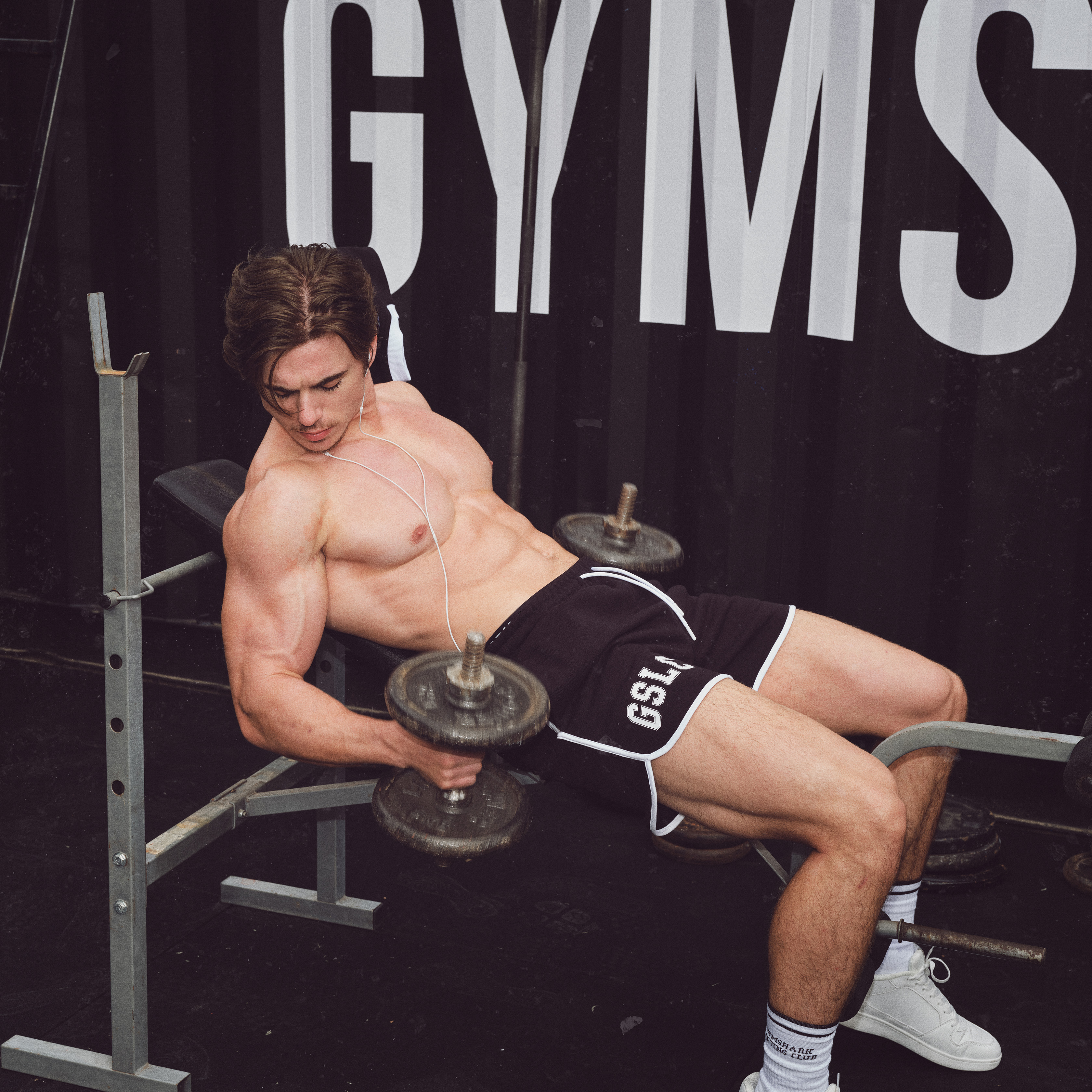
Credit: www.gymshark.com
Key Muscles Targeted
Understanding which muscles you target during gym abdominal exercises helps you train smarter, not just harder. Knowing these key muscles allows you to focus your effort effectively and see better results faster. Let’s break down the main muscle groups involved in most core workouts.
Rectus Abdominis
The rectus abdominis is the muscle you often think of as the “six-pack.” It runs vertically along the front of your abdomen. When you do crunches or sit-ups, this muscle contracts to bring your ribs and pelvis closer together.
Training this muscle improves your posture and helps stabilize your spine. Ever noticed how your lower back feels after a solid ab session? That’s the rectus abdominis working hard to support your torso.
Obliques
Your obliques sit on the sides of your abdomen and are responsible for twisting and bending motions. Exercises like Russian twists or side planks target these muscles. Strong obliques help you with rotational movements and protect your spine from injury.
Think about how often you twist your torso in daily activities—strong obliques make those movements smoother and more controlled. How often do you actively include exercises that work your obliques in your routine?
Transverse Abdominis
The transverse abdominis is the deepest layer of abdominal muscles. It acts like a natural weight belt, wrapping around your waist and providing core stability. Engaging this muscle during planks or vacuum exercises helps protect your lower back and improve overall core strength.
Many people overlook this muscle, but training it can reduce lower back pain and improve balance. Have you tried focusing on your core’s deep muscles rather than just visible abs?
Lower Back Muscles
Strong abdominal training also requires attention to your lower back muscles. These muscles work together with your abs to stabilize your spine during movement. Deadlifts, back extensions, and bird-dogs are great exercises to strengthen this area.
Neglecting your lower back can lead to muscle imbalances and discomfort. How balanced is your core workout between front and back muscle groups?
Essential Equipment For Core Workouts
Strong core muscles improve posture and balance. Core workouts need the right tools to be effective. Essential equipment helps target different abdominal muscles safely. Each piece offers unique benefits for your gym routine.
Ab Wheel
The ab wheel is a simple tool with great impact. It challenges your core by extending and rolling forward. This exercise works the abs, hips, and lower back. Using an ab wheel improves stability and strength quickly.
Cable Machines
Cable machines provide resistance for controlled core exercises. They allow you to do twists, crunches, and pulls. Adjustable weights make workouts easier or harder. Cable machines help engage deep muscles and improve muscle tone.
Medicine Balls
Medicine balls add weight to core exercises. Tossing or twisting with a medicine ball boosts power. They enhance coordination and balance while working your abs. Medicine balls come in various weights for all fitness levels.
Stability Balls
Stability balls create an unstable surface for core workouts. Balancing on the ball activates many muscles at once. They improve posture, balance, and flexibility. Stability balls are versatile and fit many gym routines.
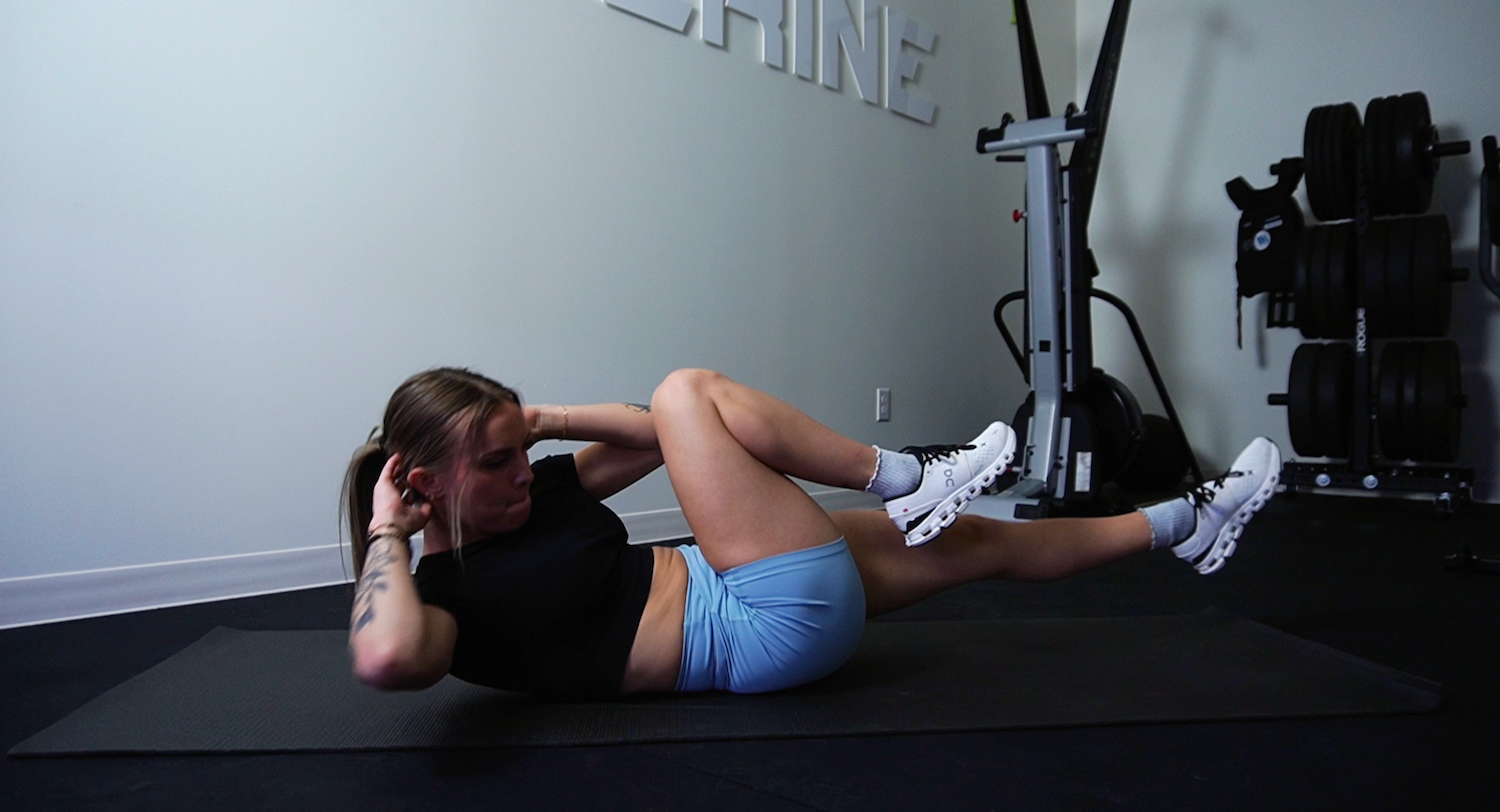
Credit: swolverine.com
Top Gym Abdominal Exercises
Strong abdominal muscles improve posture and support daily movements. The gym offers various exercises targeting the core. These workouts build strength, stability, and endurance. Focusing on key moves helps sculpt the midsection effectively.
Try these top gym abdominal exercises to engage different core areas. Each targets muscles uniquely for balanced development and better performance.
Cable Crunches
Cable crunches isolate the abs with controlled resistance. Use a rope attachment and kneel facing the machine. Pull the cable down by crunching your upper body. Keep your hips stable and focus on your abs. Adjust the weight for a challenging but safe workout.
Hanging Leg Raises
Hanging leg raises target the lower abs and hip flexors. Hang from a pull-up bar with your arms straight. Slowly lift your legs, keeping them straight or bent. Lower your legs without swinging to maintain tension. This move strengthens core and improves grip strength.
Ab Wheel Rollouts
The ab wheel rollout is excellent for core stability and strength. Kneel on the floor holding an ab wheel. Roll forward slowly, extending your body while keeping your abs tight. Roll back to the start position with control. This exercise challenges the entire core and shoulders.
Medicine Ball Russian Twists
Russian twists work the obliques and rotational muscles. Sit on the floor with knees bent and feet lifted. Hold a medicine ball and twist your torso side to side. Keep your back straight and core engaged. This exercise improves balance and core rotation.
Plank Variations
Planks strengthen the entire core and improve endurance. Start in a forearm or full plank position. Hold your body straight from head to heels. Try side planks, plank with leg lifts, or plank to push-up for variety. Consistent planking builds a strong, stable core.
Exercise Techniques And Tips
Mastering gym abdominal exercises goes beyond just showing up and moving your body. The right techniques and smart tips can make your workouts more effective and reduce the risk of injury. Paying attention to how you perform each move ensures you actually engage the right muscles and get the results you want.
Proper Form And Alignment
Maintaining proper form is key to targeting your abs correctly. Keep your spine neutral and avoid overarching your lower back during exercises like crunches or leg raises. Engage your core by pulling your belly button toward your spine—this small adjustment makes a big difference.
Try to keep your neck relaxed and avoid pulling on it with your hands when doing sit-ups. This prevents unnecessary strain and keeps the focus on your abdominal muscles. Think quality over quantity: fewer reps with good form beat many sloppy ones.
Breathing Patterns
How you breathe during ab exercises affects your performance and muscle engagement. Exhale during the exertion phase, such as when you crunch up, and inhale as you lower back down. This helps stabilize your core and supports better muscle activation.
Holding your breath can increase pressure and cause discomfort. Instead, aim for smooth, controlled breaths that match your movement rhythm. Have you noticed how breathing properly can push you through those tough last reps?
Common Mistakes To Avoid
- Using momentum:Swinging your body reduces muscle work and can lead to injury.
- Overtraining abs:Abs need rest too; training them every day can hinder growth.
- Neglecting other muscles:Strong abs work best when combined with a strong back and hips.
- Not adjusting difficulty:Sticking to the same easy exercises stalls progress.
Spotting these errors in your routine can save you time and frustration. Are you making any of these common mistakes without realizing it?
Progressive Overload Strategies
To keep your abs growing stronger, you need to gradually increase the challenge. Add resistance by holding a weight plate or dumbbell during crunches. You can also increase reps or sets, or slow down the tempo to make muscles work harder.
Changing the angle of exercises, like elevating your feet during leg raises, targets muscles differently. Track your progress weekly to see what’s working and when it’s time to push harder. How will you step up your ab workouts this week?
Creating An Effective Core Workout Plan
Building a strong core requires more than just doing random exercises. An effective core workout plan helps target all the muscles in your abdomen and supports overall fitness. Planning your workouts carefully improves results and reduces the risk of injury.
Frequency And Duration
Work your abdominal muscles 3 to 4 times per week. Each session should last between 15 and 30 minutes. This balance allows your muscles to get stronger without overworking them. Consistency matters more than intensity for lasting progress.
Combining With Cardio And Strength Training
Core exercises work best alongside cardio and strength workouts. Cardio burns fat that hides your muscles. Strength training builds overall body power, supporting your core. Mix core routines with jogging, cycling, or weightlifting for better results.
Rest And Recovery
Muscles grow during rest, not just exercise. Give your core time to recover by taking at least one rest day between workouts. Avoid training the same muscle group on consecutive days. Stretching after workouts helps reduce soreness and improve flexibility.
Tracking Progress
Keep a workout journal or use an app to track your progress. Note exercises, sets, reps, and any increases in difficulty. Take photos or measure your waist every few weeks. Tracking helps stay motivated and adjust your plan if needed.
Nutrition For A Sculpted Core
Building a sculpted core requires more than just gym abdominal exercises. Nutrition plays a key role in revealing those muscles. Eating the right foods fuels your workouts and helps reduce body fat. Balanced nutrition supports muscle growth and keeps energy levels high.
Macronutrient Balance
Proteins repair and build muscle tissue. Aim for lean sources like chicken, fish, and beans. Carbohydrates provide energy for your workouts. Choose whole grains, fruits, and vegetables. Healthy fats support hormone function and overall health. Include nuts, seeds, and olive oil in your diet.
Hydration Tips
Water keeps muscles working well and reduces fatigue. Drink at least 8 glasses daily. Sip water before, during, and after exercise. Avoid sugary drinks that add empty calories. Herbal teas and infused water can add flavor without sugar.
Supplements For Core Strength
Protein powders help meet daily protein needs. Creatine can improve strength and muscle gains. Omega-3 supplements reduce inflammation and support recovery. Choose supplements from trusted brands. Always consult a healthcare professional before starting any supplement.
Foods To Avoid
- Processed foods high in sugar and salt
- Fried foods with unhealthy fats
- Sugary drinks and sodas
- Excessive alcohol consumption
- Refined grains like white bread and pasta
Cutting these foods helps lower body fat and improves muscle definition.

Credit: www.tousains.com
Common Myths About Abdominal Training
Many people step into the gym with strong beliefs about how abdominal training works. Unfortunately, some of these beliefs are based on myths that can limit your progress and waste your effort. Understanding the truth behind common misconceptions can help you train smarter and see better results.
Spot Reduction Misconception
Have you ever thought that doing endless sit-ups will melt belly fat away? This idea, known as spot reduction, is a myth. Fat loss happens throughout your entire body, not just in the area you exercise.
You can target your abs with exercises, but burning fat specifically from your stomach requires a combination of full-body workouts and proper nutrition. Ask yourself: Are you focusing on overall fat loss or just the abs?
Crunches As The Only Exercise
Many believe crunches are the ultimate ab exercise. While crunches do work your abdominal muscles, relying on them alone limits your results. Your core includes various muscles that need different types of movements to strengthen.
Adding planks, leg raises, and rotational exercises will challenge your abs more effectively. Think about your workouts like a toolbox—does it only have a hammer?
Ab Exercises For Weight Loss Alone
Doing ab exercises won’t make you lose weight by themselves. Weight loss mainly depends on burning more calories than you consume. Ab workouts build muscle tone, improve posture, and increase core strength, but they don’t burn significant calories alone.
If you want to see those abs, focus on a calorie-controlled diet and cardio activities alongside your ab training. How are you balancing your workouts to support both fat loss and muscle building?
Frequently Asked Questions
What Are The Best Gym Abdominal Exercises?
The best gym abdominal exercises include planks, cable crunches, hanging leg raises, and Russian twists. These target all core muscles effectively. They improve strength, stability, and muscle tone. Consistent practice enhances overall core fitness and helps in achieving a defined abdomen.
How Often Should I Do Gym Ab Exercises?
Perform gym ab exercises 3 to 4 times per week. Allow at least 48 hours for muscle recovery. Consistency is key for visible results. Combine ab workouts with cardio and a healthy diet for optimal fat loss and muscle definition.
Can Gym Abdominal Exercises Reduce Belly Fat?
Gym abdominal exercises strengthen and tone core muscles but don’t directly burn belly fat. Fat loss happens through overall calorie deficit via diet and cardio. Combining ab workouts with full-body exercises and proper nutrition leads to reduced belly fat and a leaner midsection.
Are Gym Ab Exercises Suitable For Beginners?
Yes, gym ab exercises are suitable for beginners. Start with basic moves like planks and crunches. Use proper form to avoid injury and build core strength gradually. Increase intensity and variety as your fitness improves for best results.
Conclusion
Strong abs need regular gym workouts and good form. Choose exercises that fit your level and goals. Keep your core tight and move with control. Rest days help muscles recover and grow. Eat healthy to support your training. Track progress and stay patient with results.
Consistency beats quick fixes every time. Your body will thank you for the effort. Start today and enjoy a stronger core soon.







