
Choosing the right flooring for your home gym isn’t just about looks—it can make a huge difference in your workouts and safety. Imagine having a surface that supports your moves, absorbs impact, and stays durable no matter how intense your routine gets.
If you want a gym floor that helps you perform better and protects your body, you’re in the right place. Keep reading to discover the best flooring options that fit your space, budget, and fitness goals perfectly. Your ideal workout starts from the ground up!

Credit: hamernicks.com
Types Of Home Gym Flooring
Choosing the right flooring for your home gym affects your workout quality and safety. Different types of flooring offer unique benefits that suit various exercise styles and budgets. Understanding the options helps you pick the best surface that supports your fitness goals and protects your space.
Rubber Flooring
Rubber flooring is a top choice for home gyms because it handles heavy weights and high-impact activities well. It provides excellent shock absorption, reducing stress on your joints and floor. Plus, it’s durable and easy to clean, making it a practical option if you train regularly.
Rubber mats come in rolls or tiles, allowing you to cover large areas or create workout zones. Have you considered how much noise reduction matters during your workouts? Rubber flooring significantly cuts down noise, which is great if you live with others.
Foam Tiles
Foam tiles are lightweight and soft, giving a comfortable surface for floor exercises like yoga or stretching. They’re easy to install and replace, perfect if you want a quick gym setup without professional help. However, foam isn’t ideal for heavy weights because it can dent or tear.
These tiles often come with interlocking edges, so you can customize your gym size. Do you prefer a cushioned feel that supports balance and flexibility training? Foam might just be the answer.
Vinyl Options
Vinyl flooring offers a sleek look combined with durability. It resists moisture and stains, which helps maintain a clean workout environment. Vinyl comes in sheets or tiles and can mimic wood or stone, adding style without sacrificing function.
If you want a floor that handles cardio machines and moderate weightlifting, vinyl can be a good fit. Are you interested in a surface that’s easy to wipe down after sweaty sessions? Vinyl flooring makes cleanup straightforward and fast.
Carpet Tiles
Carpet tiles add warmth and comfort, making your gym feel inviting. They offer decent traction to prevent slipping during dynamic moves. Carpet tiles also reduce noise and can be replaced individually if damaged, saving you money in the long run.
On the downside, carpet isn’t the best for heavy weights or intense sweat sessions since it can hold moisture and odors. Would you prioritize comfort and noise control over intense durability? If yes, carpet tiles might suit your setup well.
Factors To Consider
Choosing the right flooring for your home gym is more than just picking a style you like. The floor needs to handle your workouts day after day without wearing out or causing injury. Think about how different types of flooring will stand up to your routine and what kind of care they will require. What features will make your gym safe and comfortable for every session?
Durability
Your gym floor must withstand heavy weights, constant movement, and occasional drops. Materials like rubber and high-density foam offer excellent resistance to damage. If you use heavy equipment or free weights, consider floors that won’t dent or crack easily. Would you want to replace your flooring every few months? Durable options save you money and hassle in the long run.
Shock Absorption
Shock absorption protects your joints and reduces fatigue during workouts. Good flooring absorbs impact from jumps, running, and weight drops, helping you avoid injuries. Rubber flooring is known for its excellent shock absorption qualities. How much cushioning do you need for your typical exercises? The right level can make your workouts more enjoyable and safer.
Ease Of Installation
Think about how quickly and easily you want to set up your gym floor. Some flooring options come in interlocking tiles that snap together with no tools needed. Others may require glue or professional installation. If you want to start using your gym fast, look for floors that you can install yourself without stress. How much time and effort are you willing to spend before your first workout?
Maintenance Needs
Maintaining your gym floor should not take up your workout time. Some floors require simple cleaning with a mop, while others need special treatments. Floors that resist stains and sweat buildup stay looking fresh longer. What cleaning routine fits best into your lifestyle? Choosing low-maintenance flooring keeps your gym ready for action without extra work.
Budget-friendly Options
Creating a home gym doesn’t have to break the bank, especially when choosing the right flooring. Budget-friendly options can provide durability and comfort without sacrificing quality. You can find materials that protect your floors and support your workouts, all while staying within your financial limits.
Cost-effective Materials
Rubber flooring tiles are a smart choice for home gyms on a budget. They absorb impact well and are easy to replace if damaged. Plus, you can buy them in small quantities to fit your space perfectly.
Foam mats are another affordable option. Lightweight and soft, they work great for yoga, stretching, or bodyweight exercises. While not ideal for heavy weights, they offer excellent cushioning for many workout types.
Vinyl flooring is durable and easy to clean, making it suitable for various gym activities. Look for interlocking vinyl planks or rolls to simplify installation and reduce cost. These materials often mimic the look of wood or stone, giving your gym a polished appearance without high prices.
Diy Installation Tips
You can save a lot by installing your gym flooring yourself. Start by preparing your floor—clean it thoroughly and ensure it’s dry and level. This step helps your flooring last longer and perform better.
When working with interlocking tiles or mats, take your time fitting them together tightly. Use a rubber mallet to secure edges without damaging the material. Don’t rush; precision now means fewer gaps and a safer workout area.
Consider cutting tiles with a utility knife instead of expensive tools. Simple measurements and careful cuts help avoid waste and keep your project within budget. Have you tried laying flooring before? It can be easier than you think, and it gives you full control over your gym’s look and feel.
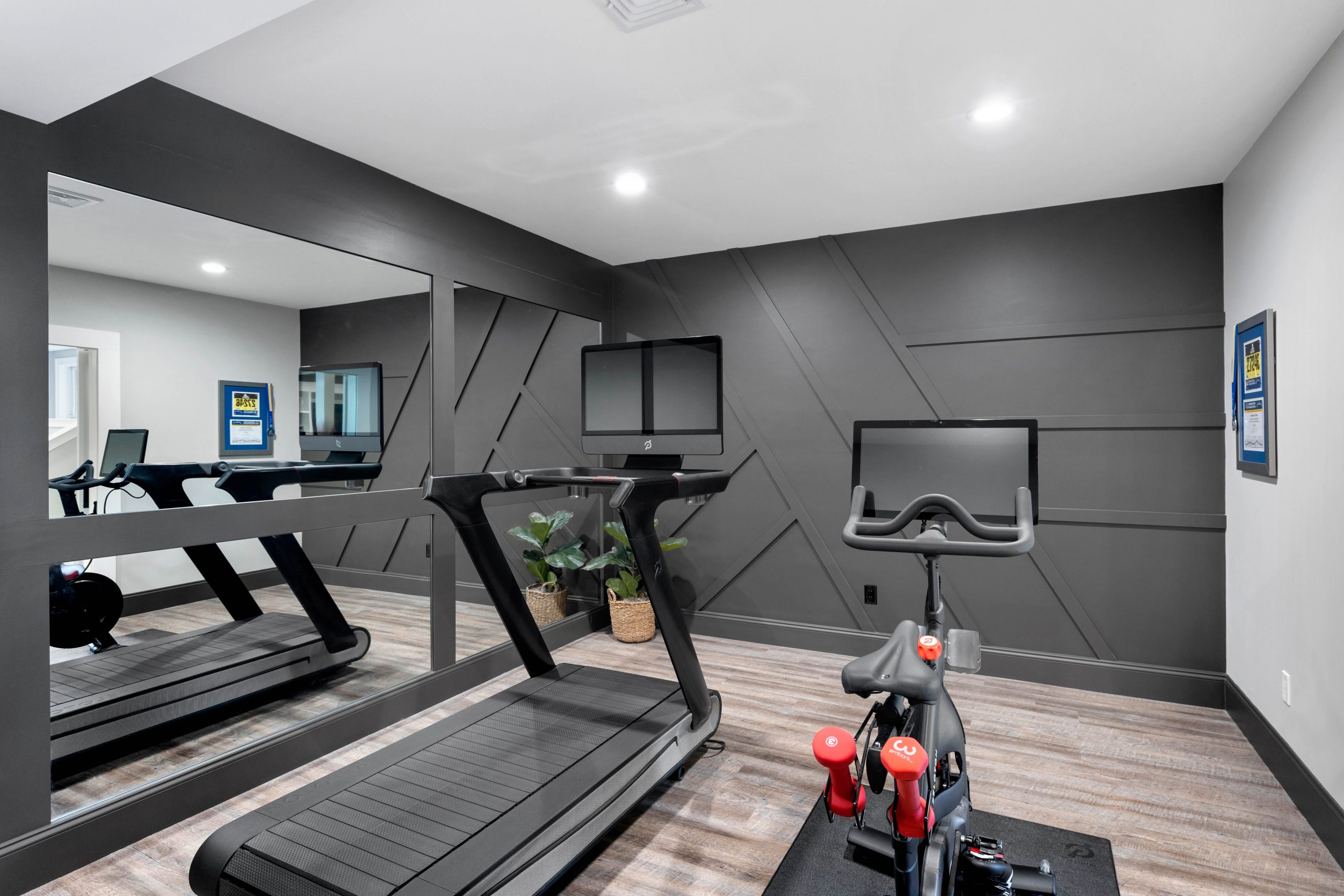
Credit: www.jmconstructionco.com
Safety And Comfort
Safety and comfort are key factors in choosing flooring for a home gym. Proper flooring reduces injury risks and supports longer workouts. It also helps keep your body safe and comfortable during exercise sessions.
Non-slip Surfaces
Non-slip flooring prevents accidents caused by slipping. It keeps your feet steady during fast movements or heavy lifting. Rubber mats and textured vinyl floors offer good grip. These materials reduce the chance of falls and injuries.
Cushioning For Joints
Cushioned floors protect your joints from impact. They absorb shock from running, jumping, or weightlifting. Foam and rubber tiles provide excellent cushioning. This reduces stress on knees, ankles, and hips. Soft flooring helps you exercise longer without pain.
Eco-friendly Choices
Choosing eco-friendly flooring for your home gym does more than just reduce your environmental impact—it creates a healthier workout space. These options often come with durability and comfort, helping you stay motivated while protecting the planet. What if your flooring could both support your fitness goals and align with your values?
Sustainable Materials
Materials like cork and bamboo stand out as sustainable choices. Cork is harvested from the bark of cork oak trees without harming them, making it a renewable resource. It’s naturally cushioned, which can reduce joint strain during workouts.
Bamboo grows quickly and requires minimal pesticides, making it another smart choice. Its hardness supports heavy gym equipment without damage. Plus, bamboo’s natural look adds warmth to your gym space.
Have you considered how using these materials might change the feel of your workouts? The natural textures can make your gym more inviting and less sterile.
Recyclable Flooring Options
Look for flooring made from recycled rubber or foam, which often come from old tires or other post-consumer waste. These options offer excellent shock absorption and slip resistance—key features for a safe workout area.
Recycled vinyl flooring is another option that balances durability with eco-consciousness. It’s easy to clean and maintain, saving you time and effort after intense sessions.
Choosing recyclable materials means your flooring won’t just serve you now; it can be repurposed later, reducing landfill waste. How much impact could you make by selecting flooring that doesn’t end up as trash?
Installation Tips
Installing the right flooring for your home gym can transform your workout experience. Proper installation ensures durability, safety, and comfort. Let’s dive into how to get your space ready and the best way to lay down your new gym floor.
Preparing The Space
Clear out everything from the room before starting. Remove old carpets, rugs, or any debris that could interfere with the flooring. Check the subfloor for cracks or uneven areas and fix them to avoid bumps or damage later.
Make sure the floor is completely dry. Moisture can ruin many types of gym flooring, especially foam or rubber tiles. Use a moisture meter if you have one, or simply let the room air out for a day or two.
Measure your space carefully. Knowing the exact dimensions helps you buy the right amount of material and reduces waste. Have you ever bought extra flooring only to find it didn’t fit well? Avoid that hassle by measuring twice.
Step-by-step Guide
- Lay down a moisture barrierif you’re installing on concrete. This protects your flooring from dampness and extends its life.
- Start in one cornerof the room. Place your first tile or roll of flooring here, making sure it’s aligned perfectly with the walls.
- Use spacersto maintain a small gap around the edges. This allows the floor to expand and prevents buckling.
- Connect tiles carefullyif you’re using interlocking rubber or foam. Press firmly to ensure they snap together without gaps.
- Trim edgeswith a utility knife to fit around doorways or irregular shapes. Take your time here; a clean edge looks professional and prevents damage.
- Secure the flooringif necessary. Some types require adhesive or double-sided tape, especially in high-traffic areas.
- Roll over the floorwith a floor roller or a heavy object to press everything down evenly. This step helps tiles settle and reduces movement.
Have you ever noticed how a poorly installed floor can shift under your feet? Taking these steps seriously prevents that annoying problem. Your workouts deserve a stable, safe surface that can take the impact without slipping or wearing out quickly.
Maintenance And Care
Maintaining your home gym flooring is key to keeping it safe, durable, and looking fresh. Regular care not only extends the life of the floor but also ensures your workouts remain comfortable and injury-free. How often you clean or repair depends on the type of flooring and how much you use your gym space.
Cleaning Guidelines
Start with a simple daily routine: sweep or vacuum to remove dust and debris that can scratch the surface. Use a damp mop with a gentle cleaner suited for your flooring type—avoid harsh chemicals that can damage rubber or foam mats.
For rubber floors, a mix of warm water and mild dish soap works wonders. Wipe spills immediately to prevent staining or slipping hazards. Think about adding a microfiber cloth to your cleaning kit; it picks up dirt without scratching.
Are you cleaning your floor regularly enough to prevent buildup? Setting a weekly deep-clean schedule can help keep bacteria and odors at bay, especially if you sweat a lot during workouts.
Repair And Replacement
Inspect your flooring periodically for cracks, tears, or worn spots. Small damages on rubber or foam can often be fixed with patch kits available online or at hardware stores. Ignoring these can lead to bigger issues and uneven surfaces that may cause injury.
If a section is beyond repair, replacing individual tiles or mats is usually easier and more cost-effective than redoing the whole floor. Keep some extra tiles on hand when you install your floor; it saves time and hassle later.
Have you noticed uneven or soft spots that affect your balance during exercises? Addressing these early will keep your gym safe and comfortable.
Expert Recommendations
Choosing the right flooring for a home gym is crucial for safety and performance. Experts suggest materials that absorb shock, prevent slipping, and withstand heavy use. The right floor protects joints and supports various exercises. Below are insights on trusted brands and real user feedback to guide your choice.
Popular Brands
- Rubber-Cal:Known for durable, heavy-duty rubber mats. Ideal for high-impact workouts.
- ProsourceFit:Offers affordable foam and rubber tiles. Easy to install and clean.
- Greatmats:Provides interlocking gym flooring. Offers good shock absorption and noise reduction.
- BalanceFrom:Specializes in thick foam tiles. Comfortable for yoga and stretching.
- IncStores:Supplies commercial-grade rubber flooring. Suitable for intense weightlifting.
User Reviews
Users praise flooring that feels comfortable and durable. Many highlight the ease of installation and maintenance. Shock absorption scores high among those lifting weights. Some note foam options offer better joint support but wear faster. Rubber mats receive positive marks for grip and longevity. Several users recommend measuring space carefully before buying tiles. Overall, real feedback helps balance cost and quality for every home gym.

Credit: homegymlife.com
Frequently Asked Questions
What Is The Best Flooring For A Home Gym?
Rubber flooring is the best choice for home gyms. It offers excellent shock absorption, durability, and slip resistance. It protects your subfloor from heavy equipment and reduces noise during workouts.
How To Choose Flooring For A Home Gym?
Consider durability, shock absorption, and slip resistance when choosing gym flooring. Also, check for easy maintenance and moisture resistance. Rubber, foam, and vinyl are popular, practical options for home gyms.
Are Foam Floor Mats Good For Home Gyms?
Foam mats are good for low-impact exercises and provide cushioning. However, they lack durability for heavy weights and high-impact workouts. Use foam mats in combination with rubber for better protection.
Can Hardwood Flooring Work For Home Gyms?
Hardwood is stylish but not ideal for home gyms. It can get damaged by heavy weights and sweat. Use protective mats on hardwood to prevent scratches and moisture damage.
Conclusion
Choosing the right flooring keeps your home gym safe and comfortable. It protects your floor and helps reduce noise. Soft, durable materials work best for workouts. Think about your budget and exercise types too. Good flooring makes exercising easier and more fun.
Take time to pick the best option for your space. Your gym will feel inviting and ready for every session. A smart floor choice supports your fitness goals daily.







