
Imagine looking in the mirror and seeing strong, defined arms that not only enhance your appearance but also boost your confidence. You’re about to discover a good arm workout routine that can transform your fitness journey.
Whether you’re a beginner or a seasoned gym-goer, this routine is crafted to fit into your busy schedule and deliver noticeable results. Curious about how you can achieve those dream arms? Keep reading to uncover the secrets behind effective arm exercises that will not only make you look good but feel powerful and energetic too.
Ready to take the first step toward your fitness goals? Let’s dive in!
Benefits Of Strong Arms
Strong arms bring many benefits beyond just looking good. They help you do daily tasks with less effort and pain. Building arm strength improves how you move and protects your body. This makes life easier and more enjoyable. Here are some key benefits of having strong arms.
Improved Daily Performance
Strong arms make simple tasks easier. Carrying groceries, lifting boxes, or opening jars becomes less tiring. You use less energy and finish tasks faster. Strong arms also reduce strain on other muscles. This helps avoid soreness and fatigue after daily activities.
Enhanced Athletic Ability
Arm strength boosts performance in many sports. Activities like swimming, tennis, and basketball need powerful arms. Strong arms improve speed, control, and endurance. Better arm strength helps you move more efficiently and react faster. This leads to better results in sports and exercise.
Injury Prevention
Strong arms protect joints and tendons from injury. They support the shoulders, elbows, and wrists during movements. This reduces the risk of strains, sprains, and overuse injuries. Building arm muscles also improves balance and posture. These factors lower the chance of falls and accidents.
Key Arm Muscles To Target
Knowing which arm muscles to focus on helps you create an effective workout routine. Targeting the right muscles can improve both strength and appearance. Let’s break down the key muscles you should aim for when training your arms.
Biceps Brachii
The biceps brachii is the muscle most people think of when they hear “arm workout.” It has two heads that help you bend your elbow and rotate your forearm. Strong biceps make everyday tasks like lifting easier and add noticeable size to your upper arm.
Try exercises like dumbbell curls or chin-ups to really hit this muscle. Have you noticed how your grip changes when your biceps get fatigued? That’s a sign you’re working the right area.
Triceps Brachii
The triceps brachii sits on the back of your upper arm and controls the extension of your elbow. It actually makes up the largest portion of your arm’s muscle mass. Focusing on your triceps can give your arms a fuller, more balanced look.
Push-ups, triceps dips, and overhead extensions are great moves to add. Think about how much you use your triceps daily when pushing doors or lifting objects overhead—strengthening them boosts overall arm power.
Forearm Muscles
The forearm muscles control wrist movement and grip strength. Often overlooked, strong forearms support your lifts and reduce the risk of injury. They also help you hold onto weights longer and with better control.
Wrist curls, reverse curls, and farmer’s walks are excellent for this area. Have you ever struggled with a weak grip during workouts? Paying attention to your forearms can solve that problem fast.
Effective Arm Workout Exercises
Effective arm workout exercises build strength and shape your arms. These exercises target the main muscles: biceps, triceps, and forearms. Focusing on these areas improves overall arm power and appearance.
Variety in exercises helps prevent plateaus and keeps workouts interesting. Using different movements also engages muscles in multiple ways. This leads to better muscle growth and endurance.
Bicep Curls Variations
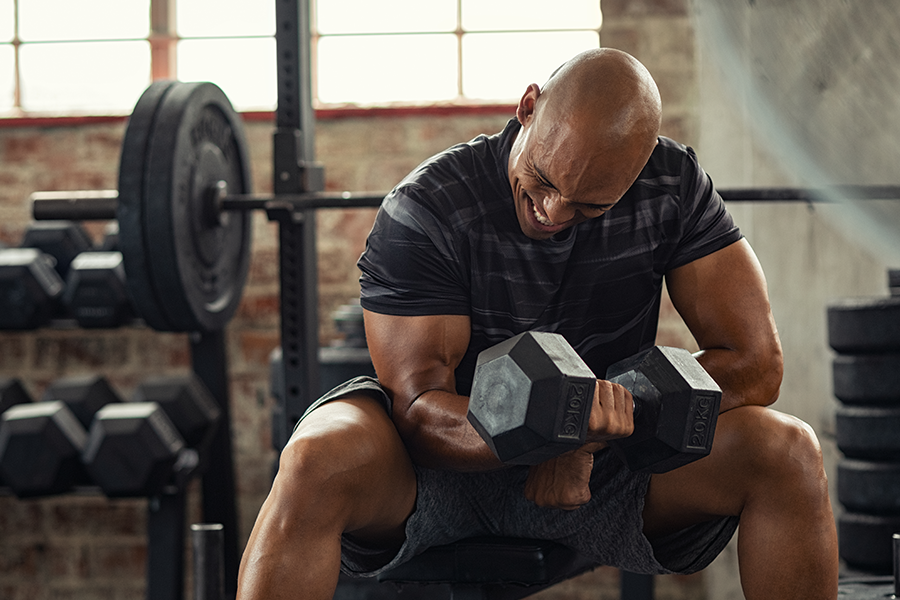
Bicep curls focus on the front of the upper arm. Different variations target the muscles from new angles. Use dumbbells, barbells, or resistance bands for curls.
- Standard dumbbell curls: Lift weights with palms facing up.
- Hammer curls: Keep palms facing each other during the lift.
- Concentration curls: Sit down and curl one arm at a time for focus.
- Barbell curls: Use a barbell to add more weight.
Tricep Dips And Extensions
Triceps make up most of the upper arm. Dips and extensions help tone and strengthen these muscles. Use body weight or weights for resistance.
- Tricep dips: Use a bench or chair to lower and raise your body.
- Overhead tricep extensions: Lift a dumbbell behind your head and extend your arms.
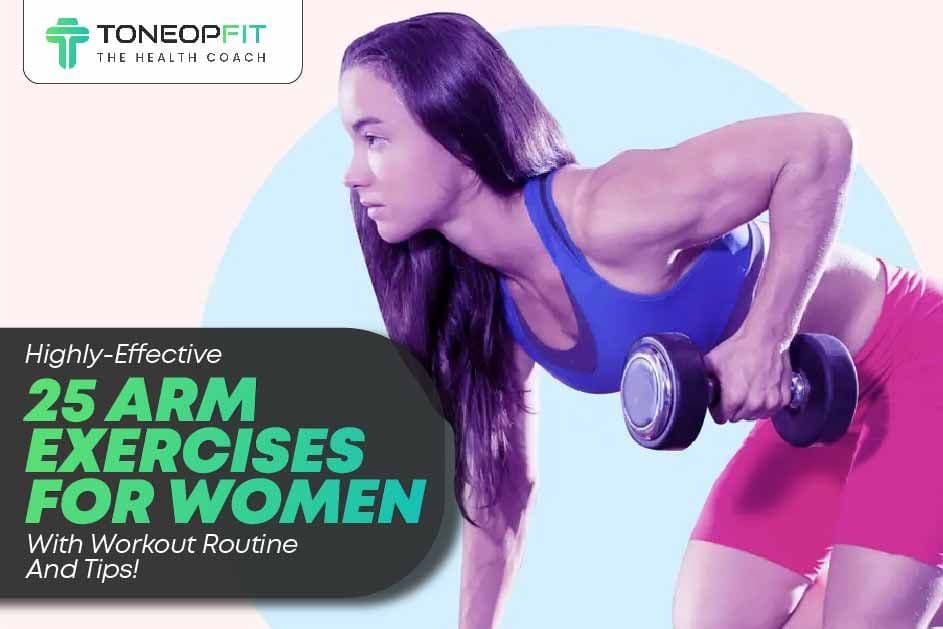
- Tricep kickbacks: Bend forward and push dumbbells back to straighten your arms.
Forearm Strengtheners
Strong forearms improve grip and arm stability. Forearm exercises help in daily tasks and sports.
- Wrist curls: Hold a dumbbell and curl your wrist upward.
- Reverse wrist curls: Curl the wrist downward with a light weight.
- Farmer’s walk: Hold heavy weights and walk to build grip strength.
- Plate pinches: Pinch weight plates between fingers and hold for time.
Designing A Balanced Routine
Designing a balanced arm workout routine helps build strength evenly. A well-planned routine targets all major muscles in your arms. It prevents muscle imbalances and reduces injury risks. Balance means focusing on both the biceps and triceps. Also, it involves training forearms for full arm development. Structure your workout to include variety and progression.
Choosing The Right Exercises
Select exercises that work different parts of your arm muscles. Include movements that target biceps, triceps, and forearms. Use a mix of isolation and compound exercises. Isolation moves focus on one muscle, like bicep curls. Compound exercises involve multiple joints and muscles. Pick exercises that you can do with good form. Change exercises every few weeks to avoid plateaus.
Sets, Reps, And Rest Periods
Sets and reps depend on your goal: strength, size, or endurance. For muscle growth, aim for 3-4 sets of 8-12 reps. For strength, use heavier weights with 4-6 reps. Rest between sets should last 30 to 90 seconds. Shorter rests boost endurance, longer rests help strength. Track your progress and increase weight or reps gradually. Keep rest consistent to maintain workout intensity.
Incorporating Compound Movements
Compound exercises engage multiple muscle groups at once. They improve overall arm strength and coordination. Examples include pull-ups, chin-ups, and close-grip bench presses. These moves save time by working several muscles together. Compound lifts also increase calorie burn during workouts. Start your session with compound exercises for maximum energy. Follow with isolation moves to target specific muscles.
Tips For Faster Strength Gains
Faster strength gains require more than just hitting the gym regularly. You need to train smart, pay attention to details, and support your body properly. The right approach can make your arm workouts more effective, helping you see results quicker and avoid plateaus.
Progressive Overload
Progressive overload means gradually increasing the weight, reps, or intensity of your exercises. Without this, your muscles won’t have a reason to grow stronger. Try adding small increments of weight every week or increasing reps by 1-2 each session.
For example, if you curl 15 pounds for 10 reps comfortably, next time push for 12 reps or 17 pounds for 8 reps. This steady challenge forces your muscles to adapt and grow.
Proper Form And Technique
Using the correct form protects you from injuries and ensures you target the right muscles. It’s better to lift lighter weights with perfect technique than heavy weights with poor form. If you’re unsure, record yourself or ask a trainer for feedback.
Focus on controlled movements and avoid swinging or using momentum. This keeps tension on your arm muscles, maximizing the workout’s impact.
Nutrition And Recovery
Fuel your muscles with enough protein and calories to repair and grow. Without proper nutrition, your strength gains will stall no matter how hard you train. Aim for at least 1.2 to 2 grams of protein per kilogram of body weight daily.
Recovery is just as important as training. Are you giving your arms enough rest between workouts? Sleep well, hydrate, and stretch to reduce soreness and improve performance in your next session.
Credit: www.dmoose.com
Common Mistakes To Avoid
A solid arm workout routine can boost strength and tone muscles. Avoiding common mistakes ensures steady progress and prevents injury. Many people make errors that slow results or cause pain.
Recognizing these mistakes helps you stay on track. Focus on proper technique and balanced training. This section highlights key pitfalls to watch out for.
Overtraining
Working arms too often leads to fatigue and injury. Muscles need time to recover and grow. Overtraining causes soreness and reduces performance. Rest days are essential for muscle repair. Avoid daily intense arm workouts to prevent burnout.
Neglecting Warm-ups
Skipping warm-ups increases injury risk. Warm muscles perform better and stay safe. Simple stretches and light exercises prepare joints and tendons. Spend at least five minutes warming up before lifting weights. This step improves flexibility and reduces stiffness.
Ignoring Muscle Imbalances
Focusing only on certain arm muscles creates imbalances. Strong biceps but weak triceps cause joint stress. Balanced training prevents pain and improves arm shape. Include exercises for all arm parts to build strength evenly. This approach supports better overall function and appearance.
Sample Arm Workout Plan
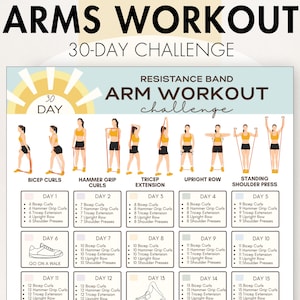
A good arm workout plan helps build strength and shape muscles. It suits all fitness levels. Choose exercises that fit your current ability. Start easy and increase difficulty over time. Consistency is key to seeing results. Below are sample workouts for beginner, intermediate, and advanced levels. Follow the plan that matches your experience.
Beginner Level
- Push-ups: 3 sets of 10 reps
- Bicep curls with light weights: 3 sets of 12 reps
- Tricep dips using a chair: 3 sets of 8 reps
- Hammer curls: 3 sets of 10 reps
- Rest 30-45 seconds between sets
Intermediate Level
- Close-grip bench press: 4 sets of 8 reps
- Barbell bicep curls: 4 sets of 10 reps
- Overhead tricep extension: 4 sets of 12 reps
- Concentration curls: 3 sets of 12 reps each arm
- Rest 45-60 seconds between sets
Advanced Level
- Weighted chin-ups: 4 sets of 6-8 reps
- EZ bar curls: 4 sets of 10-12 reps
- Skull crushers with dumbbells: 4 sets of 10 reps
- Cable rope tricep pushdowns: 4 sets of 12-15 reps
- Rest 60 seconds between sets
Credit: www.etsy.com
Credit: toneopfit.com
Frequently Asked Questions
What Is The Best Arm Workout Routine For Beginners?
A good beginner arm workout includes bicep curls, tricep dips, and hammer curls. Start with light weights and focus on form. Gradually increase weight and reps for strength and muscle growth.
How Often Should I Do Arm Workouts Weekly?
For optimal results, train your arms 2-3 times per week. Allow at least 48 hours of rest between sessions. This helps muscle recovery and prevents overtraining.
Which Exercises Target Both Biceps And Triceps Effectively?
Compound exercises like close-grip bench press and chin-ups target both biceps and triceps. Pair these with isolation moves like curls and tricep extensions for balanced arm development.
Can Arm Workouts Help Reduce Arm Fat?
Arm workouts build muscle but don’t directly burn fat. Combine strength training with cardio and a healthy diet to reduce overall body fat, including arms.
Conclusion
A good arm workout routine builds strength and muscle steadily. Consistency matters most for real progress. Focus on proper form to avoid injury. Include exercises that target all arm muscles. Rest days help your muscles grow and recover. Keep your routine simple and enjoyable.
Track your progress to stay motivated. Strong arms improve daily activities and confidence. Stay patient; results come with time and effort. This routine supports a healthier, fitter you.







