
Are you curious about the benefits of a gluten-free diet or perhaps you’ve been advised to eliminate gluten for health reasons? Navigating this new dietary path might seem daunting, but don’t worry—you’re not alone.
Our comprehensive Gluten-Free Diet Plan for Beginners PDF is here to simplify your transition, offering you clear, actionable steps to ensure success. Imagine feeling more energized, reducing digestive discomfort, and embracing a new lifestyle with ease. This guide is crafted to cater to your needs, answering questions you might not even know you had.
Ready to explore a healthier you? Keep reading to discover how our PDF can be your ultimate roadmap to a gluten-free life.
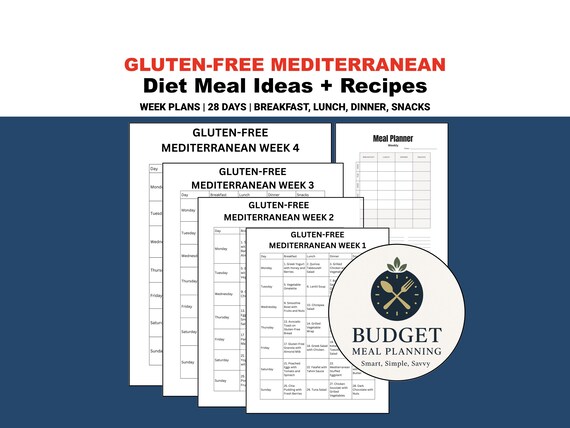
Credit: www.etsy.com
Benefits Of A Gluten-free Diet
Choosing a gluten-free diet can bring many positive changes to your health. Removing gluten helps reduce inflammation and improve overall well-being. Many people find relief from uncomfortable symptoms after switching to gluten-free foods. This diet plan supports a healthier lifestyle and better body function.
Health Improvements
A gluten-free diet often leads to clearer skin and fewer headaches. Many experience reduced joint pain and less bloating. It can help lower inflammation, which benefits the whole body. People often report better mood and mental clarity. These health improvements make daily life easier and more enjoyable.
Common Conditions Helped
Gluten-free eating helps those with celiac disease by protecting the intestines. It also aids people with gluten sensitivity, reducing symptoms like stomach pain. Some with irritable bowel syndrome (IBS) find relief through gluten avoidance. The diet supports autoimmune conditions by calming the immune response. Many find fewer digestive issues and less fatigue.
Energy And Digestion
Removing gluten can improve digestion and nutrient absorption. It helps reduce gas, cramps, and diarrhea. Many feel more energetic and less tired throughout the day. Better digestion means the body uses food more efficiently. This leads to steady energy and improved focus for daily tasks.
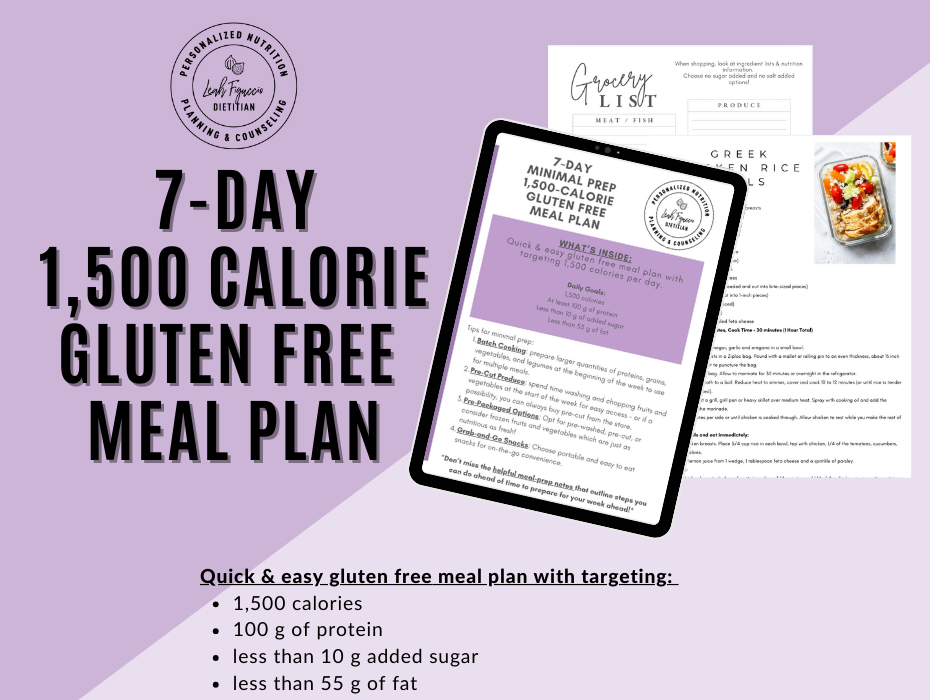
Credit: wellresourced.com
Foods To Avoid
A gluten-free diet means avoiding foods that contain gluten. Gluten is a protein found in certain grains. It can cause health issues for people with gluten intolerance or celiac disease. Knowing which foods to avoid helps keep you safe and healthy.
Wheat And Related Grains
Wheat is the most common source of gluten. Avoid all forms of wheat, including:
- Wheat flour
- Bread
- Pasta
- Couscous
- Bulgur
Other grains to avoid are barley, rye, and triticale. These grains also contain gluten and can trigger symptoms.
Hidden Gluten Sources
Gluten hides in many unexpected foods. Watch out for sauces, soups, and salad dressings. They often use wheat as a thickener.
Processed meats like sausages and deli meats may have gluten fillers. Read labels carefully to avoid hidden gluten.
Processed Foods To Watch
Many processed foods contain gluten. These include:
- Snack foods like crackers and pretzels
- Breakfast cereals
- Instant noodles
- Frozen meals
Always check ingredient lists. Choose gluten-free labeled products for safety.
Safe Gluten-free Foods
Choosing safe gluten-free foods is essential for a healthy diet. Avoiding gluten means picking foods that naturally do not contain wheat, barley, or rye. This reduces the risk of accidental gluten intake and keeps your meals nutritious and delicious.
Many whole foods are naturally gluten-free and packed with nutrients. These foods form the foundation of a balanced gluten-free diet. Knowing which foods are safe helps you plan meals with confidence.
Naturally Gluten-free Grains
- Rice
- Quinoa
- Millet
- Amaranth
- Buckwheat
- Teff
- Corn
These grains are safe and provide energy and fiber. Use them as a base for meals or side dishes.
Fruits And Vegetables
- Apples
- Bananas
- Carrots
- Spinach
- Broccoli
- Berries
- Sweet potatoes
All fresh fruits and vegetables are gluten-free. They add vitamins and minerals to your diet.
Proteins And Dairy
- Fresh meat and poultry
- Fish and seafood
- Eggs
- Milk
- Yogurt (plain)
- Cheese
Choose fresh, unprocessed proteins and dairy. Avoid processed items with added gluten ingredients.
Creating Your Meal Plan
Creating a meal plan helps simplify your gluten-free diet journey. It saves time and reduces stress. Planning meals ensures balanced nutrition and variety. It also helps avoid gluten exposure by choosing safe foods. Start by listing favorite gluten-free ingredients. Build meals around these to keep eating enjoyable and easy.
Breakfast Ideas
- Oatmeal made with gluten-free oats and fresh fruits
- Scrambled eggs with spinach and tomatoes
- Gluten-free toast topped with avocado and a sprinkle of salt
- Yogurt parfait layered with gluten-free granola and berries
- Smoothies with almond milk, banana, and peanut butter
Lunch And Dinner Options
- Grilled chicken salad with mixed greens and gluten-free dressing
- Quinoa bowl with roasted vegetables and chickpeas
- Baked salmon with steamed broccoli and brown rice
- Gluten-free pasta tossed with olive oil, garlic, and vegetables
- Stuffed bell peppers with ground turkey and quinoa
Snacks And Desserts
- Fresh fruit slices with nut butter
- Gluten-free crackers with cheese or hummus
- Rice cakes topped with almond butter and honey
- Homemade energy bites made from nuts, seeds, and dates
- Chia pudding with coconut milk and vanilla extract
Shopping Tips
Shopping for a gluten-free diet can feel tricky at first. Knowing what to buy and how to avoid gluten makes the process easier. Clear shopping tips help beginners stay safe and enjoy their meals.
Reading Labels
Always check the ingredient list on food packages. Look for words like wheat, barley, rye, and malt. These mean gluten is present. Some labels say “gluten-free.” This label shows the product has less than 20 parts per million of gluten. Still, read carefully to avoid hidden gluten.
Choosing Gluten-free Brands
Many brands now offer gluten-free options. Pick brands that specialize in gluten-free foods. They often test their products to keep gluten out. Try different brands to find what tastes best. Keep a list of trusted brands for easy shopping.
Avoiding Cross-contamination
Cross-contamination happens when gluten touches gluten-free food. It can happen in stores or at home. Use separate utensils, cutting boards, and storage containers. Clean surfaces before preparing gluten-free meals. At the store, avoid bulk bins or open food displays.

Credit: www.beautybites.org
Cooking And Baking Tips
Cooking and baking without gluten can feel tricky at first. Understanding the right ingredients and techniques helps create tasty meals. Simple changes bring great results in texture and taste. This section shares useful tips to boost confidence in the kitchen.
Gluten-free Flour Alternatives
Many flours work well as gluten-free substitutes. Each has its own flavor and texture. Experiment with these popular options:
- Rice flour – mild and light
- Almond flour – nutty and dense
- Coconut flour – absorbent and sweet
- Tapioca flour – chewy and stretchy
- Chickpea flour – hearty and rich
Mixing different flours often improves the final result. Look for gluten-free blends made for baking.
Recipe Adaptations
Traditional recipes need small changes to work gluten-free. Use extra moisture like eggs or yogurt. Add xanthan gum or guar gum to bind ingredients. Reduce baking time slightly to avoid dryness. Stir dough gently to keep it light. Taste dough before baking to adjust sweetness or salt.
Maintaining Flavor And Texture
Gluten-free dishes can be just as tasty. Use fresh herbs and spices to boost flavor. Add nuts or seeds for crunch. Incorporate fruits or vegetables for moisture and sweetness. Try cooking methods like roasting or grilling to deepen taste. Check texture by touching or cutting before serving.
Managing Social Situations
Managing social situations on a gluten-free diet can feel tricky at first. Friends, family, and new environments might not always understand your needs. Preparing ahead helps you stay safe and enjoy these moments. Clear communication and smart choices make social life easier and stress-free.
Eating Out Safely
Choose restaurants with gluten-free menus or options. Call ahead to ask about gluten-free meals and cooking practices. Avoid fried foods or dishes with sauces unless confirmed gluten-free. Share your dietary needs with the server clearly and politely. Carry gluten-free snacks as a backup in case safe options are limited.
Travel Tips
Pack gluten-free snacks for long trips and flights. Research restaurants and stores offering gluten-free products at your destination. Learn key gluten-free phrases in the local language. Keep a list of gluten-free foods you can eat easily. Use apps or websites that help find gluten-free dining spots nearby.
Communicating Your Needs
Explain your gluten intolerance simply and clearly. Use phrases like “I cannot eat gluten” or “I need gluten-free food.” Be polite but firm when ordering or attending gatherings. Ask questions about ingredients and food preparation. Encourage friends and family to support your diet for your health.
Tracking Progress And Adjustments
Tracking your progress on a gluten-free diet plan is essential to understand how your body responds and to make necessary changes. Without paying attention to how you feel and what you eat, it’s easy to miss signs that certain foods might not be working for you. Adjusting your diet based on your observations helps you stay on the right track and improve your overall well-being.
Monitoring Symptoms
Keep a daily log of your meals and any symptoms you experience, such as bloating, headaches, or fatigue. Note the time symptoms appear and their severity to identify possible gluten exposure or other triggers. This habit helps you connect specific foods with how you feel, making it easier to avoid problem ingredients.
Have you noticed certain foods causing discomfort even if they’re labeled gluten-free? Sometimes, cross-contamination or hidden gluten can cause symptoms, so detailed tracking is key.
Adjusting Your Diet
Based on your symptom log, start tweaking your diet. Remove suspicious foods one at a time to see if your symptoms improve. This trial-and-error approach helps you discover safe foods and avoid unnecessary restrictions.
For example, if you feel better after cutting out processed gluten-free snacks, focus more on whole foods like fruits, vegetables, and lean proteins. Remember, your diet plan should evolve with your body’s responses.
Seeking Professional Support
Working with a dietitian or healthcare provider can make tracking and adjustments more effective. They can help interpret your symptom patterns and guide you on nutrient balance to prevent deficiencies. Professional support also provides reassurance when you face challenges or uncertainties.
Have you considered consulting a specialist to tailor your gluten-free plan? Their expertise can save time and reduce frustration while helping you achieve better health outcomes.
Frequently Asked Questions
What Is A Gluten-free Diet Plan For Beginners?
A gluten-free diet plan for beginners eliminates all gluten-containing foods. It helps manage gluten intolerance and celiac disease symptoms effectively. The plan includes safe, naturally gluten-free foods and substitutes for common gluten products.
How Can I Get A Gluten-free Diet Plan Pdf?
You can download a gluten-free diet plan PDF from trusted health websites. These PDFs offer easy-to-follow meal plans, recipes, and shopping lists. They serve as practical guides for beginners starting a gluten-free lifestyle.
What Foods Should I Avoid On A Gluten-free Diet?
Avoid wheat, barley, rye, and their derivatives on a gluten-free diet. Also, watch out for processed foods with hidden gluten. Always check food labels to ensure they are certified gluten-free.
Are Gluten-free Diet Plans Suitable For Everyone?
Gluten-free diet plans are essential for those with celiac disease or gluten sensitivity. However, they are not necessary for everyone. Consult a healthcare professional before starting to ensure it fits your health needs.
Conclusion
Starting a gluten-free diet can feel hard but becomes easier with a clear plan. This PDF guide helps beginners choose safe foods and avoid gluten. Small steps each day lead to big health benefits. Keep meals simple and enjoy fresh, natural ingredients.
Remember to read labels carefully and try new recipes. Stay patient and consistent for the best results. Your body will thank you for the change. Embrace this new lifestyle with confidence and care.







