
Unlocking the secret to a shapely, strong, and functional backside isn’t just about aesthetics; it’s about boosting your overall fitness and confidence too. You’ve probably heard that glute exercises are essential for your workout routine, but do you know why they’re so important?
Your glutes play a crucial role in daily movements, posture, and athletic performance. By focusing on these powerhouse muscles, you can enhance your strength, prevent injuries, and look great in your favorite pair of jeans. Ready to discover the best glute gym exercises that will transform your workouts and your physique?
Keep reading, and you’ll find the key to elevating your fitness game.
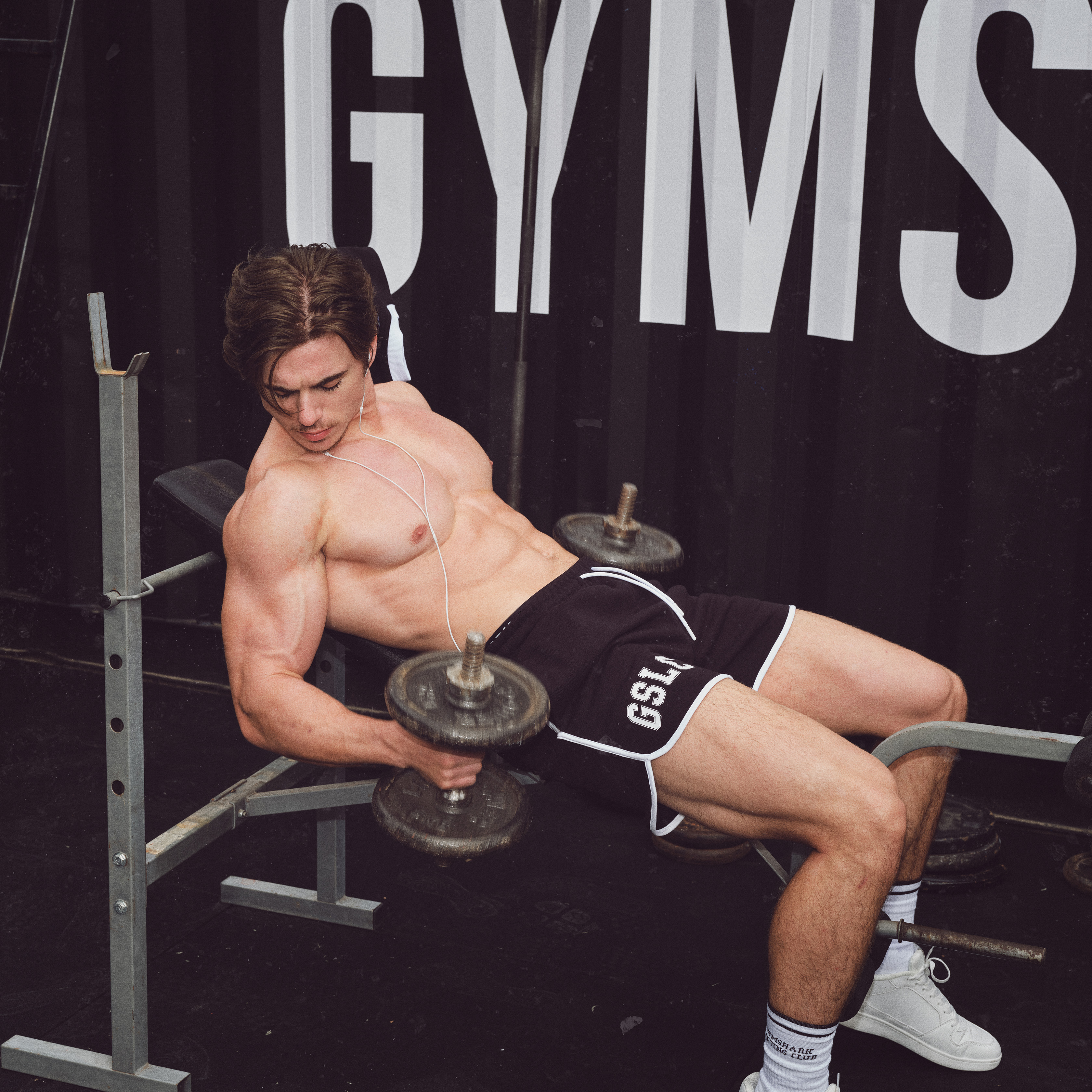
Credit: www.gymshark.com
Best Glute Exercises
Strong and well-shaped glutes improve posture, balance, and athletic performance. Exercises targeting these muscles help build strength and add shape. Focus on moves that activate all parts of the glute muscles for best results.
Here are some of the best gym exercises to develop your glutes effectively.
Squats For Glute Activation
Squats target the entire lower body, emphasizing glute activation. Proper form is key: feet shoulder-width apart, chest up, and knees tracking over toes. Deep squats increase glute engagement. Variations like sumo squats and goblet squats further target glute muscles.
Hip Thrust Variations
Hip thrusts isolate the glutes for powerful contraction. Use a bench for support and drive hips upward. Adding weights increases resistance and muscle growth. Variations include single-leg hip thrusts and band-resisted hip thrusts to challenge muscles differently.
Deadlifts For Strength
Deadlifts build overall lower body strength with strong glute involvement. Keep your back straight and lift with your hips and glutes. Romanian and sumo deadlifts focus more on glutes and hamstrings. Start light and increase weights gradually.
Lunges And Step-ups
Lunges and step-ups improve balance and target glutes unilaterally. Keep your torso upright and take a big step forward or onto a bench. These exercises also engage stabilizer muscles, enhancing overall leg strength. Try walking lunges or weighted step-ups for variety.
Bodyweight Moves
Bodyweight moves are a perfect way to strengthen your glutes without any equipment. These exercises use your own body weight to build muscle and improve shape. They are easy to do anywhere, whether at home or the gym. Consistent practice can lead to stronger, firmer glutes and better posture.
These moves also help improve hip mobility and reduce injury risks. Start with simple exercises and increase reps as you get stronger. Focus on proper form to get the best results.
Glute Bridges
Glute bridges target the glute muscles and lower back. Lie on your back with knees bent and feet flat on the floor. Push through your heels to lift your hips upward. Hold the top position for a few seconds. Lower your hips back down slowly. Repeat this motion to engage your glutes effectively.
Donkey Kicks
Donkey kicks strengthen the glutes and hips. Begin on all fours with your hands under shoulders and knees under hips. Lift one leg, keeping the knee bent, and push the sole of your foot toward the ceiling. Lower your leg without touching the floor. Repeat and then switch legs. This move targets the gluteus maximus deeply.
Fire Hydrants
Fire hydrants work the outer glutes and hips. Start on all fours like donkey kicks. Lift one knee to the side while keeping it bent at 90 degrees. Raise your leg until your thigh is parallel to the floor. Lower it back down with control. Perform reps and then change sides. This exercise helps shape and tone the outer glute area.
Using Resistance Bands
Resistance bands are a simple yet powerful tool to target your glutes effectively. They add tension throughout each movement, which forces your muscles to work harder. Using bands can help you feel the activation of your glutes better than bodyweight alone.
Adding resistance bands to your routine can quickly boost your strength and muscle tone. They are easy to carry and perfect for workouts anywhere, whether at home or the gym. Have you noticed how small changes in resistance can make a big difference in your muscle engagement?
Banded Side Steps
Banded side steps are excellent for hitting the outer glutes and hips. Place a resistance band just above your knees or around your ankles. Keep a slight bend in your knees and step side to side with controlled movements.
This exercise helps improve hip stability and balance. You’ll often feel a burn in your glute medius, which supports your pelvis during walking or running. Try 2-3 sets of 15-20 steps each side and notice how your hips become stronger over time.
Clamshells
Clamshells target the deep muscles of the glutes, especially the gluteus medius. Lie on your side with the band around your thighs, knees bent at 90 degrees. Open your knees like a clamshell while keeping your feet together.
This movement is fantastic for activating muscles that prevent knee and hip injuries. It’s a subtle but crucial exercise that you can add to your warm-up or cool-down. If you haven’t tried clamshells with bands yet, you might be missing out on building a stronger foundation for your lower body.
Banded Kickbacks
Banded kickbacks focus on the gluteus maximus, the largest muscle in your butt. Attach a band around your ankles and stand or kneel. Extend one leg straight back against the band’s resistance, squeezing your glute at the top of the movement.
This exercise mimics the action of a donkey kick but adds extra resistance for muscle growth. It’s a great way to isolate your glutes and improve your overall muscle tone. How often do you challenge your muscles with resistance that forces them to adapt and grow?
Gym Equipment Tips
Gym equipment can enhance your glute workouts and target muscles more effectively. Using the right tools helps improve strength and shape. Focus on form and control for better results.
Cable Kickbacks
Cable kickbacks isolate your glute muscles well. Attach the ankle strap to a low pulley. Keep your back straight and kick your leg back slowly. Control the motion and avoid swinging. This exercise increases muscle activation in the glutes.
Leg Press Focus
Adjust foot placement on the leg press platform to target glutes. Place feet higher and wider for more glute engagement. Push through your heels instead of the toes. Keep knees aligned with your toes. This change shifts the work to your glutes and hamstrings.
Smith Machine Squats
The Smith machine guides your squat movement for safety. Position the bar just below shoulder level. Step feet slightly forward and shoulder-width apart. Lower slowly, keeping weight on your heels. Pause at the bottom, then push up. This builds glute strength while maintaining balance.
Workout Programming
Creating an effective workout program for glute growth requires careful planning. It helps target the muscles correctly and promotes steady progress. The right balance of sets, reps, rest, and overload ensures muscle development without injury. Focus on consistency and gradual increases in challenge.
Sets And Reps For Growth
For glute muscle growth, aim for 3 to 5 sets per exercise. Keep reps between 8 and 12 to build size and strength. Lower reps with heavier weights build strength, while higher reps tone and improve endurance. Mixing rep ranges can prevent plateaus and keep workouts effective.
Rest And Recovery
Rest time between sets affects your workout quality. Take 60 to 90 seconds between sets for growth-focused training. Longer rest helps with heavy lifts, while shorter rest boosts muscle endurance. Allow 48 hours of rest before training the same muscle group again. Recovery is key to muscle repair and growth.
Progressive Overload Strategies
Progressive overload means gradually increasing workout demands. Increase weights slowly to challenge the muscles. Add more reps or sets over time. Change exercise angles or use resistance bands for variety. Track your progress to stay motivated and ensure continuous improvement.

Credit: www.strengthlog.com
Form And Technique
Mastering form and technique is key to making the most out of your glute gym exercises. Without proper execution, you risk injury and miss out on the full benefits of your workout. Paying attention to how you move will help you build strength more efficiently and feel the burn exactly where you want it.
Common Mistakes To Avoid
- Overarching the lower back:Many people compensate by pushing their hips too far forward, which strains the lumbar spine instead of targeting the glutes.
- Knee alignment issues:Letting your knees cave inward during squats or lunges reduces glute activation and stresses your joints.
- Using momentum:Swinging or jerking movements take tension off the muscles and make exercises less effective.
- Not engaging the core:A weak core leads to poor balance and form breakdown, making it harder to isolate the glutes.
Have you caught yourself doing any of these? Fixing these errors can dramatically improve your results.
Proper Posture Tips
- Keep your chest lifted and shoulders back to avoid rounding your upper back.
- Engage your core by tightening your abs gently before each rep.
- Maintain a neutral spine throughout the movement; imagine a straight line from your head to your tailbone.
- Plant your feet firmly with weight distributed evenly, especially on your heels, to activate the glutes better.
When I started focusing on these posture tips, I noticed a huge difference in how my glutes felt during workouts—and how quickly they grew.
Breathing Techniques
Breathing properly supports your stability and power during glute exercises. Inhale deeply before you start the movement to brace your core.
Exhale slowly and steadily as you push through the hardest part, like rising from a squat or thrusting your hips forward.
Holding your breath can increase pressure inside your chest but risks lightheadedness or poor form. Try to match your breath rhythm with each rep for better control and endurance.
Nutrition For Glute Gains
Nutrition plays a key role in building stronger glutes. Eating the right foods helps muscles recover and grow after workouts. Proper nutrition supports energy levels and improves overall performance. Focus on balanced meals that fuel your glute training efforts.
Protein Intake
Protein is essential for muscle repair and growth. Aim to include a source of protein in every meal. Good options include chicken, fish, eggs, beans, and dairy products. Consuming enough protein helps build and maintain glute muscles. Spread protein intake evenly throughout the day for best results.
Hydration
Water keeps your muscles healthy and functioning well. Drink plenty of water before, during, and after workouts. Staying hydrated prevents cramps and improves muscle recovery. Carry a water bottle to remind yourself to drink regularly. Proper hydration supports overall muscle performance.
Supplements To Consider
Supplements can support your glute training but are not required. Protein powders help meet daily protein needs easily. Creatine may improve strength and muscle growth. Omega-3 fatty acids reduce inflammation and aid recovery. Always choose high-quality supplements and consult a healthcare provider first.

Credit: e3rehab.com
Frequently Asked Questions
What Are The Best Gym Exercises For Glute Growth?
The best gym exercises for glute growth include squats, deadlifts, hip thrusts, lunges, and glute bridges. These movements target all glute muscles effectively. Consistent training with proper form boosts muscle size and strength. Adding resistance bands or weights increases results.
How Often Should I Train Glutes At The Gym?
Train glutes 2 to 3 times weekly for optimal growth. Allow 48 hours of rest between sessions to aid recovery. Overtraining can cause injury and hinder progress. Focus on quality workouts with progressive overload for best results.
Can Glute Exercises Improve Athletic Performance?
Yes, glute exercises enhance athletic performance by boosting power, speed, and stability. Strong glutes support better running, jumping, and balance. They also reduce injury risk by stabilizing hips and knees during movements.
Are Machines Effective For Glute Workouts?
Machines can effectively target glute muscles when used correctly. Leg press, cable kickbacks, and hip abduction machines isolate glutes well. Combine machines with free weights and bodyweight exercises for balanced strength and muscle growth.
Conclusion
Strong glutes improve posture and help prevent injuries. Regular gym exercises target these muscles well. Start with simple moves, then add weight for progress. Consistency matters more than intensity in the beginning. Rest and good nutrition support muscle growth. Keep your form correct to avoid pain.
Enjoy the process and track your improvements. Strong glutes boost overall strength and daily movement. Small steps lead to big changes over time. Stay patient and keep moving forward.







