
Are you curious about what keeps your garter snake healthy and active? Understanding your garter snake’s diet is key to giving it the right care.
What you feed your snake affects its energy, growth, and overall happiness. You’ll discover exactly what garter snakes eat, how often they need to eat, and tips to make sure your pet stays strong and vibrant. Keep reading to unlock the secrets to your garter snake’s perfect diet!
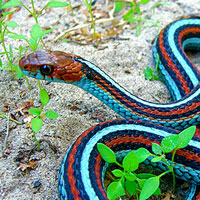
Credit: www.snakeestate.com
Natural Diet Of Garter Snakes
Garter snakes have a varied natural diet that helps them survive in many environments. These snakes eat a mix of animals found in their habitat. Their diet depends on what is available around them. Understanding what garter snakes eat reveals how they stay active and healthy in the wild.
Common Prey In The Wild
Garter snakes hunt small animals that move slowly or hide near water. Their common prey includes:
- Earthworms
- Frogs and tadpoles
- Small fish
- Insects like crickets and grasshoppers
- Slugs and snails
- Small rodents
These prey provide the energy garter snakes need for daily activities.
Seasonal Feeding Habits
Garter snakes eat more during warmer months. Spring and summer offer plenty of food. They slow down or eat less in colder months. Some garter snakes hibernate and do not eat at all during winter. Their feeding habits change with the seasons to match food availability.
Nutritional Needs
Garter snakes need protein for muscle growth and repair. They get vitamins and minerals from varied prey. Water-rich food helps them stay hydrated. Balanced nutrition supports their energy and health. Eating different animals ensures they get all needed nutrients.
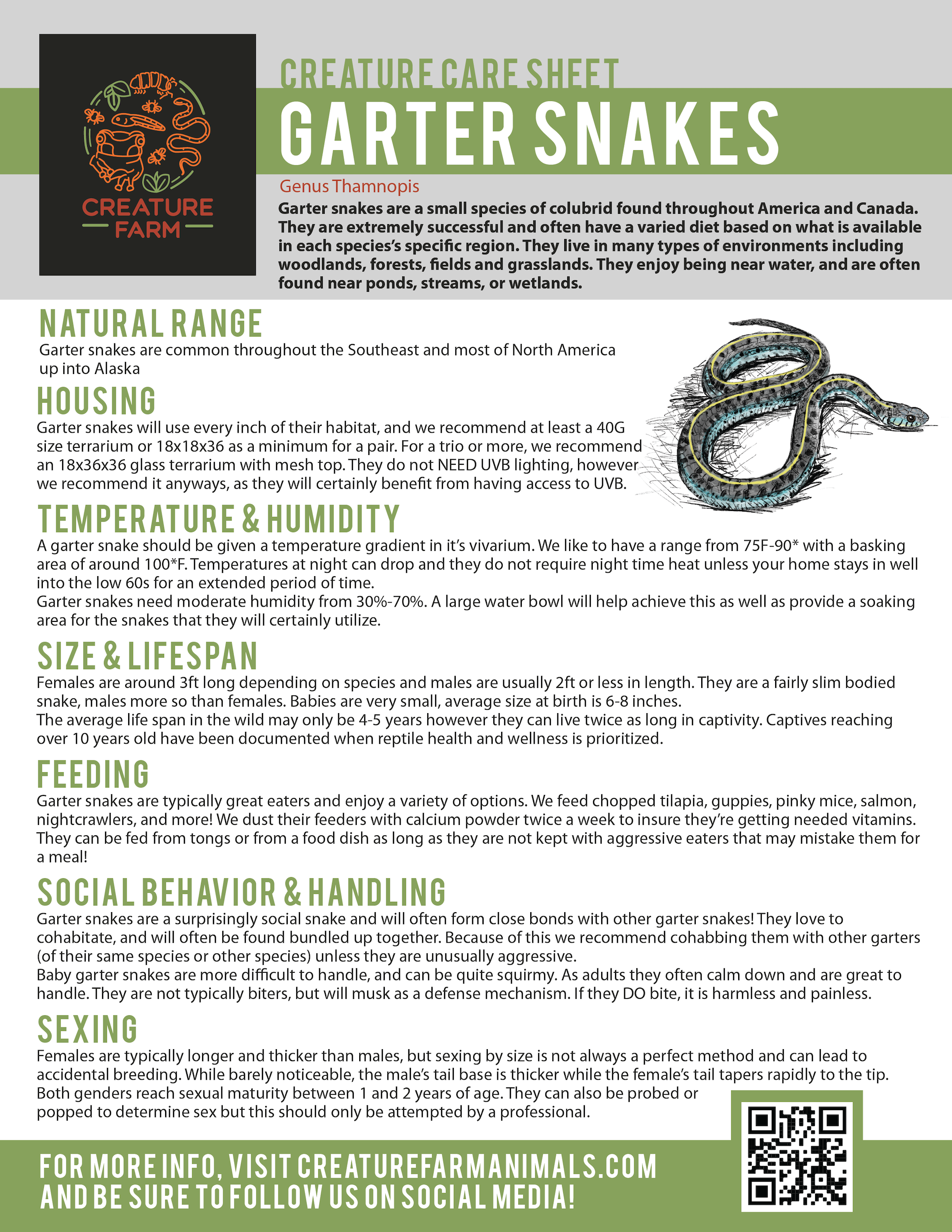
Credit: creaturefarmanimals.com
Feeding Your Pet Garter Snake
Feeding your pet garter snake correctly is essential for its health and happiness. Knowing what to feed, how often, and in what amounts will help you provide balanced nutrition. Let’s look closely at how you can meet your snake’s dietary needs effectively.
Choosing The Right Food
Garter snakes enjoy a varied diet in the wild, which you can mimic at home. Small fish, earthworms, amphibians, and insects work well as staple foods.
Many keepers prefer feeding thawed frozen fish or earthworms for convenience and safety. Avoid wild-caught prey to reduce the risk of parasites. Have you noticed how your snake reacts to different foods? This can guide you to the best choices.
Feeding Frequency
Young garter snakes need feeding every two to three days to support their growth. Adults can do well with feeding once or twice a week.
Overfeeding can cause obesity and health problems, so stick to a routine that matches your snake’s size and age. Watch your pet’s energy levels—are they active and alert, or sluggish? Adjust feeding intervals accordingly.
Portion Sizes
Portion size depends on your snake’s length and weight. A good rule is to offer prey items about the same width as the snake’s head.
If your snake is new to captivity, start with smaller portions and increase gradually. Too much food at once can stress their digestive system. Have you ever seen your snake refuse a meal? That might mean the portion was too large or it’s time for a feeding break.
Live Vs. Frozen Prey
Deciding between live and frozen prey for your garter snake can impact its health and behavior. Both options have distinct advantages and challenges that affect feeding success and safety. Understanding these differences helps you make the best choice for your pet’s diet.
Pros And Cons
- Live Prey
- Pros: Stimulates natural hunting instincts and encourages exercise.
- Cons: Can injure your snake if the prey fights back.
- Frozen Prey
- Pros: Safer for your snake and more convenient to store and handle.
- Cons: May lack the excitement of live prey, sometimes reducing feeding response.
Safety Considerations
Live prey can bite or scratch, causing wounds or infections. You should never leave live prey unattended with your snake to prevent injury. On the other hand, frozen prey eliminates this risk but requires proper thawing to avoid digestive problems.
Have you ever noticed your snake refusing frozen food at first? Patience and gradual introduction can help overcome this. Always supervise feeding to catch any problems early.
Best Practices
- Thaw frozen prey completely and warm it to room temperature before feeding.
- If using live prey, choose prey smaller than your snake’s head to reduce risk.
- Remove uneaten live prey promptly to avoid stress or injury.
- Observe your snake’s reaction to each type and adjust based on its preferences and health.
Remember, your snake’s safety and willingness to eat should guide your choice. What has worked best for your garter snake’s diet so far?
Supplementing Your Snake’s Diet
Supplementing your garter snake’s diet helps keep it healthy and active. A balanced diet includes more than just food. Proper vitamins, minerals, and hydration play a key role. These supplements support growth, immune health, and energy levels.
Vitamins And Minerals
Garter snakes benefit from a variety of vitamins and minerals. Calcium is crucial for strong bones and preventing metabolic bone disease. Offer calcium supplements dusted on prey. Vitamin D3 helps your snake absorb calcium efficiently. A multivitamin powder designed for reptiles can provide essential nutrients. Use supplements sparingly to avoid overdosing. Always follow product instructions carefully.
Hydration Tips
Hydration is vital for your snake’s health. Always provide fresh, clean water in a shallow dish. Change water daily to prevent bacteria growth. Some snakes enjoy soaking, which helps with shedding. Mist the enclosure lightly to increase humidity if needed. Monitor your snake for signs of dehydration like dry skin or lethargy. Proper hydration supports digestion and overall well-being.
Avoiding Common Deficiencies
Common nutrient deficiencies affect garter snakes in captivity. Calcium deficiency leads to weak bones and twitching. Vitamin A shortage causes eye problems and skin issues. Prevent these by offering varied prey and proper supplements. Avoid feeding only one type of food. Regularly check your snake’s behavior and physical condition. Early detection of deficiencies ensures timely care and treatment.
Signs Of Healthy Eating
Knowing the signs of healthy eating helps keep your garter snake happy and strong. A balanced diet supports good behavior, clear physical traits, and proper weight. Watch for these signs to ensure your snake thrives.
Behavioral Indicators
A well-fed garter snake stays active and alert. It moves smoothly and explores its environment. Feeding responses are quick, with strong interest in offered food. Lack of appetite or sluggishness can signal diet problems.
Physical Appearance
Healthy snakes have shiny, smooth skin without dull patches. Their eyes are clear, not cloudy or sunken. The body looks firm, not thin or bloated. Regular shedding without difficulty shows good nutrition.
Monitoring Weight
Weight changes reflect diet quality. Use a small scale to track weight weekly. Stable or gradual weight gain is ideal. Sudden weight loss or gain means diet adjustments are needed. Keep records to notice trends early.
Common Feeding Challenges
Feeding garter snakes can present several challenges for keepers. These challenges often affect the snake’s health and appetite. Understanding common feeding issues helps provide better care and nutrition.
Refusal To Eat
Garter snakes sometimes refuse to eat for days or weeks. Stress, temperature changes, or illness can cause this behavior. Young snakes may reject food during shedding. Offer a variety of prey to encourage eating. Avoid forcing the snake to eat, as this increases stress.
Overfeeding Risks
Overfeeding garter snakes leads to obesity and health problems. These snakes need moderate feeding based on size and age. Too much food causes lethargy and poor digestion. Feeding once every 3-5 days is ideal. Monitor the snake’s weight and adjust portions carefully.
Dietary Adjustments
Garter snakes require a balanced diet of fish, amphibians, and small rodents. Changes in diet may be necessary due to availability or health. Introduce new prey slowly to avoid digestive upset. Observe your snake’s reaction to new foods. Provide fresh, clean water at all times.
Safe Handling During Feeding
Handling your garter snake safely during feeding is key to keeping it calm and healthy. Stress can easily affect their eating habits and overall well-being. Understanding how to approach feeding with care ensures a smoother experience for both you and your snake.
Preventing Stress
Snakes are sensitive creatures that can get stressed by sudden movements or loud noises. Always approach your garter snake calmly and avoid quick hand movements. Try feeding your snake in a quiet, dimly lit area to help it feel secure.
Have you noticed your snake refusing food after being handled too much? That’s a common sign of stress. Giving your snake time to settle before feeding can improve its appetite and trust in you.
Proper Feeding Techniques
Use feeding tongs to offer food instead of your fingers. This prevents accidental bites and teaches your snake to associate feeding with the tongs, not your hand. Make sure the prey is appropriately sized—about the same width as your snake’s body.
Keep your movements slow and steady while feeding. Hold the food just in front of the snake’s nose to encourage a strike. Avoid forcing food into your snake’s mouth, as this can cause injury or stress.
Post-feeding Care
After your garter snake finishes eating, give it space to digest comfortably. Avoid handling for at least 24 to 48 hours to prevent regurgitation. Provide a warm, quiet environment to support proper digestion.
Watch your snake for signs of discomfort or unusual behavior after feeding. This helps you catch health issues early and adjust your care routine. Have you seen your snake’s personality change after feeding? It might just be enjoying a well-earned rest.

Credit: www.reddit.com
Frequently Asked Questions
What Do Garter Snakes Mainly Eat In The Wild?
Garter snakes primarily eat amphibians, earthworms, fish, and small rodents. Their diet varies by habitat and availability of prey. They are opportunistic feeders and adapt to different food sources to survive in diverse environments.
How Often Should You Feed A Garter Snake?
Feed a garter snake every 2 to 3 days. Younger snakes require more frequent feeding, while adults can eat less often. Proper feeding intervals help maintain their health and prevent obesity or malnutrition.
Can Garter Snakes Eat Fruits Or Vegetables?
No, garter snakes are carnivores and do not eat fruits or vegetables. Their diet consists solely of animal protein, including amphibians, fish, and small mammals. Feeding them plant matter can harm their digestive system.
Are Frozen Prey Items Suitable For Garter Snakes?
Yes, frozen prey like fish or rodents are safe and convenient. Thaw the food properly before feeding to prevent health issues. Frozen prey helps maintain a balanced diet and reduces the risk of parasites.
Conclusion
Garter snakes have a varied diet that keeps them healthy. They eat insects, amphibians, and small fish. This helps them grow and survive in different habitats. Knowing their diet helps us understand their role in nature. It shows how they control pest populations.
Remember, they need a balanced diet to thrive. By learning about their food choices, we appreciate their place in the ecosystem. Simple creatures with a big impact. Garter snakes teach us about balance in nature. Their diet is a small but vital part of the natural world.







