
Are you looking for a way to stay strong, independent, and full of energy as you age? Functional fitness for seniors is the key to making everyday tasks easier and improving your quality of life.
Imagine moving with confidence, whether it’s climbing stairs, carrying groceries, or playing with your grandchildren. This isn’t just about exercise—it’s about empowering you to live life on your terms. Keep reading to discover simple, effective ways to boost your strength and balance, so you can enjoy every moment with greater ease and joy.
Benefits Of Functional Fitness
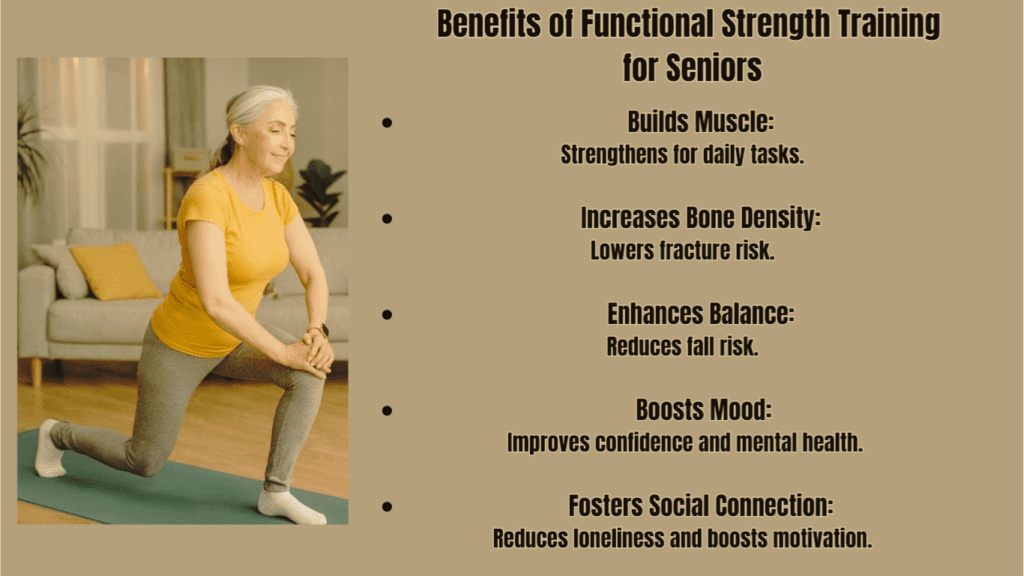
Functional fitness helps seniors stay active and independent. It focuses on exercises that improve everyday movements. These exercises make daily tasks easier and safer. Regular functional training supports the body’s natural abilities. It also reduces the risk of falls and injuries.
Improved Daily Mobility
Functional fitness helps seniors move with ease. It strengthens muscles used in walking, bending, and reaching. This improvement allows better movement around the home and community. Seniors enjoy more freedom and confidence in daily activities.
Enhanced Balance And Coordination
Balance exercises reduce the chance of falling. Functional fitness trains the body to react quickly and stay steady. Coordination improves with repeated practice of simple, natural movements. This helps seniors stay safe while walking or climbing stairs.
Increased Muscle Strength
Strong muscles support joints and bones. Functional fitness focuses on building muscle strength through gentle resistance. This strength helps carry groceries, lift objects, and perform chores. It also slows muscle loss linked to aging.
Boosted Mental Well-being
Exercise releases chemicals that improve mood and reduce stress. Functional fitness keeps the brain active with new movement patterns. Social interaction during group classes helps fight loneliness. Overall, seniors feel happier and more energetic.
Credit: medium.com
Key Functional Exercises
Functional fitness exercises help seniors maintain strength and independence. These exercises focus on movements used daily. They improve balance, flexibility, and muscle strength. Regular practice reduces the risk of falls and injuries.
Squats And Sit-to-stand Movements
Squats mimic the action of sitting and standing. They strengthen the legs and hips. Sit-to-stand exercises build lower body strength. Both improve mobility and make daily tasks easier. Start with a chair for support and progress slowly.
Step-ups And Stair Climbing
Step-ups and stair climbing improve leg muscles and balance. These exercises enhance coordination and endurance. Use a sturdy step or staircase for safety. They prepare the body for walking and climbing stairs. Begin with a few steps and increase gradually.
Push And Pull Movements
Push and pull exercises strengthen the upper body. They improve arm and shoulder muscles. Examples include wall push-ups and resistance band pulls. These movements help with lifting, carrying, and reaching. Perform exercises in a controlled and steady manner.
Core Stability Exercises
Core exercises support balance and posture. A strong core helps prevent falls. Try seated marches or gentle abdominal contractions. These exercises improve control and stability. Practice regularly for better body support during movement.
Designing A Safe Workout Plan
Designing a safe workout plan is essential for seniors aiming to improve their functional fitness. It ensures that exercises build strength, balance, and flexibility without risking injury. Thoughtful planning helps you enjoy exercise while making meaningful progress.
Assessing Current Fitness Levels
Start by understanding your current fitness status. Simple tests like timing how long you can walk comfortably or checking your balance can give a clear picture.
Knowing where you stand helps you avoid pushing too hard too soon. Have you noticed which activities feel challenging? That insight guides your workout choices.
Setting Realistic Goals
Set goals that match your abilities and lifestyle. Instead of aiming for intense workouts, focus on improving daily movements like standing up from a chair or carrying groceries.
Small, achievable targets keep you motivated and reduce frustration. What’s one movement you want to do with more ease next month?
Incorporating Warm-ups And Cool-downs
Warming up prepares your body by gradually increasing your heart rate and loosening muscles. Simple stretches or slow walking for 5-10 minutes work well.
Cooling down helps your body recover and prevents stiffness. Finish with gentle stretches or deep breathing exercises to relax your muscles and mind.
Monitoring Progress And Adjustments
Track your workouts and how you feel afterward. Notice improvements like increased stamina or easier movements.
Adjust your plan based on this feedback. If something causes pain or discomfort, modify or skip it. Your body’s signals are your best guide.
Credit: www.goodrx.com
Equipment And Tools For Seniors
Choosing the right equipment helps seniors stay active safely. Simple tools can boost strength, balance, and mobility. These aids support daily movements and reduce fall risks. Using proper gear makes exercise easier and more effective for seniors.
Resistance Bands And Light Weights
Resistance bands offer gentle muscle strengthening without heavy strain. They come in various tensions to match fitness levels. Light weights improve muscle tone and bone health. Both tools help maintain independence and support daily tasks.
Balance Boards And Stability Balls
Balance boards challenge coordination and body control. Stability balls improve core strength and posture. These tools enhance balance, reducing the chance of falls. They also add variety to exercise routines, keeping seniors engaged.
Chairs And Supportive Props
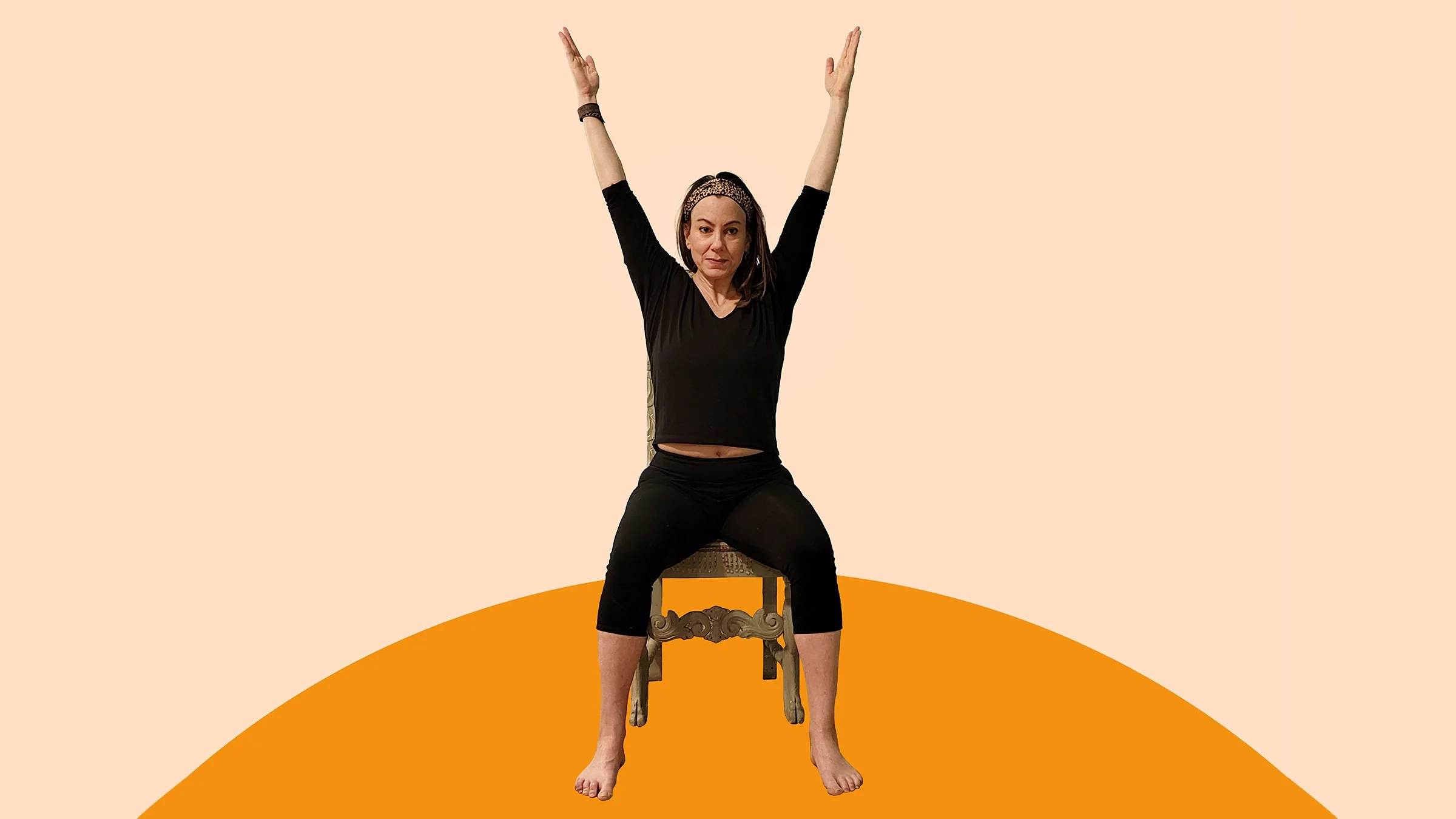
Chairs provide safe support for seated exercises. They help seniors perform movements without risking injury. Supportive props like cushions and rails offer extra stability. These aids make functional fitness accessible to everyone.
Wearable Fitness Trackers
Wearable trackers monitor heart rate, steps, and activity levels. They motivate seniors to stay active and set goals. Simple devices provide valuable health feedback. Tracking progress encourages consistency and builds confidence.
Overcoming Common Challenges
Functional fitness brings many benefits, but it also comes with challenges that can feel discouraging. You might face pain, motivation slumps, or physical limits that seem hard to work around. Tackling these hurdles head-on can transform your experience and help you keep moving forward.
Managing Joint Pain
Joint pain is a common hurdle, but it doesn’t have to stop your progress. Paying attention to how your body feels during and after exercise is key. Adjust your routine by choosing low-impact activities like swimming or cycling that protect your joints while still building strength.
Using heat or cold therapy before and after workouts can ease discomfort. Have you tried gentle stretches or yoga poses that increase flexibility without strain? Small changes can make a big difference in how your joints respond to exercise.
Staying Motivated
It’s normal to lose steam, especially when results don’t come overnight. Set clear, achievable goals that give you a sense of accomplishment along the way. Celebrate every small victory, whether it’s standing a bit longer or lifting a little heavier.
Mix up your workouts to keep things fresh and interesting. Ask yourself: What activity makes you look forward to moving your body? Finding joy in the process keeps motivation alive far better than focusing only on the outcome.
Adapting To Physical Limitations
Your body may not move the way it used to, but that doesn’t mean giving up. Modify exercises to fit your current abilities—use a chair for balance or reduce the range of motion if needed. These tweaks keep you active without causing injury.
Don’t hesitate to work with a trainer who understands senior fitness. They can design a plan tailored to your needs and help you progress safely. How can you adjust your environment to make movement easier and safer every day?
Finding Support And Community
Connecting with others facing similar challenges can boost your confidence and keep you accountable. Group classes or walking clubs provide a sense of belonging and encouragement. Sharing your journey helps you realize you’re not alone.
Consider reaching out to local senior centers or online forums for tips and motivation. Who in your life can join you in this journey and make exercise a social, enjoyable habit? Support is often the key to sustaining your fitness over time.
Credit: layitflat.com
Tips For Long-term Success
Maintaining functional fitness over the long term requires more than just occasional workouts. It demands a thoughtful approach that combines regular habits, good nutrition, adequate rest, and ongoing health monitoring. These elements work together to help you stay strong, flexible, and independent as you age.
Consistency And Routine
Building a consistent fitness routine is key to lasting success. Choose exercises that fit your lifestyle and interests so you look forward to doing them regularly. Setting a specific time each day for your workouts can help turn fitness into a natural habit.
Think about how small, steady progress adds up. Even 15 minutes of balance or strength training daily can make a big difference over months. What’s one small change you can commit to this week to keep moving forward?
Nutrition For Strength
Your body needs the right fuel to support muscle repair and energy. Focus on eating a balance of protein, healthy fats, and complex carbohydrates. Foods like lean meats, beans, nuts, whole grains, and colorful vegetables provide essential nutrients.
Hydration is often overlooked but vital. Drinking enough water keeps your muscles working well and prevents fatigue. Are you paying attention to what you eat and drink before and after your workouts?
Rest And Recovery
Muscles grow stronger not during exercise but while you rest. Make sure to get enough sleep each night to help your body recover fully. Also, include gentle stretching or light activity on rest days to keep your joints flexible without overloading them.
Listen to your body’s signals. If you feel pain or extreme tiredness, it might be time to slow down or try a different approach. How well do you recognize when your body needs a break?
Regular Health Checkups
Staying on top of your health with regular checkups helps catch issues early and keeps your fitness plans safe. Share your exercise routine with your healthcare provider to get personalized advice. This partnership can help adjust your activities as needed.
Tracking key health markers like blood pressure, bone density, and heart health supports smarter decisions. Do you have a schedule for health screenings that matches your fitness goals?
Frequently Asked Questions
What Is Functional Fitness For Seniors?
Functional fitness for seniors focuses on exercises that improve daily life activities. It enhances strength, balance, and flexibility, helping seniors stay independent and reduce fall risks.
How Often Should Seniors Do Functional Fitness Exercises?
Seniors should aim for at least 2 to 3 sessions per week. Consistency helps improve muscle strength, mobility, and overall health safely over time.
What Are The Best Functional Fitness Exercises For Seniors?
Best exercises include squats, chair stands, balance drills, and resistance band workouts. These improve strength, coordination, and balance vital for everyday movements.
Can Functional Fitness Reduce Fall Risks In Seniors?
Yes, functional fitness improves balance, strength, and coordination. These benefits significantly lower the risk of falls and related injuries among seniors.
Conclusion
Functional fitness offers seniors many benefits. Improved strength and flexibility make daily tasks easier. These exercises enhance balance, reducing fall risks. They also boost mental well-being by promoting independence. Consistent practice helps maintain an active lifestyle. Remember, start slow and listen to your body.
Consult a professional if needed. Embrace this journey towards better health. Functional fitness can truly enrich life in later years. It’s never too late to begin. Prioritize your wellness today. Enjoy a healthier, more active lifestyle.







