
Are you looking for simple ways to stay strong and independent as you age? Functional fitness exercises for seniors are designed just for you.
These exercises help improve your balance, strength, and flexibility—making everyday tasks easier and safer. Imagine moving with confidence, avoiding falls, and enjoying activities you love without pain or stiffness. Keep reading to discover easy exercises that fit your routine and boost your quality of life.
Your body will thank you!

Credit: www.healthwiseexercise.com
Benefits Of Functional Fitness
Functional fitness exercises help seniors stay strong and move easily in daily life. These workouts improve balance, flexibility, and muscle strength, reducing fall risks. Seniors gain more independence and better overall health through regular practice.
Functional fitness exercises offer many benefits for seniors. They focus on movements used in daily life. This helps seniors maintain independence and confidence. By improving overall function, these exercises enhance quality of life. Let’s explore some specific benefits.Improving Daily Movement
Functional fitness targets everyday tasks like lifting, reaching, and walking. Seniors find these movements easier with regular practice. Simple exercises can make a big difference. Imagine lifting groceries or climbing stairs with ease. That’s the power of functional fitness.Enhancing Balance And Stability
Falls are a common concern for seniors. Functional exercises improve balance and stability. This reduces the risk of falls. Strengthening core muscles is key. It helps maintain posture and control. Seniors feel more secure in their movements.Reducing Injury Risk
Functional fitness also reduces the risk of injuries. By improving joint mobility and strength, seniors protect themselves. Strong muscles support bones and joints. This reduces the chance of strains and sprains. Regular exercise keeps the body resilient.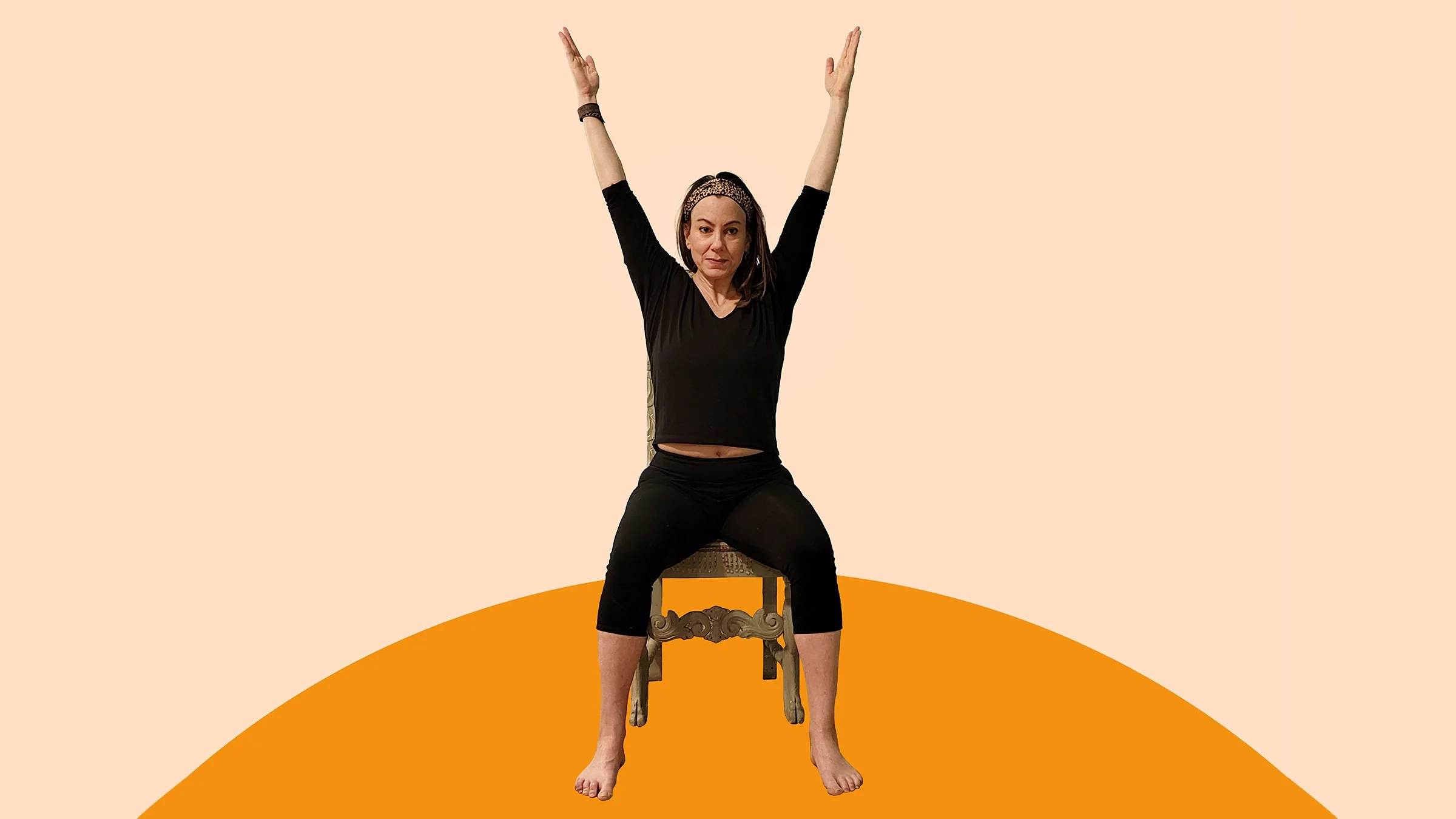
Credit: www.goodrx.com
Key Components Of Functional Exercises
Functional exercises help you perform daily activities with ease and confidence. The key components of these exercises focus on building strength, improving flexibility, and boosting cardiovascular endurance. Each plays a critical role in maintaining your independence and quality of life as you age.
Strength Training Basics
Strength training is essential for maintaining muscle mass and bone health. Simple movements like squats, wall push-ups, and lifting light weights can make a big difference. Think about how carrying groceries or standing up from a chair feels easier when your muscles are strong.
You don’t need fancy equipment; household items like water bottles or resistance bands work well. Start with low weights and increase gradually to avoid injury. Are you challenging your muscles enough to notice improvement in daily tasks?
Flexibility And Stretching
Flexibility keeps your joints moving freely and reduces stiffness. Stretching after your strength workouts or even while watching TV can help improve your range of motion. Simple stretches for your shoulders, hamstrings, and calves can prevent falls and discomfort.
Hold each stretch gently for about 20 seconds without bouncing. It’s about feeling a mild stretch, not pain. How often do you pause your day just to stretch and give your body some relief?
Cardiovascular Endurance
Cardiovascular exercises keep your heart and lungs healthy, allowing you to stay active longer. Walking, swimming, or cycling are excellent ways to build endurance without overstraining your body. Even short, brisk walks around your neighborhood can boost your stamina.
Try to include activities that get your heart rate up at least three times a week. You’ll notice daily chores become less tiring. What small change can you make today to get your heart pumping more?
Top Functional Exercises For Seniors
Functional fitness exercises help you maintain strength, balance, and flexibility for everyday tasks. These moves focus on the muscles you use most, making daily activities easier and safer. Here are some top exercises designed specifically for seniors to keep you active and independent.
Chair Squats
Chair squats build leg strength and improve balance without risking falls. Start by sitting on a sturdy chair, then stand up slowly using your leg muscles, not your hands. Try to lower yourself back down with control, tapping the chair lightly before standing again.
How many chair squats can you do without losing form? Adding this exercise to your routine can make climbing stairs or getting out of a car much easier.
Wall Push-ups
Wall push-ups are a gentle way to strengthen your arms, shoulders, and chest. Stand a few feet away from a wall, place your hands flat against it, and bend your elbows to bring your chest closer. Push back until your arms are straight.
This exercise helps with pushing open doors or getting up from the floor. Do you notice more strength in your arms after a few weeks?
Step-ups
Step-ups improve leg power and balance by mimicking everyday movements like climbing stairs. Use a low step or sturdy platform, step up with one foot, then bring the other foot up to meet it. Step down carefully and repeat on the other side.
This move challenges your stability and coordination. Can you imagine how this will help when you need to step over curbs or onto buses?
Seated Leg Lifts
Seated leg lifts target your thigh muscles while you stay seated, making them safe and accessible. Sit tall in a chair, slowly lift one leg straight out, hold for a moment, then lower it back down. Repeat on the other leg.
These lifts increase your knee strength and support walking. How much easier would it be to stand up from a chair if your legs felt stronger?
Heel Raises
Heel raises strengthen your calves and improve balance, reducing the risk of falls. Stand behind a chair and hold onto it for support. Rise up onto your toes slowly, hold briefly, then lower your heels back down.
Try doing these daily to make walking and standing more stable. Have you felt more confident on your feet after trying heel raises?
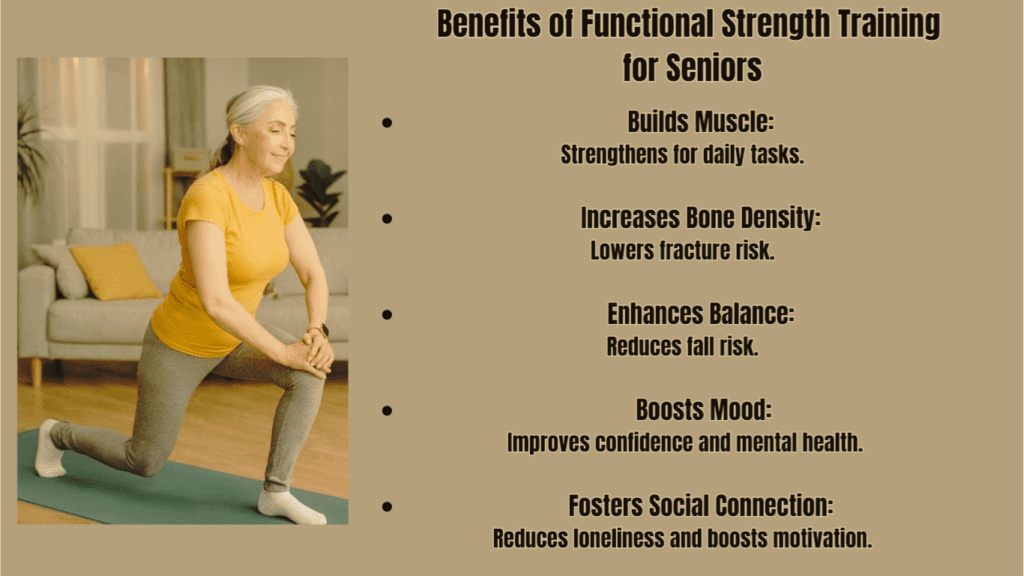
Credit: medium.com
Tips For Safe Workouts
Staying active with functional fitness exercises can greatly improve your daily life, but safety should always come first. Taking smart precautions helps you avoid injuries and keeps your workouts effective and enjoyable. How you prepare your body and respond to its signals can make all the difference in your fitness journey.
Proper Warm-up And Cool-down
Warming up gets your blood flowing and muscles ready for exercise. Start with gentle movements like marching in place or arm circles for 5 to 10 minutes. This reduces stiffness and lowers the risk of strains.
After your workout, cool down with slow stretches or walking to bring your heart rate back to normal. Cooling down helps prevent dizziness and muscle soreness the next day. Have you noticed how skipping these steps affects your recovery?
Using Support When Needed
Balance and stability are common challenges, especially during functional exercises. Don’t hesitate to use a chair, wall, or sturdy countertop for support. This simple aid can boost your confidence and prevent falls.
If you’re trying a new movement, having something nearby to hold onto gives you a safety net. What objects around your home could serve as reliable workout supports?
Listening To Your Body
Your body communicates clearly if you pay attention. Sharp pain, dizziness, or unusual shortness of breath are signs to stop immediately. It’s okay to take breaks or modify exercises to suit your comfort level.
Notice how your energy shifts during each session. Some days will feel easier than others, and that’s perfectly normal. What signals does your body send when it’s time to slow down or push a little harder?
Incorporating Functional Fitness Daily
Adding functional fitness exercises to your daily routine can transform how you move and feel every day. These exercises help you stay independent and confident in your daily activities. The key is to make them simple, consistent, and track your progress to stay motivated.
Simple At-home Routines
You don’t need fancy equipment or a gym to boost your functional fitness. Try easy moves like chair squats, wall push-ups, and heel raises that strengthen muscles you use daily.
Spend just 10-15 minutes each morning or evening. For example, sit down and stand up from a chair 10 times to build leg strength. Adding balance exercises like standing on one foot for 20 seconds can improve stability.
Staying Consistent
Consistency is where most people struggle. Set a specific time each day for your exercises, like right after brushing your teeth or before dinner.
Turn it into a habit by linking it to something you already do daily. Ask yourself, “What small change can I make today to keep moving?” Keeping your sessions short and manageable helps you stay on track.
Tracking Progress
Keeping track of your improvements can boost your motivation. Use a simple journal or an app to record what exercises you did and how many repetitions you completed.
Notice changes in how you feel during daily tasks, such as climbing stairs or carrying groceries. Seeing progress, even small steps, encourages you to keep going and challenges you to improve further.
Frequently Asked Questions
What Are Functional Fitness Exercises For Seniors?
Functional fitness exercises help seniors improve daily activities by enhancing strength, balance, and flexibility. These workouts focus on movements like bending, lifting, and walking. They reduce fall risk and increase independence, promoting overall health and mobility tailored to older adults’ needs.
How Often Should Seniors Do Functional Fitness Exercises?
Seniors should aim for at least 3 to 4 sessions per week. Each session can last 30 to 45 minutes. Consistency helps build strength and balance while preventing injuries. Always consult a healthcare provider before starting any new exercise routine.
Which Functional Exercises Are Best For Improving Balance?
Exercises like standing leg lifts, heel-to-toe walks, and chair squats improve balance. These moves strengthen core muscles and enhance stability. Practicing balance exercises regularly reduces fall risk and boosts confidence in daily movements.
Can Functional Fitness Reduce Fall Risks In Seniors?
Yes, functional fitness improves muscle strength and coordination, key factors in fall prevention. Stronger muscles and better balance help seniors maintain stability. Regular practice lowers the chances of falls and related injuries significantly.
Conclusion
Functional fitness exercises help seniors stay strong and independent. They improve balance, flexibility, and daily movement. Regular practice reduces the risk of falls and injuries. Choose simple exercises that fit your needs and abilities. Consistency matters more than intensity or speed.
Enjoy each session and celebrate small progress. Staying active keeps your body and mind healthy. Start today for a better quality of life tomorrow.







