
Are you tired of searching for a workout plan that fits into your busy schedule? Imagine having a comprehensive guide at your fingertips, ready to help you achieve your fitness goals.
With our “Full Body Workout Plan PDF,” you can access a structured, easy-to-follow routine that caters to every fitness level. Whether you’re just starting out or looking to enhance your current regimen, this plan promises to deliver results. Curious about how this plan can transform your fitness journey?
Dive in and discover how you can get stronger, healthier, and more confident, all with just a few clicks.

Credit: www.muscleandfitness.com
Benefits Of Full Body Workouts
Choosing a full body workout plan can transform how you train and how your body responds. These workouts target multiple muscle groups in one session, offering distinct advantages that many people overlook. If you want to get the most out of your exercise routine, understanding these benefits can help you stick with it and see real progress.
Improved Muscle Balance
Full body workouts help you train all major muscle groups evenly. This prevents muscle imbalances that often lead to poor posture or injury. When you focus on your entire body, you strengthen weak areas while maintaining strong ones, creating better overall stability.
Think about the last time you noticed one side of your body was stronger or more flexible. A full body routine can fix that by giving equal attention to every muscle. This balance supports everyday movements, from lifting groceries to playing sports.
Enhanced Fat Burning
Working multiple muscle groups in one session boosts your metabolism more than isolated exercises. Your body uses more energy because it has to fuel larger muscle groups simultaneously. This means you burn more calories during and after your workout.
Have you ever felt your heart racing after a full body workout? That’s your body working overtime to recover and build muscle. This effect keeps your fat burning long after you finish exercising.
Time Efficiency
Full body workouts save you precious time by combining exercises into one session. Instead of splitting your workout across several days, you hit everything in fewer sessions. This is perfect if your schedule is tight or you want to maximize results in less time.
Imagine completing a powerful workout in 45 minutes that covers all your fitness goals. You get more done, feel accomplished, and free up your day for other priorities. Could your current workout routine use this kind of efficiency?
Key Components Of A Full Body Workout
A well-rounded full body workout targets every major muscle group, boosts endurance, and enhances overall movement. Understanding its key components helps you create a plan that fits your goals and lifestyle. Let’s break down what makes a full body workout truly effective and sustainable.
Strength Training Exercises
Strength training forms the backbone of any full body workout. It helps you build muscle, improve bone density, and increase metabolism.
- Focus on compound movements like squats, deadlifts, bench presses, and rows. These exercises engage multiple muscle groups at once, saving you time and maximizing results.
- Include bodyweight exercises such as push-ups and lunges if you don’t have access to weights.
- Adjust weights and reps based on your fitness level—challenge your muscles but avoid overtraining.
Have you ever noticed how your strength improves when you consistently hit these core moves? That’s the power of focusing on the right exercises.
Cardio Integration
Cardio isn’t just about burning calories; it supports heart health and endurance. Adding cardio to your full body workout keeps your energy levels high and aids recovery.
- Choose activities you enjoy, like jogging, cycling, or jumping rope. Enjoyment increases consistency.
- Mix steady-state cardio with high-intensity interval training (HIIT) to improve both aerobic and anaerobic fitness.
- Even short bursts of cardio between strength sets can elevate your heart rate and enhance fat burning.
What small change can you make today to add a bit more cardio to your routine? Sometimes, even a quick walk counts.
Flexibility And Mobility
Flexibility and mobility work prevent injuries and improve your workout quality. They ensure your body moves efficiently during exercises and daily life.
- Incorporate dynamic stretches before workouts to prepare your muscles and joints.
- Use static stretching or yoga after your session to enhance flexibility and promote recovery.
- Pay attention to tight areas like hips, hamstrings, and shoulders, which often limit movement.
Have you felt stiffness after workouts? Adding mobility drills might be the simple fix you need to feel better and perform stronger.
Creating Your Workout Schedule
Creating a workout schedule is key for success in any full body workout plan. A clear schedule helps you stay organized and consistent. It guides your efforts and tracks your progress. Setting the right frequency, allowing time for rest, and increasing intensity are all important.
Frequency And Duration
Plan how many days you will exercise each week. Aim for three to five sessions to balance effort and recovery. Each workout should last between 30 and 60 minutes. Short, focused sessions often work better than long, tiring ones. Consistency beats intensity for lasting results.
Rest And Recovery
Rest days let your muscles heal and grow stronger. Without recovery, fatigue and injury risk rise. Schedule at least one or two rest days weekly. Use these days for light activity like walking or stretching. Sleep well to support muscle repair and energy.
Progressive Overload
Gradually increase the challenge to keep improving. Add more weight, do extra reps, or reduce rest time. Small, steady increases push your body to adapt and grow. Avoid sudden jumps that may cause injury. Track your progress to stay motivated and on course.
Sample Full Body Workout Plan
A sample full body workout plan provides a clear path for balanced fitness. It targets all major muscle groups in one session. This approach saves time and boosts overall strength. The plan adjusts to different skill levels. This helps build confidence and avoid injury.
Below are routines for beginners, intermediate, and advanced exercisers. Each routine focuses on proper form and gradual progress. Choose the one that fits your current fitness level.
Beginner Level Routine
- Bodyweight Squats – 3 sets of 10 reps
- Push-ups (on knees if needed) – 3 sets of 8 reps
- Glute Bridges – 3 sets of 12 reps
- Dumbbell Rows (light weight) – 3 sets of 10 reps per arm
- Plank Hold – 3 sets of 20 seconds
- Walking or Marching in Place – 5 minutes warm-up and cool-down
Intermediate Level Routine
- Goblet Squats with Dumbbell – 4 sets of 12 reps
- Standard Push-ups – 4 sets of 12 reps
- Glute Bridge March – 4 sets of 15 reps
- Bent-over Dumbbell Rows – 4 sets of 12 reps per arm
- Side Plank – 3 sets of 30 seconds each side
- Jumping Jacks – 3 sets of 30 seconds for cardio
Advanced Level Routine
- Barbell Back Squats – 5 sets of 10 reps
- Decline Push-ups – 5 sets of 15 reps
- Single-leg Glute Bridges – 5 sets of 15 reps per leg
- Weighted Dumbbell Rows – 5 sets of 15 reps per arm
- Plank with Shoulder Taps – 4 sets of 40 seconds
- Burpees – 4 sets of 15 reps for high-intensity cardio
Nutrition Tips For Total Fitness
Nutrition plays a crucial role in achieving total fitness, especially when following a full body workout plan. What you eat can either fuel your progress or hold you back. Understanding how to balance your diet effectively helps you maximize energy, support muscle growth, and recover faster.
Macronutrient Balance
Your body needs the right mix of proteins, carbohydrates, and fats to perform well and recover from workouts. Protein helps repair muscles, carbs provide energy, and fats support hormone production.
Try to include a source of lean protein like chicken, fish, or beans with every meal. Pair these with complex carbs such as brown rice, oats, or sweet potatoes for sustained energy. Don’t avoid healthy fats found in nuts, seeds, and avocados—they keep your brain sharp and your body balanced.
Hydration Strategies
Water is often overlooked but is essential for total fitness. Staying hydrated improves your workout performance and helps prevent cramps and fatigue.
Drink water consistently throughout the day, not just during exercise. If you sweat a lot or work out intensely, consider adding electrolytes to your hydration routine to replace lost minerals. Ever noticed how a glass of water before a workout boosts your stamina? That’s no coincidence.
Meal Timing
When you eat matters just as much as what you eat. Timing your meals around your workouts can enhance energy levels and recovery.
- Eat a balanced meal 1-2 hours before training to fuel your session.
- Have a protein-rich snack or shake within 30 minutes after working out to jumpstart muscle repair.
- Don’t skip meals; consistent fueling helps maintain metabolism and energy throughout the day.
Ask yourself: Are you eating to support your workout schedule, or just whenever it’s convenient? Adjusting meal timing might be the key to breaking through your fitness plateaus.
Common Mistakes To Avoid
When following a full body workout plan pdf, avoiding common mistakes can make a huge difference in your progress and safety. Many people rush through workouts without paying attention to key details that affect results and injury risk. Let’s look at some critical pitfalls you should watch out for.
Skipping Warm-ups
Skipping warm-ups is one of the most frequent errors. Warming up prepares your muscles and joints for exercise, reducing injury chances. Have you ever felt stiff or pulled a muscle early in your workout? That’s often because you jumped straight into intense moves without warming up.
A proper warm-up only takes 5 to 10 minutes and can include light cardio or dynamic stretches. It boosts blood flow and primes your nervous system, making each exercise more effective and safer.
Overtraining Risks
Doing too much too soon can backfire. Overtraining leads to fatigue, sore muscles, and even burnout. Many people think more workouts equal faster results, but your body actually needs time to recover and grow stronger.
Watch for signs like persistent soreness, irritability, or declining performance. If these show up, it’s time to dial back and rest. Remember, rest days are part of the plan, not a break from progress.
Ignoring Form And Technique
Proper form is crucial to maximize benefits and avoid injury. I once ignored this and hurt my shoulder doing a simple shoulder press. It set me back weeks and taught me to slow down and focus on technique.
Use mirrors, record yourself, or ask a trainer to check your form. Don’t rush through reps; quality beats quantity every time. Are you lifting heavy but sacrificing form? That’s a mistake that can cost you in the long run.
Tracking Progress Effectively
Tracking your progress effectively is key to staying motivated and making consistent gains with your full body workout plan. It helps you see what’s working and where you might need to adjust your routine. Without proper tracking, you risk losing sight of your goals and missing out on the satisfaction of visible improvement.
Using Workout Logs
Keeping a workout log is one of the simplest ways to track progress. Write down the exercises, weights, sets, and reps you perform each session. This record lets you compare your performance over time and spot trends.
Try using a notebook or a fitness app to log your workouts. Note how you felt during the workout too—energy levels and fatigue can impact your progress. Have you noticed yourself lifting heavier or doing more reps lately? Your logs will prove it.
Measuring Strength Gains
Strength gains are a clear sign of progress, but they need to be measured accurately. Track the maximum weight you can lift for key exercises like squats, deadlifts, and bench presses. Test your one-rep max or use submaximal loads to estimate it.
Regularly retesting your strength every 4-6 weeks helps you avoid plateaus. You might be surprised how small increases add up over time. Are you challenging yourself enough to keep those gains coming?
Monitoring Body Composition
Changes in body composition tell a different story than just weight alone. Use tools like body fat calipers, measuring tape, or smart scales to track fat loss and muscle gain. This gives you a clearer picture of your workout’s impact.
Take measurements at consistent times—same day, same time of day—to get reliable data. Sometimes the scale won’t budge, but your waistline might shrink or your muscles look more defined. Are you paying attention to these subtle but important signs?
Adapting The Plan For Your Goals
Adapting a full body workout plan to fit your specific goals is essential for making real progress. Whether you want to build muscle, lose fat, or improve endurance, small tweaks can make a big difference. Understanding how to adjust your plan helps you stay focused and motivated.
Building Muscle
If your goal is to build muscle, focus on lifting heavier weights with fewer repetitions. Aim for 6 to 12 reps per set, pushing yourself close to muscle fatigue without compromising form.
Rest periods between sets should be around 60 to 90 seconds. This gives your muscles time to recover but keeps intensity high. Adding compound movements like squats, deadlifts, and bench presses can speed up muscle gains.
Have you tried tracking your weights and reps weekly? This simple habit helps you see steady progress and adjust the load as you grow stronger.
Losing Fat
For fat loss, increase the number of repetitions to 12-15 per set while using moderate weights. This approach keeps your heart rate elevated and burns more calories during the workout.
Incorporate shorter rest periods, about 30 to 45 seconds, to maintain intensity and boost metabolism. Combining strength training with cardio exercises like jump rope or cycling can amplify fat burning.
Try adding supersets or circuit training—moving quickly between exercises without rest. This challenges your body and keeps workouts engaging.
Improving Endurance
Improving endurance means focusing on lighter weights and higher repetitions, often 15-20 or more per set. This trains your muscles to sustain activity over longer periods.
Keep rest periods short, around 20 to 30 seconds, to maintain cardiovascular challenge. Incorporate exercises that involve multiple muscle groups and keep you moving continuously.
Have you considered timing your workouts or tracking how many reps you can do before fatigue? This can help you see real improvements in stamina and set new personal goals.
Accessing And Using The Workout Pdf
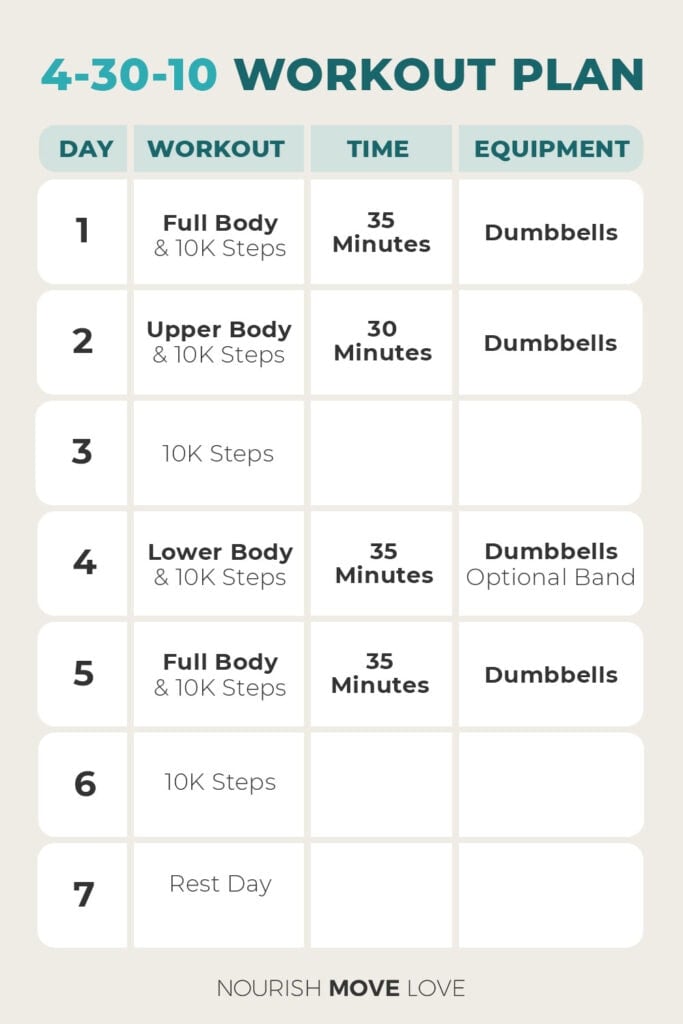
Accessing and using the Full Body Workout Plan PDF is simple and convenient. This digital format lets you carry your workout guide anywhere. You can view it on your phone, tablet, or computer. The PDF offers clear instructions and visuals for each exercise. It helps track your progress and stay consistent in your routine.
Download Instructions
Find the download link provided on the workout page. Click the link to start downloading the PDF file. Save the file in a folder you can easily access later. Open the PDF with any standard reader app. Make sure your device has enough storage space. Keep the file handy for daily reference during workouts.
Customizing The Plan
The PDF allows you to adjust the workout to fit your needs. Change the number of sets or repetitions to match your fitness level. Swap exercises with similar ones if needed. Add rest days between workout sessions for recovery. Use the notes section to track your personal progress. Tailoring the plan helps maintain interest and avoid burnout.
Tips For Staying Motivated
- Set small, clear goals for each workout session.
- Keep a workout journal to record your achievements.
- Mix exercises to keep the routine fun and fresh.
- Reward yourself after completing weekly milestones.
- Share your progress with friends or workout groups.
Consistency is key. Use the PDF as a daily guide and reminder.
Credit: www.nourishmovelove.com

Credit: www.mihasgrafik.com
Frequently Asked Questions
What Is Included In A Full Body Workout Plan Pdf?
A full body workout plan PDF includes exercises targeting all major muscle groups. It provides sets, reps, and rest times. The plan often suits beginners and intermediates. It ensures balanced muscle development and efficient calorie burning.
How Often Should I Do A Full Body Workout?
Aim to perform a full body workout 3 times per week. This frequency allows muscle recovery and growth. It suits busy schedules and promotes overall fitness. Adjust rest days based on your fitness level and goals.
Can A Full Body Workout Pdf Help With Weight Loss?
Yes, a full body workout PDF can aid weight loss. It combines strength and cardio exercises to burn calories. Regular workouts boost metabolism and improve muscle tone. Pair workouts with a balanced diet for best results.
Is A Full Body Workout Suitable For Beginners?
Absolutely, full body workouts are great for beginners. They focus on fundamental movements and overall strength. The PDF plan usually includes clear instructions and progressions. This helps beginners build confidence and avoid injury.
Conclusion
A full body workout plan PDF helps you stay on track easily. It saves time by combining exercises for all muscles. You can follow it at home or gym without guesswork. Regular workouts build strength, improve health, and boost energy.
Remember to start slow and increase effort step by step. Consistency matters more than speed or heavy weights. Keep your goals clear and enjoy the progress you make. This plan supports a balanced, active lifestyle for everyone.







