
Are you tired of your workout routine feeling monotonous and ineffective? If you’re looking for a fresh way to engage your muscles and enhance your fitness, you’re in the right place.
Frontal plane workouts might be just what you need. By focusing on side-to-side movements, these exercises target those often-neglected muscles, helping you build a balanced and strong body. Imagine the satisfaction of feeling more stable and agile in your daily activities.
Ready to discover how frontal plane workouts can transform your fitness journey? Let’s dive in and explore the benefits and exercises that will revitalize your routine and keep you coming back for more.

Credit: www.youtube.com
Benefits Of Frontal Plane Workouts
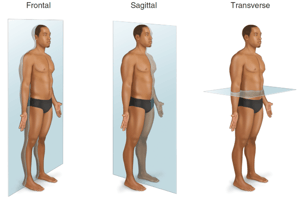
Frontal plane workouts target movements that go side to side. These exercises strengthen muscles often neglected in front-to-back workouts. They improve balance, coordination, and overall body control. Practicing frontal plane exercises leads to better daily movement and athletic performance.
Enhancing Lateral Stability
Side-to-side movements build lateral stability in the hips and legs. Strong lateral muscles help keep the body steady during walking or running. This stability reduces wobbling and improves posture. It also helps in quick changes of direction during sports or activities.
Improving Functional Strength
Frontal plane workouts mimic real-life movements like stepping sideways or reaching out. This improves strength in muscles used for daily tasks. Strong functional muscles make activities like climbing stairs or carrying objects easier. The body moves more efficiently and with less effort.
Preventing Injuries
Training side-to-side muscles helps balance muscle strength around joints. Balanced muscles protect joints from strain and overuse. This lowers the risk of common injuries like ankle sprains or knee pain. Regular frontal plane exercises support long-term joint health and mobility.
Credit: blog.nasm.org
Key Muscles Targeted
Understanding the key muscles targeted by frontal plane workouts can transform the way you approach your fitness routine. These exercises don’t just add variety; they activate muscle groups that often get overlooked in traditional training. By focusing on these muscles, you improve balance, coordination, and overall strength, which benefits daily movements and athletic performance.
Hip Abductors And Adductors
The hip abductors and adductors play a crucial role in side-to-side movements. Hip abductors, like the gluteus medius, help you lift your leg away from the body, which stabilizes your pelvis during walking or running. Hip adductors pull the leg toward the midline, supporting controlled movements and balance.
If you’ve ever struggled with knee pain or instability, strengthening these muscles through frontal plane workouts can offer relief. Exercises such as lateral leg raises or side lunges directly challenge these muscles, making them stronger and more resilient.
Core Stabilizers
Your core stabilizers work hard during frontal plane exercises to keep your body balanced and upright. Muscles like the obliques and transverse abdominis engage to prevent you from tipping over when shifting your weight sideways. This constant engagement improves your posture and reduces the risk of injury.
Think about the last time you lost your balance. Was your core strong enough to help you recover quickly? Incorporating frontal plane movements forces your core to react and adapt, building better stability over time.
Lower Body Muscles
Frontal plane workouts also hit several lower body muscles beyond just the hips. The quadriceps, hamstrings, and calves all contribute to controlled lateral movements. For example, side lunges activate these muscles differently than forward lunges, creating a more well-rounded lower body workout.
Adding these exercises to your routine challenges your muscles in new ways, enhancing strength and mobility. This can improve your performance in activities like hiking, dancing, or playing sports that require quick side-to-side action.
Effective Exercises To Try
Working out in the frontal plane challenges your body in ways that improve balance, coordination, and strength on the sides of your body. Focusing on exercises that move your limbs sideways helps you build stability and prevent injuries. Here are some effective exercises that you can add to your routine today.
Side Lunges
Side lunges target your inner and outer thighs while strengthening your glutes and quads. Stand with feet hip-width apart, then step out to one side, bending your knee and pushing your hips back. This movement improves lateral mobility and helps correct muscle imbalances you might not even notice.
Try performing 3 sets of 10-12 reps on each leg. Notice how your body feels more stable when you change directions quickly during sports or daily activities?
Lateral Band Walks
Lateral band walks are excellent for activating your hip abductors and improving knee stability. Place a resistance band just above your knees or around your ankles. With knees slightly bent, step sideways in small controlled movements, keeping tension on the band.
Doing 2-3 sets of 15-20 steps each way can make a big difference in your hip strength. How often do you focus on strengthening the muscles that keep your knees aligned?
Side Planks With Leg Raises
This exercise combines core stability with hip strength, targeting obliques and outer thighs simultaneously. Start in a side plank position, then slowly raise your top leg while keeping your body straight. Hold for a few seconds before lowering your leg back down.
Adding 3 sets of 8-10 leg raises per side to your workout can enhance your balance and control. Can you feel how much your core and hips work together during this move?
Incorporating Workouts Into Routine
Adding frontal plane workouts to your fitness routine can boost your balance, coordination, and overall movement quality. These exercises target side-to-side motions, often overlooked in traditional workouts. How often and how long you train in this plane can shape your progress and help prevent injuries.
Frequency And Duration
Start with 2 to 3 sessions per week focusing on frontal plane movements. Each session can last between 15 to 30 minutes, depending on your overall workout schedule. Consistency matters more than length—regular short bursts are better than occasional long sessions.
Keep an eye on how your body feels. If you notice soreness or tightness on your sides, give yourself extra recovery time. Listening to your body helps you avoid overtraining and stay motivated.
Combining With Other Planes Of Movement
Don’t isolate frontal plane exercises; blend them with sagittal (forward-backward) and transverse (rotational) movements. This creates a balanced workout that mimics real-life activities. For example, pair side lunges with forward squats and twisting planks in the same routine.
This mix challenges multiple muscle groups and improves functional fitness. Have you tried a workout that blends all three planes? It can transform how your body handles daily tasks and sports.
Progression And Variation
Start simple with bodyweight lateral raises or side lunges. Once comfortable, add resistance bands or weights to increase intensity. Change your foot placement or speed to keep your muscles guessing and prevent plateaus.
Varying your frontal plane workouts not only keeps things interesting but also builds strength in different ways. What new variation can you try this week to push your limits?
Common Mistakes To Avoid
Frontal plane workouts target side-to-side movements. Many people make mistakes that reduce benefits or cause injury. Avoiding common errors helps improve results and safety. Focus on correct technique and balanced training for best outcomes.
Neglecting Form
Proper form keeps muscles engaged and joints safe. Poor posture leads to strain and less muscle activation. Keep your core tight and movements controlled. Watch your knees and hips to avoid twisting or collapsing. Slow, steady motions beat fast, sloppy reps.
Overtraining One Plane
Only training the frontal plane causes muscle imbalance. Your body moves in three planes: frontal, sagittal, and transverse. Neglecting other planes limits overall fitness and increases injury risk. Mix frontal plane work with forward and rotational exercises. Balance keeps muscles strong and joints stable.
Ignoring Warm-up And Cool-down
Skipping warm-up tightens muscles and reduces range of motion. Cold muscles increase injury chances during side-to-side moves. Spend 5–10 minutes warming up with light cardio and dynamic stretches. Cooling down lowers heart rate and eases muscle soreness. Stretch hips, legs, and core after workouts.

Credit: www.druids.com
Frequently Asked Questions
What Are Frontal Plane Workouts?
Frontal plane workouts involve movements side to side. They target muscles that stabilize the body laterally. These exercises improve balance, coordination, and overall functional fitness.
Why Are Frontal Plane Exercises Important?
These exercises strengthen muscles that prevent side-to-side injuries. They enhance athletic performance and improve daily movement stability. Ignoring them can lead to muscle imbalances and poor posture.
Which Muscles Do Frontal Plane Workouts Target?
They primarily engage the glutes, hips, adductors, and abductors. Core muscles also activate to maintain balance. This leads to better lateral strength and mobility.
How Often Should I Do Frontal Plane Workouts?
Include them 2-3 times per week for best results. Consistency helps improve muscle strength and coordination. Always combine with other plane exercises for balanced fitness.
Conclusion
Frontal plane workouts help improve balance and body control. They target muscles on the sides of your body. Adding these exercises can reduce injury risk. You feel stronger and more stable in daily tasks. Try to include them in your routine often.
Small steps lead to better movement and health. Keep your workouts varied and consistent for best results. Your body will thank you with better strength and flexibility. Simple moves, big benefits.







