
Are you tired of complicated workout routines that require expensive equipment and monthly gym memberships? Imagine the freedom of staying fit anywhere, anytime without spending a dime.
A free calisthenics workout plan might be just what you need. This plan harnesses the power of your own body weight to build strength, flexibility, and endurance. Whether you’re a fitness enthusiast or just starting out, this guide will provide you with everything you need to transform your body and boost your confidence.
Ready to discover how you can achieve your fitness goals with just a few simple moves? Let’s dive into the world of calisthenics and unlock your potential.
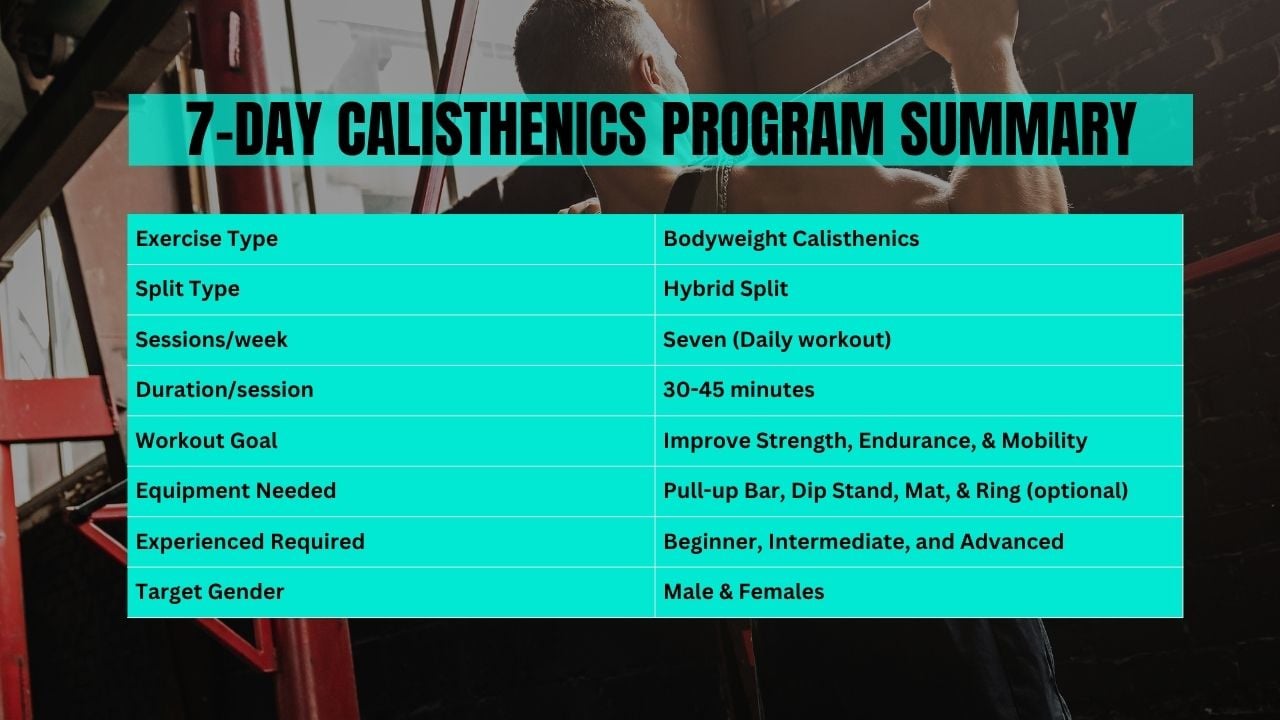
Credit: thefitnessphantom.com
Benefits Of Calisthenics
Calisthenics offers more than just a way to exercise; it transforms how your body moves and feels every day. You can build real strength, improve flexibility, and gain better control over your body without stepping into a gym. This workout style adapts to your pace and space, making it a practical choice for anyone ready to challenge their limits.
Improves Strength And Flexibility
Calisthenics workouts use your body weight to push and pull muscles in various ways. This means you develop strength evenly across your body, not just in isolated spots. Plus, many calisthenics moves stretch your muscles while you work, naturally increasing your flexibility over time.
Have you noticed how some exercises feel easier as your joints start moving more freely? That’s your flexibility improving alongside your strength.
Requires No Equipment
One of the biggest advantages of calisthenics is that it needs no special tools or machines. Your own body is all the equipment you need. This makes it easy to start anytime and anywhere, whether in a park, at home, or while traveling.
Think about how many times you skipped workouts because you didn’t have access to a gym. Calisthenics removes that barrier completely.
Enhances Body Control
Calisthenics demands focus on how you move, which sharpens your body awareness. You learn to control every muscle and joint, improving balance and coordination. This control helps in daily activities and reduces the risk of injuries.
Ask yourself: How often do you feel truly in tune with your body? Calisthenics trains you to feel exactly that, making movement more intentional and efficient.
Key Calisthenics Exercises
Calisthenics workouts use body weight to build strength and flexibility. They require no special equipment and can be done anywhere. Key exercises target major muscle groups to improve overall fitness. Simple moves form the base of an effective workout plan.
Push-ups Variations
Push-ups strengthen the chest, shoulders, and triceps. Start with basic push-ups to build upper body strength. Try variations like wide-arm, diamond, or incline push-ups. These changes challenge muscles differently and prevent workout boredom.
Pull-ups And Chin-ups
Pull-ups and chin-ups target the back, biceps, and shoulders. Use a bar or sturdy surface to pull your body up. Chin-ups involve palms facing you, while pull-ups have palms facing away. Both improve upper body strength and grip.
Squats And Lunges
Squats and lunges work the legs, hips, and glutes. Squats involve bending knees and lowering hips as if sitting. Lunges require stepping forward and bending both knees. These exercises enhance balance, strength, and mobility.
Planks And Core Workouts
Planks build core strength and stability. Hold your body straight, supported on forearms and toes. Variations include side planks and plank leg lifts. Strong core muscles improve posture and reduce injury risk.
Creating Your Workout Plan
Creating a workout plan is your first move toward mastering calisthenics. It’s not just about picking exercises; it’s about designing a routine that fits your lifestyle, skills, and goals. A well-crafted plan keeps you motivated and helps you avoid burnout or injury.
Setting Realistic Goals
Start by asking yourself what you want to achieve. Do you want to build strength, improve flexibility, or just get moving more? Setting clear, realistic goals helps you track progress and stay focused.
Break down big goals into small, achievable steps. Instead of aiming to do 20 pull-ups in a month, aim to add one more pull-up each week. This approach keeps you motivated and prevents frustration.
Choosing Exercises By Skill Level
Pick exercises that match your current ability. If you’re new to calisthenics, start with basics like push-ups, squats, and planks. These build a strong foundation.
As you get stronger, challenge yourself with advanced moves like muscle-ups or pistol squats. Adjusting exercises to your skill level helps prevent injury and keeps workouts enjoyable.
Balancing Workout Frequency And Rest
How often you work out matters as much as what exercises you do. Aim for consistency but listen to your body. Overtraining leads to fatigue and setbacks.
Plan rest days between intense sessions. For example, do calisthenics three times a week and rest or do light activity on off days. Your muscles need time to recover and grow stronger.
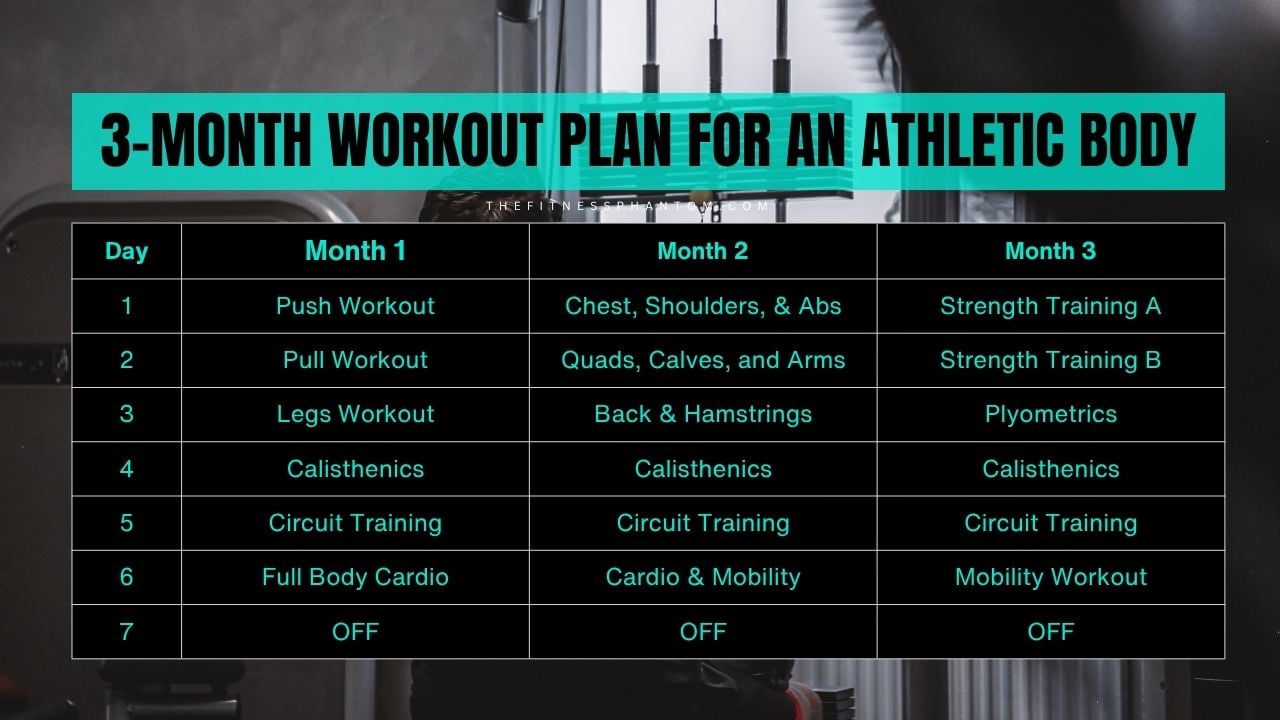
Credit: thefitnessphantom.com
Sample Weekly Workout Routine
Creating a workout routine that fits your current fitness level is key to making steady progress. A well-structured weekly plan balances intensity and recovery, keeping you motivated and injury-free. Whether you’re just starting or looking to push your limits, here’s a sample routine tailored to different skill levels.
Beginner Plan
This plan helps you build a solid foundation without overwhelming your body. Focus on mastering basic movements and improving your form.
- Monday:Push-ups (3 sets of 8-10), Bodyweight Squats (3×12), Plank (3×20 seconds)
- Wednesday:Assisted Pull-ups (3×5), Glute Bridges (3×15), Side Planks (3×15 seconds each side)
- Friday:Incline Push-ups (3×10), Walking Lunges (3×10 each leg), Superman Hold (3×20 seconds)
- Rest or light activity on other days.
Notice how rest days are just as important here as workout days. Have you ever felt sore and tried to push through? Rest can actually speed up your progress.
Intermediate Plan
Once basic exercises feel easier, it’s time to add volume and intensity. This routine introduces more challenging variations and longer holds.
- Monday:Standard Push-ups (4×15), Bulgarian Split Squats (3×12 each leg), Hollow Body Hold (3×30 seconds)
- Tuesday:Negative Pull-ups (4×6), Pike Push-ups (3×10), Leg Raises (3×15)
- Thursday:Diamond Push-ups (4×12), Step-back Lunges (3×12 each leg), Side Plank with Leg Lift (3×20 seconds each side)
- Saturday:Body Rows (4×10), Glute Bridges with March (3×20), Superman with Arm/Leg Raise (3×30 seconds)
- Active rest on Wednesday and Friday.
Try tracking your reps and sets—you’ll see progress more clearly. What small improvement will you aim for this week?
Advanced Plan
This schedule challenges your strength, endurance, and control through complex moves. It demands focus and consistent effort.
- Monday:Archer Push-ups (5×12), Pistol Squats (4×8 each leg), L-Sit Hold (4×20 seconds)
- Tuesday:Muscle-up Progressions (5×5), Handstand Push-ups (4×8), Hanging Leg Raises (4×20)
- Thursday:One-arm Push-ups (4×10 each side), Jumping Lunges (4×15 each leg), Side Plank with Reach Under (4×30 seconds each side)
- Friday:Front Lever Tuck Hold (4×15 seconds), Clap Pull-ups (4×8), Dragon Flags (4×10)
- Rest or mobility work on Wednesday and weekend.
Have you ever surprised yourself by hitting a new personal best? Advanced routines push your limits but remember to listen to your body.
Tips For Faster Progress
Seeing steady progress in your calisthenics journey depends on more than just showing up to workout. Small changes in how you approach your training can lead to faster and more noticeable results. Here are key tips to help you push your limits and reach your goals quicker.
Tracking Your Performance
Keep a workout journal or use an app to record your exercises, reps, and sets. This helps you spot patterns and know when to increase difficulty.
For example, I once hit a plateau with pull-ups until I tracked my reps daily. I realized I was skipping warm-ups and not resting enough. Adjusting these boosted my reps significantly within two weeks.
Do you know how much progress you make each week? Tracking forces you to face the facts and adjust your plan smartly.
Proper Nutrition
Your body needs fuel to build strength and recover. Eating enough protein supports muscle repair after intense workouts.
A simple way to improve your diet is to add a source of protein to every meal, such as eggs, chicken, beans, or tofu.
Don’t ignore hydration. Drinking water before, during, and after exercise keeps your muscles working efficiently and reduces fatigue.
Consistency And Motivation
Progress happens with regular effort. Skipping workouts or waiting for motivation can slow down your results.
Set a realistic schedule that fits your life. Even a 15-minute session counts if you stick to it daily.
Ask yourself what drives you. Is it gaining strength, looking better, or improving health? Reminding yourself of your “why” keeps motivation alive.

Credit: www.scribd.com
Common Mistakes To Avoid
Starting a free calisthenics workout plan is exciting, but avoiding common mistakes can make all the difference in your progress and safety. Many beginners push too hard or overlook important details, which can lead to setbacks. Let’s break down some pitfalls you should watch out for to keep your routine effective and injury-free.
Overtraining Risks
It’s easy to feel motivated and want to train every day, but your body needs time to recover. Overtraining can cause fatigue, muscle soreness, and even injuries that delay your progress.
Ask yourself: Are you allowing your muscles enough rest between sessions? Pay attention to persistent tiredness or a drop in performance—they’re signs you need to scale back. Quality beats quantity, so balance your workouts with rest days.
Ignoring Form And Technique
Proper form is crucial in calisthenics because it maximizes results and prevents injuries. Sloppy technique can lead to muscle imbalances and joint strain over time.
Focus on mastering each move slowly before increasing intensity. Recording yourself or working with a coach can help identify and fix mistakes. Are you prioritizing reps over form? If yes, it’s time to slow down and perfect your movements.
Skipping Warm-ups And Cool-downs
Warm-ups prepare your body for exercise by increasing blood flow and loosening muscles. Skipping them can make you more prone to strains and sprains.
Cool-downs help your body recover and reduce soreness after workouts. Simple stretches and breathing exercises can make a big difference. Do you tend to jump straight into exercises without warming up? Changing this habit can boost your performance and reduce injuries.
Resources For Continued Growth
Growth in calisthenics depends on consistent learning and practice. Using the right resources helps keep workouts fresh and challenging. These tools support your journey and encourage steady progress. They connect you with knowledge and like-minded people.
Apps And Online Communities
Apps offer structured plans and track your progress easily. They provide exercise demos and reminders for workouts. Online communities create support networks for sharing tips and motivation. Members exchange advice and celebrate milestones together.
Recommended Books And Videos
Books give detailed explanations of techniques and routines. Videos show correct form and variations for all skill levels. Watching experts helps avoid injuries and improve performance. They also inspire creativity with new moves and challenges.
Finding Local Calisthenics Groups
Local groups provide a chance to train with others nearby. They offer group workouts, meetups, and workshops. Joining these groups builds friendships and accountability. Training with others often pushes you to work harder.
Frequently Asked Questions
What Is A Free Calisthenics Workout Plan?
A free calisthenics workout plan is a no-cost exercise routine using bodyweight movements. It helps build strength, flexibility, and endurance without equipment. These plans suit beginners and advanced athletes alike. They can be done anywhere, making fitness accessible and convenient for all.
How Often Should I Follow A Calisthenics Workout?
For best results, perform calisthenics workouts 3 to 5 times per week. This frequency allows muscle recovery and consistent progress. Beginners may start with fewer sessions and gradually increase. Regular practice improves strength, endurance, and body control effectively over time.
Can Calisthenics Workouts Build Muscle Effectively?
Yes, calisthenics workouts build muscle by using body weight resistance. Exercises like push-ups, pull-ups, and squats target major muscle groups. Progressive overload through increased reps or difficulty boosts muscle growth. This method improves strength and muscle tone without gym equipment.
Do I Need Any Equipment For Calisthenics Workouts?
Most calisthenics workouts require no equipment, using just your body weight. However, optional tools like pull-up bars or resistance bands can enhance exercises. Beginners can start with basic moves and add equipment as they advance. This flexibility makes workouts adaptable and accessible.
Conclusion
This free calisthenics workout plan helps build strength and fitness. You can do these exercises anywhere, no equipment needed. Practice regularly to see steady improvement and feel healthier. Start small, stay consistent, and enjoy the process. Your body will thank you for the effort.
Keep challenging yourself gently, and progress will come. Fitness is a journey, not a race. Stay motivated, and use this plan as your guide. Simple steps lead to big results over time.







