
If you want stronger, more defined forearms, the right gym equipment can make all the difference. Your forearms do more than just look good—they help with grip strength, improve your performance in other workouts, and reduce the risk of injury.
But with so many options out there, how do you choose the best tools to target this important muscle group? You’ll discover the top forearm gym equipment that can transform your training and help you see real results faster. Get ready to take your workouts to the next level and build forearms that not only look powerful but feel unstoppable.
Key Benefits Of Forearm Training
Forearm training offers many benefits beyond just stronger arms. It improves grip strength, which helps in daily tasks and sports. Well-developed forearms reduce the risk of injuries in the wrists and hands. Training this area also supports better overall arm function and endurance.
Using forearm gym equipment targets muscles that often get ignored. This helps balance muscle development and prevent weakness. Strong forearms also improve performance in exercises like pull-ups and deadlifts. Let’s explore the key benefits of forearm training in detail.
Improved Grip Strength
Grip strength is essential for holding objects firmly. Strong forearms increase the power of your grip. This helps with lifting weights and carrying heavy items. Better grip also enhances performance in sports such as rock climbing and tennis.
Injury Prevention
Forearm training strengthens muscles and tendons around the wrist. This support lowers the chance of strains and sprains. It also helps avoid conditions like carpal tunnel syndrome. Strong forearms protect joints during physical activities.
Enhanced Muscle Endurance
Endurance in forearm muscles allows longer activity without fatigue. This is useful in sports, manual work, and weight training. Training with gym equipment builds stamina in these muscles. It helps maintain performance over time.
Better Overall Arm Strength
Forearms connect hands to the upper arm muscles. Strengthening them improves arm function as a whole. It aids in lifting, pulling, and pushing movements. Balanced arm strength reduces muscle imbalances and pain.
Functional Benefits For Daily Life
Strong forearms make everyday tasks easier. Activities like opening jars, carrying bags, and typing improve. This training enhances hand coordination and control. Forearm strength supports independence and quality of life.

Credit: www.amazon.ca
Essential Forearm Gym Tools
Forearm gym equipment helps build strength and improve grip. Tools like wrist rollers, grip trainers, and dumbbells target forearm muscles effectively. Using these tools regularly boosts endurance and hand control.
Unlocking the power of your forearms can transform your overall strength and fitness levels. Whether you’re a seasoned athlete or a fitness newbie, focusing on your forearm muscles can enhance grip strength, improve performance, and prevent injuries. With the right tools, you can make your forearm workouts more effective and engaging.Wrist Rollers
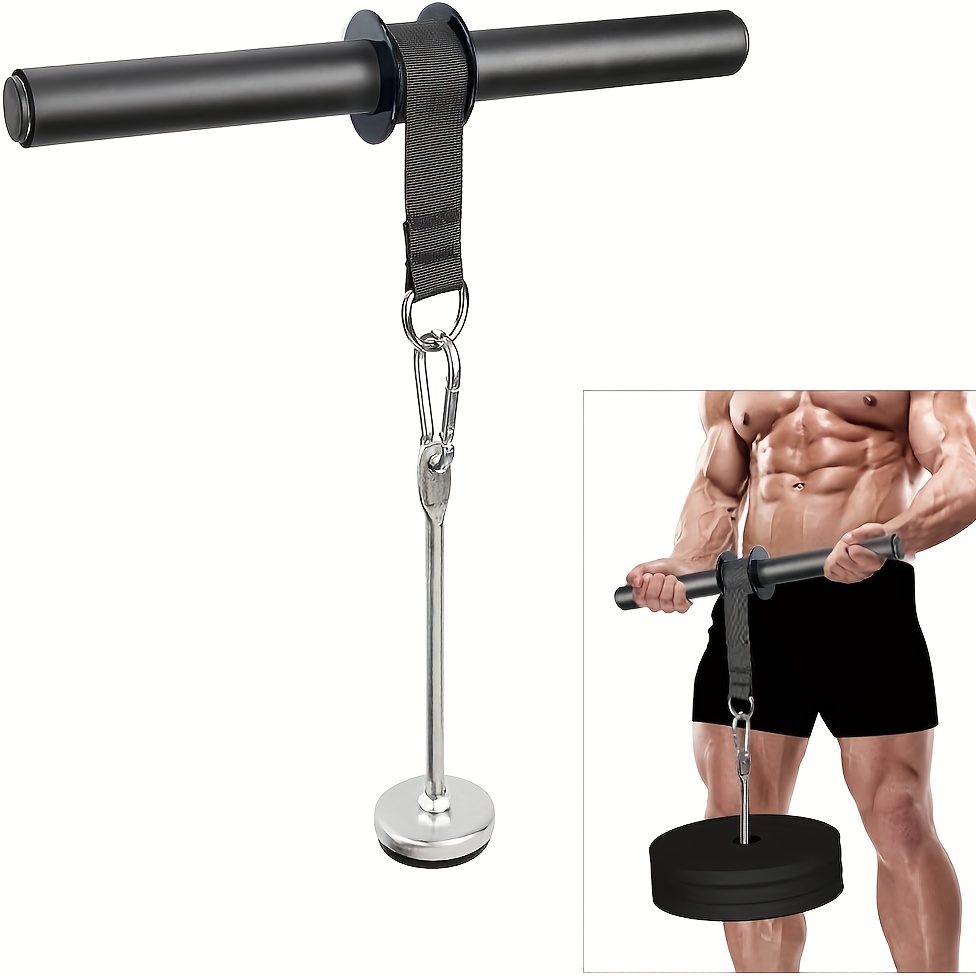
Wrist rollers are a staple for anyone serious about forearm training. They’re simple yet effective, providing an intense workout by rolling a weight up and down using a rope. Start with lighter weights and progressively add more as your strength improves.Grip Strengtheners
Grip strengtheners are compact and versatile, perfect for building hand and forearm strength. They can be used anywhere, from your office to your living room, making them a convenient tool for busy schedules. Adjust the resistance to match your current strength level and gradually increase it as you get stronger.Reverse Curls Equipment
Reverse curls target the muscles on the top side of your forearms. You can use dumbbells or a barbell for this exercise, depending on your preference and availability. Make sure to keep your movements slow and controlled to maximize muscle engagement and prevent injury.Forearm Blasters
Forearm blasters take your workout to the next level by targeting multiple muscles in one go. They usually consist of a handle connected to a weight via a rope, similar to wrist rollers but designed for a broader range of motion. Incorporating forearm blasters into your routine can lead to noticeable gains in both muscle size and strength.Hand Grippers
Hand grippers are perfect for strengthening your grip and improving endurance. They’re small enough to fit in your pocket, making them ideal for on-the-go training. Challenge yourself by increasing the tension over time and notice the difference it makes in your daily activities. Investing in essential forearm gym tools can significantly enhance your workout routine. So, which tool will you start with to boost your forearm strength today?Choosing The Right Equipment
Choosing the right forearm gym equipment can make a huge difference in your training progress. The right tools help you target muscles effectively while reducing the risk of injury. It’s important to match the equipment to your current skill level and fitness goals.
Equipment For Beginners
If you’re just starting, look for simple, easy-to-use equipment that builds basic strength and coordination. Wrist rollers and grip strengtheners are great choices because they allow controlled movements and gradual resistance increase.
Adjustable hand grippers let you start light and add resistance as your forearm muscles get stronger. These tools are compact and affordable, making them ideal for home workouts. Have you noticed how small, consistent efforts often lead to noticeable improvements?
Advanced Tools For Pros
For experienced lifters, advanced equipment offers more challenge and variety. Thick bar dumbbells and fat grip attachments demand greater grip strength and engage more muscle fibers.
Powerball gyroscopes and heavy hammer leverage tools add dynamic resistance that mimics real-world grip demands. These tools push your endurance and explosive strength to new levels. Are you ready to handle equipment that tests your limits and refines your forearm power?
Effective Forearm Exercises
Strong forearms improve grip and wrist stability. Effective forearm exercises help build muscle and prevent injury. These exercises target different muscle groups in the forearm. Focus on controlled movements to maximize results. Use gym equipment like dumbbells, barbells, or wrist rollers for better performance.
Wrist Flexion And Extension
Wrist flexion and extension develop the muscles on both sides of the forearm. Hold a dumbbell or barbell with your palm facing up for flexion. Slowly bend your wrist upward, then lower it back down. For extension, hold the weight with your palm facing down. Lift your wrist upward and return to the start position. Repeat for several sets to build strength.
Static Holds
Static holds improve grip strength and endurance. Grab a heavy dumbbell or kettlebell and hold it with your arm extended. Keep your wrist and forearm steady without moving. Hold the position for 20 to 60 seconds. This exercise trains your muscles to resist fatigue. Try different weights and hold times for variation.
Rotational Movements
Rotational movements target the forearm’s twisting muscles. Use a wrist roller or a light dumbbell. Hold the equipment with both hands and rotate your wrists slowly. Move your wrists clockwise and then counterclockwise. This action strengthens the muscles involved in wrist rotation. Perform multiple repetitions for best results.
Integrating Forearm Workouts In Your Routine
Integrating forearm workouts into your exercise routine boosts grip strength and arm endurance. Strong forearms improve performance in many sports and daily activities. Consistent training helps avoid injuries and balances arm muscles. Planning your forearm exercises carefully maximizes results without overtraining.
Workout Frequency
Train your forearms two to three times per week for steady progress. Allow at least 48 hours of rest between sessions. Forearms recover quickly but need time to rebuild muscle fibers. Avoid daily heavy workouts to prevent strain and fatigue.
Short, focused sessions work best. Aim for 10 to 15 minutes per workout. Include 3 to 4 different exercises targeting all forearm muscles. Monitor your grip strength and adjust frequency if needed.
Combining With Other Muscle Groups
Pair forearm exercises with workouts for biceps, triceps, or back muscles. These groups often work together in lifting and pulling movements. Combining saves time and improves overall arm strength.
Try adding forearm curls or wrist rolls after your main arm workout. Use lighter weights for forearms to avoid fatigue. Balance forearm training with exercises for the opposite muscle groups, like triceps or shoulders.
Credit: www.temu.com
Common Mistakes To Avoid
Forearm gym equipment helps build strength and improve grip. Many make errors that slow progress or cause injury. Avoiding these common mistakes ensures better results and safer workouts.
Using Too Much Weight
Choosing weights that are too heavy is a common mistake. It strains your muscles and joints. Start with lighter weights and increase gradually. This approach helps build strength safely and effectively.
Neglecting Proper Form
Good form matters more than heavy lifting. Poor technique can lead to injuries. Focus on controlled, smooth movements. Maintain wrist alignment and avoid jerking motions to protect your forearms.
Ignoring Warm-up And Stretching
Skipping warm-up and stretching harms your muscles. Cold muscles are prone to strains. Spend a few minutes warming up with light exercises. Stretch your forearms before and after workouts to reduce soreness.
Overtraining Without Rest
Forearm muscles need time to recover. Training every day without breaks causes fatigue and injuries. Schedule rest days and listen to your body’s signals. Rest helps muscles grow stronger and prevents burnout.
Failing To Vary Exercises
Repeating the same exercises limits progress. Muscles adapt and stop growing. Include different forearm exercises in your routine. Use various equipment to target all muscle parts for balanced strength.
Maintaining Forearm Health
Maintaining forearm health is essential if you want to get the most out of your forearm gym equipment without facing setbacks. Your forearms handle a lot of stress during workouts, so keeping them flexible and injury-free should be a priority. Simple habits can make a big difference in how your forearms perform and recover.
Stretching Techniques
Stretching your forearms before and after workouts helps improve blood flow and reduces stiffness. Try wrist flexor and extensor stretches by gently pulling your fingers back with the opposite hand. Hold each stretch for about 20 seconds and repeat 2-3 times on each arm.
Another effective stretch is the prayer stretch: place your palms together in front of your chest and slowly lower your hands while keeping them pressed. You should feel a stretch along your forearm muscles. Adding these stretches regularly keeps your tendons and muscles more flexible, which means less chance of discomfort.
Injury Prevention Tips
Are you pushing your forearms too hard without proper rest? Overworking these muscles can lead to strains or tendonitis. Pay attention to any persistent soreness and adjust your workout intensity accordingly.
Using proper grip technique on your gym equipment is crucial. Avoid gripping too tightly or using poor wrist angles, which can increase strain. Swap heavy lifting days with lighter sessions that focus on endurance or mobility to give your forearms a break.
- Warm up with light resistance before heavy sets
- Use supportive gear like wrist wraps if needed
- Maintain good posture and wrist alignment during exercises
Have you noticed how small changes in your routine impact your forearm health? Paying attention to these details can keep you progressing without setbacks.

Credit: www.amazon.ca
Frequently Asked Questions
What Is The Best Forearm Gym Equipment?
The best forearm gym equipment includes wrist rollers, grip trainers, and dumbbells. These tools target forearm muscles effectively. They improve grip strength, endurance, and muscle size. Choose equipment based on your fitness level and training goals for optimal results.
How Does Forearm Equipment Improve Grip Strength?
Forearm equipment increases grip strength by targeting wrist and finger muscles. Exercises with grip trainers and wrist rollers enhance muscle endurance. Stronger forearms improve overall lifting performance and reduce injury risk. Consistent training with proper equipment yields noticeable grip strength gains.
Can Forearm Gym Equipment Prevent Injuries?
Yes, forearm gym equipment helps prevent injuries by strengthening muscles and tendons. Improved grip and wrist stability reduce strain during heavy lifts. Strong forearms support joints, decreasing the risk of sprains and strains. Regular use promotes better muscle balance and injury resilience.
How Often Should I Train Forearms With Gym Equipment?
Train forearms 2-3 times per week for balanced muscle growth. Allow at least 48 hours of rest between sessions for recovery. Overtraining can cause strain and hinder progress. Consistent, moderate training with proper equipment yields the best results.
Conclusion
Strong forearms help in many daily tasks and sports activities. Using the right gym equipment makes training easier and more effective. Small tools like wrist rollers and grip trainers fit any workout plan. Regular practice builds strength, endurance, and better hand control.
Choose gear that suits your needs and skill level. Keep your routine simple and consistent for best results. Forearm workouts improve overall fitness and reduce injury risks. Start today and feel the difference in your grip power.







