
Imagine a world where staying healthy and fit is as simple as glancing at your wrist. For seniors, this isn’t just a dream—it’s a reality, thanks to the incredible innovation of fitness trackers.
Are you curious about how these nifty devices can revolutionize your daily routine and boost your well-being? You’re in the right place. Fitness trackers are designed with you in mind. They offer an easy and effective way to monitor your health.
Think of them as your personal wellness coach, always there to remind you to move, track your steps, monitor your heart rate, and even keep an eye on your sleep patterns. It’s like having a little companion that ensures you’re on the path to a healthier lifestyle. But what makes a fitness tracker truly indispensable for you, especially as a senior? The answer lies in its ability to empower you with knowledge about your own health. Imagine having the confidence to make informed decisions about your daily activities, understanding your body’s signals better, and being proactive about your health. That’s the power of a fitness tracker. We’ll explore why a fitness tracker could be the perfect addition to your life. We’ll uncover how it can transform not just your physical health but also enhance your peace of mind. Stick with us, and you’ll discover how this small device can make a big difference in your golden years.
Benefits Of Fitness Trackers For Seniors
Fitness trackers offer many benefits for seniors. They help keep track of health and encourage a more active lifestyle. These devices provide simple ways to monitor important health aspects and support better habits.
Improving Daily Activity
Fitness trackers motivate seniors to move more each day. They count steps and show progress clearly. Small goals become easier to reach with regular reminders. This can lead to better energy and strength over time.
Monitoring Heart Health
Many fitness trackers measure heart rate throughout the day. This helps seniors watch for unusual patterns early. Tracking heart health can guide better decisions and prompt timely doctor visits. It offers peace of mind with constant monitoring.
Enhancing Sleep Quality
Good sleep is important for health. Fitness trackers record sleep duration and quality. Seniors can see how well they rest each night. This data helps to improve bedtime routines and overall sleep habits.
Encouraging Consistency
Regular use of fitness trackers builds steady habits. They send reminders to move or exercise daily. This support helps seniors stay active without feeling overwhelmed. Consistency improves health and boosts confidence.

Credit: www.yahoo.com
Key Features To Look For
Choosing the right fitness tracker for seniors can make a big difference in staying motivated and monitoring health effectively. Focus on features that simplify use, extend battery life, and provide accurate health insights. Here’s what you should look for to get the most value and comfort from your device.
Ease Of Use And Display
A clear and simple interface matters more than fancy extras. Look for large, bright displays with easy-to-read fonts and icons. Touchscreens can be helpful, but physical buttons often offer better control for those with limited dexterity.
Think about how you interact with technology daily. Would you prefer a tracker that syncs automatically or one with minimal setup? Devices with voice prompts or simple notifications can also enhance your experience.
Battery Life And Charging
Long battery life reduces the hassle of frequent charging, which is especially important if you want continuous health monitoring. Some trackers offer up to a week or more on a single charge, giving you peace of mind.
Check how the device charges. Magnetic chargers or simple plug-ins can make a big difference in convenience. Have you ever struggled with tiny charging ports? Avoid that frustration by picking a model designed for easy handling.
Health Monitoring Sensors
Reliable sensors are key for tracking heart rate, sleep, and activity levels accurately. Advanced options might include blood oxygen measurement, fall detection, or ECG monitoring.
Do you want your tracker to alert you about irregular heartbeats or track your hydration? Consider which health features matter most to your lifestyle and health goals before deciding.
Durability And Comfort
Your fitness tracker should feel light and comfortable for all-day wear. Materials like soft silicone bands avoid skin irritation and are easy to clean.
Durability is also crucial. Choose water-resistant or waterproof models if you’re active outdoors or prone to spills. How often would you realistically wear your tracker if it felt bulky or uncomfortable?
Top Fitness Trackers For Seniors
Choosing the right fitness tracker can help seniors stay active and monitor their health easily. Many devices cater to different needs, from simple step tracking to advanced health monitoring. This guide highlights the best fitness trackers for seniors based on various important features.
Best For Simplicity
Simple fitness trackers offer easy-to-read screens and straightforward controls. They focus on basic features like step counting and sleep tracking. These devices are perfect for seniors who want minimal setup and clear information.
- Large display with clear numbers
- One-button operation
- Long battery life
- Basic step and activity tracking
Best For Advanced Health Tracking
Advanced trackers monitor heart rate, blood oxygen, and even irregular heartbeats. They provide detailed health data for seniors needing extra care. Many models sync with smartphones for easy access to reports.
- Continuous heart rate monitoring
- Blood oxygen level tracking
- Alerts for abnormal health readings
- Sleep quality analysis
Best Budget Options
Affordable fitness trackers deliver essential features at a low cost. These are great for seniors wanting to try fitness tracking without high expenses. They still offer reliable step counting and basic health data.
- Low price but good quality
- Simple user interface
- Basic activity and sleep tracking
- Decent battery life
Best For Mobility Assistance
Some fitness trackers include fall detection and emergency alerts. These help seniors who have mobility challenges or health risks. The devices connect to emergency contacts or services quickly.
- Fall detection sensor
- Emergency SOS button
- Real-time location tracking
- Easy to wear and comfortable

Credit: www.amazon.ca
Setting Up And Using A Fitness Tracker
Setting up and using a fitness tracker may seem complicated at first, but it quickly becomes second nature. These devices are designed to support your health journey, not to confuse you. With a few simple steps, your tracker will be ready to help you stay active and monitor your progress.
Initial Setup Tips
Start by charging your fitness tracker fully before the first use. This ensures the battery lasts longer during early setup and use. Next, put the tracker on your wrist comfortably—not too tight, but snug enough to stay in place during movement.
Follow the on-screen instructions carefully. You’ll usually be asked to enter basic info like your age, weight, and height. These details help the tracker provide accurate data tailored just for you.
Syncing With Smartphones
Most fitness trackers connect with smartphones to store and analyze your data easily. Download the app recommended by your tracker’s brand and create an account. This app becomes your health companion, displaying daily stats and trends.
Ensure Bluetooth is enabled on your phone before syncing. Sometimes, simply turning Bluetooth off and on fixes syncing problems quickly. If syncing fails, restarting both the tracker and phone often solves the issue.
Customizing Alerts And Reminders
Custom alerts keep you motivated without feeling overwhelmed. You can set reminders to move if you’ve been inactive too long or alerts for medication times. These small nudges help you maintain healthy habits throughout the day.
Adjust vibration intensity or sounds so they’re noticeable but not startling. Personalizing these settings ensures the tracker fits smoothly into your daily life. What kind of reminders would make your routine easier?
Interpreting Data
Your tracker collects lots of information, but raw numbers can be confusing. Focus on key metrics like daily step counts, heart rate, and sleep quality. These give a clear picture of your overall fitness and recovery.
Look for patterns rather than isolated readings. For example, noticing consistent low activity on weekends might help you plan more enjoyable exercises. How might understanding your data change the way you approach your health?
Incorporating Trackers Into Daily Life
Incorporating fitness trackers into daily life helps seniors stay active and healthy. These devices provide clear feedback on physical activity. They make it easier to monitor movement, heart rate, and sleep quality. Using a tracker regularly builds good habits and encourages consistent exercise.
Creating Realistic Fitness Goals
Set goals that match current fitness levels. Start with simple targets, like walking 5 minutes more daily. Gradually increase activity to avoid injury and frustration. Clear, small goals feel achievable and boost confidence.
Tracking Progress Over Time
Review data weekly or monthly to see improvements. Notice trends in steps, heart rate, or sleep patterns. Tracking progress helps identify what works and what needs change. Celebrate milestones to keep spirits high.
Using Data To Stay Motivated
Use tracker alerts and reminders to stay active. Set daily step counts or exercise goals. Share progress with family or friends for support. Positive feedback from the device encourages ongoing effort.
Safety Tips For Seniors
- Consult a doctor before starting new exercises.
- Choose trackers with easy-to-read displays and simple controls.
- Wear the device comfortably to avoid skin irritation.
- Stop any activity that causes pain or dizziness.
- Stay hydrated and rest as needed during workouts.
Common Challenges And Solutions
Using a fitness tracker as a senior can bring many benefits, but it also comes with its own set of challenges. Understanding these common obstacles and knowing how to address them can make your experience smoother and more rewarding.
Dealing With Technical Issues
Technical glitches can be frustrating, especially if you’re not very tech-savvy. Apps may freeze, syncing might fail, or the device might not respond as expected.
Try restarting the device or reinstalling the app first. Many manufacturers offer easy-to-understand guides or customer support specifically for seniors. Don’t hesitate to ask a family member or friend for help if needed.
Have you ever felt stuck because of a simple tech problem? Often, the solution is easier than it seems once you get the right support.
Overcoming Motivation Slumps
It’s normal to lose motivation after a few weeks of tracking your activity. The excitement can wear off, making it harder to keep up with your goals.
Set small, achievable targets instead of big ones. Celebrate every little success to keep your spirits high. Joining a community or involving a workout buddy can also spark your motivation.
What daily step count would make you feel proud? Adjusting your goals to fit your lifestyle can keep you engaged over time.
Adjusting For Mobility Limitations
Mobility challenges may affect how you use your fitness tracker. Some activities might be difficult or impossible depending on your condition.
Choose trackers that allow you to customize your activity types, like tracking seated exercises or gentle stretching. Focus on your progress rather than comparing yourself to others.
Have you explored all the ways your tracker can be tailored to your unique movement abilities? Small tweaks can make a big difference.
Ensuring Privacy And Data Security
Your health data is sensitive, and protecting it should be a priority. Some fitness apps collect more information than you might realize.
Check privacy settings carefully and limit the data you share. Use strong passwords and keep your device updated to protect against security risks.
Do you regularly review the permissions you grant to apps? Taking control over your data can give you peace of mind as you stay active.
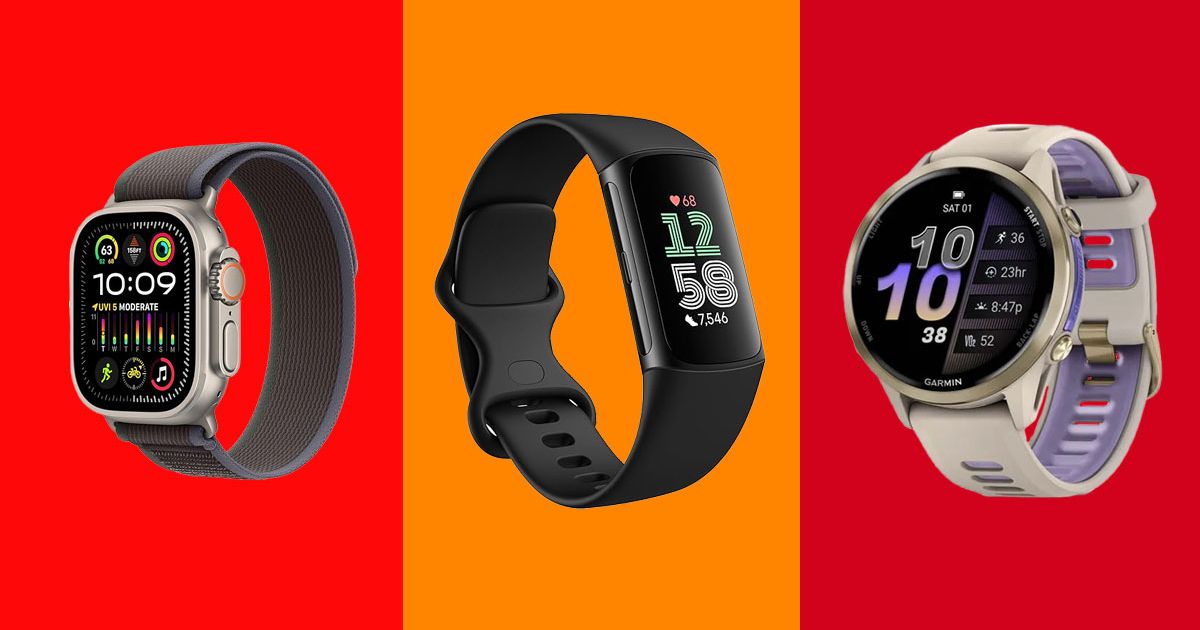
Credit: nymag.com
Frequently Asked Questions
What Features Should Seniors Look For In A Fitness Tracker?
Seniors should seek trackers with heart rate monitoring, step counting, fall detection, and easy-to-read displays. Long battery life and waterproof design are also important. These features help track health accurately and ensure safety during daily activities.
Are Fitness Trackers Easy For Seniors To Use?
Yes, many fitness trackers offer simple interfaces and large displays designed for seniors. Voice commands and smartphone app integration make usage easier. Choosing a model with intuitive controls enhances the overall experience for older adults.
How Can Fitness Trackers Improve Seniors’ Health?
Fitness trackers motivate seniors to stay active by tracking steps and exercise. They monitor heart rate and sleep patterns, aiding in health management. These devices encourage regular movement, improving overall fitness and reducing health risks.
Do Fitness Trackers Help Monitor Chronic Conditions In Seniors?
Yes, some fitness trackers monitor heart rate, blood oxygen, and sleep quality. These metrics assist in managing chronic illnesses like diabetes or heart disease. Real-time data can alert users to potential health issues early.
Conclusion
Fitness trackers help seniors stay active and healthy every day. They make it easy to track steps, heart rate, and sleep. Using one can encourage better habits and more movement. Many models are simple and comfortable to wear. Choose a tracker that fits your needs and lifestyle.
Staying active supports independence and improves mood. Small changes lead to big health benefits over time. A fitness tracker can be a helpful tool on this journey. Keep moving, stay motivated, and enjoy a healthier life.







