
How fit are you for your age? Knowing your fitness level is more than just a number—it’s a clear sign of how well your body is keeping up with life’s demands.
Whether you want to improve your health, boost your energy, or simply feel better every day, understanding your fitness level by age is the key. This test isn’t about competition; it’s about discovering where you stand and what steps you can take to become stronger and healthier.
Ready to find out how your body measures up? Keep reading, and let’s unlock your full potential together.
Importance Of Fitness Testing
Fitness testing measures your physical health and ability. It helps track strength, endurance, and flexibility. Testing shows how well your body works at any age. This information guides better health and fitness choices.
Testing regularly helps spot changes in your fitness. It can reveal improvements or areas needing work. Knowing your fitness level prevents injuries and health problems. Fitness testing motivates you to stay active and healthy.
Understanding Your Current Fitness Status
Fitness tests give a clear picture of your body’s condition. They show strengths and weaknesses in your fitness. This helps set realistic and safe goals for improvement.
Regular fitness tests show how your body changes. You see gains in strength or endurance. Tracking progress keeps you motivated to continue exercising.
Personalizing Your Fitness Plan
Test results help tailor workouts to your needs. You focus on areas that need improvement. Personalized plans increase workout effectiveness and safety.
Preventing Health Risks
Fitness testing detects potential health issues early. It highlights risks like heart problems or poor mobility. Early detection allows timely action to stay healthy.
Setting Realistic And Achievable Goals
Knowing your fitness level helps create clear goals. Goals become more reachable and specific. This improves your chances of success and satisfaction.
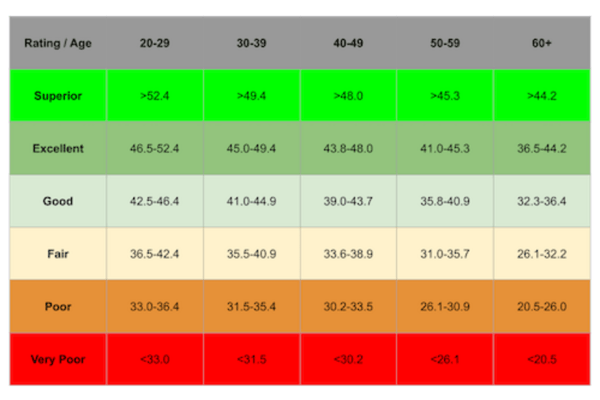
Credit: www.styku.com
Age-specific Fitness Metrics
Age-specific fitness metrics help track physical health at different life stages. Each age group has unique fitness markers. These markers guide safe and effective exercise routines. They also help spot potential health risks early.
Fitness tests measure strength, endurance, flexibility, and cardiovascular health. Understanding these metrics makes fitness goals realistic and achievable. Tailoring fitness tests by age ensures accurate results.
Childhood And Adolescence
Fitness tests for children focus on growth and motor skills development. Common metrics include:
- Running speed and agility
- Muscle strength through simple exercises
- Flexibility using stretch tests
- Endurance via timed activities like jumping or cycling
These tests encourage healthy habits and physical confidence. They also help detect early signs of health issues.
Young Adults
Young adults face increased physical demands from work and lifestyle. Fitness tests focus on:
- Cardiovascular endurance through running or cycling tests
- Muscle strength using weight or resistance exercises
- Flexibility to prevent injuries
- Body composition for overall health
Metrics here help optimize performance and maintain health. They support building a strong fitness foundation.
Middle-aged Adults
Fitness tests for middle-aged adults monitor changes in metabolism and muscle mass. Key metrics include:
- Cardiovascular health with walking or step tests
- Muscle strength to combat natural decline
- Balance and flexibility for injury prevention
- Body fat percentage for disease risk assessment
These metrics guide adjustments in fitness routines. They help maintain energy and independence.
Seniors
Senior fitness tests focus on mobility, balance, and endurance. Important metrics are:
- Walking speed to assess mobility
- Balance tests to prevent falls
- Strength through light resistance exercises
- Endurance using low-impact activities
Tracking these metrics supports safe daily activities. It promotes longer, healthier living.
Types Of Fitness Tests
Understanding the different types of fitness tests can help you gauge your overall health and pinpoint areas that need improvement. Each test focuses on a specific aspect of fitness, giving you a clear picture of your strengths and weaknesses. Knowing which tests to take allows you to track progress and set realistic goals tailored to your age and lifestyle.
Cardiovascular Endurance
Cardiovascular endurance measures how well your heart and lungs work during sustained physical activity. Tests like the mile run or the step test show how efficiently your body uses oxygen. Improving this area can boost your energy and reduce risks of heart disease.
Have you ever noticed how quickly you get winded climbing stairs? That’s a simple, everyday way to check your cardiovascular fitness.
Muscular Strength
This test evaluates the maximum force your muscles can exert in a single effort. Common examples include push-ups, pull-ups, or lifting weights. Building muscular strength not only improves your appearance but also supports daily tasks and prevents injuries.
Think about how easily you carry groceries or lift heavy objects. Your muscular strength plays a key role in these routine activities.
Flexibility
Flexibility tests assess the range of motion in your joints and muscles. The sit-and-reach test is a popular way to measure this. Good flexibility helps you move freely and reduces muscle tightness and soreness.
When was the last time you touched your toes without bending your knees? That simple stretch can reveal a lot about your flexibility.
Balance And Coordination
Balance and coordination tests check your ability to maintain control of your body’s position. Activities like standing on one leg or walking heel-to-toe are common assessments. Improving these skills lowers your risk of falls and enhances overall movement efficiency.
Have you tried standing on one foot while brushing your teeth? It’s a quick way to challenge your balance and get immediate feedback.

Credit: www.jacc.org
Interpreting Test Results
Interpreting your fitness level test results is key to understanding where you stand physically and how you can improve. It’s not just about numbers; it’s about what those numbers mean for your body and lifestyle. Taking the time to analyze your results properly will help you make smarter decisions about your health journey.
Benchmarking By Age Group
Fitness standards shift as you get older. What’s excellent for a 25-year-old might be average for someone in their 50s. That’s why comparing your results against your specific age group gives you a clearer picture.
Here’s a simple way to benchmark your test scores:
| Age Group | Fitness Level | Example: 1-Mile Run Time |
|---|---|---|
| 20-29 | Excellent | 6 minutes or less |
| 30-39 | Average | 7-8 minutes |
| 40-49 | Below Average | 9 minutes or more |
Remember, these benchmarks are guidelines. Your personal history and current health status matter too. Have you noticed how small changes in your routine affect these numbers?
Setting Realistic Goals
Once you know where you stand, the next step is to set goals that challenge you without overwhelming you. Unrealistic targets can lead to frustration and quitting. Aim for progress that feels doable and rewarding.
Try breaking your goals down into smaller milestones. For example, if your goal is to improve your 1-mile run time by 2 minutes, start by shaving off 30 seconds each month. This approach keeps motivation high and results visible.
- Focus on consistency over perfection.
- Adjust goals based on how your body responds.
- Celebrate small wins to keep your momentum.
What’s one small change you can make this week to move closer to your fitness goals? Setting clear, realistic targets will keep your journey on track and enjoyable.
Improving Fitness Levels
Improving your fitness level is a journey that requires more than just showing up at the gym. It demands a smart approach tailored to your age, body, and lifestyle. Understanding how to enhance your fitness effectively can help you avoid plateaus and keep your progress steady.
Tailored Exercise Programs
Your body changes as you age, so your workout should too. A 30-year-old’s routine won’t work the same way for a 50-year-old. You need exercises that match your current fitness level and goals.
Start by assessing your strengths and weaknesses. Are you struggling with endurance, strength, or flexibility? Focus on those areas with specific workouts.
- If endurance is low, add brisk walking, cycling, or swimming sessions.
- For strength, try bodyweight exercises or light weights with more repetitions.
- Flexibility can improve with yoga or stretching routines.
Adjust the intensity and frequency gradually to avoid injury. Have you noticed how small changes in your routine can create big results?
Nutrition And Recovery
Exercise alone isn’t enough. Your body needs proper fuel and rest to build fitness. Without good nutrition, your workouts won’t deliver the results you want.
Focus on balanced meals with enough protein, healthy fats, and carbohydrates. Protein repairs muscles, carbs give you energy, and fats support overall health.
- Include lean meats, beans, nuts, and whole grains in your diet.
- Stay hydrated throughout the day, not just during workouts.
- Limit processed foods and added sugars that can slow progress.
Recovery is just as important. Are you giving yourself enough time to rest between workouts? Sleep, stretching, and active recovery days help your muscles rebuild and improve.
Credit: medium.com
Tracking Progress Over Time
Tracking your fitness progress over time is essential to understand how your body responds to exercise and lifestyle changes. It helps you stay motivated and make informed decisions about your workout routine. By regularly testing your fitness level by age, you get clear evidence of improvement or areas needing attention.
Monitoring Changes
Keep a fitness journal or use apps to record your test results consistently. Note key metrics like endurance, strength, flexibility, and heart rate recovery after workouts. Watching these numbers change gives you a real sense of progress beyond just how you feel.
Sometimes progress is slow or uneven, which is normal. Are you noticing improvements in some areas but not others? This insight can guide where to focus more effort or rest.
Adjusting Fitness Plans
Use your tracked data to tweak your fitness plan. If your endurance improves but strength stays the same, add more resistance training to your routine. If progress stalls, consider changing intensity or trying new exercises to challenge your body.
Remember, your fitness needs evolve as you age. What worked last year might need a refresh now. Are you ready to adjust your plan based on what your progress shows?
Common Myths About Age And Fitness
Many people believe age limits what the body can do. These ideas often stop people from trying new activities. Age does affect fitness, but it does not control it. Understanding the truth helps everyone stay active and healthy.
Fitness depends on habits, not just years lived. Exercise, diet, and rest shape strength and energy. Misunderstandings about age and fitness can cause fear and doubt. Clearing these myths brings confidence and motivation.
Debunking Age-related Fitness Myths
- Older adults cannot build muscle. Truth: Muscles grow at any age with training.
- Exercise is risky for seniors. Truth: Safe workouts improve heart and bones.
- Fitness declines quickly after 50. Truth: Activity slows aging effects on the body.
- Only young people should do intense workouts. Truth: Older adults can adjust intensity safely.
- Flexibility disappears with age. Truth: Stretching helps maintain flexibility at any age.
- Rest is more important than exercise for seniors. Truth: Balance of rest and activity is best.
Frequently Asked Questions
What Is A Fitness Level Test By Age?
A fitness level test by age measures physical health and endurance relative to age. It helps track fitness progress and sets realistic goals. Age-specific tests consider natural body changes, making results more accurate and useful for personalized fitness plans.
How Often Should I Take A Fitness Test By Age?
You should take a fitness test by age every 3 to 6 months. Regular testing tracks improvements and highlights areas needing attention. Consistent evaluation helps adjust workouts and maintain motivation for long-term health benefits.
Why Is Age Important In Fitness Testing?
Age impacts muscle strength, flexibility, and cardiovascular health. Fitness tests consider age to provide relevant benchmarks. This ensures assessments are fair and tailored, helping you avoid injury and set achievable fitness goals.
What Exercises Are Included In Fitness Tests By Age?
Common exercises include cardio endurance, strength, flexibility, and balance tests. Examples are walking, push-ups, sit-and-reach, and balance stands. These exercises assess overall fitness and identify strengths and weaknesses specific to your age group.
Conclusion
Fitness levels change as we age, and testing helps track progress. Simple tests show strengths and areas to improve. Regular fitness checks keep you motivated and healthy. Small steps each day lead to big results over time. Stay active, listen to your body, and set realistic goals.
Remember, fitness is a journey, not a race. Keep moving forward at your own pace. This helps you live a stronger, happier life every year.







