
Are you ready to feel stronger, more energetic, and confident every day? Fitness for women over 60 isn’t just about exercise—it’s about reclaiming your vitality and enjoying life to the fullest.
Whether you want to boost your balance, improve your mood, or simply move with more ease, this guide is made for you. Keep reading to discover simple, effective ways to make fitness a natural and enjoyable part of your daily routine.
Your best years are still ahead, and it starts with taking care of your body now.

Credit: www.goodhousekeeping.com
Benefits Of Fitness After 60
Fitness after 60 offers numerous benefits for women. Engaging in regular exercise boosts physical health and enhances mental well-being. It helps maintain independence and improves quality of life. Let’s explore some key benefits of staying active after 60.
Improved Strength And Mobility
Regular exercise increases muscle strength. It enhances joint flexibility. This reduces the risk of falls and injuries. Activities like walking and stretching improve balance. Strength training builds muscle mass. It supports daily activities with ease.
Enhanced Mental Health
Exercise boosts mood and reduces stress. It releases endorphins, which are natural mood lifters. Staying active improves memory and cognitive function. It provides a sense of accomplishment. Group exercises offer social interaction. This combats feelings of loneliness.
Disease Prevention
Regular activity lowers the risk of chronic diseases. It helps manage weight and controls blood pressure. Exercise reduces the risk of heart disease and diabetes. It strengthens the immune system. This protects against illnesses.
Boosted Energy Levels
Physical activity increases energy by improving blood circulation. It enhances sleep quality, making you feel more refreshed. Regular exercise reduces fatigue. It helps maintain a healthy weight, boosting stamina. Staying active keeps you vibrant and lively.
Key Fitness Components
Understanding the key fitness components is essential for women over 60 who want to stay active, healthy, and independent. Each element plays a distinct role in maintaining your strength, endurance, and overall mobility. Focusing on these areas can help you create a balanced routine that supports your daily activities and long-term wellness.
Strength Training Essentials
Building muscle strength is crucial as you age. It helps you perform everyday tasks like carrying groceries or climbing stairs with ease. You don’t need heavy weights; even light dumbbells or resistance bands can make a big difference.
Start with exercises targeting major muscle groups: legs, arms, back, and chest. Aim for two to three sessions a week, allowing rest days in between. Remember, increasing your strength also boosts your metabolism and bone density.
Cardiovascular Exercises
Keeping your heart healthy is vital. Activities such as brisk walking, swimming, or cycling raise your heart rate and improve circulation. You might find group classes or walking clubs enjoyable and motivating.
Try to get at least 150 minutes of moderate cardio exercise weekly. This can be split into shorter sessions—like 30 minutes five days a week—to fit your schedule. Have you noticed how a good walk clears your mind and lifts your mood?
Flexibility And Balance
Flexibility prevents stiffness and reduces the risk of injury. Simple stretches after your workouts can increase your range of motion. Yoga or tai chi are excellent choices that also promote relaxation.
Balance exercises are equally important to avoid falls. Standing on one foot or walking heel-to-toe for a few minutes daily can improve stability. What small change could you make today to feel steadier on your feet?
Core Stability Workouts
Your core supports posture and protects your spine. Strong core muscles make daily movements smoother and reduce back pain. Exercises like pelvic tilts, seated marches, or gentle abdominal tightening can be done anywhere.
Consistency matters more than intensity here. Even a few minutes each day can build endurance and prevent discomfort. How often do you check in with your posture throughout the day?
Safe Workout Practices
Staying active after 60 is a powerful way to maintain health and independence. But safety should always be your top priority during workouts. Understanding how to protect your body can make your fitness journey more enjoyable and effective.
Warm-up And Cool-down Routines
Starting your workout with a gentle warm-up prepares your muscles and joints for activity. Simple movements like marching in place or shoulder rolls can increase blood flow and reduce stiffness. Warming up just 5 to 10 minutes can lower your risk of injury and improve your performance.
Cooling down is just as important. It helps your heart rate return to normal and prevents dizziness or muscle soreness. Stretching after exercise keeps your muscles flexible and supports recovery. Have you noticed how skipping cool-downs sometimes makes your muscles ache the next day?
Proper Technique And Form
Using the right form during exercises prevents strain and injuries. Whether lifting weights or doing yoga poses, focus on controlled movements and steady breathing. If you’re unsure, asking a trainer or watching instructional videos can be a game changer.
Remember, quality beats quantity. Doing fewer reps correctly is better than many done poorly. How often do you pause to check your posture during workouts?
Listening To Your Body
Your body sends signals that you must learn to recognize. Sharp pain, dizziness, or extreme fatigue are red flags that something isn’t right. It’s okay to slow down or stop when needed—pushing through pain can lead to setbacks.
Sometimes, discomfort is just your muscles adapting, but distinguishing this from injury pain is crucial. Have you ever ignored a warning sign and regretted it later?
Avoiding Common Injuries
Injuries like sprains, strains, and falls can be prevented with careful habits. Using supportive shoes, exercising on even surfaces, and avoiding sudden jerky movements reduce risks. Strengthening your core and improving balance also protect against falls.
Hydration and rest play big roles too—dehydration and fatigue make injuries more likely. What small change can you make today to exercise safer?
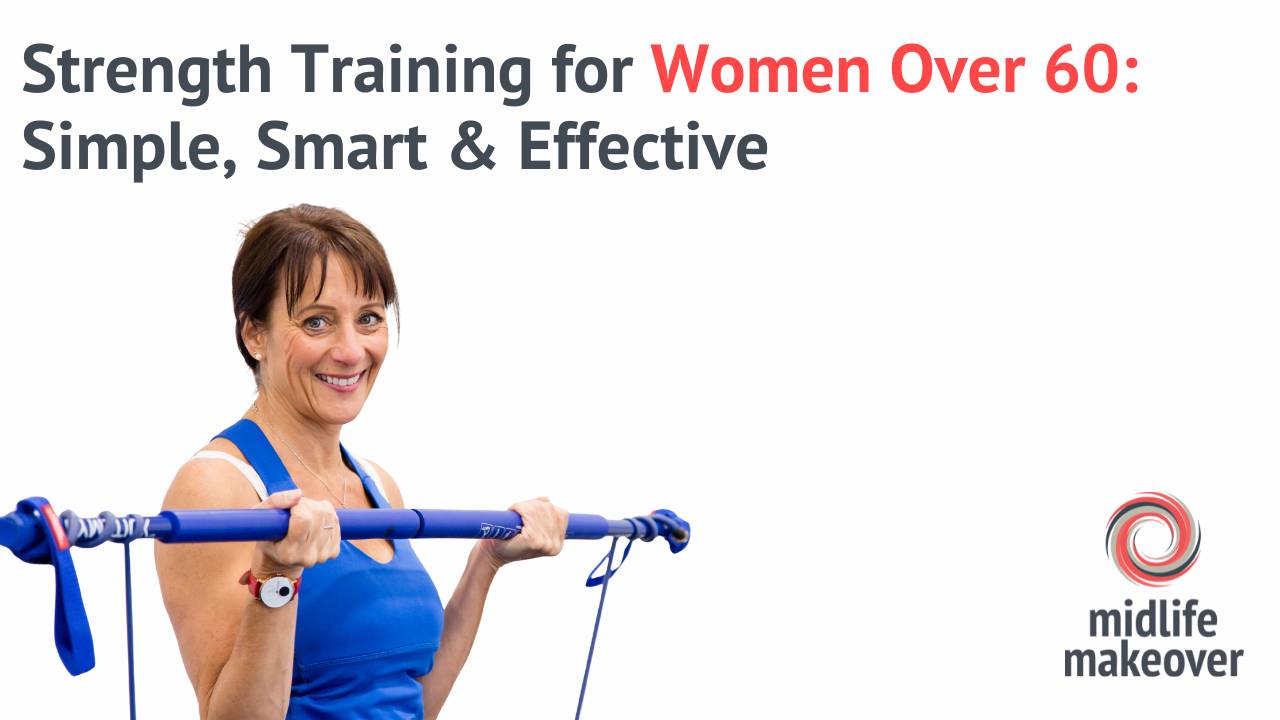
Credit: www.midlifemakeover.co.uk
Sample Workout Plans
Creating a workout routine that fits your lifestyle and fitness level is key to staying active and healthy after 60. Sample workout plans give you a clear path to follow, helping you build strength, improve flexibility, and maintain cardiovascular health. Let’s look at routines designed to meet you where you are and support your goals.
Beginner Strength Routine
Start with simple bodyweight exercises that target major muscle groups. Focus on moves like wall push-ups, seated leg lifts, and chair squats. These build strength without putting too much strain on your joints.
- Wall Push-ups: 2 sets of 10 reps
- Seated Leg Lifts: 3 sets of 12 reps per leg
- Chair Squats: 2 sets of 8 reps
- Bicep Curls with Light Weights: 2 sets of 10 reps
Consistency matters more than intensity here. How does your body feel after these exercises? Adjust the reps to match your comfort and progress gradually.
Low-impact Cardio Sessions
Cardio doesn’t have to be harsh on your knees or hips. Walking, swimming, and cycling are excellent low-impact choices that raise your heart rate safely.
- Brisk Walking: 20-30 minutes
- Water Aerobics: 30 minutes
- Stationary Bike: 15-20 minutes
Try mixing these activities to keep things interesting. Which of these feels most enjoyable for you? Enjoyment is a powerful motivator to keep moving.
Flexibility And Balance Drills
Flexibility and balance are crucial to prevent falls and maintain independence. Gentle stretches and balance exercises improve your range of motion and stability.
- Standing Calf Stretch: Hold for 20 seconds, repeat 3 times
- Seated Spinal Twist: Hold for 15 seconds, repeat 2 times per side
- Single-Leg Stand: Hold for 10-15 seconds per leg, 3 repetitions
- Tai Chi or Yoga Basics: 20 minutes
Try these drills daily or after your workouts. Notice if your balance feels steadier after a few weeks. What small changes can you make to improve your daily movements?
Weekly Fitness Schedule
| Day | Activity | Duration |
|---|---|---|
| Monday | Beginner Strength Routine | 30 minutes |
| Tuesday | Low-Impact Cardio (Walking or Cycling) | 30 minutes |
| Wednesday | Flexibility and Balance Drills | 20 minutes |
| Thursday | Rest or Light Activity (Stretching, Leisure Walk) | 15-20 minutes |
| Friday | Beginner Strength Routine | 30 minutes |
| Saturday | Low-Impact Cardio (Swimming or Water Aerobics) | 30 minutes |
| Sunday | Rest or Gentle Yoga | 20 minutes |
Does this schedule fit your week? Feel free to swap days or activities based on your energy and preferences. Your best workout plan is one you look forward to doing regularly.
Nutrition Tips For Vitality
Feeling energetic and strong after 60 depends a lot on what you eat. Nutrition plays a huge role in keeping your body vibrant and your mind sharp. Simple changes in your daily meals can make a big difference in how you feel every day.
Protein Needs After 60
Your body needs more protein as you age to maintain muscle and support recovery. Aim for lean sources like chicken, fish, beans, and low-fat dairy. I noticed a boost in my energy when I added a protein-rich snack, like Greek yogurt or a handful of nuts, between meals.
How often do you check if you’re getting enough protein? Even small additions can help protect your muscles and keep you moving comfortably.
Hydration Importance
Drinking enough water is crucial but often overlooked. Older adults may not feel thirsty as much, yet your body still needs fluids to stay healthy. Try carrying a water bottle and setting reminders if you forget to drink throughout the day.
Besides water, herbal teas and soups count toward hydration too. What’s your favorite way to stay hydrated?
Vitamins And Minerals
Certain vitamins and minerals become more important after 60, like vitamin D, calcium, and B12. These help with bone strength, energy, and brain function. I started adding fortified cereals and leafy greens to my meals, which made a noticeable difference in my overall vitality.
Are you paying attention to these nutrients in your diet? A simple blood test can reveal if you need supplements.
Meal Timing And Frequency
Eating smaller, balanced meals more frequently can keep your energy steady and digestion smooth. Instead of three large meals, try five to six smaller ones with a mix of protein, healthy fats, and carbs. This approach helped me avoid energy crashes and kept hunger in check.
Have you experimented with meal timing to see what makes you feel best? Your body’s rhythm may surprise you.
Motivation And Consistency
Staying motivated and consistent in fitness after 60 can feel challenging, but it’s absolutely doable. Your journey is unique, and keeping your drive alive means understanding what works best for you. It’s not about pushing harder every day, but about creating habits that fit your lifestyle and keep you moving forward.
Setting Realistic Goals
Setting goals that match your current fitness level helps you avoid frustration. Instead of aiming for intense workouts, focus on achievable milestones like walking 15 minutes daily or doing gentle strength exercises thrice a week. These small wins boost your confidence and encourage you to keep going.
Ask yourself: What can I realistically commit to this week without feeling overwhelmed? Adjust your goals as you progress, and celebrate every step forward.
Tracking Progress
Keeping a simple log of your activities can make a big difference in staying consistent. You could use a notebook, an app, or even a calendar to mark your workouts. Seeing your progress over time turns effort into visible results, which fuels motivation.
Try noting how you feel before and after exercise. Do you notice more energy or less stiffness? These personal insights often matter more than numbers on a scale.
Finding Support Networks
Having others to share your fitness journey with adds accountability and encouragement. Look for local walking groups, online forums, or fitness classes designed for women over 60. Connecting with people who understand your challenges makes sticking to your routine easier and more enjoyable.
Think about who in your life can cheer you on or even join you in activity. Sometimes, a simple text or call can keep you motivated on tough days.
Overcoming Common Barriers
Pain, fatigue, and fear of injury often stop women over 60 from exercising regularly. Instead of ignoring these feelings, listen to your body and modify activities to suit your needs. Gentle stretches or low-impact exercises like swimming can keep you moving without strain.
When motivation dips, remind yourself why you started. What benefits have you noticed so far? Reconnecting with your reasons can help push through tough moments.
Lifestyle Habits To Support Fitness
Supporting fitness after 60 means embracing healthy lifestyle habits. These habits help maintain strength, energy, and overall well-being. Simple changes in daily routines can have a big impact on fitness levels. Focus on sleep, stress, activity, and health care to stay fit and active.
Quality Sleep
Good sleep restores the body and mind. Aim for 7 to 8 hours every night. Create a calming bedtime routine and avoid screens before sleep. A quiet, dark room helps improve sleep quality. Proper rest boosts energy and muscle recovery.
Stress Management
Stress affects health and fitness negatively. Practice deep breathing or meditation daily. Gentle activities like walking or yoga ease tension. Spending time with loved ones lifts mood. Managing stress supports heart health and promotes better sleep.
Active Daily Living
Staying active throughout the day strengthens muscles and joints. Take short walks, stretch, or do light housework. Use stairs instead of elevators. Small movements add up and improve balance and flexibility. Moving often helps prevent stiffness and keeps the body agile.
Regular Health Checkups
Routine health visits catch problems early. Discuss fitness goals with your doctor. Check blood pressure, bone density, and heart health regularly. Follow medical advice and adjust activities as needed. Regular checkups keep fitness efforts safe and effective.

Credit: www.youtube.com
Frequently Asked Questions
What Are The Best Exercises For Women Over 60?
Low-impact activities like walking, swimming, and yoga are ideal. Strength training helps maintain muscle mass. Balance exercises reduce fall risk. Always consult a doctor before starting any new routine.
How Often Should Women Over 60 Exercise?
Aim for at least 150 minutes of moderate exercise weekly. Spread workouts across 3-5 days. Include strength and flexibility training twice weekly. Consistency is key to improving health and mobility.
Can Women Over 60 Build Muscle Effectively?
Yes, strength training helps build and maintain muscle. Use light weights or resistance bands. Focus on proper form to avoid injury. Muscle health supports independence and metabolism.
Is It Safe For Women Over 60 To Do Cardio?
Cardio is safe with doctor approval. Start slowly and increase intensity gradually. Walking, cycling, and swimming boost heart health. Monitor your body’s response and rest when needed.
Conclusion
Staying active after 60 brings many health benefits. It helps keep your body strong and your mind sharp. Small steps, like daily walks or simple exercises, make a big difference. Find activities you enjoy to stay motivated. Remember, it’s never too late to start.
Your health and happiness matter most. Keep moving, stay positive, and enjoy life fully. Fitness can be simple and fun at any age. Embrace this new chapter with energy and confidence.







