
Have you ever wondered if your body is really as young as you feel? Your fitness age might tell you the truth.
It’s a simple way to measure how healthy and strong your body is compared to your actual age. Understanding your fitness age can motivate you to make small changes that lead to big improvements in your energy, mood, and overall health.
Keep reading to discover how you can find out your fitness age and use it to transform your life starting today.
What Is Fitness Age
Fitness Age is a concept that gauges how fit your body is. It compares your physical condition to others in your age group. It uses factors like strength, endurance, and flexibility. A younger fitness age suggests better health. Understanding your fitness age can guide your exercise goals.
Difference Between Fitness Age And Chronological Age
Chronological age is your actual age in years. It starts from your birth date. Fitness age, however, is based on your body’s performance. It’s a measure of your physical capabilities. A 40-year-old might have a fitness age of 30. This means their body performs like a 30-year-old’s. A lower fitness age can indicate better health and vitality.
Why Fitness Age Matters
Knowing your fitness age helps tailor your fitness goals. It can motivate you to maintain a healthy lifestyle. A lower fitness age often links to fewer health risks. It can lead to a longer, more active life. Regular exercise can help reduce your fitness age. This leads to improved overall well-being.

Credit: www.reddit.com
How Fitness Age Is Measured
Measuring your fitness age gives you a clearer picture of how your body is aging compared to your actual years. It reflects your physical condition and helps identify areas needing improvement. Knowing your fitness age can motivate you to take actionable steps toward better health.
Common Fitness Tests
Several tests can estimate your fitness age by assessing strength, endurance, flexibility, and body composition. These include:
- Push-up test:Measures upper body strength and endurance.
- Plank test:Assesses core stability and endurance.
- Step test:Evaluates cardiovascular fitness by monitoring recovery heart rate after stepping exercises.
- Body composition analysis:Calculates fat percentage versus lean muscle mass.
These tests provide quick snapshots of your physical condition. Have you tried any of these recently to see where you stand?
Role Of Heart Rate And Vo2 Max
Your heart rate, especially recovery rate, is a vital indicator of fitness age. The faster your heart rate returns to normal after exercise, the younger your fitness age likely is.
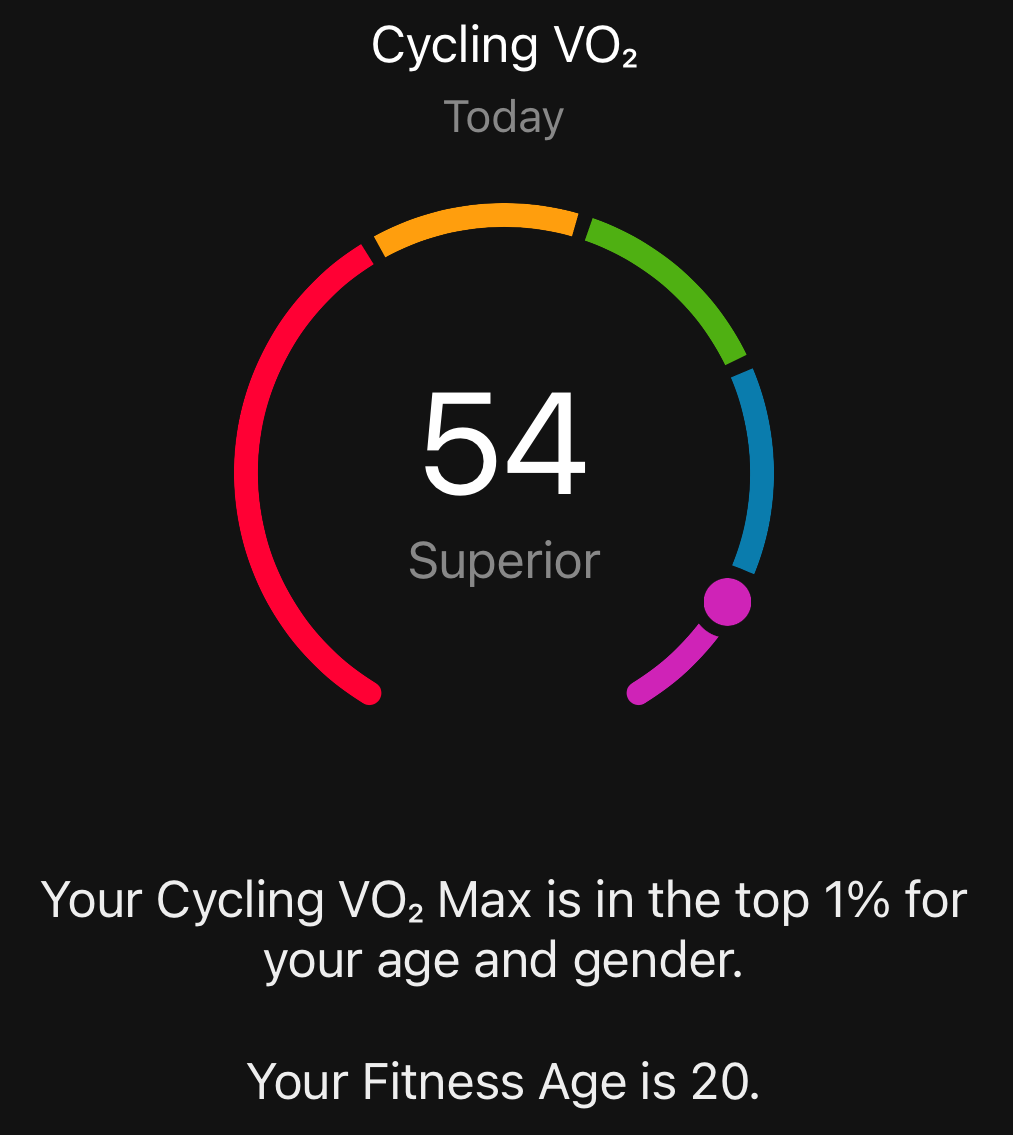
VO2 Max measures how well your body uses oxygen during intense exercise. It’s a strong predictor of cardiovascular fitness and overall endurance.
Tracking these metrics gives insight into your heart and lung health, often revealing fitness age more accurately than simple age-based guesses. How well does your heart recover after a workout?
Using Technology And Apps
Modern technology makes measuring fitness age easier than ever. Many apps and wearable devices track your activity, heart rate, and other health data continuously.
Apps like Fitbit, Garmin, and Apple Health estimate fitness age by analyzing your exercise intensity, sleep, and recovery patterns. They provide personalized tips to help you improve.
Using these tools regularly helps you stay aware of changes in your fitness level. What does your fitness app say about your current fitness age?
Factors Influencing Fitness Age
Fitness age reflects how well your body functions compared to your actual age. Various factors influence this number. These factors impact your strength, endurance, and overall health. Understanding them helps improve your fitness age and wellbeing.
Physical Activity Levels
Regular exercise keeps muscles strong and joints flexible. Active people tend to have a younger fitness age. Sedentary habits can speed up aging signs in the body. Even small daily movements improve heart and lung health. Mix cardio, strength, and flexibility exercises for best results.
Nutrition And Hydration
Eating balanced meals fuels the body properly. Nutrients support muscle repair and energy production. Poor diet can cause fatigue and slow recovery. Staying hydrated helps the body perform well. Water aids digestion and maintains skin elasticity.
Sleep And Recovery
Sleep is crucial for muscle repair and mental clarity. Lack of sleep raises stress hormones and inflammation. Good rest improves focus and physical performance. Recovery time prevents injuries and keeps energy levels high. Aim for consistent, quality sleep each night.
Stress And Mental Health
Chronic stress harms the body and mind. It can raise blood pressure and weaken immunity. Positive mental health encourages better lifestyle choices. Relaxation techniques reduce stress and improve sleep. A calm mind supports a younger fitness age.
Credit: dmitri-konash.medium.com
Benefits Of Lowering Your Fitness Age
Lowering your fitness age can transform the way you live every day. It’s not just about looking younger but feeling stronger and more capable. When your fitness age drops, you gain more than just physical benefits—you unlock a healthier, more vibrant life.
Improved Longevity
Lower fitness age often means your body functions like someone younger. This can extend your lifespan by keeping vital organs healthy and your muscles strong. Imagine outliving health issues that commonly come with real age and enjoying more years with your loved ones.
Have you ever noticed how some people in their 70s run marathons while others struggle with basic movement? Their fitness age makes all the difference.
Better Energy And Mood
Feeling tired all the time can drag you down. But lowering your fitness age boosts your energy levels naturally throughout the day. Increased stamina means you can engage more fully in activities you love.
Exercise releases endorphins, which improve your mood and reduce stress. So, as you lower your fitness age, you’re likely to feel happier and more motivated. How much better would your days be if fatigue didn’t hold you back?
Reduced Risk Of Chronic Diseases
Lower fitness age helps protect you from diseases like diabetes, heart disease, and stroke. Stronger muscles and a healthier heart improve blood flow and insulin sensitivity. This means fewer health scares and less time spent worrying about your future.
Small changes in your daily routine, like walking or light strength training, can make a big difference. What could you do today to lower your fitness age and shield yourself from chronic illness tomorrow?
Steps To Improve Your Fitness Age
Improving your fitness age isn’t just about working out harder; it’s about making smart choices that boost your overall health. Small changes can add up to big improvements in how your body feels and performs. Let’s look at some practical steps that can help you turn back the clock on your fitness age.
Incorporating Regular Exercise
Exercise is the foundation of a younger fitness age. Aim for a mix of cardio, strength training, and flexibility exercises throughout your week.
- Try brisk walking or cycling for at least 150 minutes weekly to boost heart health.
- Include weight lifting or bodyweight exercises twice a week to build muscle and improve metabolism.
- Don’t forget stretching or yoga to maintain mobility and prevent injuries.
Have you noticed how even short workouts can lift your energy? Consistency matters more than intensity.
Balanced Diet Tips
Your body needs the right fuel to perform well and recover quickly. Focus on whole foods like vegetables, fruits, lean proteins, and whole grains.
- Limit processed foods and added sugars that can speed up aging.
- Stay hydrated—water supports every cell and helps maintain skin elasticity.
- Consider adding antioxidant-rich foods like berries and nuts to fight inflammation.
What’s one small change you can make to your meals today that supports your fitness goals?
Prioritizing Rest And Recovery
Rest isn’t a reward—it’s a critical part of improving fitness age. Your body repairs and strengthens itself during sleep and downtime.
- Aim for 7-9 hours of quality sleep each night to support muscle recovery and hormone balance.
- Take short breaks during exercise routines to avoid burnout.
- Use techniques like foam rolling or gentle stretching to ease muscle soreness.
Have you tracked how your energy levels change when you get enough rest?
Tracking Progress Effectively
Keeping an eye on your progress helps you stay motivated and adjust your plan. Use simple tools that fit your lifestyle.
- Record workouts and daily activity in a journal or app to spot patterns.
- Measure fitness markers like strength, endurance, or flexibility monthly.
- Celebrate small wins to maintain momentum.
How often do you review your progress and ask yourself what’s working or needs change?

Credit: appadvice.com
Common Myths About Fitness Age
Many people misunderstand what fitness age means. Some think it only relates to how old you feel. Others believe it is fixed and cannot change. These common myths can stop people from trying to improve their fitness. Knowing the truth helps you stay motivated and healthy.
Fitness Age And Weight Loss
Some say fitness age depends only on weight loss. They think losing pounds will make you younger in fitness. Weight loss is important but not the only factor. Muscle strength, endurance, and heart health also shape your fitness age.
Focusing on exercise and nutrition improves fitness age better than just losing weight. A healthy routine helps your body work well and lowers your fitness age. Don’t rely only on the scale to measure your progress.
Age Limits And Fitness Potential
Many believe fitness potential drops sharply after a certain age. This is false. People can improve fitness at any age. Older adults often gain strength and stamina with the right training.
The body changes with age, but fitness does not have strict limits. Consistent effort brings benefits regardless of your years. Age does not block you from becoming fitter and healthier.
Real-life Success Stories
Real-life success stories show how fitness can change more than just your body—they can redefine your whole outlook on age and health. These stories prove that your fitness age doesn’t have to match your calendar age. They offer real examples of people who took control and rewrote their own fitness narratives.
Transformations Through Fitness
Take Sarah, a 52-year-old who struggled with low energy and joint pain. She started simple: daily walks and light strength training. Within months, her fitness age dropped by nearly a decade, and she felt more vibrant than she had in years.
What’s striking is how small, consistent changes made a huge difference. You don’t need to overhaul your entire routine overnight. Sarah’s experience shows that steady effort beats quick fixes every time.
Inspiring Age-defying Journeys
Meet James, a 68-year-old marathon runner who began running only at age 60. His story challenges the idea that fitness declines inevitably with age. By building endurance gradually, James lowered his resting heart rate and improved muscle tone, effectively turning back his fitness clock.
What can you learn from James? It’s never too late to start. Your body can adapt and grow stronger, even if you think you’re past your prime. What small step can you take today that your future self will thank you for?
Frequently Asked Questions
What Is Fitness Age And Why Does It Matter?
Fitness age measures your body’s physical condition compared to your actual age. It helps assess health, endurance, strength, and flexibility. Knowing your fitness age motivates you to improve your lifestyle and reduce health risks related to aging.
How Can I Calculate My Fitness Age At Home?
You can estimate fitness age using online calculators based on factors like heart rate, BMI, and exercise habits. Some apps track your activities and provide an approximate fitness age. However, professional assessments offer more accurate results.
Can Fitness Age Be Lower Than Actual Age?
Yes, if you maintain regular exercise, healthy diet, and good lifestyle habits, your fitness age can be younger than your real age. This indicates better physical health and longevity potential compared to average age peers.
Which Exercises Improve Fitness Age The Most?
Cardio workouts like running and cycling boost heart health and endurance. Strength training enhances muscle mass and metabolism. Flexibility exercises such as yoga improve joint health. Combining these helps lower your fitness age effectively.
Conclusion
Fitness age shows how healthy your body really is. It tells more than just your birthday. You can improve it by moving more and eating well. Small changes make a big difference over time. Keep track of your progress and stay motivated.
Your fitness age can be younger than your real age. Stay active, stay strong, and enjoy better health every day. This simple idea helps you live a longer, happier life.







