
Stepping into the gym for the first time can feel like entering a whole new world. The bright lights, the clanking weights, and the hum of treadmills might seem overwhelming.
But guess what? You’re not alone in feeling this way. Many people have stood right where you are, filled with a mix of excitement and uncertainty. You’ve taken the first step towards a healthier, stronger you. Imagine the sense of accomplishment you’ll feel after your first workout.
Imagine the boost in confidence as you start to see and feel changes in your body. This article is here to guide you, making your first gym experience a positive and empowering one. We’ll break down what you need to know, keep things simple, and help you walk into the gym with confidence. Let’s turn those first-time jitters into motivation and success!
Credit: gymfitsa.com
Preparing For Your First Gym Visit
Preparing for your first gym visit can feel overwhelming, but a little planning makes all the difference. You want to feel confident, comfortable, and ready to focus on your workout. Taking time to prepare helps you avoid common mistakes and sets you up for a positive experience from day one.
Choosing The Right Gym
Finding a gym that fits your lifestyle is key. Think about location first—would you prefer a place close to home or work? Convenience often decides whether you stick with your routine.
Check what equipment and classes are available. If you like group workouts, see if the gym offers sessions that excite you. Visiting a few gyms and asking for a trial pass can reveal the vibe and crowd, which matters more than you might expect.
Setting Realistic Goals
What do you want to achieve at the gym? Setting clear, doable goals keeps you motivated. Instead of saying, “I want to be fit,” try something specific like, “I will work out three times a week for 30 minutes.”
Think about your current fitness level and schedule. It’s better to start with small targets and gradually increase intensity. This approach prevents burnout and helps you celebrate progress, no matter how small.
Packing Your Gym Bag
Knowing what to bring saves stress on your first day. Essentials include comfortable workout clothes, supportive shoes, and a water bottle to stay hydrated. Don’t forget a towel and a lock if the gym requires one for lockers.
Adding headphones can boost your workout mood with your favorite music or podcast. Pack a snack or protein bar if you plan to refuel after exercising. Preparing your gym bag the night before means you won’t forget anything important on your way out.
Credit: betterme.world
Starting Your Workout Routine
Starting your workout routine can feel overwhelming, but it doesn’t have to be. Taking small, deliberate steps helps you build confidence and avoid injury. Let’s break down key actions to start strong and stay motivated from day one.
Warming Up Effectively
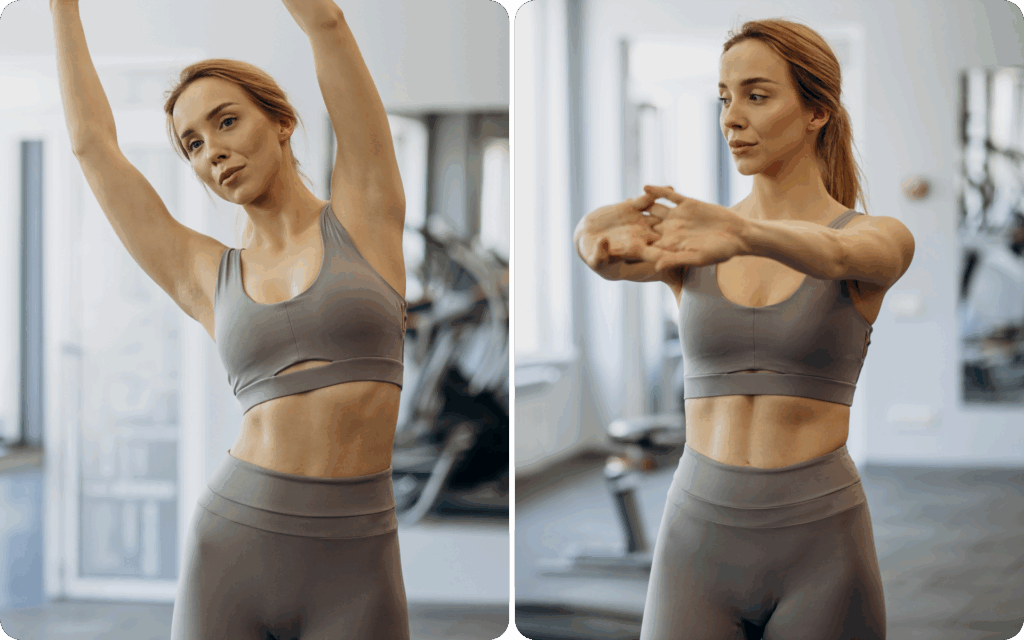
Warming up prepares your body and mind for exercise. Spend 5 to 10 minutes doing light cardio like walking or cycling. This increases blood flow and loosens your muscles.
Follow this with dynamic stretches such as leg swings or arm circles. These movements mimic your workout and improve your range of motion. Skipping warm-ups can lead to injury—have you noticed how stiffness affects your workout on cold days?
Basic Exercises To Begin With
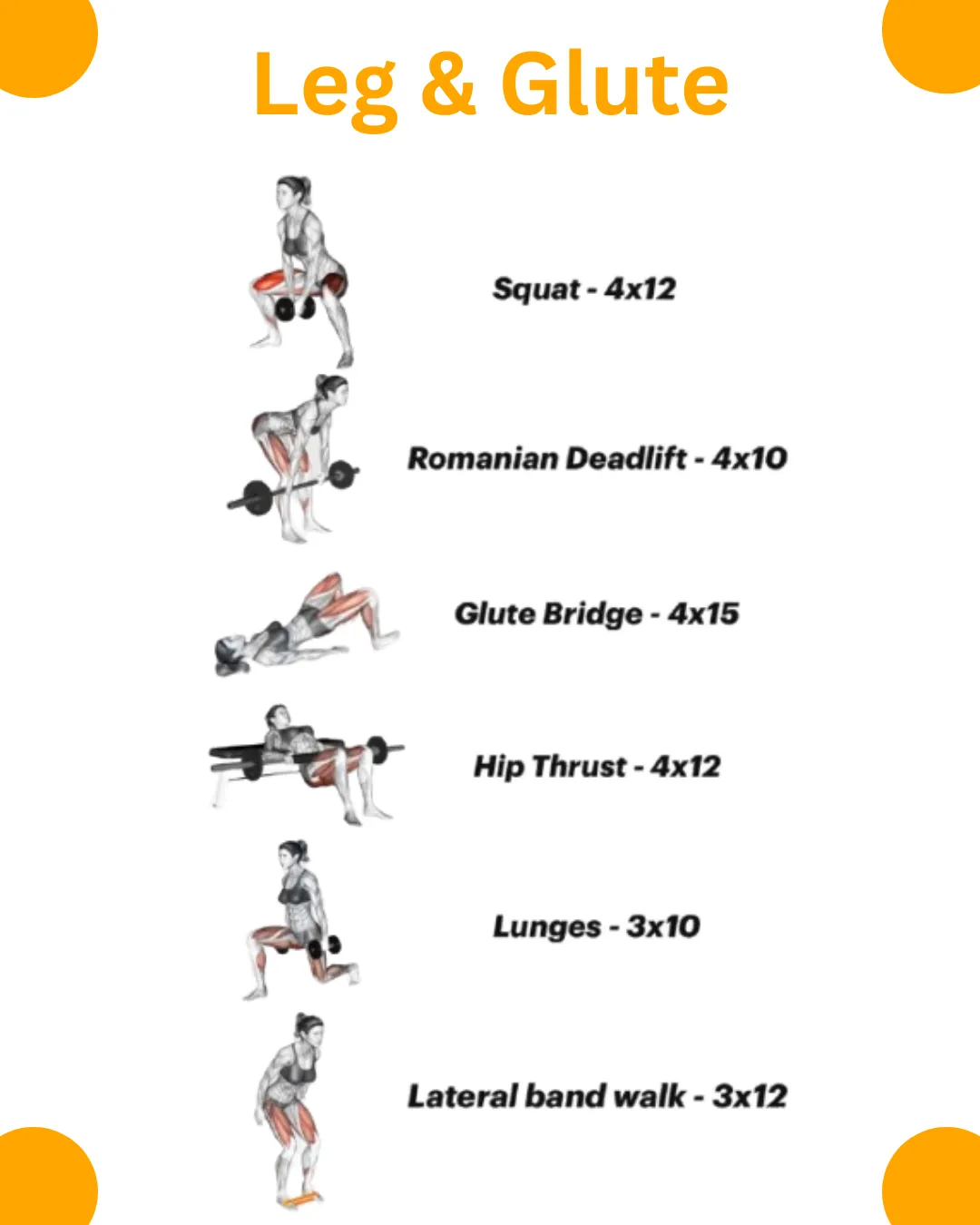
Start with simple exercises that target major muscle groups. Bodyweight moves like squats, push-ups, and planks build strength without complex equipment. These exercises also teach you proper form.
Try doing 2 to 3 sets of 10 to 15 repetitions. If you feel pain or discomfort, adjust your form or reduce the reps. How often do you check your posture during daily activities? Training your body to move correctly now helps prevent future problems.
Using Gym Equipment Safely
Gym machines and free weights can be intimidating at first. Always ask a trainer or staff member to demonstrate how to use new equipment. Never rush into heavy weights—start light to learn the movement.
Pay attention to your body’s signals. If a machine causes sharp pain, stop immediately and reassess your technique. Would you drive a car without understanding the controls? Treat gym equipment with the same respect to keep yourself safe.
Staying Motivated
Staying motivated during your first gym workout can feel tough. The new environment and exercises might seem overwhelming. Keeping your focus strong helps build a lasting habit. Small strategies can make motivation easier every day.
Tracking Your Progress
Write down your workouts and results. Seeing your improvements feels rewarding. Use a simple journal or an app on your phone. Track weight lifted, reps, or time spent. This shows how far you have come. Progress keeps your energy high and your goals clear.
Finding A Workout Buddy
Exercise with a friend for support and fun. A buddy encourages you to keep going. Share tips and celebrate efforts together. Talking about your workouts makes them more enjoyable. You feel less alone and more committed.
Celebrating Small Wins
Notice and enjoy every little achievement. Finished your first full workout? That is a win. Increased your weights or ran longer? Celebrate it. Small wins build confidence and joy. Treat yourself with rest or a favorite healthy snack.
Avoiding Common Mistakes
Starting your gym journey can be exciting and challenging. Avoiding common mistakes helps make workouts safe and effective. Many beginners push too hard or skip important steps. This can cause injury or slow progress. Focus on smart habits to build a strong foundation for fitness.
Overtraining Risks
Exercising too much can harm your body. Muscles need time to repair and grow. Overtraining leads to fatigue, soreness, and injury. Keep workouts balanced with rest days. Start with light sessions and increase gradually. Listen to your body’s signals to avoid burnout.
Ignoring Proper Form
Using the wrong technique reduces workout benefits. Poor form can cause strains and joint pain. Learn correct posture before lifting weights or doing exercises. Ask for guidance from trainers or watch tutorial videos. Practice slowly to build good habits and prevent injuries.
Neglecting Rest And Recovery
Rest days are crucial for muscle growth and energy. Skipping rest can lead to tiredness and weaker performance. Sleep well each night to support recovery. Use gentle stretching or light activities on off days. Rest helps your body adapt and improves results.
Nutrition And Hydration Tips
Nutrition and hydration play a huge role in how you feel and perform during your first gym workout. What you eat and drink can boost your energy, help your muscles recover, and keep you focused. Let’s look at simple, practical tips to fuel your body properly before and after exercise, and how to stay hydrated throughout.
Pre-workout Meals
Eating the right food before your workout gives you the energy to push through your session. Aim to eat a balanced meal about 1 to 2 hours before hitting the gym.
- Carbs:Choose whole grains like oatmeal or brown rice for lasting energy.
- Protein:Include lean proteins such as chicken, yogurt, or eggs to keep your muscles ready.
- Fats:Add a small amount of healthy fats like avocado or nuts for sustained fuel.
If you don’t have time for a full meal, a light snack like a banana with peanut butter 30 minutes before can help. Have you noticed how skipping pre-workout meals affects your stamina?
Post-workout Nutrition
Your body needs nutrients after exercising to repair muscles and restore energy. Try to eat within 30 to 60 minutes after your workout for the best recovery.
- Protein:Focus on quick-digesting proteins like a protein shake, cottage cheese, or grilled fish.
- Carbs:Replenish glycogen with fruits, sweet potatoes, or whole wheat bread.
- Fluids:Include water-rich foods like watermelon or cucumber to support hydration.
I once skipped my post-workout meal and felt sore and tired the next day. Do you track what you eat after exercising to see its impact?
Staying Hydrated
Hydration is often overlooked but it’s crucial, especially for beginners. Drinking enough water before, during, and after your workout keeps your muscles working well and prevents fatigue.
- Drink 16-20 ounces of water about 2 hours before exercising.
- Take small sips of water every 15-20 minutes during your workout.
- After your session, drink at least 8 ounces of water to replace lost fluids.
If you sweat a lot or workout intensely, consider drinks with electrolytes. Have you ever felt dizzy or crampy during exercise? It could be a sign you need more fluids.
Credit: www.gymshark.com
Frequently Asked Questions
What Should I Wear For My First Gym Workout?
Wear comfortable, breathable clothes and supportive shoes. Avoid loose items that can get caught in equipment. Dress in layers if needed, to adjust for temperature. Choose moisture-wicking fabrics to stay dry. Proper attire boosts confidence and ensures safety during workouts.
How Long Should My First Gym Session Last?
Start with 30 to 45 minutes for your first gym visit. Focus on warming up, basic exercises, and cooling down. Keep intensity low to avoid injury. Gradually increase workout duration as your fitness improves. Consistency is more important than long sessions.
What Exercises Are Best For Gym Beginners?
Begin with simple, full-body workouts like walking, cycling, or basic strength training. Include bodyweight exercises such as squats, push-ups, and lunges. Use machines to guide movements safely. Avoid heavy weights initially. This builds a foundation and prevents injury.
How Often Should Beginners Go To The Gym Weekly?
Aim for 3 to 4 gym sessions per week as a beginner. Allow rest days between workouts for muscle recovery. Consistency helps build strength and endurance. Gradually increase frequency based on comfort and goals. Avoid overtraining to prevent burnout.
Conclusion
Starting your first gym workout can feel tough but also exciting. Keep your goals clear and take small steps each day. Focus on form, not speed, to avoid injury. Rest and eat well to help your body grow strong. Remember, everyone begins as a beginner.
Stay patient and enjoy the process. With time, exercise will become easier and more fun. Your effort today builds a healthier tomorrow. Keep moving forward, one workout at a time.







