
Stepping into the gym for the first time can feel both exciting and intimidating. You’re probably filled with a mix of curiosity and a hint of nervousness.
Will you know how to use the equipment? Are people going to stare? Relax. You’re not alone in these thoughts, and it’s perfectly normal to feel this way. But here’s the good news: your first gym workout doesn’t have to be daunting.
Imagine feeling energized, confident, and on the right track to achieving your fitness goals. Sounds great, right? In this guide, we’ll walk you through what to expect and how to make the most of your first experience. By the end, you’ll be ready to hit the gym floor with confidence and enthusiasm. Let’s dive in and transform those first-time jitters into a positive and empowering experience!
Credit: betterme.world
Preparing For Your First Gym Visit
Preparing for your first gym visit is key to a positive experience. It helps ease nerves and builds confidence. Knowing what to expect makes the whole process smoother. Getting ready also sets a strong foundation for your fitness journey.
Choosing The Right Gym
Select a gym close to home or work. Convenience helps you stay consistent. Check the gym’s equipment and class options. Make sure they offer what fits your workout style. Visit the gym to see cleanliness and friendly staff. A welcoming environment makes workouts enjoyable.
Packing Your Gym Bag
Prepare a bag with essentials for your visit. Include comfortable workout clothes and supportive shoes. Bring a water bottle to stay hydrated. Pack a small towel for sweat. Don’t forget a lock for the locker. A simple bag prevents stress and helps you focus on exercise.
Setting Realistic Goals
Start with small, clear goals. Aim to improve strength, stamina, or mood. Avoid expecting big changes too fast. Track progress weekly to stay motivated. Celebrate small wins to build confidence. Realistic goals keep you motivated and reduce frustration.
Getting Comfortable With Gym Equipment
Starting at the gym can feel overwhelming with all the different machines and tools. Getting comfortable with gym equipment helps build confidence and makes workouts more effective. Taking time to understand how each piece works reduces the risk of injury.
Learning a few basics first prepares you to use machines correctly. This creates a strong foundation for your fitness journey. Focus on simple steps that feel manageable and safe.
Familiarizing Yourself With Machines
Begin by exploring the gym floor without using the equipment. Look at the machines and notice their parts. Many machines have pictures or instructions showing how to use them.
Ask gym staff for a quick demonstration. Watch others using the machines to see proper form. Start with low weights or no weights to test the movement. This helps you feel the machine’s motion and range.
Basic Free Weight Exercises
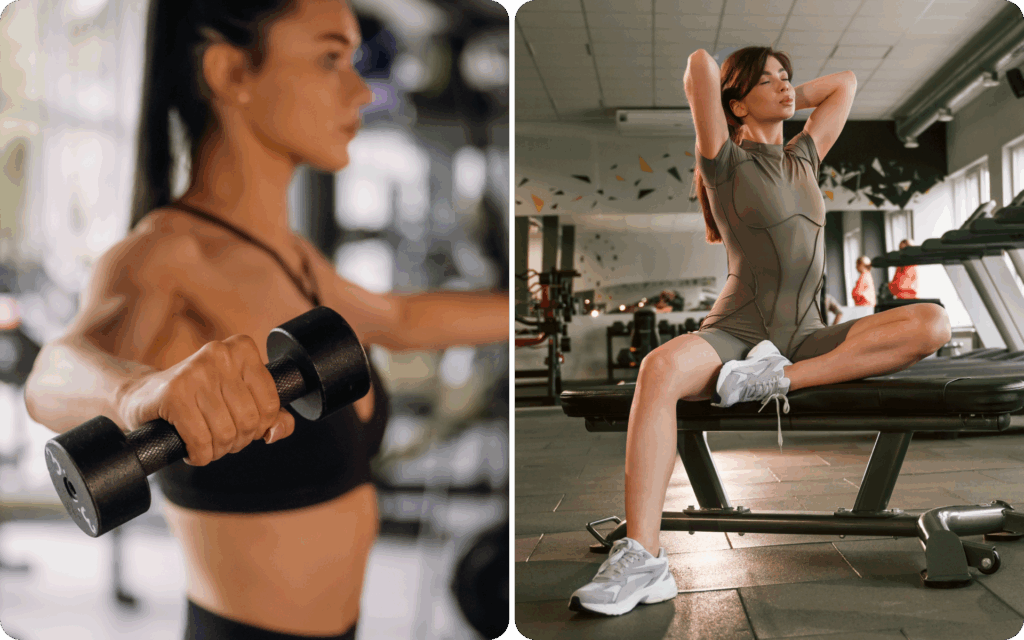
Free weights like dumbbells and kettlebells improve strength and balance. Start with light weights to learn control and avoid strain. Focus on simple moves like:
- Bicep curls
- Shoulder presses
- Bodyweight squats
- Deadlifts with light dumbbells
Keep your movements slow and steady. Good posture matters more than heavy weights at first. This builds strength safely and prepares you for more advanced exercises.
Using Cardio Equipment Effectively
Cardio machines like treadmills, bikes, and ellipticals improve heart health. Start with short sessions of 5 to 10 minutes. Adjust the speed and resistance to a comfortable level.
Use the machine’s display to track time and distance. This helps set small goals for progress. Avoid rushing or pushing too hard in the beginning. Focus on steady breathing and smooth movements.
Creating A Beginner Workout Plan
Creating a beginner workout plan sets a strong foundation for your gym journey. It helps you build habits and avoid injury. A good plan balances different exercises, intensity, and rest. This balance supports steady progress and keeps workouts enjoyable. Planning also helps track your goals clearly.
Balancing Cardio And Strength
Include both cardio and strength exercises in your routine. Cardio improves heart health and burns calories. Strength training builds muscle and boosts metabolism. Aim for a mix, such as 3 days of cardio and 2 days of strength weekly. This blend enhances overall fitness and body strength.
Starting With Low Intensity
Begin with easy workouts to let your body adjust. Choose lighter weights and slower cardio sessions. This approach reduces soreness and injury risk. Gradually increase intensity as you grow stronger. Listen to your body and avoid pushing too hard too fast.
Scheduling Rest Days
Rest days are essential for recovery and muscle growth. Plan at least 1 or 2 rest days each week. Use rest days for light activities like walking or stretching. Good rest improves performance and prevents burnout. Treat rest as part of your workout plan, not a break from progress.

Credit: betterme.world
Building Confidence In The Gym
Building confidence in the gym is key to turning your workouts from daunting tasks into rewarding experiences. It’s normal to feel unsure at first, but every small step you take boosts your belief in what you can achieve. Confidence grows with action, not just thoughts, so let’s look at practical ways to help you feel strong and capable from day one.
Overcoming Gym Anxiety
Feeling nervous about using new machines or working out around others is common. Start by visiting the gym during off-peak hours when fewer people are around. This quieter environment lets you familiarize yourself with equipment without pressure.
Remember, everyone was new once, and most people focus on their own workouts—not judging you. Try watching tutorial videos or asking staff for a quick demo before you start. Have you noticed how understanding your equipment reduces hesitation?
Finding A Workout Buddy
Working out with a friend can change your entire gym experience. A buddy provides motivation, shares tips, and makes the gym feel less intimidating. You’ll push each other to show up consistently and celebrate progress together.
If you don’t have a friend nearby, consider joining group classes or online fitness communities. Meeting people with similar goals can spark new friendships and accountability. What’s one quality you’d want in a workout buddy?
Tracking Your Progress
Seeing your own improvement is one of the fastest ways to build confidence. Keep a simple workout journal or use an app to note weights, reps, or duration. Checking your progress reminds you how far you’ve come and highlights what’s working.
Set small, realistic goals—like adding five more pounds to your lift or running an extra minute. Celebrate those wins! How does it feel when you realize you’re stronger or faster than last week?
Maintaining Motivation And Consistency
Starting a gym workout can feel exciting but staying motivated is key to success. Consistency helps build habits that lead to better health and fitness. Small, clear goals keep you focused and eager to continue. It’s normal to face ups and downs, but finding ways to stay driven makes all the difference.
Setting Short-term Milestones
Short-term goals give you clear targets to reach. These goals are easier to manage and provide quick wins. Examples include:
- Completing your first week of workouts
- Increasing weights gradually
- Doing a few more reps than last time
Tracking these milestones shows your progress. Celebrate small victories to stay encouraged.
Rewarding Your Achievements
Rewards boost motivation by linking effort to positive feelings. Choose simple rewards like:
- Enjoying a relaxing bath
- Watching a favorite show
- Buying new workout gear
These rewards make your hard work feel worthwhile and keep you coming back.
Adjusting Your Routine
Your body and interests change over time. Changing your workout routine prevents boredom and plateaus. Try new exercises or classes to stay engaged. Listen to your body and rest when needed. Flexibility in your plan helps maintain long-term consistency.
Avoiding Common Mistakes
Starting a gym workout can feel exciting and overwhelming at the same time. Avoiding common mistakes helps you stay safe and see results faster. Small habits make a big difference in your gym routine. Focus on key areas to build a strong foundation for your fitness journey.
Skipping Warm-ups And Cool-downs
Warm-ups prepare your body for exercise. They increase blood flow and reduce injury risk. Spending just five to ten minutes warming up can improve performance. Simple activities like walking or light stretching work well.
Cool-downs help your body recover after a workout. They lower heart rate gradually and ease muscle stiffness. Ending with gentle stretching can reduce soreness and improve flexibility.
Ignoring Proper Form
Proper form protects your joints and muscles. Poor technique can cause pain and injuries. Take time to learn each exercise correctly. Use mirrors or ask a trainer for guidance.
Start with lighter weights to focus on form. Avoid rushing through movements. Controlled and steady actions build strength safely.
Overtraining Risks
Exercising too much can harm your body. Muscles need time to repair and grow. Overtraining causes fatigue, soreness, and burnout.
Rest days are essential for progress. Listen to your body’s signals. Balance workouts with recovery for long-term success.
Credit: betterme.world
Frequently Asked Questions
What Should I Wear For My First Gym Workout?
Wear comfortable, breathable clothes and supportive shoes. Avoid loose items that may get caught in machines. Dress for ease of movement and sweat absorption to stay comfortable throughout your workout.
How Long Should My First Gym Workout Last?
Start with 30 to 45 minutes. Focus on light cardio and basic strength exercises. Gradually increase duration as your fitness improves to avoid injury and burnout.
What Exercises Are Best For Gym Beginners?
Begin with low-impact cardio like walking or cycling. Add basic strength training using machines or bodyweight exercises. This builds a good fitness foundation and prevents injury.
How Often Should A Beginner Go To The Gym?
Aim for 3 times per week. Allow rest days in between to let muscles recover. Consistency helps build habits and improves fitness effectively over time.
Conclusion
Starting your first gym workout can feel tough but also exciting. Keep your focus on small steps and steady progress. Listen to your body and rest when needed. Consistency matters more than speed or heavy weights. Celebrate every effort you make, no matter how small.
Soon, exercise will become a natural part of your life. Stay patient, stay positive, and keep moving forward. Your health and strength will grow over time. The journey is just beginning, and you are ready.







