
Starting a gym routine for the first time can feel overwhelming, but it doesn’t have to be. If you’re a guy looking to kick off your fitness journey, you’ve landed in the right place.
Imagine walking into the gym with confidence, knowing exactly what to do. This guide is designed just for you, with a straightforward workout plan tailored for beginners. Why struggle with uncertainty when you can follow a plan that sets you up for success?
Stick around as we break down the essentials of your first gym workout plan. By the end, you’ll be ready to hit the gym floor with a clear path to achieving your fitness goals.
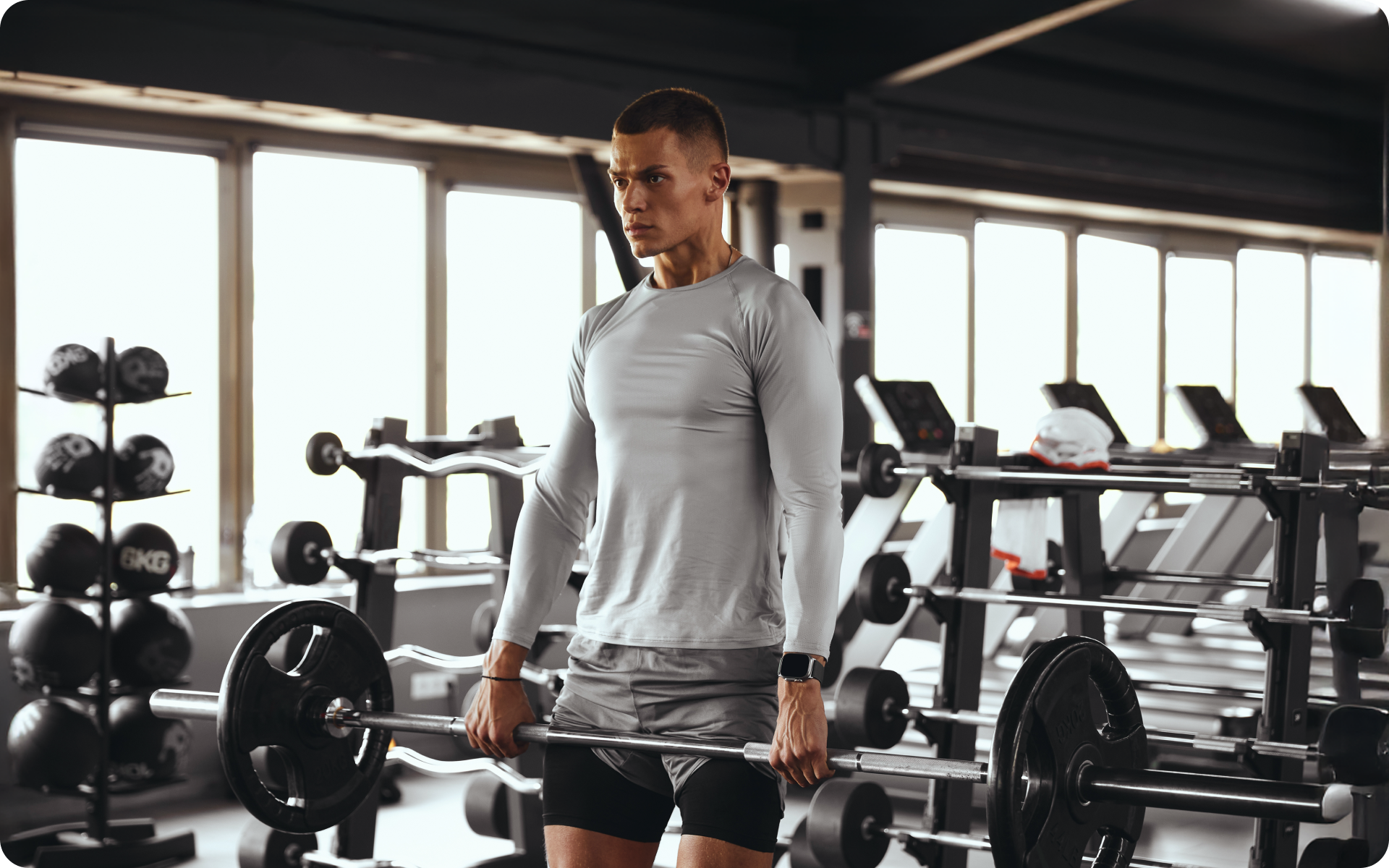
Credit: betterme.world
Setting Fitness Goals
Setting clear fitness goals is the foundation of any effective gym workout plan, especially if you are starting out. Goals give you direction and motivation, helping you stay consistent and focused during your workouts. Without them, it’s easy to lose track or feel overwhelmed by the variety of exercises and routines available.
Choosing Realistic Targets
Start by asking yourself what you want to achieve and why it matters to you. Are you aiming to build muscle, lose weight, or improve endurance? Your goals should be specific and achievable within a reasonable timeframe.
For instance, instead of saying “I want to get strong,” try “I want to increase my bench press by 10 pounds in 6 weeks.” Setting smaller targets like this helps you stay motivated and prevents frustration.
Think about your current fitness level and schedule. Don’t set goals that require you to spend hours in the gym if your time is limited. It’s better to add 3 consistent workouts a week than aim for 7 and burn out quickly.
Tracking Progress
Keeping track of your progress turns your goals into a clear path. Use a notebook, app, or spreadsheet to log your workouts, weights, reps, and how you feel after each session.
Tracking helps you notice small improvements that might otherwise go unnoticed. Did you lift heavier today? Did your endurance improve? These wins build confidence and push you forward.
Also, tracking reveals patterns. Maybe certain exercises work better for you, or certain times of day feel more productive. Use this insight to adjust your plan and keep your workouts effective.
Essential Gym Gear
Starting your first gym workout plan means preparing the right gear. Essential gym gear boosts comfort and helps prevent injuries. It also makes workouts more effective and enjoyable. Choosing the right items is a smart first step for any beginner.
Clothing And Footwear
Wear lightweight, breathable clothes that allow movement. Avoid tight or heavy fabrics that restrict motion. Choose moisture-wicking shirts and shorts to stay dry during exercise. Proper gym shoes support your feet and prevent slips or pain.
- Comfortable workout t-shirt or tank top
- Breathable shorts or athletic pants
- Supportive running or cross-training shoes
- Sports socks to reduce blisters
Accessories And Equipment
Small accessories can improve your workout experience. A water bottle keeps you hydrated throughout your session. A gym towel helps manage sweat and keeps equipment clean. Using gloves can protect your hands during weightlifting.
- Durable water bottle
- Soft gym towel
- Weightlifting gloves for grip and protection
- Fitness tracker or smartwatch (optional)
Warm-up And Stretching
Warming up and stretching prepare your body for exercise. They increase blood flow to your muscles. This reduces the risk of injury. Warm-up and stretching also improve your workout performance. Spend at least 5 to 10 minutes on these activities.
Dynamic Warm-up Moves
Dynamic warm-ups involve active movements. These moves raise your heart rate and loosen muscles. Try these simple exercises:
- Arm circles to loosen shoulders
- Leg swings to activate hips
- Jumping jacks for full-body warm-up
- Walking lunges to stretch legs
- High knees to increase cardio flow
Perform each move for 30 seconds. Keep the pace steady but not too fast.
Flexibility Exercises
Flexibility exercises help lengthen muscles. They improve your range of motion. Focus on these stretches:
- Hamstring stretch to relax the back of your legs
- Quadriceps stretch for the front thighs
- Calf stretch to ease tight lower legs
- Shoulder stretch to reduce tension
- Neck stretch for upper body comfort
Hold each stretch for 15 to 20 seconds. Breathe deeply and avoid bouncing.
Beginner Workout Routine
Starting your gym journey can feel overwhelming, but a beginner workout routine simplifies the process. It sets a clear path so you build strength evenly and avoid injury. This approach helps you stay motivated as you see real progress week by week.
Full Body Workout Plan
A full body workout targets all major muscle groups in one session. This saves time and ensures balanced development. You’ll work on your chest, back, legs, shoulders, arms, and core with basic exercises that are easy to learn.
- Squats:Build leg and glute strength.
- Push-ups:Strengthen chest, shoulders, and triceps.
- Pull-ups or Assisted Pull-ups:Work your back and biceps.
- Plank:Improve core stability and endurance.
- Dumbbell Rows:Develop upper back muscles.
- Overhead Dumbbell Press:Strengthen shoulders.
Start with 2-3 sets of 8-12 reps for each exercise. Focus on proper form rather than heavy weights. This routine will help you build a solid foundation for more advanced workouts.
Sample Weekly Schedule
| Day | Workout | Focus |
|---|---|---|
| Monday | Full Body Workout | Strength & Endurance |
| Tuesday | Active Rest (Light Cardio or Stretching) | Recovery |
| Wednesday | Full Body Workout | Strength & Endurance |
| Thursday | Active Rest (Walking or Yoga) | Recovery |
| Friday | Full Body Workout | Strength & Endurance |
| Saturday | Rest or Light Activity | Recovery |
| Sunday | Rest | Recovery |
Does this schedule feel manageable for your week? If you find yourself too tired, consider adding more rest days. Listening to your body is key in the beginning.
Remember, consistency beats intensity early on. Sticking to this routine will make your workouts feel easier and more natural over time.
Strength Training Basics
Strength training is key for building muscle and improving overall fitness. It helps increase strength, endurance, and metabolism. Beginners should focus on learning the basics to avoid injury and get good results.
Start with simple exercises that target major muscle groups. Use lighter weights to practice good form. Consistency and proper technique will build a solid foundation for progress.
Key Exercises For Beginners
- Squats: Strengthen legs and glutes
- Push-ups: Work chest, shoulders, and triceps
- Deadlifts: Target back, legs, and core
- Planks: Build core stability
- Dumbbell Rows: Improve upper back strength
- Overhead Press: Strengthen shoulders and arms
These exercises use multiple muscles at once. They help build strength quickly and safely.
Proper Form And Technique
Good form prevents injuries and makes workouts effective. Keep your back straight during lifts. Avoid locking your joints. Control your movements, don’t rush.
Start with light weights to master the technique. Use mirrors or ask for help to check your form. Breathe steadily: exhale on effort, inhale on release.
Rest between sets to recover. Focus on smooth, controlled motions. This helps muscles grow stronger and reduces soreness.
Cardio For Beginners
Starting cardio as a beginner can feel overwhelming, but it doesn’t have to be complicated. Cardio workouts improve your heart health, boost energy, and help with weight management. The key is to find types of cardio that you enjoy and can stick with regularly.
Types Of Cardio Workouts
Cardio isn’t just running on a treadmill. You have plenty of options to keep things interesting and effective.
- Walking:The simplest form of cardio. Start with 20 to 30 minutes at a comfortable pace, then gradually increase speed or duration.
- Jogging or Running:Great for burning calories quickly, but start slow to avoid injury. Try alternating between walking and jogging.
- Cycling:Low impact and fun. You can use a stationary bike or hit the road for a change of scenery.
- Jump Rope:A powerful cardio tool that also improves coordination. Even a few minutes can get your heart rate up.
- Swimming:Full-body workout that’s gentle on the joints. Ideal if you have any joint pain or injuries.
- Group Classes:Zumba, spinning, or dance classes add a social element and keep motivation high.
Which one fits your lifestyle and feels less like a chore? Trying different types can keep you excited and consistent.
Balancing Cardio And Strength
Cardio is important, but strength training plays a vital role too. It helps build muscle, improve metabolism, and protect your joints.
You don’t have to spend hours on cardio alone. A balanced plan might include 3 days of cardio and 2 days of strength training per week.
Listen to your body. If you’re feeling too tired after cardio, reduce intensity or duration and add strength workouts gradually.
Have you noticed how your energy changes on days you mix cardio with strength? Many beginners find they recover faster and feel stronger overall.
Start with simple bodyweight exercises after your cardio sessions, like squats, push-ups, or planks. These moves build strength without needing equipment.
Nutrition Tips For Gym Beginners
Nutrition plays a key role in supporting your first gym workouts. Eating the right foods helps fuel your body and aids recovery. Beginners should focus on balanced meals that provide energy and nutrients.
Proper nutrition improves workout performance and reduces fatigue. It also helps build muscle and repair tissues. Understanding what to eat before and after exercise makes a big difference.
Pre-workout Meals
Choose foods that give steady energy for your workout. Eat about 1 to 2 hours before exercising. Focus on carbohydrates and a little protein. Avoid heavy fats and large amounts of fiber.
- Bananas or apples
- Oatmeal with milk
- Whole grain toast with peanut butter
- Greek yogurt with honey
Drink water before your session to stay hydrated. Small snacks help maintain blood sugar levels. This supports better strength and endurance during your workout.
Post-workout Recovery Foods
After exercise, your body needs nutrients to recover. Focus on protein to help muscle repair. Include carbohydrates to refill energy stores. Eating within 30 to 60 minutes is ideal.
- Grilled chicken with rice
- Protein shake with fruit
- Eggs and whole grain bread
- Cottage cheese with pineapple
Hydrate well to replace fluids lost in sweat. Recovery meals reduce soreness and improve muscle growth. They keep you ready for the next workout session.

Credit: www.reddit.com
Avoiding Common Mistakes
Starting a gym workout plan as a male can be exciting but also challenging. Many beginners make mistakes that slow progress or cause injury. Knowing these common errors helps you avoid setbacks. Focus on smart training and proper recovery for the best results.
Overtraining Risks
Training too hard or too often can harm your body. Overtraining causes fatigue, muscle soreness, and weakens your immune system. It makes muscles tired and stops growth. Signs include constant tiredness and poor sleep. Balance workouts with your energy and strength levels. Quality matters more than quantity in exercise.
Ignoring Rest Days
Rest days are essential for muscle repair and growth. Skipping rest leads to burnout and injury. Muscles need time to recover after workouts. Without rest, progress slows and motivation drops. Plan rest days into your weekly routine. Use this time to stretch, hydrate, and relax.
Staying Motivated
Staying motivated during your first gym workouts can be tough. The initial excitement often fades, and the routine might feel challenging or boring. However, keeping your drive alive is key to building lasting fitness habits and seeing real progress.
Finding A Workout Buddy
Having someone to exercise with can change everything. A workout buddy keeps you accountable, making it harder to skip sessions. You can push each other to try new exercises and celebrate small victories together.
Think about how much easier it is to get out of bed when you know someone is waiting for you at the gym. Plus, sharing your goals with a friend can make your journey feel less lonely and more enjoyable. Have you ever noticed how a little friendly competition can boost your effort?
Setting Milestones
Setting clear, achievable goals gives you a sense of direction. Instead of vague ideas like “get fit,” aim for specific targets like adding 5 pounds to your bench press or completing three workouts a week. These milestones help you track progress and stay motivated.
Celebrate each milestone—no matter how small. Treat yourself to something meaningful when you hit a goal, like new workout gear or a relaxing massage. What small win can you set today that will keep you excited for your next gym visit?

Credit: 1stphorm.com
Frequently Asked Questions
What Is The Best First Time Gym Workout Plan For Males?
A beginner gym plan should focus on full-body workouts. Include compound exercises like squats, bench presses, and deadlifts. Start with light weights and 3 sessions per week. This helps build strength and avoid injury.
How Long Should A First Gym Session Last?
A first gym session should last 45 to 60 minutes. This includes warm-up, workout, and cool-down. Avoid overtraining by keeping workouts short and focused. Gradually increase duration as fitness improves.
Which Exercises Are Ideal For Beginners At The Gym?
Beginner-friendly exercises include bodyweight squats, push-ups, dumbbell presses, and rows. These build strength safely. Focus on form and controlled movements. Avoid complex machines or heavy lifting initially.
How Often Should A Male Workout In The Gym Weekly?
For beginners, 3 to 4 sessions per week are ideal. This allows recovery and muscle growth. Consistency is key for results. Rest days help prevent burnout and injuries.
Conclusion
Starting your first gym workout plan can feel tough but stay patient. Small steps build strong habits and better health. Focus on your form and listen to your body every time. Rest days help muscles grow and prevent injury. Keep track of your progress to stay motivated.
Remember, consistency beats intensity for long-term success. Enjoy the process and celebrate every improvement along the way. Your fitness journey begins now—take it one workout at a time.







