
Are you ready to step into the gym for the first time? Feeling a mix of excitement and nervousness?
You’re not alone. Starting your fitness journey is a big deal, and it’s okay to have questions. What exercises should you try first? How do you use those machines without feeling awkward? This guide is here to help you navigate the gym with confidence and ease.
We’ll walk you through simple, effective exercises perfect for beginners like you. By the end, you’ll feel empowered and ready to make the most of your workouts. Get ready to transform your gym experience from daunting to invigorating. Let’s dive in!
Choosing The Right Gym Routine
Choosing the right gym routine sets the foundation for your fitness journey. It helps you stay motivated and avoid injuries. Tailoring your workouts to fit your current level and goals makes every session count.
Assessing Your Fitness Level
Start by honestly evaluating where you stand. Can you comfortably jog for 10 minutes, or do you need to start with walking? Knowing your baseline helps you pick exercises that challenge you without overwhelming.
Try simple tests like how many push-ups you can do or how long you can hold a plank. This gives a clear picture of your strength and endurance. Tracking progress from this point keeps you motivated.
Setting Realistic Goals
What do you want to achieve? Whether it’s losing weight, building muscle, or just feeling healthier, your goals shape your routine. Be specific—aim to drop 5 pounds in a month or add 10 pounds to your bench press in six weeks.
Break big goals into smaller milestones. This makes them less intimidating and more achievable. Remember, progress is progress, no matter how small.
Balancing Cardio And Strength
Both cardio and strength training play vital roles. Cardio boosts your heart health and burns calories, while strength training builds muscle and tones your body. Skipping one can slow your progress.
A good starting point is splitting your workout time evenly. For example:
| Workout Day | Cardio | Strength Training |
|---|---|---|
| Monday | 20 minutes running | 30 minutes full-body workout |
| Wednesday | 15 minutes cycling | 35 minutes weight lifting |
| Friday | 25 minutes brisk walking | 25 minutes resistance exercises |
How do you feel after mixing cardio and strength? Notice if one energizes you more, and adjust your routine accordingly.
Warm-up Exercises To Start
Starting your gym session with the right warm-up exercises can make all the difference in how effective and enjoyable your workout feels. Warming up prepares your muscles and joints for the work ahead, reducing the risk of injury and improving your overall performance. It’s a chance to tune into your body and get mentally ready, which many beginners often overlook.
Dynamic Stretching Techniques
Dynamic stretching moves your muscles through their full range of motion, which helps increase blood flow and flexibility. Try leg swings, arm circles, or walking lunges to wake up your body. These stretches are active, so you stay warm while gently loosening tight areas.
Think about how stiff you felt on your first day at the gym—dynamic stretching can prevent that by gradually increasing your mobility. You don’t need to hold these stretches for long; 10 to 15 reps per movement are enough to get started.
Light Cardio Options
Light cardio is another excellent way to raise your heart rate slowly and get your muscles ready. You can choose from options like brisk walking on the treadmill, cycling at a gentle pace, or jumping rope at a relaxed speed.
When you pick a cardio warm-up, make sure it feels easy enough to maintain a conversation. This isn’t about pushing hard; it’s about preparing your body for more intense exercise ahead. What’s your favorite way to get your heart pumping before lifting weights or trying machines?
Basic Strength Moves
Starting with basic strength moves is key to building a solid fitness foundation. These exercises help you develop muscle control, improve your form, and build confidence before moving to more complex routines. Focusing on simple, effective movements can prevent injury and make your gym experience more enjoyable.
Bodyweight Exercises
Bodyweight exercises are perfect for beginners because they use your own weight as resistance. Squats, push-ups, and planks activate multiple muscle groups without needing any equipment. Have you noticed how controlling your movement feels harder than just lifting weights? That control builds strength and balance in ways machines can’t replicate.
Try starting with 3 sets of 10 repetitions for squats and push-ups. If push-ups are tough, modify by doing them on your knees. Planks challenge your core—hold for 20 seconds and add time as you get stronger.
Using Machines Safely
Gym machines guide your movement, which is great when you’re new to strength training. They help maintain proper form and reduce the risk of injury. But did you know relying too much on machines can limit your muscle coordination?
Always adjust the seat and settings to fit your body before you start. Use a weight that feels challenging but allows you to complete 12-15 reps comfortably. Ask a trainer or watch tutorials to learn the right posture and breathing techniques.
Free Weight Fundamentals
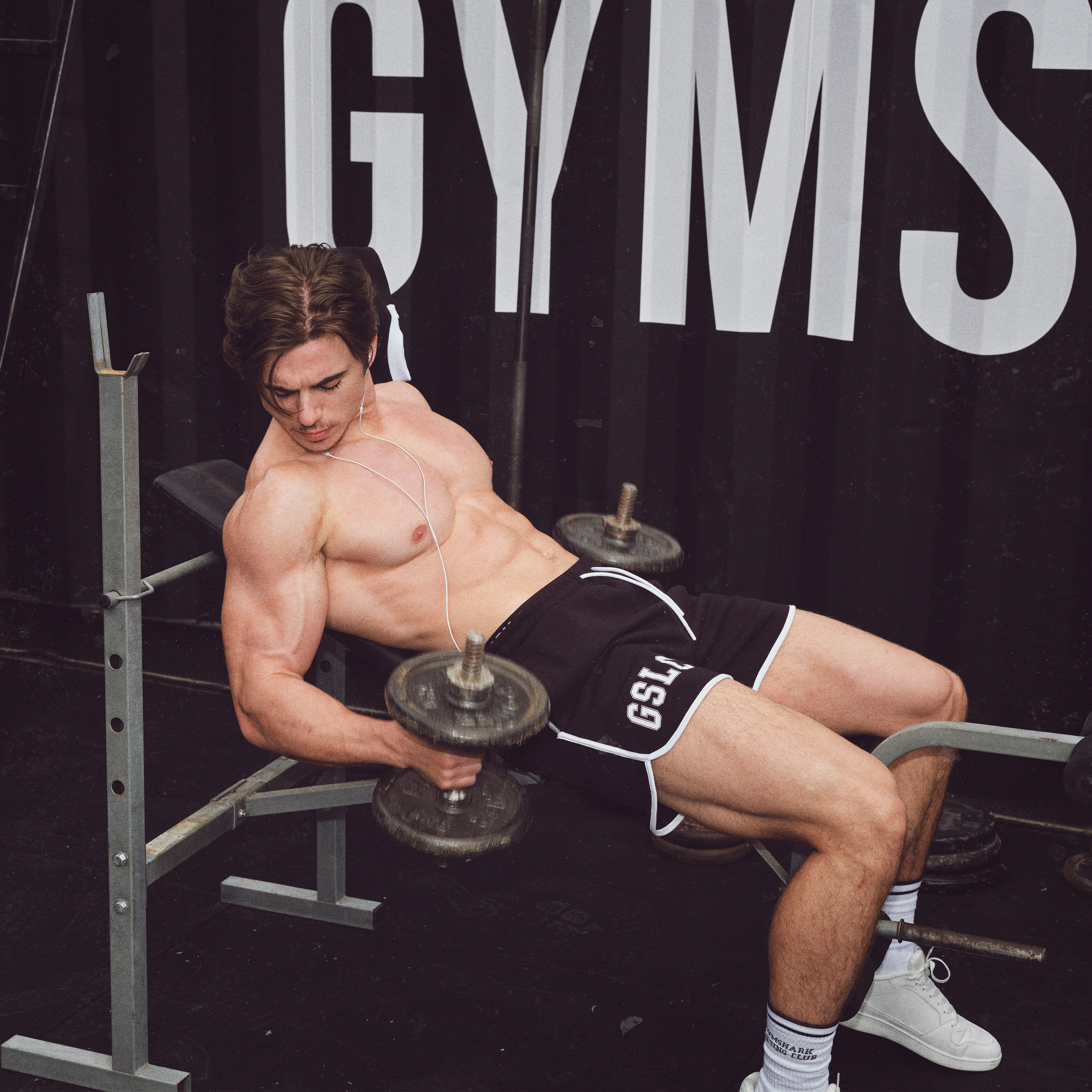
Free weights like dumbbells and kettlebells let you move more naturally. They engage stabilizer muscles that machines often skip. Have you felt the difference when balancing a weight versus pushing a machine? This added challenge improves your overall strength and coordination.
Start light and focus on form. Practice basic moves like bicep curls, shoulder presses, and deadlifts. Use a mirror or record yourself to check your alignment. Remember, slow and steady beats fast and sloppy every time.
Credit: www.mindpumpmedia.com
Cardio Exercises For Beginners
Starting cardio exercises at the gym can feel challenging but is very rewarding. Cardio improves heart health and boosts energy. It also helps burn calories and reduce stress. Beginners should begin with easy machines and low intensity. This builds confidence and avoids injury. Here are some simple guides to popular cardio equipment for first-time users.
Treadmill Tips
The treadmill is a great way to start cardio workouts. Begin with a slow walking pace. Gradually increase speed as you feel comfortable. Use the handrails only for balance, not support. Keep your posture straight and eyes forward. Try intervals of walking and light jogging to build stamina.
- Start with 5 to 10 minutes
- Use the warm-up and cool-down settings
- Wear proper running shoes
- Focus on steady breathing
Stationary Bike Guide
The stationary bike is gentle on knees and easy to use. Adjust the seat so your knees bend slightly at the lowest pedal point. Keep your back straight and hands relaxed on the handles. Pedal at a steady pace that feels comfortable. Increase resistance slowly to challenge muscles.
- Begin with 10 to 15 minutes
- Keep a smooth pedal motion
- Maintain a relaxed grip
- Focus on controlled breathing
Rowing Machine Basics
The rowing machine works many muscles and improves endurance. Sit tall with your feet strapped in. Push with your legs first, then lean back slightly and pull the handle. Reverse the motion to return to start. Keep movements smooth and controlled. Start with low resistance to learn the technique.
- Warm up for 5 minutes
- Use slow, steady strokes
- Keep shoulders relaxed
- Focus on leg power, not just arms
Proper Form And Technique
Proper form and technique are key to safe and effective workouts. Using correct posture helps prevent injuries and boosts exercise results. It also builds good habits for long-term fitness. Beginners should focus on learning the right movements before adding weight or speed.
Practicing proper form takes patience and attention. Small mistakes can cause strain or limit progress. Focus on controlled movements and body alignment. This section covers common errors, breathing tips, and mirror use to improve your technique.
Common Mistakes To Avoid
- Rounding the back during lifts causes strain.
- Locking joints can lead to injury.
- Using momentum instead of muscle control reduces effectiveness.
- Holding breath increases tension and fatigue.
- Incorrect foot placement affects balance and stability.
Breathing Patterns
Breathing correctly supports muscle function and endurance. Breathe out during effort, like lifting or pushing. Breathe in during relaxation or lowering the weight. Avoid holding your breath; it raises blood pressure.
Keep a steady, calm breath. This improves oxygen flow and focus. Practice breathing with each movement to make it natural.
Using Mirrors Effectively
Mirrors help check your posture and alignment. Watch your movements to ensure proper form. Use them to spot mistakes like leaning or twisting.
Don’t rely only on mirrors. Feel your body’s position too. Combine mirror feedback with body awareness for best results.

Credit: www.strengthlog.com
Post-workout Recovery
Post-workout recovery helps your body heal and grow stronger. It reduces soreness and lowers injury risks. Taking time to recover improves your overall gym progress.
Cool-down Stretches
Cooling down after exercise helps your muscles relax. Stretching increases blood flow and reduces stiffness. Focus on major muscle groups you used during your workout.
- Hamstring stretch
- Quadriceps stretch
- Shoulder stretch
- Chest stretch
Hold each stretch for 15 to 30 seconds. Avoid bouncing to prevent muscle strain.
Hydration And Nutrition
Drink water to replace fluids lost through sweat. Proper hydration supports muscle recovery and energy levels. Eating the right foods helps repair muscle tissue.
- Include protein for muscle repair
- Choose carbohydrates for energy replenishment
- Add fruits and vegetables for vitamins
Try to eat a balanced meal within 1 hour after exercise.
Rest And Muscle Repair
Rest allows muscles to heal and grow stronger. Sleep is vital for recovery and overall health. Avoid intense workouts on the same muscle groups every day.
Listen to your body. Take rest days seriously to prevent fatigue and injuries.
Staying Motivated
Staying motivated during your first time at the gym can be challenging. The excitement of starting often fades when results don’t show immediately or when workouts feel repetitive. But motivation is key to making progress and turning gym visits into a lasting habit.
Tracking Progress
Seeing your improvement keeps your motivation alive. Track your workouts by noting the weights you lift, the number of reps, or the duration of your cardio sessions. Simple apps or a workout journal can help you visualize growth over time.
Have you ever felt more driven after noticing even a small gain? That sense of achievement fuels your desire to push harder. Don’t ignore the power of celebrating tiny wins—they add up fast.
Finding Workout Buddies
Working out with a friend changes the whole experience. You hold each other accountable and share encouragement when workouts get tough. Plus, it’s harder to skip the gym when someone is waiting for you.
Think about how much easier it is to stay consistent when you have someone to chat with or challenge you. Your gym buddy can help you discover new exercises and keep your sessions fun.
Mixing Up Your Routine
Doing the same exercises every day can lead to boredom and burnout. Try adding variety by switching between cardio, strength training, and flexibility workouts. This not only keeps things interesting but also helps your body improve in different ways.
Ask yourself, what’s one new exercise or class you can try this week? Even small changes can break the monotony and boost your enthusiasm for each gym visit.
Credit: www.gymshark.com
Frequently Asked Questions
What Are The Best First Time Gym Exercises?
Start with basic exercises like walking on the treadmill, bodyweight squats, push-ups, and light dumbbell curls. These build strength and improve endurance safely for beginners.
How Often Should Beginners Exercise At The Gym?
Begin with 3 days a week, allowing rest days in between. This helps your body adapt and reduces injury risk while building consistency.
Should Beginners Warm Up Before Gym Exercises?
Yes, warming up for 5-10 minutes increases blood flow and prepares muscles. It lowers injury risk and improves workout performance.
How Long Should A First Time Gym Workout Last?
Aim for 30-45 minutes per session. This duration balances effective exercise with maintaining energy and focus for beginners.
Conclusion
Starting gym exercises can feel tough but also exciting. Keep your goals clear and stay consistent. Focus on learning the right form to avoid injuries. Small steps every day bring big results over time. Listen to your body and rest when needed.
Enjoy the process and celebrate your progress. Remember, everyone begins somewhere, and you are on your way. Stay patient and keep moving forward.







