
Are you curious about what fuels those playful, furry bundles of energy? Understanding your ferret’s diet is crucial for ensuring their health and happiness.
Just like you, ferrets need a balanced diet that caters to their unique nutritional needs. By the end of this article, you’ll have all the insights to provide your furry friend with the perfect meal plan. Dive in to discover the essentials of a ferret’s diet, and learn how the right food choices can make all the difference in your pet’s vitality and joy.
Are you ready to transform your ferret’s mealtime into a feast of health and delight? Let’s get started!
Ferret Nutritional Needs
Ferrets have unique nutritional needs that differ from many other pets. Their bodies require specific nutrients to stay healthy and active. Feeding them the right diet helps maintain their energy and supports their organs.
Understanding what nutrients ferrets need is key to their wellbeing. Their diet must include the right balance of proteins, fats, and carbohydrates to keep them strong and happy.
Essential Nutrients
Ferrets need certain nutrients to thrive. These include:
- High-quality protein
- Healthy fats
- Minimal carbohydrates
- Vitamins and minerals
Each nutrient plays a special role in their body functions. Vitamins support the immune system, while minerals help with bone health.
Protein Requirements
Protein is the most important nutrient for ferrets. Their bodies use protein for muscle growth and repair. They need at least 30-40% protein in their diet. Animal-based proteins like meat and eggs work best. Plant proteins do not provide all the amino acids ferrets need.
Fat And Carbohydrates
Fats give ferrets energy and help absorb vitamins. Their diet should have 15-20% fat. Healthy fats come from animal sources. Ferrets have a very low need for carbohydrates. Too many carbs can cause health problems. Keep carbohydrates below 5% of their diet.
Best Foods For Ferrets
Choosing the best foods for ferrets is key to keeping them healthy and happy. Ferrets are carnivores and need a diet rich in protein and fat. Their digestive systems cannot handle large amounts of fiber or carbohydrates. Feeding the right foods supports energy, growth, and overall wellbeing.
High-quality Protein Sources
Proteins are essential for ferret health. Good protein sources include:
- Raw or cooked chicken
- Turkey
- Rabbit meat
- Beef
- Whole prey like mice (if available)
Choose fresh, lean meats without seasoning. Avoid processed meats with additives or preservatives.
Safe Treats And Snacks
Ferrets enjoy treats but only in small amounts. Suitable treats include:
- Freeze-dried meat snacks
- Cooked eggs
- Small pieces of cooked liver
- High-quality ferret treats from pet stores
Limit treats to prevent obesity. Never give sugary or dairy treats.
Foods To Avoid
Some foods harm ferrets and must be avoided:
- Fruits and vegetables
- Dairy products
- Grains and cereals
- Sweets and chocolates
- Processed human foods
These foods can cause digestive problems and illness. Stick to meat-based diets only.
Creating A Balanced Meal Plan
Creating a balanced meal plan for your ferret is essential for its health and happiness. Ferrets need a diet rich in protein and fat but low in carbohydrates. Planning meals carefully keeps their energy up and supports strong muscles.
Understanding the right schedule, portion sizes, and hydration helps maintain your ferret’s well-being. Each part plays a role in a complete diet that matches their natural needs.
Daily Feeding Schedule
Feed your ferret multiple times a day. Small, frequent meals fit their fast metabolism. Aim for three to four feedings every 24 hours. Avoid long gaps without food to prevent low blood sugar. Keep feeding times consistent to build routine.
Portion Sizes
Portions depend on your ferret’s age, weight, and activity level. On average, feed about 2-4 tablespoons of high-quality ferret food per meal. Monitor your ferret’s body condition and adjust portions accordingly. Avoid overfeeding to prevent obesity and digestive issues.
Hydration Tips
Provide fresh water at all times. Use a heavy bowl or water bottle to prevent spills. Change water daily to keep it clean. Wet food can help with hydration but do not rely on it alone. Watch for signs of dehydration such as dry gums or lethargy.

Credit: www.walmart.ca
Common Dietary Issues
Feeding your ferret properly can be tricky, and many owners face common dietary issues that affect their pet’s health. Identifying these problems early helps you adjust their diet to keep them happy and energetic. Let’s look at some common signs and challenges you might encounter.
Signs Of Malnutrition
Ferrets with malnutrition often appear lethargic and lose weight despite eating regularly. Their fur may become dull or patchy, and you might notice poor muscle tone or swollen limbs. If your ferret is less playful or shows changes in behavior, these could be red flags signaling nutritional gaps.
Have you checked the ingredients on your ferret’s food label lately? Sometimes, what seems like enough food isn’t providing the right nutrients. Ensuring a balanced diet rich in animal protein and fat is essential for their well-being.
Food Allergies And Sensitivities
Some ferrets develop allergies or sensitivities to certain foods, causing itching, redness, or digestive upset. Common culprits include grains, dairy, or artificial additives in commercial diets. If your ferret frequently scratches or has skin issues, consider eliminating suspect foods one at a time.
Monitoring your ferret’s reaction to new foods can reveal hidden sensitivities. Have you noticed any changes after switching brands or introducing treats? Keeping a food diary can help identify triggers and improve their comfort.
Digestive Problems
Digestive problems like diarrhea or constipation can quickly weaken your ferret. These issues often result from sudden diet changes, low-quality food, or inappropriate treats. Avoid feeding fruits or vegetables, as ferrets have a short digestive tract designed for meat.
Have you ever tried adjusting feeding times or portions to help with digestion? Smaller, more frequent meals can ease their digestive load and prevent discomfort. Always consult a vet if digestive issues persist beyond a day or two.
Supplements And Additives
Supplements and additives can support a ferret’s diet when natural food lacks certain nutrients. They help fill gaps but should not replace a balanced diet. Choosing the right supplements improves overall health and vitality in ferrets.
When To Use Supplements
Supplements are useful during illness or recovery. They help ferrets get extra vitamins or minerals. Growing kits and pregnant jills may need added nutrients. Supplements also assist if the ferret refuses to eat enough food. Always consult a vet before giving supplements.
Popular Supplement Options
- Vitamin E:Supports skin and immune health.
- Omega-3 fatty acids:Aid coat shine and brain function.
- Probiotics:Improve digestion and gut health.
- Taurine:Essential for heart and eye health.
- Calcium and phosphorus:Strengthen bones and teeth.
Risks Of Over-supplementation
Too many supplements can harm a ferret’s health. Excess vitamins may cause toxicity and organ damage. Overuse of minerals can upset the digestive system. Balance is key to avoid these risks. Always follow vet advice on dosage and frequency.
Credit: northeastpetstore.clientvantage.ca
Transitioning Foods Safely
Changing a ferret’s diet must be done carefully to avoid stress and digestive problems. Sudden switches can upset their stomach and cause refusal to eat. A gradual approach helps ferrets adjust smoothly to new foods. Watch their behavior and health closely during this time.
Introducing New Diets
Start by mixing a small amount of the new food with the old one. Increase the new food slowly over 7 to 10 days. Keep the portions small to prevent waste and discomfort. Offer fresh water to help digestion. Observe if your ferret shows interest or hesitation.
Managing Food Refusals
Ferrets may refuse new food at first. Avoid forcing them to eat. Try warming the food slightly to release aroma. Offer the new food at the same time daily. If refusal continues beyond a week, reassess the food choice. Sometimes mixing in a favorite treat can help encourage eating.
Monitoring Health Changes
Track your ferret’s weight and energy daily. Watch for signs of diarrhea, vomiting, or lethargy. Note any changes in stool color or consistency. If any health issues appear, pause the diet change and consult a vet. Keeping a food diary can help identify problems early.
Homemade Vs Commercial Diets
Deciding between homemade and commercial diets for your ferret can feel overwhelming. Each option offers unique benefits and challenges that affect your pet’s health and your daily routine. Understanding these differences helps you make a choice that fits your ferret’s nutritional needs and your lifestyle.
Pros And Cons Of Homemade Meals
Homemade meals give you full control over what your ferret eats. You can ensure fresh ingredients and avoid fillers or artificial additives. This is especially useful if your ferret has allergies or food sensitivities.
However, preparing balanced meals requires careful planning. Ferrets need a diet high in protein and fat, with very little carbs. Missing essential nutrients can lead to health problems, so you must research or consult a vet to create a proper meal plan.
Another challenge is time. Cooking and preparing fresh food daily can be demanding. Have you considered how much time you can realistically dedicate to this?
Choosing The Right Commercial Food
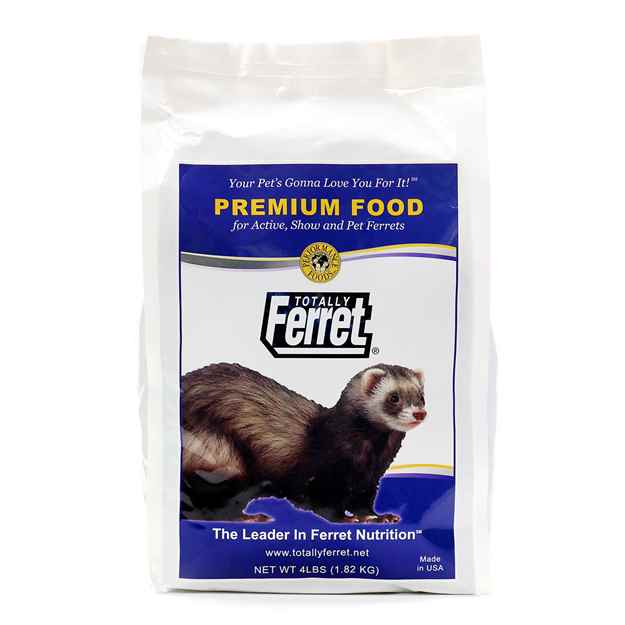
Commercial ferret foods are convenient and formulated to meet their dietary needs. They often contain the right balance of proteins, fats, and vitamins, making them a reliable choice for busy owners.
Still, not all commercial foods are equal. Some brands use low-quality ingredients or fillers like grains, which ferrets can’t digest well. Look for products with high meat content and minimal carbohydrates.
Reading labels carefully is key. Does the brand list meat as the first ingredient? Are there added sugars or artificial preservatives? These questions help you avoid products that could harm your ferret’s health.
Combining Both Approaches
Mixing homemade and commercial diets can offer the best of both worlds. You can supplement commercial food with fresh proteins or occasional treats you prepare yourself.
This approach allows flexibility and variety in your ferret’s meals. It also helps you manage time while ensuring your pet receives quality nutrition.
Try tracking how your ferret responds to different foods. Do they show more energy or better coat condition? Adjust your feeding strategy based on these observations to find the perfect balance for your companion.

Credit: www.marshallferrets.com
Frequently Asked Questions
What Foods Are Best For A Healthy Ferret Diet?
Ferrets thrive on high-protein, high-fat diets. Ideal foods include raw or cooked meat, specially formulated ferret kibble, and occasional treats like eggs. Avoid sugary or carbohydrate-rich foods as ferrets have short digestive tracts and need animal-based nutrition for optimal health.
Can Ferrets Eat Fruits And Vegetables Safely?
Ferrets are obligate carnivores and cannot digest fruits or vegetables well. Feeding these may cause digestive issues or diarrhea. It’s best to avoid plant-based foods and stick to meat-based diets to meet their specific nutritional needs and maintain their health.
How Often Should I Feed My Ferret Daily?
Adult ferrets should be fed two to three small meals daily. Young or very active ferrets may require more frequent feeding. Consistent feeding times help regulate their metabolism and prevent overeating or digestive problems, supporting their energy and overall wellbeing.
Is Commercial Ferret Food Better Than Homemade Meals?
Commercial ferret food is formulated to meet their specific nutritional needs. It is convenient and balanced. Homemade diets require careful planning to ensure proper nutrients. Consult a veterinarian before switching or preparing homemade meals to maintain your ferret’s health.
Conclusion
A proper ferret diet keeps your pet healthy and happy. Feed high-protein foods that match their natural needs. Avoid sugary treats and too many carbs. Fresh water should always be available. Watch your ferret’s weight and energy levels closely. Small changes in diet can make a big difference.
A balanced diet supports a long, active life. Careful feeding shows you care about your ferret’s well-being. Simple steps lead to strong, playful pets. Your ferret deserves the best nutrition every day.







