
Are you ready to transform your fitness routine and feel stronger every day? Creating an exercise routine at the gym designed just for women can help you build confidence, boost energy, and achieve the results you want.
Whether you’re new to working out or looking to switch things up, this guide will show you simple, effective exercises tailored to your goals. Stick with us, and you’ll discover how easy it is to make the gym a place where you thrive—starting today.
Benefits Of Strength Training
Strength training offers more than just muscle growth; it transforms your entire approach to fitness and health. Many women hesitate to lift weights, fearing bulkiness, but strength training actually shapes a toned, strong body. It also brings lasting benefits that extend beyond the gym.
Improves Bone Health And Reduces Injury Risk
Adding strength exercises to your routine helps build stronger bones. This is essential for women, especially as they age and face higher risks of osteoporosis.
Stronger muscles also support your joints better, which lowers the chance of injuries during daily activities or other workouts. Have you noticed how much easier it gets to carry groceries or lift your kids after building muscle?
Boosts Metabolism And Aids Weight Management
Muscle tissue burns more calories than fat, even when you’re resting. This means strength training can help you maintain a healthy weight without spending endless hours on cardio.
By lifting weights regularly, you increase your resting metabolic rate, making it easier to shed fat and keep it off. How much time could you save if your body worked harder for you all day long?
Enhances Mood And Mental Health
Strength training releases endorphins, which help reduce stress and anxiety. Many women report feeling more confident and empowered after consistent workouts.
It’s not just about looking good; it’s about feeling strong inside. Could building physical strength be the key to your mental resilience?
Improves Functional Strength For Daily Life
Everyday tasks like lifting, carrying, and climbing stairs become easier when your muscles are stronger. Strength training focuses on real-world movements that support your lifestyle.
Instead of avoiding physical challenges, you’ll find yourself tackling them with ease and less fatigue. What daily activity would you tackle first with new-found strength?
Setting Fitness Goals
Setting fitness goals is the first step for women starting a gym routine. Clear goals provide focus and motivation. They help track progress and celebrate achievements. Without goals, workouts may feel random and less effective.
Choosing the right goals depends on personal needs and lifestyle. Goals should be realistic and specific to keep you motivated. Small, achievable targets build confidence and encourage consistency.
Understanding Different Types Of Fitness Goals
Fitness goals vary by what you want to improve. Common goals include:
- Building muscle strength
- Improving endurance
- Losing weight
- Enhancing flexibility
- Boosting overall health
Each goal requires a different workout style. Knowing your goal helps tailor your gym routine effectively.
Setting Smart Goals For Better Results
SMART goals are Specific, Measurable, Achievable, Relevant, and Time-bound.
- Specific:Define exactly what you want to achieve.
- Measurable:Track your progress with clear markers.
- Achievable:Set realistic goals you can reach.
- Relevant:Choose goals that matter to your health.
- Time-bound:Give yourself a deadline to stay focused.
Tracking Progress To Stay Motivated
Regularly check your progress to stay on track. Use a journal or fitness app to record workouts. Celebrate small wins to keep energy high. Adjust goals if needed to fit your growth and lifestyle.
Essential Gym Equipment
Choosing the right gym equipment can make a huge difference in your workout results and motivation. Not every machine or tool suits everyone, especially when you have specific goals or preferences. Knowing which equipment works best for your body and routine helps you stay consistent and avoid injury.
Free Weights And Dumbbells
Free weights are great for building strength and improving balance. Using dumbbells forces you to control the movement, which engages more muscles than machines do. You might find that starting with lighter weights and gradually increasing helps you avoid strain and build confidence.
Have you tried mixing dumbbells with bodyweight exercises? This combination can boost your endurance and muscle tone without needing complicated setups.
Resistance Machines
Resistance machines guide your movements, making them safer if you’re new or recovering from injury. They target specific muscles, which is useful when you want to focus on areas like your glutes or arms. Don’t hesitate to ask gym staff for a quick demo to ensure your form is correct.
Think about which muscle groups you want to strengthen. Machines like the leg press or lat pulldown can be great additions to your routine.
Cardio Equipment
Cardio machines such as treadmills, ellipticals, and stationary bikes help improve heart health and burn calories efficiently. Try different machines to find what feels enjoyable—your likelihood of sticking with cardio rises when you like the activity. Setting small goals, like increasing speed or duration, can keep things interesting.
Have you noticed how listening to music or podcasts while on cardio machines makes time fly? It’s a simple trick to keep your sessions engaging.
Stability And Balance Tools
Tools like stability balls, balance boards, and BOSU trainers add a fun challenge to your workouts. They improve core strength and coordination, which are essential for everyday movements. Using these tools can also prevent plateaus by introducing variety.
If you’ve never tried balancing on a BOSU ball, start with short sessions. It’s a great way to test your core strength and stability without risking injury.
Credit: www.eatthis.com
Warm-up Techniques
Warming up before a workout is essential for every woman at the gym. It prepares the body for exercise, reduces injury risk, and improves performance. A good warm-up increases blood flow to muscles and raises the heart rate gradually. It also helps the mind focus on the workout ahead.
Warm-up techniques vary but should always involve gentle movements that mimic the upcoming exercise. This helps activate the right muscles and joints. Spend at least 5 to 10 minutes warming up to get the best results from your gym routine.
Dynamic Stretching
Dynamic stretching involves moving parts of your body through full ranges of motion. It warms up muscles and improves flexibility. Examples include leg swings, arm circles, and torso twists. These movements increase blood flow and prepare muscles for action.
Light Cardio Exercises
Light cardio exercises raise your heart rate slowly. Walking on a treadmill or cycling at low speed works well. Jumping jacks or jogging in place can also help. These activities get your blood pumping and muscles ready.
Joint Mobility Movements
Joint mobility exercises focus on loosening joints. Gentle circles of the wrists, ankles, and shoulders help. This improves joint flexibility and reduces stiffness. Mobility moves make it easier to perform gym exercises smoothly.
Muscle Activation Drills
Muscle activation drills target key muscles used in your workout. Glute bridges, bodyweight squats, and lunges are common drills. These exercises wake up muscles and improve coordination. They ensure muscles work properly during your main workout.
Upper Body Workouts
Upper body workouts help build strength and improve posture. They tone muscles in the shoulders, back, and arms. Regular training boosts confidence and supports daily activities. Women benefit from a balanced routine focusing on all upper body parts.
Shoulder Exercises
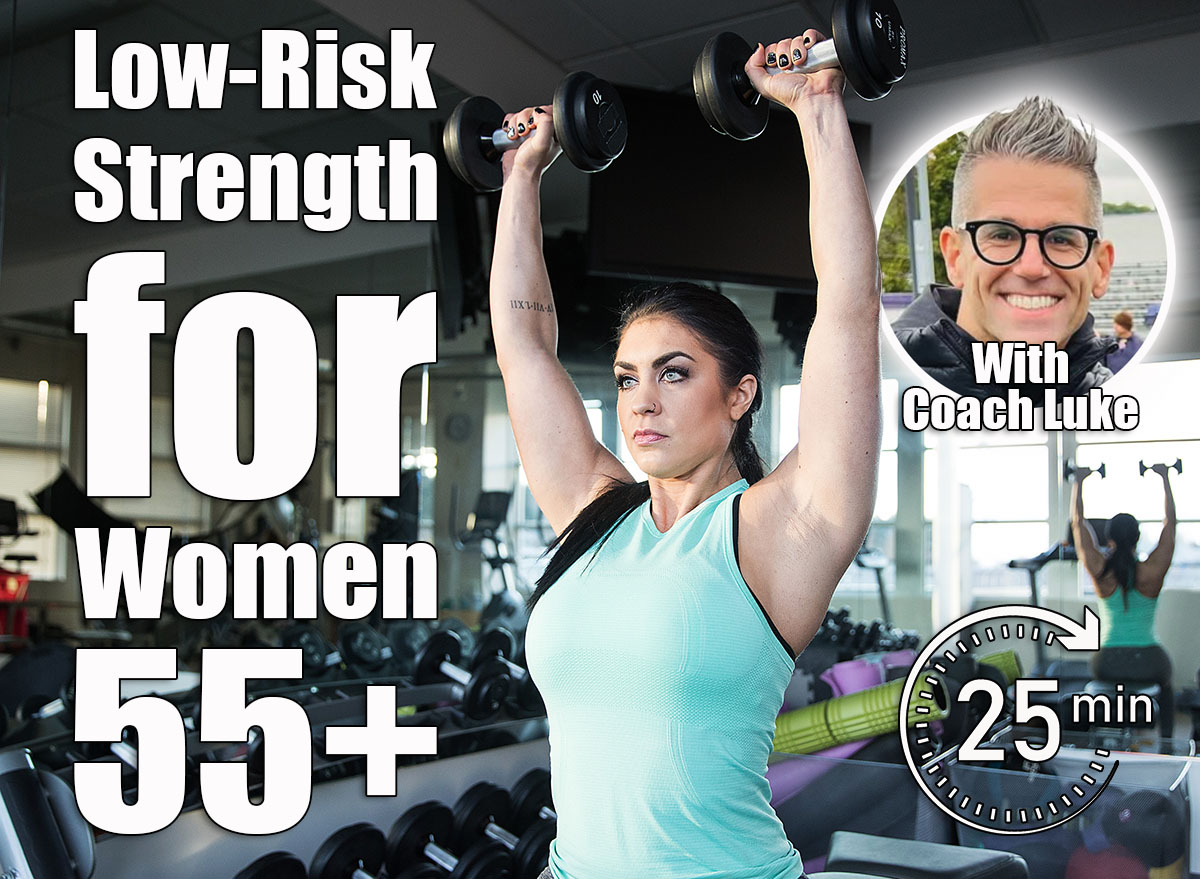
Strong shoulders improve arm movement and reduce injury risk. Start with shoulder presses using dumbbells or machines. Lateral raises target the side deltoids for broader shoulders. Front raises help shape the front shoulder muscles. Use light weights and focus on slow, controlled movements.
Back Strengthening
A strong back supports the spine and improves posture. Rows with dumbbells or cables work the upper back muscles. Lat pulldowns target the large muscles on the sides. Deadlifts and back extensions build lower back strength. Keep the core tight and avoid rounding the back during exercises.
Arm Toning
Toned arms look defined and feel strong. Bicep curls with dumbbells or barbells shape the front arms. Tricep dips or pushdowns focus on the back of the arms. Hammer curls target both the biceps and forearms. Perform exercises slowly to maximize muscle engagement.
Credit: swolverine.com
Core Strengthening
Building a strong core is essential for women who want to improve their overall fitness and daily movement. A powerful core supports your posture, stabilizes your spine, and helps you perform exercises with better form. Focusing on core strengthening can also reduce the risk of injury during your workouts and everyday activities.
Abdominal Workouts
Targeting your abdominal muscles goes beyond just achieving a flat stomach. Strong abs help you stay balanced and improve your endurance in other exercises. Try adding these moves to your routine:
- Planks:Hold your body in a straight line on your forearms and toes. Start with 20 seconds and increase over time.
- Leg Raises:Lie on your back and lift your legs slowly without bending your knees. This hits your lower abs effectively.
- Crunches:Keep your lower back on the floor and lift your shoulders toward your knees. Focus on controlled movements.
Do you notice how engaging your abs changes your stability during other exercises? Pay attention to these muscles as you work out.
Oblique Exercises
Don’t forget the sides of your core — the obliques play a big role in twisting and bending motions. Strengthening these muscles helps with activities like reaching, swinging, or even carrying groceries.
- Russian Twists:Sit on the floor, lean back slightly, and twist your torso side to side while holding a weight or a medicine ball.
- Side Planks:Lie on one side and lift your hips off the ground, supporting your body with one arm. Hold for 20-30 seconds per side.
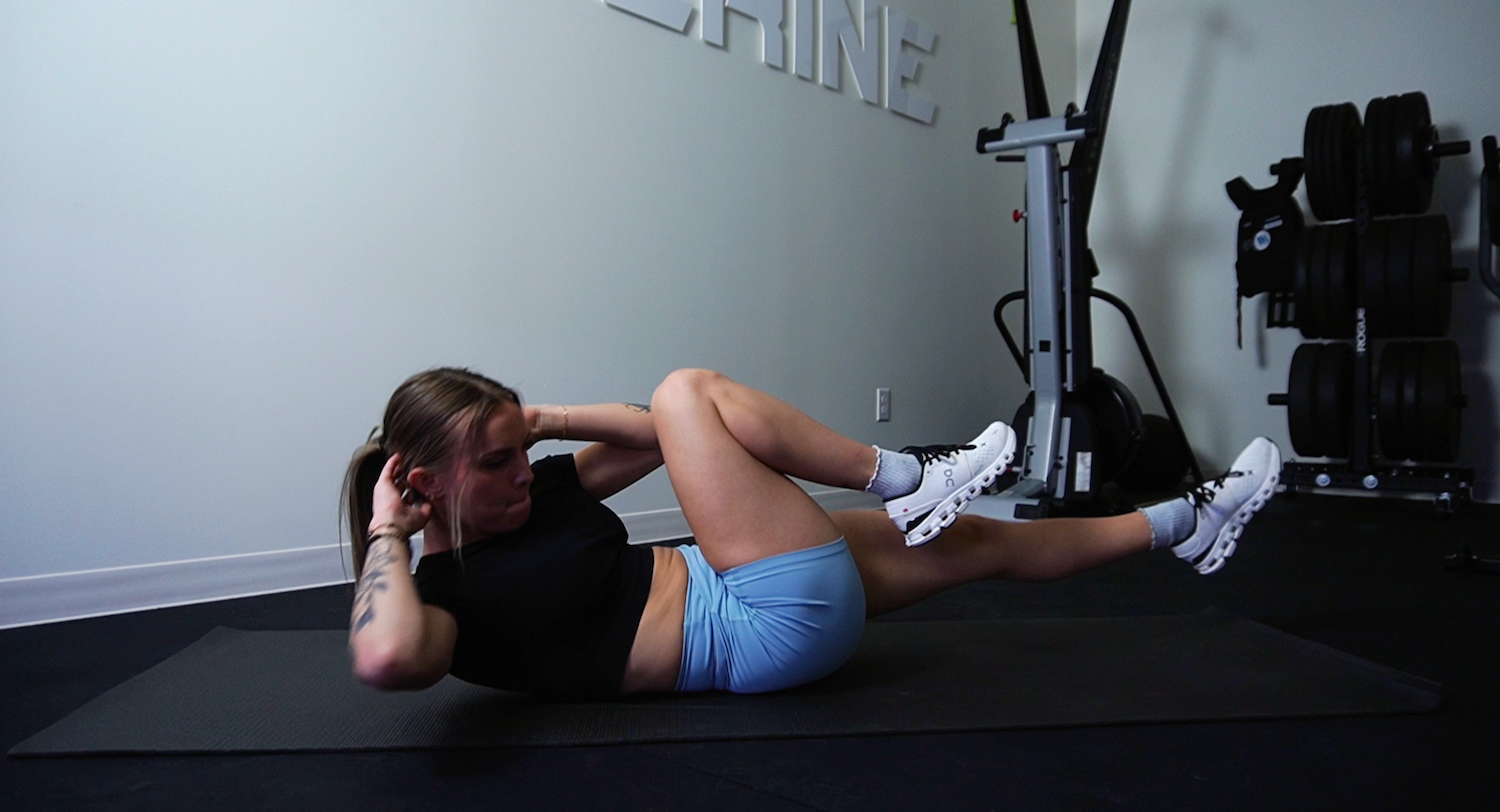
- Bicycle Crunches:Lie on your back and alternate bringing opposite elbows to knees in a cycling motion.
How often do you engage your obliques during your workouts? Adding these exercises can make a noticeable difference in your core strength and flexibility.
Lower Body Workouts
Lower body workouts are essential for building strength, improving balance, and enhancing overall fitness. Focusing on your legs and glutes not only shapes your physique but also supports your daily movements and athletic performance. Are you ready to challenge yourself and see real progress in your lower body strength?
Leg Exercises
Strong legs form the foundation of your fitness journey. Squats are a staple—simple yet powerful. They target your quads, hamstrings, and calves all at once.
Try varying your squats by adding weights or changing your stance to keep your muscles guessing. Lunges are another excellent option that helps improve balance and coordination.
Don’t forget about leg presses and hamstring curls on machines—they isolate muscles and build strength effectively. How often do you switch up your leg routine to avoid plateaus?
Glute Toning
Toned glutes not only look great but also protect your lower back and hips. Hip thrusts are a favorite because they directly target the glute muscles with minimal strain elsewhere.
Incorporate glute bridges and cable kickbacks to hit the muscles from different angles. These moves can be done with or without resistance bands depending on your level.
Consistency is key. Aim to train your glutes 2-3 times a week to see noticeable changes. What’s your go-to glute exercise that makes you feel strong and confident?
Incorporating Cardio
Incorporating cardio into a gym routine helps improve heart health and burn calories. It supports weight management and boosts energy levels. Cardio also strengthens the lungs and increases endurance. Women benefit greatly from adding cardio exercises to their workout plans.
Choosing The Right Cardio Exercise
Select cardio activities that feel enjoyable and fit your fitness level. Common options include walking on a treadmill, cycling, or using an elliptical machine. Group classes like Zumba or spinning offer fun and motivation. Trying different exercises helps prevent boredom and keeps you motivated.
How Often To Include Cardio
Aim for 3 to 5 cardio sessions each week. Each session should last between 20 to 40 minutes. Balance cardio with strength training for better results. Consistency is key to improving stamina and burning fat.
Mixing Intensity Levels
Alternate between low, moderate, and high-intensity cardio exercises. Low-intensity sessions help with recovery and fat burning. High-intensity workouts boost metabolism and improve fitness faster. Interval training combines bursts of speed with rest, making workouts effective and time-saving.
Cool Down And Stretching
Cooling down and stretching after a gym workout helps your body recover. It lowers your heart rate gradually. Stretching keeps muscles flexible and reduces soreness. This part of your routine protects you from injuries and improves your overall fitness.
Taking time to cool down also relaxes your mind. It signals the end of intense activity and helps you feel calm. Women should always include a proper cool down and stretch session to get the best results from their workouts.
Benefits Of Cooling Down
- Prevents blood from pooling in your legs
- Reduces muscle stiffness and soreness
- Helps remove waste products like lactic acid
- Brings breathing and heart rate back to normal
Effective Stretching Techniques
- Focus on major muscle groups used in your workout
- Hold each stretch for 15 to 30 seconds
- Avoid bouncing or sudden movements
- Breathe deeply and relax into each stretch
Key Stretches For Women
- Hamstring stretch: Sit and reach for your toes
- Quadriceps stretch: Pull your ankle toward your buttocks
- Shoulder stretch: Pull one arm across your chest
- Calf stretch: Press your heel down against a wall

Credit: www.goldsgym.com
Tracking Progress
Tracking your progress at the gym can change the way you see your workouts. It turns vague goals into clear milestones. When you note down what you achieve, you build motivation and discover what works best for your body.
Creating A Simple Workout Log
Keeping a workout log doesn’t have to be complicated. You can use a notebook, an app, or even a simple spreadsheet on your phone. Write down the exercises, weights, reps, and how you felt during the workout.
This habit helped me realize I was stuck doing the same routine for weeks. After tracking, I adjusted my plan and saw faster results. What small detail will you start noting today?
Measuring More Than Just Weight
Weight is just one part of your fitness journey. Try tracking other things like how many push-ups you can do, your energy levels, or even your mood after workouts. These numbers tell a fuller story about your progress.
For example, I once focused only on scale numbers and felt discouraged. But measuring my stamina improvement showed real success. What other progress signs can you celebrate besides the scale?
Using Visual Progress Tools
Photos and charts make progress visible in a way numbers can’t. Take a picture of yourself every few weeks or create a chart to show increasing weights or reps. This visual proof keeps you motivated on tough days.
Seeing my own transformation photos reminded me why I kept going, even when results were slow. Could a photo or chart help you stay committed?
Setting Realistic And Specific Goals
Clear, achievable goals give you something to aim for. Instead of saying “get fit,” try “increase squat weight by 10 pounds in 4 weeks.” Tracking these goals helps you celebrate small wins and adjust plans.
When I set specific targets, I noticed improvements faster. What exact goal can you set for your next gym session?
Nutrition And Recovery
Nutrition and recovery play a vital role in a woman’s exercise routine at the gym. Proper food intake fuels the body for workouts. Recovery helps muscles repair and grow stronger. Together, they improve performance and prevent injuries.
Eating the right nutrients before and after gym sessions supports energy and healing. Resting enough allows the body to bounce back from physical stress. Balancing both is essential for steady progress and well-being.
Pre-workout Nutrition Tips
- Choose foods rich in complex carbohydrates for lasting energy.
- Include a small amount of protein to support muscles.
- Stay hydrated by drinking water before exercise.
- Avoid heavy or greasy meals that may cause discomfort.
- Eat about 30 to 60 minutes before your workout starts.
Post-workout Nutrition Essentials
- Consume protein to help muscle repair and growth.
- Add carbohydrates to replenish energy stores.
- Include fluids to replace lost water and electrolytes.
- Opt for whole foods like lean meats, fruits, and vegetables.
- Aim to eat within 45 minutes after exercising.
Effective Recovery Practices
- Get at least 7 to 8 hours of quality sleep each night.
- Incorporate rest days into your workout schedule.
- Use stretching and foam rolling to reduce muscle tightness.
- Listen to your body and avoid overtraining.
- Consider light activities like walking or yoga on recovery days.
Frequently Asked Questions
What Is The Best Gym Workout For Women Beginners?
A balanced routine with cardio, strength training, and flexibility is ideal. Start light, focus on form, and gradually increase intensity.
How Often Should Women Exercise At The Gym Weekly?
Aim for 3 to 5 sessions per week. Include varied workouts to target different muscle groups and allow recovery.
What Gym Exercises Help Women Lose Belly Fat?
Combine cardio like running with core exercises such as planks and leg raises. Consistency and diet matter most.
Should Women Lift Heavy Weights Or Light Weights?
Women benefit from lifting moderate to heavy weights to build strength and tone muscles effectively.
Conclusion
Staying active at the gym helps women feel strong and healthy. A simple routine can build muscle and improve mood. Small steps lead to big changes over time. Consistency matters more than intensity or speed. Enjoy the process and celebrate each progress.
Your body will thank you every day. Keep moving, stay positive, and feel confident. Exercise is a key part of a happy life.







