
Are you ready to transform your fitness routine without leaving your home? Exercise equipment for home gyms can help you achieve your health goals faster and more conveniently than ever before.
Imagine having everything you need just a few steps away—no crowded gyms, no waiting for machines, and no excuses. Whether you want to build strength, improve cardio, or simply stay active, the right gear can make all the difference. Keep reading to discover how to create your perfect home gym setup and find the best equipment that fits your space and lifestyle.
Your fitness journey starts here!
Benefits Of Home Gyms
Setting up a home gym with exercise equipment offers many benefits that can improve your fitness journey. It changes how you think about working out by making exercise more accessible and personalized. You can control your environment, pace, and schedule, which often leads to better consistency and results.
Convenience And Time Savings
Having a gym right at home means no more driving or waiting for equipment. You can jump into your workout whenever you want, even for just 10 minutes. This ease often encourages you to exercise more regularly, which adds up over time.
Cost-effectiveness Over Time
While the initial investment in home gym equipment might seem high, it saves money in the long run. You avoid monthly gym fees, travel expenses, and buying workout clothes or snacks. Over a year or two, your savings can be substantial.
Privacy And Comfort
Exercising at home lets you avoid crowded gyms and feel more comfortable trying new workouts. You can play your favorite music, wear what you want, and focus without distractions. This private space often reduces workout anxiety and increases motivation.
Customization And Flexibility
You get to choose equipment that fits your specific goals and preferences. Whether you want weights, cardio machines, or yoga mats, your gym reflects your style. Plus, you can switch workouts easily without waiting for equipment or classes.
Encourages Family Involvement
Home gyms can inspire your whole family to get active together. Kids and partners might join you, creating a supportive atmosphere. This shared commitment can build healthier habits for everyone in your household.
Credit: www.aosom.ca
Choosing The Right Space
Choosing the right space for your home gym is more than just finding a free corner. It’s about creating an environment where you feel motivated and comfortable to work out regularly. The right space can boost your energy and make your exercise routine something you look forward to.
Room Requirements
Think about the size of your workout equipment and the type of exercises you plan to do. You need enough room to move freely without bumping into walls or furniture. A space of at least 6 by 8 feet is a good starting point for basic setups like a treadmill or a weight bench.
Also, consider the floor material. Hard floors like wood or tile are easier to clean, but adding a mat can protect both your floor and your equipment. If you want to lift heavy weights, a sturdy floor is essential to avoid damage or noise.
How often do you want to use the space? A room that doubles as a guest bedroom might limit your workout times. Choose a spot where your exercise won’t disturb others or feel rushed.
Lighting And Ventilation
Good lighting can keep you alert and energized during workouts. Natural light is ideal because it creates a positive atmosphere and reduces eye strain. If your space lacks windows, invest in bright, adjustable LED lights to mimic daylight.
Ventilation is just as important. Stale air can make workouts feel harder and less enjoyable. Make sure your chosen room has a window that opens or consider adding a fan or air purifier to keep fresh air circulating.
Have you noticed how fresh air affects your stamina during exercise? Poor ventilation might make your muscles feel more tired, even in short sessions. Paying attention to airflow can make your home gym feel like a refreshing retreat rather than a stuffy closet.
Essential Equipment For Beginners
Starting your home gym journey can feel overwhelming with so many options available. Focusing on essential equipment helps you build a solid foundation without clutter or confusion. The right tools can keep you motivated and make your workouts effective from day one.
Dumbbells And Barbells
Dumbbells and barbells are the backbone of strength training for beginners. They allow you to target multiple muscle groups with simple, effective exercises like curls, presses, and squats.
Choose adjustable dumbbells to save space and customize weight as you progress. A basic barbell with weight plates is also a great investment for building serious strength over time.
Have you considered how lifting free weights can improve your balance and coordination compared to machines? This small change can make a big difference in your overall fitness.
Resistance Bands
Resistance bands are incredibly versatile and beginner-friendly. They provide varying levels of resistance for exercises that improve strength, flexibility, and mobility.
Lightweight and portable, bands are perfect if you want to workout anywhere in your home or even take your gym on the go. They also reduce joint strain, making them ideal if you’re recovering from injury or just starting out.
Think about how adding resistance bands can make bodyweight exercises more challenging and effective. Which movements could you enhance with this simple tool?
Exercise Mats
An exercise mat is a small but essential piece of equipment for comfort and safety. It cushions your joints during floor exercises like yoga, Pilates, or stretching.
Look for mats with good grip and thickness to prevent slipping and protect your knees and back. Investing in a quality mat makes your workout space more inviting and encourages consistent practice.
Have you noticed how working out on a hard surface can distract you or cause discomfort? A mat changes that experience, allowing you to focus fully on your form and breathing.

Credit: www.amazon.ca
Advanced Equipment Options
Advanced equipment options bring variety and effectiveness to home gyms. They cater to different fitness goals and keep workouts interesting. These tools help improve strength, endurance, flexibility, and balance. Choosing the right equipment can boost motivation and results.
Cardio Machines
Cardio machines raise heart rate and burn calories efficiently. Popular choices include treadmills, ellipticals, and stationary bikes. Each offers a smooth, low-impact workout. Some models feature digital screens for tracking progress. Adjustable resistance levels provide a tailored intensity. Compact designs fit well in small spaces.
Strength Training Equipment
Strength training gear builds muscle and tones the body. Dumbbells, kettlebells, and resistance bands offer versatile workouts. Multi-functional weight machines target various muscle groups. Adjustable weights allow gradual strength increase. These tools support safe and effective training. They suit beginners and advanced users alike.
Flexibility And Balance Tools
Flexibility and balance tools improve posture and reduce injury risk. Yoga mats and foam rollers aid stretching and muscle recovery. Balance boards and stability balls enhance core strength. These items encourage full-body coordination. Easy to store and use daily for better mobility.
Space-saving Equipment Solutions
Creating a home gym can quickly become a challenge if you lack space. Choosing equipment that fits your area without overcrowding it is key. Space-saving solutions let you stay active without sacrificing your living space.
Foldable Equipment
Foldable equipment is a smart choice for anyone with limited room. Items like foldable treadmills or adjustable benches can be tucked away when not in use.
I’ve had a foldable rowing machine that fits neatly under my bed. It saves me from having to dedicate a permanent spot and makes cleaning easier. Could your workout gear disappear just as easily?
Multi-functional Machines
Multi-functional machines combine several exercises into one piece of equipment. This means fewer machines taking up floor space.
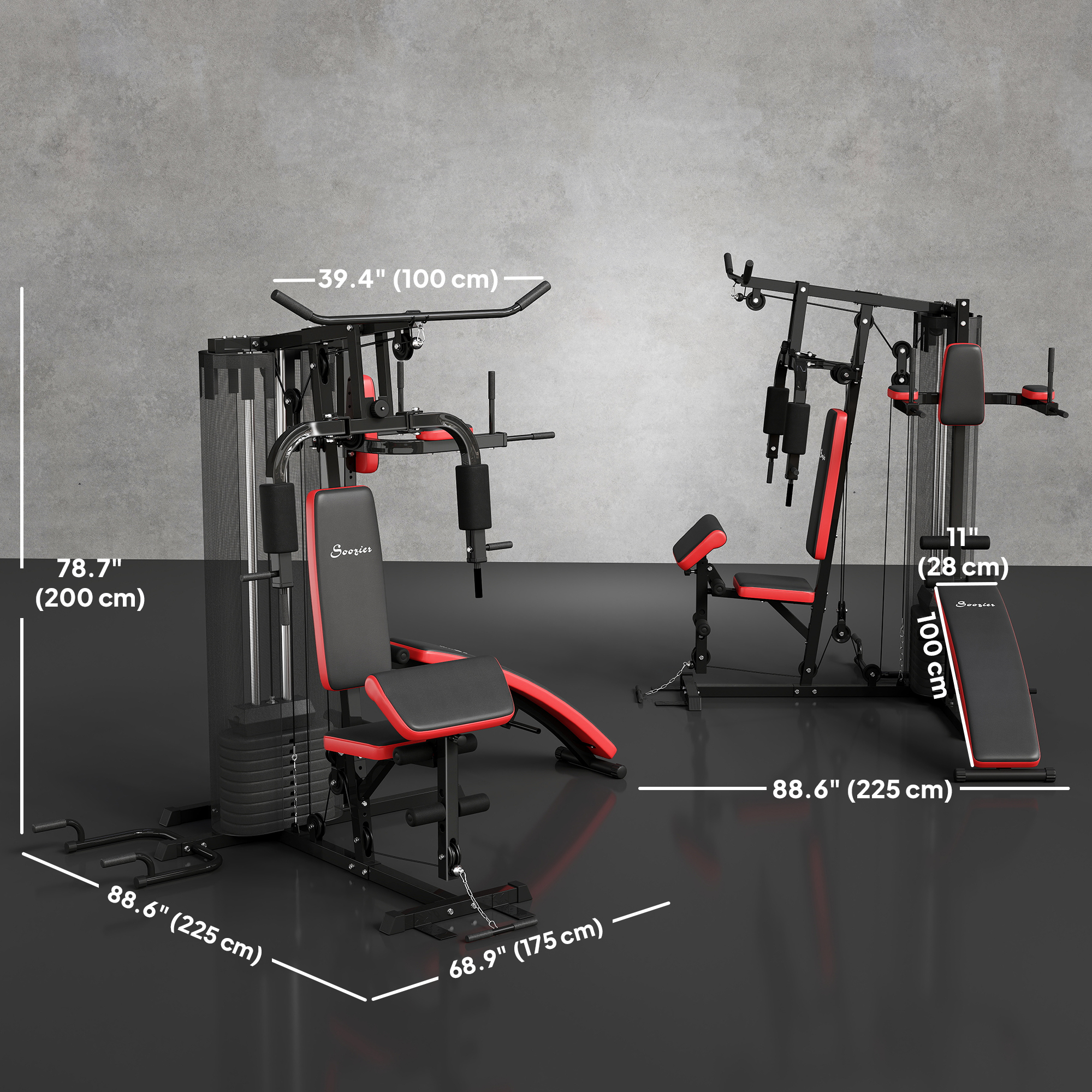
A compact home gym station might include options for pull-downs, presses, and leg workouts. This is perfect if you want variety without clutter. What exercises do you want most in your routine?
Wall-mounted Systems
Wall-mounted systems free up floor space by attaching equipment directly to your walls. Think of pull-up bars, cable machines, or fold-down benches.
Installing a wall-mounted system transformed my small room into a full workout area. It keeps gear off the floor and out of your way. How could you use your vertical space better?
Budget-friendly Alternatives
Creating a home gym doesn’t have to drain your wallet. There are smart ways to build your fitness space without splurging on expensive machines. Budget-friendly options can still deliver effective workouts if you know where to look and how to choose.
Diy Equipment
Have you ever thought about making your own workout gear? DIY equipment can be surprisingly simple and tailored to your needs.
For example, filling old water bottles with sand can create makeshift dumbbells. Wooden pallets can be transformed into sturdy weight benches or racks with basic tools and some creativity.
This approach saves money and allows you to customize your gear. What small tools or materials do you already have that could be repurposed for fitness?
Second-hand Purchases
Buying used equipment often means getting quality items at a fraction of the price. Check local marketplaces, thrift stores, or online platforms like Facebook Marketplace and Craigslist.
Look for brands known for durability—these tend to last longer even when pre-owned. Inspect equipment carefully for any damage or wear before committing.
Patience pays off here. You might find a barely-used treadmill or a set of weights that perfectly fit your workout style. How could a second-hand find fit into your exercise routine?
Online Deals And Discounts
Seasonal sales, clearance events, and coupon codes can drastically lower the cost of new equipment. Signing up for newsletters from fitness retailers often gives early access to deals.
Don’t overlook less popular brands; they sometimes offer great value without sacrificing quality. Compare prices across websites and read reviews to make informed choices.
Keep an eye on bundle offers, too. Buying a set of resistance bands or a yoga mat with a discount can add variety to your workouts without breaking your budget.
Safety Tips For Home Workouts
Exercising at home offers comfort and privacy. Safety must be a priority to prevent injuries. Following key safety tips ensures effective and secure workouts.
Proper Form And Technique
Using the right form helps avoid muscle strains and joint damage. Start with lighter weights to practice movements. Watch yourself in a mirror or record your sessions. Focus on slow, controlled motions. Avoid rushing through exercises. Seek guidance from videos or fitness professionals if unsure. Proper breathing supports your performance and safety.
Equipment Maintenance
Regular checks keep your gear safe and working well. Inspect cables, joints, and bolts for wear or looseness. Clean machines to remove dust and sweat. Lubricate moving parts as needed. Replace worn-out or broken pieces immediately. Store equipment in a dry, cool place. Follow the manufacturer’s maintenance instructions for best results.
Emergency Preparedness
Prepare for unexpected situations during workouts. Keep a phone nearby to call for help if needed. Have a first aid kit accessible in your workout area. Know basic first aid steps for common injuries. Avoid exercising alone if you have health concerns. Inform someone when you start and finish your session. Stay hydrated and take breaks to prevent exhaustion.
Creating A Motivating Environment
Creating a motivating environment in your home gym is key to staying consistent. The right atmosphere can boost energy and make workouts more enjoyable. Small changes can lead to big improvements in mood and focus.
Music And Entertainment
Music lifts the spirit and keeps you moving. Choose upbeat songs that match your workout pace. Consider a sound system or wireless speakers for clear sound. Streaming workout videos or podcasts adds variety and keeps boredom away.
Personalization Ideas
Make your gym space your own. Use colors that make you feel positive and calm. Add posters or quotes that inspire you. Organize equipment neatly for easy access. Personal touches create a space you want to spend time in.
Tracking Progress
Tracking progress helps you see your improvements. Use a journal or fitness app to record workouts and goals. Visual charts or calendars show how often you exercise. Celebrate small wins to stay motivated and focused on your fitness journey.

Credit: fitnessnutrition.ca
Frequently Asked Questions
What Are The Best Exercise Equipment For Home Gyms?
The best home gym equipment includes treadmills, dumbbells, resistance bands, and stationary bikes. These offer versatile workouts. Choose based on your fitness goals and available space.
How Much Space Do Home Gyms Usually Require?
Home gyms typically need 50 to 100 square feet. This space accommodates basic equipment like mats, weights, and a bench for comfortable movement.
Are Home Gym Machines Cost-effective Compared To Gym Memberships?
Yes, home gym machines save money over time. They eliminate monthly fees and travel costs, making them a smart investment for regular exercisers.
How Can I Maintain My Exercise Equipment At Home?
Clean equipment regularly with mild detergent and water. Check for loose parts monthly. Proper maintenance extends equipment life and ensures safe workouts.
Conclusion
Creating a home gym with the right exercise equipment saves time and money. You can work out anytime without leaving your house. Small spaces can fit simple machines like dumbbells or resistance bands. Bigger setups offer more variety and challenge your body in new ways.
Regular exercise improves health and mood. Choose equipment that suits your goals and space. Stay consistent and enjoy the benefits of fitness at home. A home gym makes staying active easy and convenient. Your health is worth the effort.







