
Deciding whether to exercise at home or at the gym can feel like a big decision. You’re not alone in this.
Many people wonder which option is best for them. Each choice has its own set of benefits and challenges. At home, you have the comfort and privacy of your own space. There’s no need to travel or worry about gym hours.
On the other hand, the gym offers a wide variety of equipment and the motivation of being surrounded by others who are working out. But what’s really going to help you achieve your fitness goals? By the end of this article, you’ll have a clearer idea of which option suits your lifestyle, preferences, and needs. Let’s explore the pros and cons of each, so you can make the best decision for your health and happiness. Ready to find out which path is right for you? Keep reading.

Credit: myyogateacher.com
Benefits Of Exercising At Home
Exercising at home offers many benefits that suit busy lifestyles. It allows you to stay active without leaving your space. This can help build a steady fitness habit that fits your daily routine. The home environment offers unique advantages that a gym cannot always provide.
Convenience And Flexibility
Working out at home saves travel time and effort. You can exercise anytime, day or night. No waiting for machines or classes. Pause or change your workout as needed. This freedom fits different schedules and energy levels.
Cost Savings
Home workouts reduce expenses on gym memberships and transport. Basic equipment or no equipment can still provide a good workout. Save money on special clothes or supplements. This makes fitness affordable for more people.
Privacy And Comfort
Exercising at home gives privacy to try new moves without feeling judged. You control the environment, temperature, and music. No need to worry about crowded spaces or gym rules. This creates a relaxed atmosphere for better focus.
Customizing Your Workout Space
Create a workout area that fits your needs and style. Choose equipment and decorations that motivate you. Use mirrors, mats, or videos to improve form and fun. This personal touch helps maintain interest and consistency.
Advantages Of Gym Workouts
Choosing to work out at the gym offers many benefits. It creates an environment designed for fitness and health. Gyms provide resources and support that often cannot be matched at home. This section explores key advantages of gym workouts.
Access To Professional Equipment
Gyms have a wide range of machines and weights. These tools help target different muscle groups. Equipment like treadmills, ellipticals, and free weights are available. Using proper machines improves workout variety and effectiveness. It also reduces injury risk by supporting correct form.
Group Classes And Social Interaction
Group fitness classes add energy and fun to exercise. Classes like yoga, spinning, and Zumba build community. They encourage people to stay consistent with workouts. Meeting others with similar goals can boost motivation. Social support helps maintain a healthy routine.
Expert Guidance And Support
Most gyms have trainers ready to assist. Trainers provide advice on exercise techniques and plans. They help beginners learn safe movements. Experts tailor workouts to individual needs and goals. This guidance speeds progress and prevents common mistakes.
Motivation And Accountability
Being in a gym environment encourages regular exercise. Seeing others work hard inspires personal effort. Scheduled classes and trainer sessions create commitment. Accountability helps overcome laziness or lack of focus. It keeps fitness goals on track.
Comparing Workout Effectiveness
Comparing workout effectiveness helps decide the best place to exercise. Both home and gym workouts offer unique benefits and challenges. Understanding these factors can guide better fitness choices.
Intensity And Variety
Gyms provide machines and weights for high-intensity workouts. They offer many exercise options to target different muscles. Home workouts may have limited equipment but can still be intense. Bodyweight exercises and simple tools can add variety at home.
Consistency And Routine
Home workouts save time by avoiding travel. This can help maintain a steady routine. Gyms create a focused environment that motivates some people. Regular visits to the gym build strong workout habits.
Tracking Progress
Gyms often have trainers and technology to monitor progress. This guidance helps adjust workouts for better results. At home, tracking requires self-discipline and tools like apps. Recording workouts and setting goals support steady improvement.
Credit: www.northwestpharmacy.com
Space And Equipment Considerations
Choosing between exercising at home or the gym depends a lot on space and equipment. The amount of room you have and the gear you own affect your workout quality. Understanding these factors helps create a better fitness routine.
Designing A Home Gym
Start by picking a space with enough room to move freely. A spare room, basement, or corner can work well. Make sure the area has good ventilation and lighting. Use mirrors to check your form. Keep the space tidy to stay motivated.
Essential Gear For Home Workouts
Focus on versatile and compact equipment. Basic items include:
- Yoga mat for floor exercises
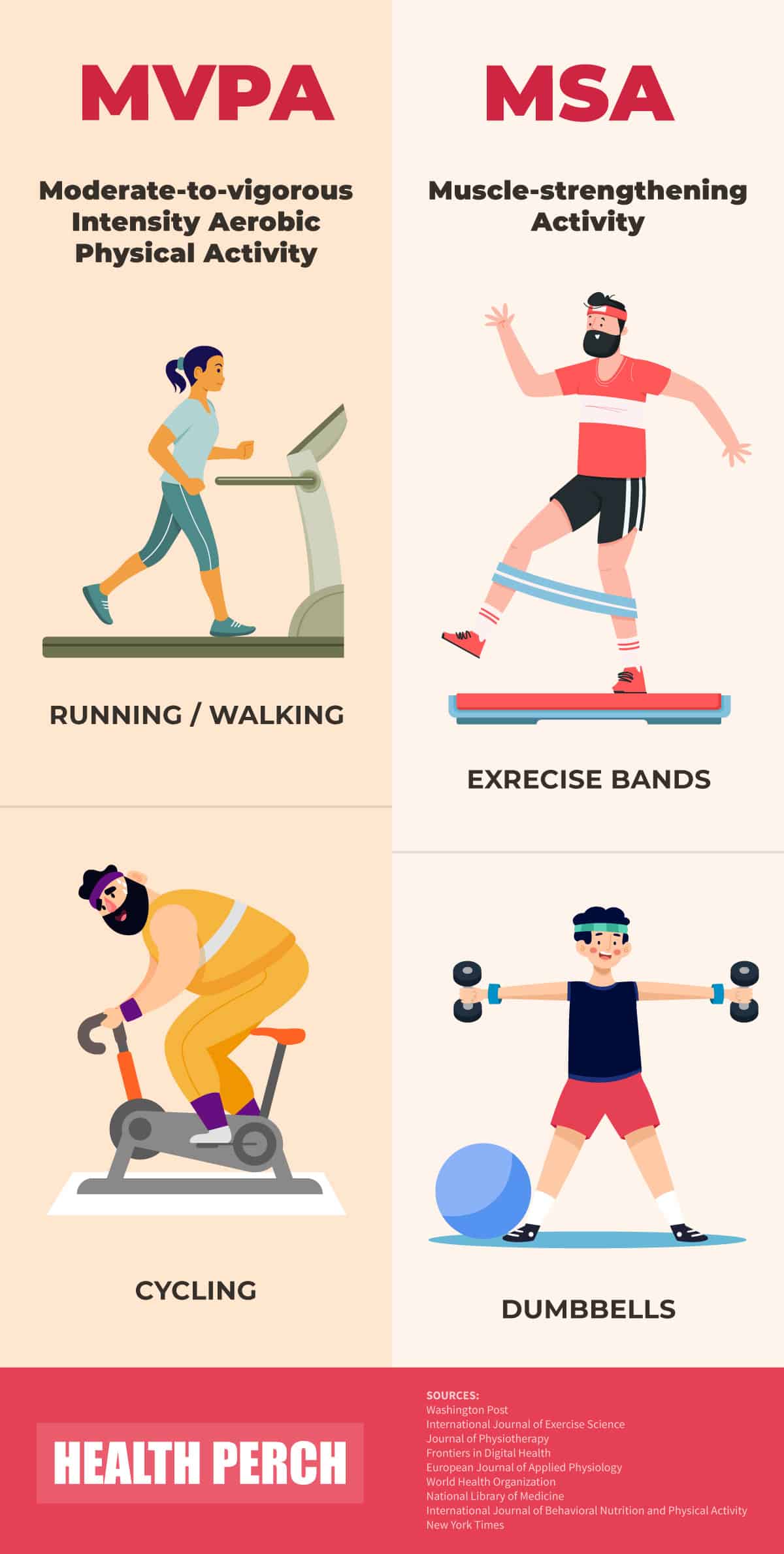
- Resistance bands for strength training
- Dumbbells or kettlebells for weight lifting
- Jump rope for cardio
Choose gear that fits your workout style and space size. Avoid bulky machines if space is tight.
Gym Amenities And Facilities
Gyms offer a wide range of equipment and classes. Expect free weights, machines, and cardio tools. Many gyms have pools, saunas, and group fitness sessions. Professional trainers provide guidance. Social interaction can boost motivation. Consider the gym’s cleanliness and hours before joining.
Cost Analysis
Deciding between exercising at home or joining a gym often starts with understanding the costs involved. Evaluating expenses helps you find the best fit for your budget. Both options have upfront and ongoing costs. Knowing these details can guide your choice.
Initial Investment For Home Setup
Setting up a home gym requires buying equipment. Costs depend on your fitness goals and space. Basic items like dumbbells, mats, or resistance bands are affordable. Larger machines like treadmills or bikes can be expensive.
- Small equipment: $50 – $200
- Mid-range machines: $300 – $800
- High-end machines: $1,000 and above
Additional costs include space preparation and storage solutions. No monthly fees apply after setup. This makes home gyms a one-time investment.
Membership Fees And Hidden Costs
Gym memberships have monthly or yearly fees. Prices vary by location and facilities offered. Basic gyms may cost $20 to $50 per month. Premium gyms can charge $70 or more.
- Sign-up fees or initiation charges
- Extra costs for classes or personal training
- Parking or locker rentals
- Travel expenses to and from the gym
Hidden fees can increase the total monthly cost. Make sure to check all terms before joining.
Long-term Financial Impact
Home gyms may have higher initial costs but no monthly fees. Savings grow over time if you keep using your equipment. Equipment may need maintenance or replacement after several years.
Gym memberships spread costs over time. They include access to many machines and services. Stopping membership means losing access and payments stop immediately.
Choosing depends on your workout habits and budget plans. Consider how long you will stay consistent with exercise. This affects overall value and cost-effectiveness.
Time And Convenience Factors
Choosing between exercising at home or the gym often depends on time and convenience. These factors shape how easily workouts fit into daily life. Understanding the impact of travel, scheduling, and flexible hours helps make a better choice.
Travel Time And Scheduling
Gym workouts require travel, which adds extra time. Commuting can take 10 to 30 minutes each way. This time may cut into workout or rest time. Home exercise removes travel, saving time daily. It allows starting workouts immediately. Scheduling becomes simpler without the need to leave the house.
Fitting Workouts Into Busy Days
Busy days leave little room for long workouts. Home exercise lets people work out in short bursts. Even 10 to 20 minutes can be effective. Gym sessions often require longer blocks of time. Planning around gym hours and travel may cause missed workouts. Home workouts provide a quick, easy option anytime.
Flexibility Of Workout Hours
Gyms usually have fixed opening and closing times. Some close early or have peak hours with crowds. Home workouts offer total freedom to exercise anytime. Early mornings, late nights, or short breaks work well. Flexibility helps keep a regular routine. It suits different lifestyles and energy levels.
Personal Preferences And Lifestyle
Choosing between exercising at home or the gym depends a lot on personal preferences and lifestyle. Everyone has unique needs and routines. These influence where and how they stay active. Understanding these factors helps find the best fit.
Social Needs And Interaction
Some people enjoy meeting others during workouts. The gym offers chances to chat, join group classes, and build friendships. This social aspect can boost workout fun and consistency.
Others prefer solitude. Exercising at home provides privacy and fewer distractions. It suits those who focus better alone or have social anxiety.
Motivation Drivers
Motivation varies from person to person. Gym members often feel motivated by the environment. Seeing others exercise can inspire and push them harder.
At home, motivation might come from convenience. No travel time means more chances to fit in a quick session. Personal goals and self-discipline play a big role here.
Adapting To Family And Work Life
Busy schedules need flexible workout options. Exercising at home fits well with family duties and work demands. It allows quick breaks and multitasking.
The gym requires planning. Travel and fixed hours might not suit everyone. Yet, some find a gym visit a helpful break from home and work routines.

Credit: www.wfla.com
Safety And Health Considerations
Safety and health are key when exercising at home or in the gym. Proper care reduces risks and helps maintain long-term wellness. Both environments need attention to avoid injuries and health issues. Understanding the unique challenges of each space ensures safe workouts and steady progress.
Injury Prevention At Home
Clear your workout area from clutter. Use proper footwear to support your feet. Warm up with light stretches before exercise. Follow step-by-step instructions for new exercises. Avoid pushing too hard too soon. Check your equipment for damage regularly. Rest if you feel pain or discomfort. Use mirrors or video to check your form.
Gym Hygiene And Safety Protocols
Wipe down machines before and after use. Use a towel on benches to block germs. Wash hands often or use hand sanitizer. Keep your water bottle closed when not drinking. Avoid touching your face during workouts. Follow gym rules about equipment use. Maintain safe distances to prevent accidents. Report broken equipment to staff immediately.
Dealing With Medical Conditions
Consult your doctor before starting any workout. Adjust intensity to match your health needs. Monitor symptoms like dizziness or shortness of breath. Carry necessary medications, such as inhalers or insulin. Inform a workout partner or trainer about your condition. Stop exercising if you feel unwell. Choose low-impact exercises to reduce stress on joints. Stay hydrated and take breaks often.
Making The Right Choice
Choosing between exercising at home or in a gym can shape your fitness journey significantly. This decision goes beyond convenience; it affects motivation, consistency, and results. Understanding what suits your lifestyle and goals is essential to making a choice that keeps you engaged and progressing.
Assessing Your Goals
Start by clearly defining what you want to achieve. Are you aiming to build muscle, lose weight, increase flexibility, or boost endurance? Your goals will guide whether you need specialized equipment, expert guidance, or just space to move freely.
If strength training is your focus, gyms often offer varied machines and heavier weights. But for general fitness or yoga, a quiet space at home might be all you need. Think about how specific your goals are and which environment supports them best.
Trial Periods And Flexibility
Give yourself a chance to test both options before committing. Many gyms offer trial memberships or day passes—use these to experience the atmosphere and facilities. At home, try setting up a mini workout space and follow online classes to see if you stay motivated.
Notice how flexible each option is around your schedule. Can you easily squeeze in workouts at home during busy days? Does the gym’s opening hours align with your free time? Flexibility often determines whether you’ll stick to your routine over time.
Combining Both Options
You don’t have to pick just one. Many people find success mixing gym workouts with home sessions. This combo lets you enjoy gym equipment and social interaction while keeping the convenience of home workouts for busy days.
Try scheduling strength training at the gym and doing cardio or stretching at home. This variety can keep your routine fresh and prevent boredom. How could blending both environments fit into your weekly plan?
Frequently Asked Questions
What Are The Benefits Of Exercising At Home?
Exercising at home saves time and money. It offers privacy and flexibility to workout anytime. Home workouts improve consistency and allow customized routines without gym crowds or travel.
How Does Gym Exercise Compare To Home Workouts?
Gym exercise provides diverse equipment and professional guidance. It encourages social interaction and motivation. Gyms offer structured classes and a dedicated environment, which can enhance discipline and performance.
Is Home Exercise Effective For Weight Loss?
Yes, home exercise can effectively support weight loss. Combining cardio, strength training, and proper diet at home boosts metabolism. Consistency and intensity matter more than location for losing weight.
What Equipment Is Essential For Home Workouts?
Basic home workout equipment includes dumbbells, resistance bands, and a yoga mat. These tools support strength, flexibility, and cardio exercises. They are affordable, space-efficient, and versatile for various fitness levels.
Conclusion
Choosing between home workouts and gym sessions depends on your needs and lifestyle. Both options help you stay fit and healthy. Home exercise offers comfort and saves time. Gyms provide more equipment and social motivation. Think about your goals, budget, and daily schedule.
Consistency matters most in any fitness plan. Enjoy your workouts and keep moving every day. Your health is worth the effort.







