
When you step into a gym, the variety of equipment can feel overwhelming. But understanding what each machine or tool does can make your workout more effective and enjoyable.
Whether you want to build strength, improve your cardio, or just stay active, the right equipment can help you reach your goals faster. You’ll discover the essential gym equipment you should know about and how to use it to get the best results.
Ready to unlock your full potential? Let’s dive in.
Cardio Machines
Cardio machines are a key part of any gym. They help improve heart health and burn calories. These machines suit all fitness levels and goals. Many people prefer them for their low-impact workouts. They offer variety and make exercising fun and effective.
Treadmills
Treadmills mimic walking or running indoors. You control speed and incline. They help increase endurance and leg strength. Ideal for beginners and advanced users alike. Many models include programs to keep workouts interesting.
Ellipticals
Ellipticals offer a smooth, low-impact motion. They work both upper and lower body. This reduces stress on joints. Ellipticals burn calories and improve cardiovascular health. Resistance levels can be adjusted to suit your pace.
Stationary Bikes
Stationary bikes come in upright and recumbent styles. They focus on leg muscles and endurance. These bikes are gentle on knees and hips. Great for long workouts and interval training. Many have adjustable resistance for varied intensity.
Rowing Machines
Rowing machines provide a full-body workout. They engage arms, legs, and core muscles. Rowing improves stamina and strength. The motion is low-impact and joint-friendly. You can adjust resistance to match your fitness level.

Credit: www.ebay.ca
Strength Training Tools
Strength training tools are essential in any gym. They help build muscles and increase power. Different tools target various muscle groups. Let’s explore the common equipment found in gyms.
Free Weights
Free weights include dumbbells and barbells. They allow natural movement and improve balance. These tools engage multiple muscles at once. Free weights are versatile and used for many exercises.
Weight Machines
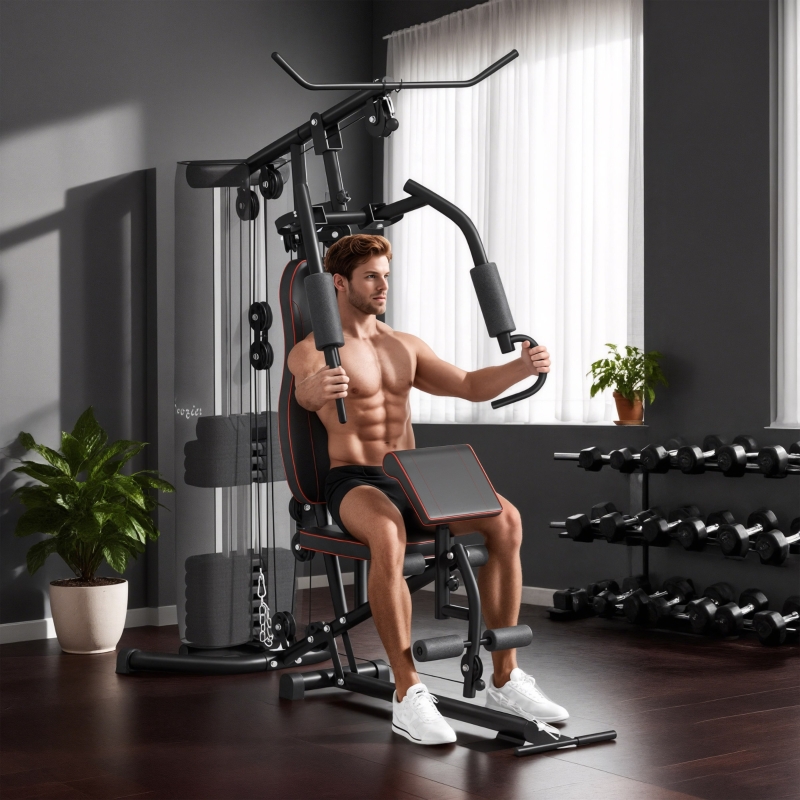
Weight machines provide guided movement. They focus on specific muscles, offering safety and control. Beginners often start with these machines. They help in learning correct form and technique.
Kettlebells
Kettlebells have a unique shape with a handle. They improve strength and endurance. Kettlebell exercises often combine cardio and strength. This tool is great for full-body workouts.
Resistance Bands
Resistance bands are elastic bands with handles. They are portable and cost-effective. These bands offer varying resistance levels. They are perfect for home workouts and rehabilitation.
Functional Training Gear
Functional training gear helps improve strength, balance, and coordination. It mimics real-life movements for better fitness. These tools engage multiple muscle groups at once. They build endurance and boost overall body control.
Medicine Balls
Medicine balls come in various weights and sizes. They help with throwing, catching, and twisting exercises. Use them to improve core strength and power. They add resistance to many functional workouts.
Battle Ropes
Battle ropes offer a full-body workout using waves and slams. They increase heart rate and build muscle endurance. These ropes improve grip strength and arm power. Their dynamic movements engage the core and legs too.
Trx Suspension Trainers
TRX suspension trainers use body weight for resistance. They allow many exercises targeting strength and stability. These trainers improve balance and core control. Adjust the difficulty by changing body angle.
Plyometric Boxes
Plyometric boxes are sturdy platforms for jumping exercises. They build explosive power and agility. Use them for step-ups, jumps, and quick footwork drills. These boxes enhance lower body strength and coordination.
Core Workout Equipment
Core workout equipment helps strengthen your abdominal and back muscles. These tools improve stability, balance, and posture. Using the right equipment targets your core effectively. Each piece challenges your muscles in a unique way.
Ab Rollers
Ab rollers are simple tools with handles and a wheel in the center. They engage your entire core as you roll forward and back. This movement works your abs, obliques, and lower back muscles. Ab rollers also improve coordination and control.
Stability Balls
Stability balls are large, inflatable balls made of soft plastic. They create an unstable surface that forces your core to work harder. Exercises like ball crunches and planks become more challenging. Stability balls also enhance flexibility and balance.
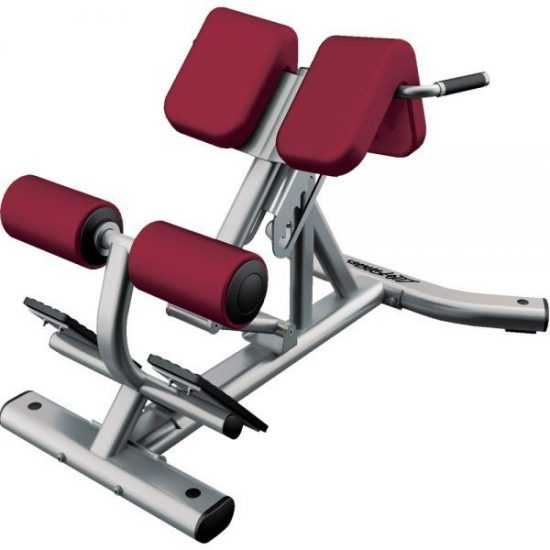
Roman Chairs
Roman chairs support your body while you perform back extensions or leg raises. They target the lower back, glutes, and hip flexors. Using a Roman chair strengthens the muscles that support your spine. This helps reduce the risk of injury.
Sit-up Benches
Sit-up benches allow you to perform sit-ups with added support and resistance. The incline can be adjusted to increase difficulty. These benches focus on the upper and lower abdominal muscles. They help build core strength and endurance.
Safety And Support Accessories
Safety and support accessories protect your body during workouts. They help prevent injuries and improve performance. Using the right gear allows you to train with confidence and comfort.
These accessories provide stability, reduce strain, and support key body parts. They are essential for weightlifting, gripping, and muscle recovery. Including them in your routine ensures safer and more effective exercise sessions.
Weightlifting Belts
Weightlifting belts support your lower back and core. They help keep your spine stable during heavy lifts. Wearing a belt reduces the risk of injury to your back muscles. It also improves your posture when lifting weights.
Belts come in different sizes and thicknesses. Choose one that fits snugly but does not restrict breathing. Use it mainly for heavy squats, deadlifts, and overhead lifts.
Gloves And Grips
Gloves and grips protect your hands from blisters and calluses. They improve your grip on bars and weights. This helps prevent slipping and dropping equipment. Gloves also provide wrist support during lifting.
Look for gloves with padded palms and adjustable straps. Some grips are made of durable materials to enhance friction. Use them during exercises like pull-ups, bench presses, and kettlebell swings.
Foam Rollers
Foam rollers help relieve muscle tightness and soreness. They improve blood flow and speed up recovery after workouts. Rolling muscles increases flexibility and reduces injury risk.
Use foam rollers before and after exercise for best results. Roll slowly over tight areas and focus on sore spots. Foam rollers come in various sizes and densities for different needs.
Spotting Equipment
Spotting equipment ensures safety during heavy lifts. It includes racks, bars, and spotter arms that catch weights if you fail a lift. This gear protects you from accidents and injuries.
Always use spotting equipment for exercises like bench press and squats. Make sure the equipment is properly set up and sturdy. A reliable spotter or safety bars give extra protection.
Credit: www.fitnessexpostores.com
Tips To Choose The Right Equipment
Choosing the right gym equipment can make workouts more effective and enjoyable. The right tools match your needs and keep you motivated. Consider factors like goals, skills, budget, and space. These tips help select equipment that fits your routine and lifestyle.
Assessing Your Fitness Goals
Start by knowing what you want to achieve. Do you want to build strength, improve cardio, or increase flexibility? Different goals need different equipment. For strength, weights or resistance machines work well. Cardio goals benefit from treadmills, bikes, or ellipticals. Clear goals guide your choices and save money.
Considering Your Skill Level
Choose equipment that matches your experience. Beginners need simple machines with easy controls. Advanced users can handle complex tools with more settings. Using equipment that fits your skill prevents injury. It also helps build confidence and progress steadily.
Budget And Space Constraints
Set a budget before buying. Gym equipment varies in price from affordable to expensive. Find options that fit your budget without sacrificing quality. Measure your available space carefully. Large machines need room to use safely. Choose compact or foldable equipment if space is tight.
Maintenance And Durability
Pick equipment that lasts and is easy to maintain. Check product reviews for durability. Avoid items that break easily or need frequent repairs. Look for warranties or customer support options. Clean and maintain machines regularly to extend their life.
Maximizing Workout Efficiency
Maximizing workout efficiency helps you get the best results in less time. Using gym equipment correctly and smartly can boost your fitness progress. Planning your routine with focus on key factors improves strength and endurance quickly.
Combining Cardio And Strength
Mixing cardio and strength exercises creates a balanced workout. Cardio machines like treadmills raise your heart rate and burn calories. Strength equipment like weights builds muscle and tones your body. Switching between these keeps your routine fresh and effective.
Proper Form And Technique
Using gym equipment with correct form prevents injuries. Proper technique targets the right muscles better. Start with lighter weights to learn the right moves. Ask a trainer to check your posture and guide you.
Tracking Progress
Keeping track of your workouts helps you see improvement. Write down weights, reps, and time spent on machines. Use apps or notebooks for easy records. Tracking shows what works and what needs change.
Incorporating Rest And Recovery
Rest is part of efficient workouts. Muscles grow stronger during recovery, not just exercise. Plan rest days and avoid overtraining. Use foam rollers or gentle stretching to ease soreness.
Credit: www.aosom.ca
Frequently Asked Questions
What Are The Essential Gym Equipment For Beginners?
Essential gym equipment for beginners includes treadmills, dumbbells, resistance bands, and stationary bikes. These tools help build basic strength and cardiovascular fitness safely.
How Does Gym Equipment Improve Workout Effectiveness?
Gym equipment targets specific muscle groups and offers varied resistance. This variety boosts workout intensity and helps achieve fitness goals faster.
Are Gym Machines Safer Than Free Weights?
Gym machines guide movement and reduce injury risk, making them safer for beginners. Free weights require proper form and experience to avoid injuries.
How Often Should Gym Equipment Be Cleaned?
Gym equipment should be cleaned after each use. Regular cleaning prevents bacteria buildup and ensures a hygienic workout environment for everyone.
Conclusion
Gym equipment helps you build strength and stay fit. Choose machines that suit your goals and comfort. Always learn how to use each tool safely. Mixing different equipment keeps workouts fresh and fun. Consistent exercise leads to better health and energy.
Visit the gym often and track your progress. Small steps bring big changes over time. Stay patient and enjoy your fitness journey.







