
If you or someone you care about struggles with swallowing, you know how frustrating and scary mealtime can be. That’s where a dysphagia diet comes in—a specially designed way of eating that helps make swallowing safer and easier.
Understanding this diet can protect you from choking, improve your nutrition, and bring back the comfort of enjoying food. Keep reading to discover simple tips and clear guidance that can transform your eating experience and give you peace of mind every time you sit down to eat.

Credit: medium.com
Dysphagia Diet Basics
Understanding the basics of a Dysphagia Diet is essential if you or someone you care about struggles with swallowing difficulties. This diet isn’t just about food texture; it’s about safety, nutrition, and improving quality of life. Let’s break down what dysphagia really means, why it happens, and why managing your diet is crucial.
What Is Dysphagia?
Dysphagia means difficulty swallowing. It can affect any part of the swallowing process, from the mouth to the throat and esophagus. If you’ve ever felt food get stuck or choked while eating, you’ve touched on what dysphagia patients face daily.
This condition can make eating stressful and dangerous. You might cough or choke during meals, or feel like food isn’t going down properly. These signs mean your body needs a different approach to eating.
Common Causes And Symptoms
Many factors can cause dysphagia, including neurological disorders like stroke or Parkinson’s disease. Structural problems such as tumors or strictures can also block normal swallowing. Aging naturally slows down muscle strength, which may contribute as well.
Symptoms to watch for include:
- Frequent coughing or choking during meals
- Feeling like food is stuck in your throat
- Unexplained weight loss or dehydration
- Recurring pneumonia or chest infections
Have you noticed any of these signs in yourself or someone close? Early recognition can prevent serious complications.
Importance Of Dietary Management
Adjusting your diet can make swallowing safer and more comfortable. Foods are often modified in texture—like pureed, minced, or thickened liquids—to reduce choking risk. This doesn’t mean you lose out on nutrition or taste.
Careful dietary planning helps maintain your energy and hydration levels, which are vital for healing and daily function. It also reduces anxiety during meals, turning eating from a challenge into an enjoyable activity.
What changes can you make at your next meal to support safer swallowing? Small adjustments can lead to big improvements in your health and confidence.
Credit: saraleefrozenbakery.com
Food Texture Modifications
Adjusting food textures is a key strategy in managing dysphagia effectively. These modifications help make swallowing safer and more comfortable, reducing the risk of choking or aspiration. Understanding the types of texture changes and how to apply them can empower you to enjoy meals with confidence and ease.
Thickened Liquids Explained
Thin liquids can be challenging to swallow safely if you have dysphagia. Thickened liquids move slower, giving you more control during swallowing. You can find thickened liquids in different consistencies like nectar-thick, honey-thick, or pudding-thick, each designed for specific swallowing needs.
Have you noticed how water quickly slips down, but a thicker drink feels easier to manage? That’s because the thicker texture allows your muscles to coordinate better. Using commercial thickening agents or natural thickeners like mashed bananas or yogurt can make beverages safer without compromising taste.
Soft And Pureed Foods
Soft foods reduce the effort needed to chew and swallow, making mealtime less stressful. Pureed foods take this a step further by blending ingredients into a smooth, uniform consistency. This helps prevent any lumps or chunks that might cause discomfort or coughing.
Think about how mashed potatoes glide down compared to a tough piece of steak. Transitioning to soft or pureed meals doesn’t mean losing flavor. You can still enjoy your favorite dishes by adjusting the preparation method, such as slow cooking vegetables or blending soups until silky smooth.
Avoiding Choking Hazards
Choking risks increase with certain foods that are hard, sticky, or crumbly. Nuts, popcorn, dry bread, and tough meats often pose dangers for those with swallowing difficulties. Identifying and avoiding these foods is crucial to staying safe during meals.
Have you ever choked on a small piece of food unexpectedly? That moment of panic highlights why careful food selection matters. Always cut foods into small, manageable pieces and stay mindful of textures that might catch in your throat.
Nutritional Needs
Meeting the nutritional needs of those with dysphagia requires careful planning and attention. A diet must support overall health while considering swallowing difficulties. Nutrients, textures, and fluid consistency all play key roles. Ensuring proper nutrition helps maintain strength, energy, and healing.
Ensuring Balanced Meals
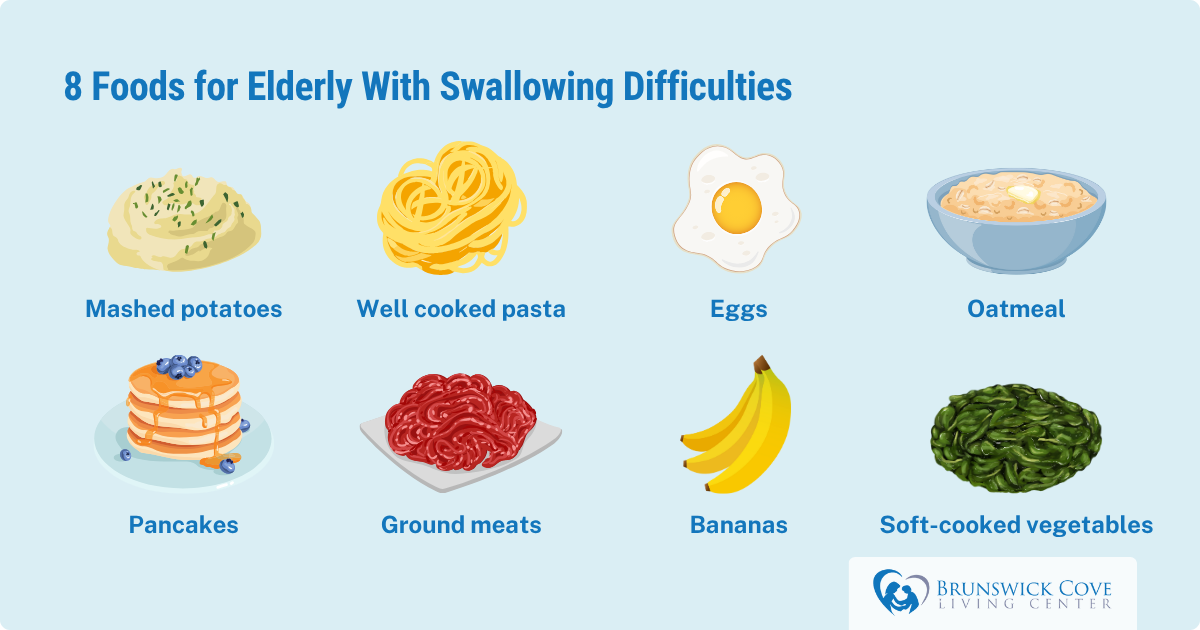
Meals should include a mix of proteins, carbohydrates, and healthy fats. Choose soft, easy-to-swallow foods rich in vitamins and minerals. Examples include mashed potatoes, pureed vegetables, and finely ground meats. Avoid dry or crumbly foods that might cause choking. Small, frequent meals help keep energy levels steady.
Managing Hydration Safely
Proper hydration supports digestion and overall health. Thickened liquids often work better for people with swallowing issues. Water, juices, and broths can be thickened using commercial products or natural thickeners. Monitor fluid intake closely to prevent dehydration. Offer fluids throughout the day in small amounts.
Supplements And Fortified Foods
Supplements can fill nutritional gaps when regular foods are insufficient. Protein powders, vitamin shakes, and fortified foods provide extra nutrients. Choose those easy to swallow and digest. Discuss supplement options with a healthcare provider. Fortified cereals and dairy products can also boost nutrient intake.
Meal Preparation Tips
Preparing meals for a dysphagia diet requires attention to texture, flavor, and timing. These factors can make eating safer and more enjoyable. Let’s look at practical tips that can help you create meals that are both nutritious and easy to swallow.
Cooking Techniques For Texture
Texture is key in a dysphagia diet. You want to avoid foods that are too hard, dry, or crumbly. Using methods like steaming or boiling softens ingredients gently, making them easier to chew and swallow.
Pureeing or mashing foods can also help. Think about blending soups, vegetables, or meats to a smooth consistency. Adding a bit of broth or sauce can improve the texture without thinning it too much.
Have you tried thickening agents like xanthan gum or cornstarch? They can help achieve the right consistency, especially in liquids or sauces. Small adjustments can make a big difference in safety and comfort during meals.
Flavor Enhancements
Flavor often gets overlooked but it’s essential for appetite and enjoyment. Mild seasoning can brighten up pureed foods, which might otherwise taste bland. Herbs like parsley, basil, or thyme add freshness without overpowering.
Using natural juices or low-sodium broth instead of water when cooking can boost flavor. You might experiment with a squeeze of lemon or a dash of mild spice to make meals more inviting.
Have you noticed how aroma influences taste? Warm foods release more aromas, which can stimulate appetite. Serving meals at the right temperature enhances both flavor and safety.
Meal Timing And Portion Control
Smaller, more frequent meals often work better than large portions. Large meals can be overwhelming and increase the risk of choking. Try dividing daily food intake into four to six smaller servings.
Timing also affects digestion and swallowing safety. Eating slowly and sitting upright during and after meals helps reduce discomfort. You might set reminders to take breaks and chew thoroughly.
Do you plan meals around medication schedules or therapy sessions? Aligning mealtimes with energy levels can improve overall intake and reduce frustration. Thoughtful timing supports both nutrition and wellbeing.
Eating Strategies
Eating with dysphagia requires more than just choosing the right foods; it demands careful strategies to make each bite safe and comfortable. Your approach to eating can make a big difference in preventing choking and improving nutrition. Let’s look at some key strategies that help you enjoy your meals with confidence and safety.
Proper Positioning
How you sit while eating can change how well you swallow. Keep your body upright, with your head slightly tilted forward. This position helps your throat muscles work better and reduces the risk of food going down the wrong way.
Sitting in a sturdy chair with feet flat on the floor stabilizes your body. Avoid lying down or slouching during meals, as these positions increase swallowing difficulties. Have you noticed how sitting up straight makes swallowing easier?
Safe Swallowing Techniques
Swallowing safely means paying attention to your pace and how you chew. Take small bites and chew your food thoroughly before swallowing. Pausing between bites lets you clear your throat and prepare for the next mouthful.
Try swallowing twice if you feel food is stuck. You can also experiment with swallowing exercises recommended by a speech therapist. These techniques can strengthen your swallowing muscles and reduce coughing or choking episodes.
Using Adaptive Utensils
Adaptive utensils can make eating less frustrating and more independent. Look for spoons and forks with larger, non-slip handles that are easier to hold. Some utensils have angled heads to help you bring food to your mouth with less effort.
Special cups with lids or straws can control the flow of liquids, preventing spills and choking. Have you tried any adaptive tools that made mealtime smoother? Small changes like these can boost your confidence and enjoyment while eating.
Common Challenges And Solutions
Eating with dysphagia can bring many challenges. These challenges affect appetite, food variety, and social interactions. Finding practical solutions helps improve nutrition and quality of life. Small changes make a big difference.
Dealing With Appetite Changes
Swallowing difficulties often reduce hunger. Eating may become tiring or uncomfortable. Loss of appetite is common. To help, try eating smaller meals more often. Choose favorite foods that are easy to swallow. Adding flavor with herbs and spices can also boost interest in food.
Managing Food Fatigue
Eating similar soft or pureed foods daily causes boredom. This leads to food fatigue. Vary texture and taste as much as possible. Use different cooking methods like baking, steaming, or mashing. Introduce new flavors slowly. Keep meals colorful and appealing. A diverse menu encourages eating and nutrition.
Encouraging Social Meals
Sharing meals is important for emotional health. Dysphagia may cause fear or embarrassment during meals. Create a relaxed atmosphere. Invite family or friends to join. Plan meals that everyone can enjoy easily. Use adaptive utensils if needed. Social support helps maintain good eating habits and morale.
Resources And Support
Finding the right support and resources can make managing a dysphagia diet easier and safer. Many options exist to help individuals and caregivers understand dietary needs. Support comes from professionals, technology, and community connections. Each plays a key role in improving quality of life and meal safety.
Working With Healthcare Professionals
Healthcare professionals guide diet plans and swallowing techniques. Speech-language pathologists assess swallowing ability and recommend food textures. Dietitians create balanced meal plans tailored to swallowing limits. Regular check-ups help adjust diets as needs change. Nurses and caregivers assist with feeding strategies and safety tips.
Useful Tools And Apps
Tools and apps simplify meal planning and tracking. Some apps offer food texture guides and recipe ideas. Others track fluid intake or swallowing exercises. Visual aids help remember diet restrictions. These resources support independence and confidence during meals.
Support Groups And Communities
Support groups provide emotional help and practical advice. Members share experiences, recipes, and coping strategies. Online forums offer easy access to a wide community. Local groups create chances for face-to-face support. Connecting with others reduces feelings of isolation and builds motivation.
Credit: brunswickcove.com
Frequently Asked Questions
What Is A Dysphagia Diet?
A dysphagia diet is designed for individuals with swallowing difficulties. It involves modifying food textures and liquid consistencies. This makes eating and swallowing safer and easier. The diet typically includes pureed or soft foods and thickened liquids. It’s essential for preventing choking and ensuring adequate nutrition.
How Does A Dysphagia Diet Work?
A dysphagia diet modifies food textures to prevent choking. Foods are softened or pureed for easier swallowing. Liquids may be thickened to prevent aspiration. The goal is to make swallowing safer while ensuring nutritional needs are met. Consulting a healthcare professional is crucial for personalized dietary adjustments.
What Foods Are Allowed On A Dysphagia Diet?
A dysphagia diet includes pureed, mashed, or soft foods. Examples are pureed fruits, vegetables, and well-cooked pasta. Scrambled eggs, yogurt, and smooth soups are also suitable. Avoid foods that are tough, crunchy, or sticky. Always tailor the diet based on individual needs and consult a healthcare provider.
Can Dysphagia Diets Prevent Choking?
Yes, dysphagia diets can significantly reduce choking risks. By modifying food textures and liquid consistencies, swallowing becomes safer. These diets ensure that food and liquids move smoothly through the throat. It’s crucial to follow professional guidance for optimal safety and nutrition.
Conclusion
A dysphagia diet helps make eating safer and easier. It changes food texture to reduce choking risks. Many people feel better and gain strength with it. Always follow your doctor or dietitian’s advice closely. Small changes bring big health benefits over time.
Eating should stay enjoyable and comfortable for everyone. Keep learning about your diet and stay patient. Your health matters most in every meal you take.







