
Are you ready to kick-start your fitness journey but feel overwhelmed by the complex workout plans out there? You’re not alone.
Many beginners find it hard to know where to start, especially when it comes to strength training. That’s why a dumbbell workout plan is perfect for you. It’s simple, effective, and adaptable to your own pace. Imagine transforming your body with just a pair of dumbbells and a little motivation.
Intrigued? Keep reading to discover how this beginner-friendly workout can easily fit into your lifestyle, helping you build strength and confidence with each session. Let’s get those muscles moving!
Credit: www.nourishmovelove.com
Benefits Of Dumbbell Workouts
Dumbbell workouts offer unique benefits that can transform your fitness routine, especially if you are just starting out. These benefits go beyond simple muscle building and help improve your overall body function, making your workouts more effective and enjoyable. Understanding these advantages can motivate you to stick with your plan and see real progress.
Improved Muscle Balance
Dumbbells force each side of your body to work independently. This helps fix muscle imbalances that often happen when one side compensates for the other during exercises. Have you noticed one arm feels weaker or less coordinated? Using dumbbells can help even out your strength and coordination.
Balancing your muscles reduces the risk of injury and improves your posture. When both sides are equally strong, your movements become smoother and more controlled.
Increased Range Of Motion
Dumbbells allow for a greater range of motion compared to machines or barbells. This means you can move your joints more freely and work your muscles through their full length. How often do you feel stuck in limited movement patterns during your workouts?
Using dumbbells can help improve joint flexibility and muscle elasticity. This added freedom can lead to better muscle development and reduce stiffness in daily activities.
Convenience And Versatility
Dumbbells are easy to use anywhere – at home, in the gym, or even outdoors. Their compact size makes them ideal for small spaces and quick workouts. You don’t need fancy equipment to get a full-body workout.
- You can target all major muscle groups with just one pair of dumbbells.
- Exercises can be easily adjusted by changing weights or angles.
- Dumbbells fit perfectly into short, effective workout sessions.
Have you tried fitting in a workout during a busy day? Dumbbells make it simple to stay consistent and get results without spending hours exercising.
Credit: www.nourishmovelove.com
Choosing The Right Dumbbells
Choosing the right dumbbells is a key step in building an effective workout routine, especially if you’re just starting out. The dumbbells you select will impact your progress, safety, and motivation. It’s important to find options that match your current strength and future goals.
Types Of Dumbbells
Not all dumbbells are created equal. There are several types you can choose from:
- Fixed-weight dumbbells:These come in set weights, perfect for straightforward workouts. They’re durable and easy to use but require space if you want multiple weights.
- Adjustable dumbbells:These let you change the weight by adding or removing plates. They save space and money but can be less convenient during fast-paced workouts.
- Selectorized dumbbells:A type of adjustable dumbbell with a dial or pin system for quick weight changes. They’re great if you want variety without clutter.
Think about how much space you have and how often you want to change weights during your workout.
Selecting Appropriate Weight
Picking the right weight is crucial for progress and safety. Start with a weight that challenges you but allows you to complete 8-12 repetitions with good form.
If you’re struggling to finish reps or your form breaks down, the weight is too heavy. On the other hand, if it feels too easy, you won’t get the most from your workout.
Have you noticed which exercises feel hardest? That can guide your choice. It’s okay to have different weights for different moves since some muscles are stronger than others.
Budget-friendly Options
Good dumbbells don’t have to break the bank. Here are some ways to save:
- Check out secondhand stores or online marketplaces for pre-owned sets in good condition.
- Consider adjustable dumbbells to cover multiple weights in one purchase.
- Look for sales or bundle deals at local sports or fitness stores.
I once bought adjustable dumbbells on sale and saved over 50%. It gave me the flexibility to increase weights without buying new sets.
What’s your budget? Sometimes a small investment now saves frustration and money later.
Basic Dumbbell Exercises
Dumbbells offer a simple and effective way to build strength. Basic dumbbell exercises target major muscle groups. These moves help improve muscle tone and overall fitness. Beginners can start with light weights and focus on form. Regular practice boosts endurance and muscle control.
Upper Body Moves
- Bicep Curls:Hold dumbbells at your sides. Curl them up toward your shoulders.
- Shoulder Press:Lift dumbbells to shoulder height. Press them straight above your head.
- Tricep Kickbacks:Bend forward slightly. Extend your arms back with dumbbells.
- Lateral Raises:Raise dumbbells out to the sides. Keep arms straight but not locked.
- Chest Press:Lie on a bench or floor. Push dumbbells up over your chest.
Lower Body Moves
- Squats with Dumbbells:Hold dumbbells at your sides. Squat down, then stand up.
- Lunges:Step forward with one leg. Lower your hips until both knees bend.
- Deadlifts:Keep dumbbells in front. Bend at hips and knees to lower weights.
- Calf Raises:Hold dumbbells. Rise up on your toes and slowly lower down.
Core Strengtheners
- Russian Twists:Sit on the floor. Twist your torso side to side holding a dumbbell.
- Dumbbell Side Bends:Stand straight. Bend sideways while holding a dumbbell in one hand.
- Weighted Sit-ups:Hold a dumbbell on your chest. Perform sit-ups slowly.
- Plank Rows:Start in plank position. Row one dumbbell upward, alternating arms.
Creating A Beginner Workout Plan
Creating a beginner workout plan with dumbbells sets the foundation for effective training. It helps you stay focused and track progress. A well-structured plan prevents injury and builds confidence. Starting simple and clear ensures long-term success.
Setting Realistic Goals
Set clear goals that match your current fitness level. Choose achievable targets like increasing strength or improving endurance. Avoid aiming for too much too soon. Small, steady progress leads to lasting results. Write down your goals and review them often.
Balancing Workout Frequency
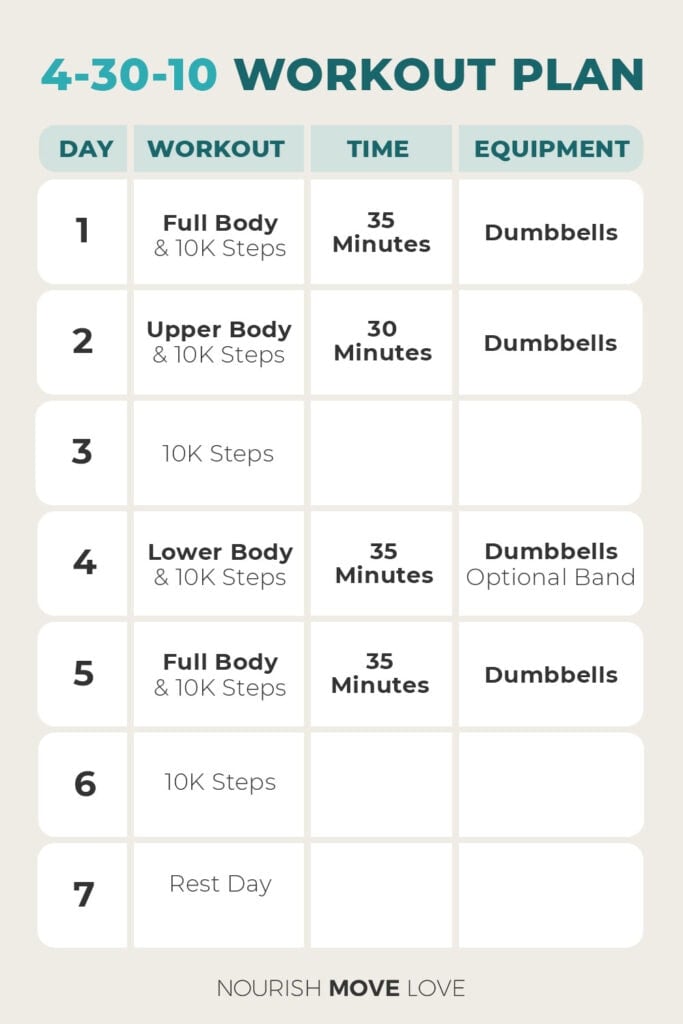
Plan workouts with enough frequency to build habit. Aim for three to four sessions per week. Mix different exercises to work all muscle groups. Avoid exercising the same muscles every day. Balanced frequency helps muscles grow and reduces burnout.
Rest And Recovery
Rest days are crucial for muscle repair and growth. Schedule at least one or two rest days weekly. Use rest days for light activities like walking or stretching. Good sleep also supports recovery. Listen to your body to avoid overtraining and injury.
Proper Form And Safety Tips
Maintaining proper form and following safety tips are key for an effective dumbbell workout. Correct posture prevents injuries and helps target muscles better. Safety ensures steady progress and keeps you motivated.
Common Mistakes To Avoid
- Using too heavy weights can cause poor form and strain.
- Arching your back during lifts puts pressure on the spine.
- Not controlling the dumbbells leads to jerky movements and injuries.
- Holding your breath reduces oxygen flow and can cause dizziness.
- Skipping warm-ups makes muscles prone to strains and tears.
Warming Up And Cooling Down
Start with 5 to 10 minutes of light cardio to warm your muscles. Stretch gently to increase blood flow and improve flexibility. After your workout, cool down with slow movements and stretches.
This helps reduce muscle soreness and speeds up recovery. Cooling down also lowers your heart rate safely.
Listening To Your Body
Pay attention to pain or unusual discomfort during exercises. Stop immediately if you feel sharp or persistent pain. Rest when your muscles feel tired or weak.
Progress gradually by increasing weight and reps at your own pace. This prevents burnout and keeps workouts safe and effective.

Credit: www.amazon.ca
Tracking Progress And Staying Motivated
Tracking your progress and staying motivated are key to making your dumbbell workout plan effective and enjoyable. When you see how far you’ve come, it fuels your commitment and pushes you to keep going. Without a clear record, it’s easy to lose sight of your achievements and stall your growth.
Recording Workouts
Write down each workout session, including the exercises, weights used, sets, and reps. This simple habit helps you remember what worked and where to improve. You can use a notebook, a workout app, or even a spreadsheet—whatever fits your style.
Tracking workouts also reveals patterns. Maybe you notice you perform better on certain days or with specific exercises. Have you ever felt stuck but found a breakthrough just by checking your past notes?
Adjusting Weight And Reps
As you gain strength, it’s important to increase your weights or reps gradually. If you’re lifting the same dumbbells with ease, it’s time to challenge your muscles more. Add 1-2 pounds or increase reps by 2-3 each week to keep progressing.
Listen to your body but don’t shy away from pushing a little. If you can complete all reps without effort, the weight is too light. How do you decide when it’s time to step up your workout intensity?
Celebrating Milestones
Recognizing small wins keeps your motivation high. Did you just lift heavier dumbbells or finish your first full workout routine? Take a moment to celebrate these achievements.
Celebrate by treating yourself to something enjoyable, like a rest day or your favorite healthy snack. Sharing your milestones with friends or workout partners can also boost your morale. What milestone will you celebrate next?
Frequently Asked Questions
What Is The Best Dumbbell Workout For Beginners?
Start with basic exercises like bicep curls, shoulder presses, and goblet squats. Use light weights to focus on form and gradually increase resistance to build strength safely.
How Often Should Beginners Do Dumbbell Workouts?
Begin with 2-3 sessions per week, allowing rest days in between. This schedule helps muscles recover and prevents injury while promoting steady progress.
How Long Should A Beginner Dumbbell Workout Last?
A beginner dumbbell workout should last about 20-30 minutes. This duration balances effective training with avoiding fatigue, making it easier to stay consistent.
Can Dumbbell Workouts Help With Weight Loss?
Yes, dumbbell workouts increase muscle mass and boost metabolism. Combined with cardio and a healthy diet, they effectively support weight loss goals.
Conclusion
Starting a dumbbell workout plan helps build strength safely and effectively. Stick to the routine and increase weights slowly. Rest days are important for muscle recovery and growth. Track your progress to stay motivated and see results. Consistency beats intensity for long-term success.
Enjoy the process and celebrate small wins. Your body will thank you for the effort. Keep moving forward, one step at a time.







