
Are you tired of complicated workout routines that require a gym full of equipment? Imagine being able to achieve your fitness goals with just a pair of dumbbells.
Sounds simple, right? That’s because it is! In this blog post, we’re diving into the world of dumbbell-only workouts. This plan is designed for anyone who wants to stay fit without the hassle of a crowded gym or expensive equipment.
Whether you’re a fitness newbie or a seasoned gym-goer, this workout plan is tailored for you. Get ready to discover how you can transform your body with just a couple of weights and a bit of determination. Stick around, because we’re about to reveal how to maximize your results with minimal gear.

Credit: www.ebay.com
Benefits Of Dumbbell Workouts
Dumbbell workouts offer many benefits that suit all fitness levels. They provide a simple yet effective way to build strength and tone muscles. Using dumbbells helps target specific muscle groups and improves overall fitness. Their unique features make dumbbell workouts a popular choice for home and gym exercises.
Versatility And Accessibility
Dumbbells allow a wide range of exercises targeting different muscles. They can be used for strength training, cardio, and flexibility workouts. Their compact size makes them easy to store and carry. You can exercise anywhere, whether at home, park, or gym. Dumbbells fit all fitness levels, from beginners to advanced.
Improved Muscle Balance
Dumbbell exercises promote balanced muscle development on both sides. Each arm works independently, reducing muscle imbalances. This helps correct strength differences that barbell or machine workouts might miss. Balanced muscles lower injury risk and improve posture. Dumbbells encourage proper form and controlled movements.
Enhanced Coordination
Using dumbbells requires more control and stability than machines. This boosts coordination between muscles and improves motor skills. Exercises engage core muscles to maintain balance. Enhanced coordination supports better performance in sports and daily activities. Dumbbell workouts challenge the body to move naturally and efficiently.
Essential Dumbbell Exercises
Dumbbells are incredibly versatile tools that can target every major muscle group efficiently. Whether you’re new to strength training or looking to spice up your routine, mastering a set of essential dumbbell exercises can make a big difference. These moves not only build strength but also improve coordination and balance.
Upper Body Moves
Building upper body strength is simple with dumbbells. Focus on exercises like:
- Dumbbell Bench Press:Great for chest and triceps. You can do it on a bench or the floor if you don’t have one.
- Bent-Over Rows:Targets your back muscles and helps improve posture.
- Shoulder Press:Strengthens your shoulders and arms, essential for daily activities.
- Bicep Curls:Perfect for arm definition and functional strength.
How many reps feel challenging but doable for you? Adjust the weight accordingly to keep progressing.
Lower Body Moves
Don’t overlook your legs—they carry you through every day. Dumbbells add resistance to:
- Goblet Squats:Hold a dumbbell close to your chest to improve quad and glute strength.
- Romanian Deadlifts:Focus on hamstrings and glutes while protecting your lower back.
- Lunges:Step forward or backward holding dumbbells for added challenge.
Have you noticed how weighted squats make everyday movements like climbing stairs easier? That’s functional strength working.
Core Strengtheners
Your core stabilizes your entire body, and dumbbells can ramp up your core workouts. Try these:
- Dumbbell Russian Twists:Sit on the floor, lean back slightly, and twist side to side holding a dumbbell.
- Weighted Sit-Ups:Hold a dumbbell on your chest as you perform sit-ups for more resistance.
- Dumbbell Side Bends:Stand tall and bend sideways while holding a dumbbell to target obliques.
What core move challenges your balance and strength the most? Use dumbbells to push your limits safely.
Crafting Your Workout Plan
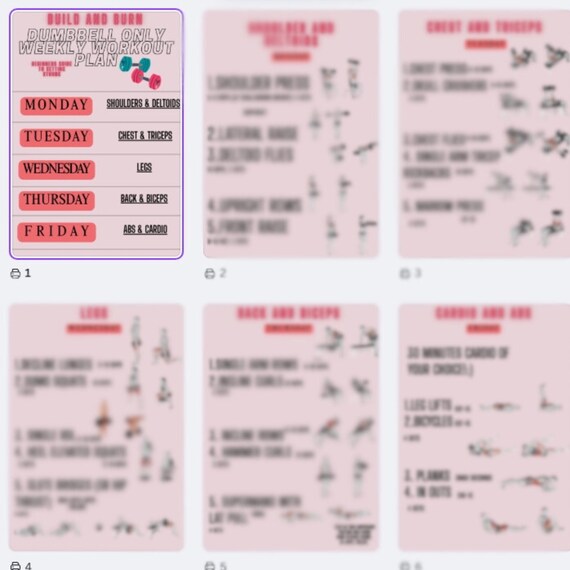
Crafting a dumbbell only workout plan means tailoring your routine to fit your unique fitness needs and lifestyle. It’s about making smart choices that push you towards your goals without overwhelming you. Let’s break down how to build a plan that works for you.
Setting Goals
What do you want from your workout? Are you aiming to build muscle, lose fat, or improve endurance? Clear goals guide every decision you make.
Write down your goals and revisit them often. This keeps your motivation high and helps you track progress. Small wins, like lifting heavier or doing more reps, prove you’re moving forward.
Choosing The Right Weights
Picking the correct dumbbell weight can make or break your workout. Choose weights that challenge you but allow you to complete your sets with good form.
Start lighter if you’re new, then increase gradually. If you struggle to finish reps, it’s time to scale back. Remember, quality beats quantity every time.
Determining Sets And Reps
Your sets and reps depend on your goals. Want strength? Aim for heavier weights with fewer reps (around 4-6). Looking for muscle tone? Moderate weights with 8-12 reps work well.
Don’t forget to rest between sets. Typically, 30 seconds to 2 minutes works, depending on intensity. Track your sets and reps to spot patterns and push yourself responsibly.
Credit: www.etsy.com
Full Body Dumbbell Routine
A full body dumbbell routine targets all major muscle groups using just one tool. It helps build strength, improve balance, and increase endurance. Dumbbells allow for a wide range of motion and easy adjustments to weight. This makes the workout adaptable for beginners and advanced users alike.
Consistency in this routine leads to noticeable fitness gains. It saves time by working multiple muscles in one session. A well-structured plan includes warm-up, workout, and cool-down phases to prevent injuries and aid recovery.
Warm-up Techniques
- Start with 5 minutes of light cardio like jogging or jumping jacks.
- Perform dynamic stretches such as arm circles and leg swings.
- Use light dumbbells to do slow, controlled movements like shoulder presses.
- Focus on mobility exercises for the shoulders, hips, and ankles.
Sample Workout Plan
| Exercise | Muscle Group | Sets | Reps |
|---|---|---|---|
| Dumbbell Squats | Legs, Glutes | 3 | 12 |
| Dumbbell Bench Press | Chest, Triceps | 3 | 10 |
| Dumbbell Rows | Back, Biceps | 3 | 12 |
| Dumbbell Shoulder Press | Shoulders | 3 | 10 |
| Dumbbell Deadlifts | Hamstrings, Lower Back | 3 | 12 |
| Dumbbell Bicep Curls | Biceps | 3 | 15 |
| Dumbbell Tricep Kickbacks | Triceps | 3 | 15 |
Cool-down Stretches
- Hold a chest stretch by clasping hands behind your back.
- Perform seated hamstring stretches for 20 seconds per leg.
- Stretch shoulders by pulling one arm across your chest.
- Do gentle neck rolls to release tension.
- Finish with deep breathing to lower your heart rate.
Tips For Progress And Safety
Progress and safety are key to any dumbbell workout plan. Good habits help you improve steadily and avoid pain or injury. Focus on simple steps to keep your body strong and protected. Smart practice makes each session more effective and enjoyable.
Maintaining Proper Form
Correct form stops injuries and boosts results. Always control your movements. Avoid swinging or jerking the dumbbells. Keep your back straight and core tight. Use a mirror or record yourself to check your posture. Start with lighter weights to learn the right technique. Proper form helps target muscles better and prevents strain.
Preventing Injuries
Warm up before lifting. Stretch your muscles gently. Wear shoes with good support. Use weights that match your strength. Stop if you feel sharp pain. Rest between sets and workout days. Hydrate well to keep muscles healthy. Cool down after each session with light stretches. Avoid overtraining to let your body recover fully.
Tracking Progress
Keep a workout journal or app. Note weights, sets, and reps each session. Track changes in strength and endurance. Set small, clear goals for each week. Celebrate improvements, no matter how small. Adjust your plan if progress stalls. Tracking helps stay motivated and focused on growth.
Adapting Workouts For Different Levels
Adjusting your dumbbell workout to fit your fitness level can make all the difference in how effective and enjoyable your sessions are. Whether you’re just starting out, have some experience, or are pushing your limits, there are ways to tailor exercises to meet your needs. This approach keeps you motivated, reduces the risk of injury, and helps you see progress faster.
Beginner Modifications
If you’re new to dumbbell workouts, start with lighter weights and focus on mastering form. Choose exercises that target major muscle groups but keep movements simple, like dumbbell squats, chest presses, and bent-over rows.
Limit sets to 2-3 and reps between 10-12 to build endurance without overloading your muscles. Don’t rush; take breaks to catch your breath and reset your posture. Ask yourself: Are you feeling controlled and balanced during each move?
Intermediate Challenges
Once you’ve built a foundation, increase weight gradually to challenge your muscles more. Add more sets or reps, and start mixing in compound movements like dumbbell thrusters or renegade rows for a full-body burn.
Try shortening rest periods to keep your heart rate up and build stamina. You can also experiment with tempo—slow down the lowering phase to increase time under tension. Are you noticing your muscles working harder and fatigue setting in faster?
Advanced Variations
For seasoned lifters, it’s time to push limits with heavier dumbbells and complex movements. Use single-arm exercises to improve balance and stability, or combine strength with cardio by performing dumbbell complexes back-to-back without rest.
Incorporate explosive moves like dumbbell jump squats or clean and presses to boost power and coordination. Track your progress closely to avoid overtraining and keep workouts intense but safe. How can you challenge yourself today without sacrificing form?
Combining Dumbbells With Other Training
Combining dumbbell workouts with other training types improves overall fitness. It balances strength, endurance, and flexibility. This mix keeps workouts interesting and effective. Using dumbbells alongside cardio, bodyweight moves, and flexibility work creates a well-rounded plan.
Cardio Integration
Adding cardio to dumbbell workouts boosts heart health. It increases calorie burn and endurance. Simple options include jogging, cycling, or jumping rope. You can also do circuits with dumbbells and cardio moves. For example:
- 10 dumbbell squats
- 30 seconds jumping jacks
- 10 dumbbell presses
- 30 seconds high knees
This approach keeps your heart rate up and builds muscle strength.
Bodyweight Exercises
Bodyweight exercises complement dumbbell training well. They improve balance, coordination, and core strength. Try push-ups, planks, or lunges between dumbbell sets. These moves work muscles in different ways. They also help prevent injury and improve form.
Flexibility And Mobility
Flexibility and mobility work helps muscles recover and stay healthy. Stretching after dumbbell workouts reduces soreness and stiffness. Yoga or simple stretches improve range of motion. Focus on major muscle groups used during lifting. This keeps joints strong and movement smooth.

Credit: www.aaauctions.com
Frequently Asked Questions
What Are The Benefits Of A Dumbbell Only Workout Plan?
A dumbbell only workout plan builds strength, improves muscle tone, and enhances flexibility. It’s versatile and fits all fitness levels. You can target multiple muscle groups effectively with just one tool. It also saves space and is cost-efficient compared to full gym equipment.
How Often Should I Do A Dumbbell Workout?
For optimal results, perform dumbbell workouts 3 to 4 times per week. This frequency allows muscle recovery and growth. Beginners should start with 2 to 3 sessions to avoid injury. Adjust based on your fitness goals and intensity levels for best outcomes.
Can Dumbbell Workouts Replace Gym Machines?
Yes, dumbbell workouts can effectively replace many gym machines. They engage stabilizing muscles and offer a full range of motion. Dumbbells provide functional strength training and help correct muscle imbalances. They are ideal for home workouts and improving overall fitness.
What Muscle Groups Can Dumbbells Target?
Dumbbells target all major muscle groups including arms, chest, back, shoulders, legs, and core. Exercises like curls, presses, rows, and squats engage these muscles. This makes dumbbells a complete tool for full-body strength training and muscle development.
Conclusion
Dumbbell workouts fit well into any fitness routine. They help build strength and improve muscle tone. You can do them at home or the gym. No need for complex equipment or large spaces. Regular practice brings steady progress and better health.
Keep your form correct to avoid injury. Change weights or reps to stay challenged. This simple plan works for beginners and advanced users. Stay consistent and enjoy the benefits of dumbbell training. Your body will thank you for it.







