
Ever wondered if that fun, bouncy workout on a mini-trampoline could actually help you build muscle? You’re not alone.
Many fitness enthusiasts and beginners alike are curious about the benefits of rebounding beyond just breaking a sweat. Imagine a workout that not only lifts your mood but also tones your muscles. Sounds exciting, right? We’ll dive into the world of rebounding and explore whether it can be your secret weapon for muscle building.
Stick around, because what you discover might just change the way you think about fitness and exercise forever.
What Is Rebounding
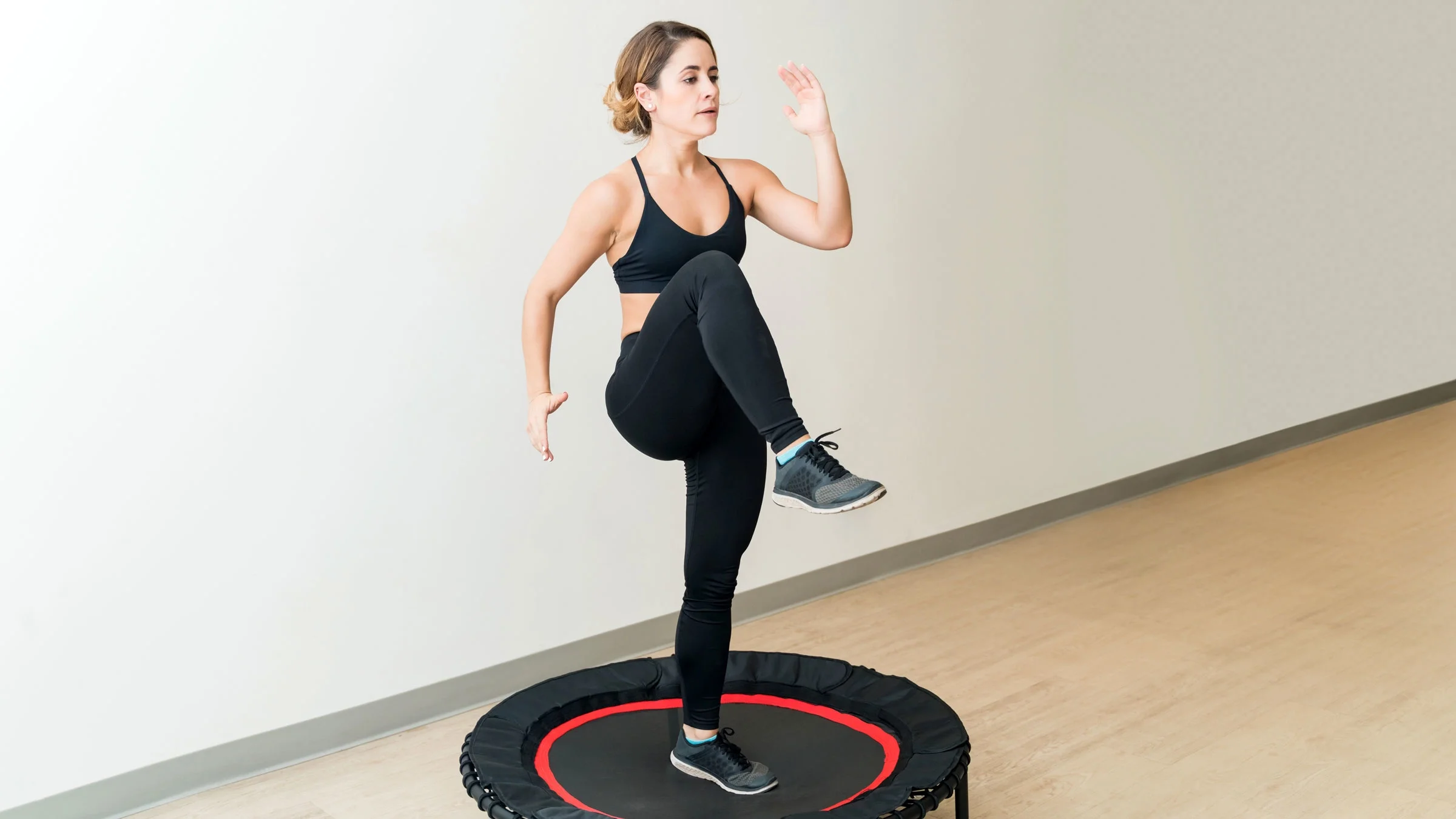
Rebounding is a simple yet effective form of exercise that involves bouncing on a mini trampoline. It looks fun and easy, but it can actually provide a strong workout for your body. Many people wonder if rebounding can help build muscle, but first, it’s important to understand what rebounding really is.
Basic Movements
The core of rebounding lies in gentle bouncing movements. You don’t have to jump high or do complicated tricks to get the benefits. Basic moves include:
- Light bouncing in place, keeping your feet close to the trampoline surface
- Jogging or running gently on the trampoline
- Jumping with both feet together
- Side-to-side steps or twists to engage different muscles
These simple actions help improve your balance, coordination, and muscle tone without putting too much strain on your joints. Have you ever noticed how even small jumps can make your legs feel worked after a few minutes?
Equipment Needed
The main piece of equipment for rebounding is a mini trampoline, often called a rebounder. It’s smaller than a regular trampoline, usually about 3 to 4 feet in diameter, making it easy to use indoors.
When choosing a rebounder, look for sturdy springs or elastic bands that provide good bounce without being too harsh. Some models come with a handlebar for extra support, which can help if you’re new to rebounding or want more stability.
Besides the trampoline, you only need comfortable shoes or can even rebound barefoot for better grip. A soft mat underneath can protect your floor and reduce noise if you live in an apartment. Do you have space at home where you could try this out?
Credit: www.goodrx.com
Muscle Groups Targeted
Rebounding is more than just a fun way to bounce around. It actively works several muscle groups, helping you build strength and endurance. Understanding which muscles get targeted can help you tailor your rebounding routine to meet your fitness goals.
Leg Muscles
Your legs do most of the work when you’re rebounding. The constant jumping and landing engage your calves, quadriceps, hamstrings, and glutes.
Each bounce challenges these muscles to stabilize your body and absorb impact. Over time, this can lead to improved muscle tone and strength without the harsh stress of running on hard surfaces.
Have you noticed how your legs feel firmer after just a few sessions? That’s your muscles responding to consistent, low-impact resistance.
Core Activation
Your core plays a crucial role in maintaining balance on the trampoline. Every jump forces your abdominal and lower back muscles to work hard to keep you upright.
This natural core engagement strengthens your midsection, which supports better posture and reduces injury risk. Unlike isolated core exercises, rebounding activates these muscles dynamically, making your workout more efficient.
Try paying attention to your core muscles the next time you bounce—can you feel the difference?
Upper Body Engagement
While rebounding mostly focuses on your lower body and core, your upper body also gets involved. Swinging your arms or holding light weights while bouncing adds resistance and engages your shoulders, biceps, and triceps.
This added movement helps tone your upper body muscles without requiring extra gym equipment. Even simple arm movements can increase calorie burn and improve muscle definition.
Consider adding arm exercises during your rebound session. How much more challenging does your workout feel when your whole body works together?
Muscle Building Potential
Muscle building potential is a key question if you’re considering rebounding as part of your fitness routine. You might wonder if bouncing on a trampoline can actually help you gain muscle or if it’s just a fun cardio activity. Understanding how rebounding impacts your muscles can help you decide how to use it effectively in your workout plan.
Resistance And Impact
Rebounding offers a unique form of resistance through gravity and your body weight. Each bounce forces your muscles, especially in your legs and core, to contract and stabilize your body. This low-impact resistance can improve muscle tone but usually isn’t enough to create significant muscle growth on its own.
Think about the difference between lifting a heavy dumbbell and bouncing on a trampoline. The resistance in rebounding is lighter but continuous. It challenges your muscles in a different way, focusing more on endurance and coordination.
Muscle Endurance Vs. Growth
Rebounding primarily builds muscle endurance rather than muscle size. If your goal is to increase stamina and improve the muscles’ ability to work longer, rebounding can be very effective. It trains your muscles to resist fatigue, which is great for overall fitness and injury prevention.
However, if you want noticeable muscle growth, you’ll need to combine rebounding with strength training exercises that add more load. This could mean adding weights or doing bodyweight exercises after your rebound session. You can use rebounding as a warm-up or a recovery tool to keep your muscles active without overloading them.
Comparing To Traditional Workouts
Traditional workouts like weightlifting or resistance training create muscle growth by applying heavy loads that cause micro-tears in muscle fibers. These tears repair and grow back stronger. Rebounding doesn’t generate the same level of muscle stress, so it won’t replace traditional muscle-building exercises.
But rebounding does provide a unique cardiovascular and muscular benefit that complements other workouts. It’s a fun way to increase your daily activity and improve your muscle endurance. Have you tried combining rebounding with your regular strength training? You might find it boosts your recovery and keeps your muscles engaged in a new way.
Credit: www.fitandwell.com
Additional Health Benefits
Rebounding offers more than just muscle building. It provides several health benefits that can improve your overall well-being. These advantages often surprise people who try rebounding regularly.
Cardiovascular Improvement
Jumping on a rebounder gets your heart pumping without the harsh impact of running. This gentle cardio workout helps strengthen your heart and lungs.
Over time, you may notice better stamina during daily activities. Have you ever felt your breathing become easier after a few weeks of rebounding?
Lymphatic System Boost
Your lymphatic system needs movement to flush out toxins. Rebounding stimulates lymph flow by creating a natural pumping action.
This can lead to improved immune function and reduced swelling. Think about how often you feel sluggish—could better lymph flow change that?
Balance And Coordination
Keeping your balance on a rebounder challenges your body’s coordination skills. This can improve your reflexes and body awareness.
Better balance reduces the risk of falls and injuries, especially as you age. What everyday tasks might become easier if your balance was sharper?
Tips For Effective Rebounding
Rebounding offers a fun way to improve fitness and muscle tone. To get the best results, focus on a few key tips. These will help make your rebounding sessions more effective and safe. Small changes can lead to better muscle engagement and overall health.
Proper Form
Stand with feet shoulder-width apart on the trampoline. Keep your knees slightly bent to absorb impact. Engage your core muscles to maintain balance. Avoid locking your joints or bouncing too hard. Use controlled movements rather than rapid, jerky motions. This reduces injury risk and helps muscle activation.
Progressive Intensity
Start with short sessions at a low bounce height. Gradually increase the time and intensity as strength grows. Try gentle bouncing, then move to higher jumps or faster rhythms. Add variety by including twists or jog-in-place moves. This challenges muscles more and improves endurance over time.
Combining With Strength Training
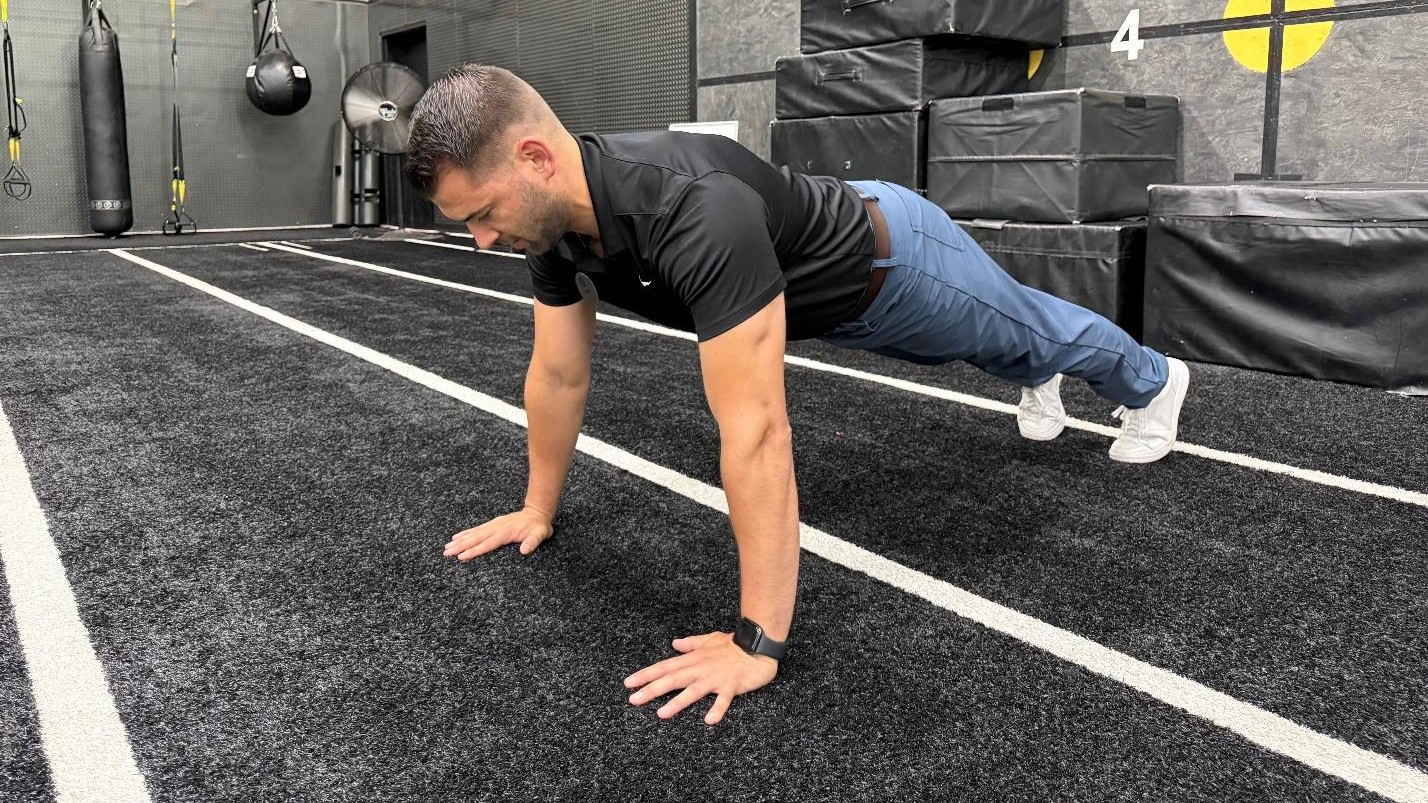
Pair rebounding with exercises like squats, lunges, or push-ups. This combination builds muscle more effectively than rebounding alone. Use weights or resistance bands for added muscle stress. Alternate rebounding days with strength training for balanced fitness. This approach supports muscle growth and overall body tone.
Common Myths About Rebounding
Rebounding is often surrounded by many myths that confuse people. These myths can stop you from trying this fun exercise. Understanding the truth helps to see what rebounding really does for your body. Let’s clear up some common myths about rebounding.
Rebounding And Weight Loss
Many believe rebounding alone melts fat fast. While it does burn calories, it is not a magic weight loss tool. Weight loss needs a mix of good diet and exercise. Rebounding can boost metabolism and support fat burning. It is a helpful part of a balanced fitness plan.
Safety Concerns
Some think rebounding causes joint pain or injuries. Actually, it is gentle on the joints because of the trampoline’s surface. It absorbs shock and reduces impact. Still, using the right size and staying balanced is important. Beginners should start slow and use safety handles if available.
Suitability For All Ages
People often doubt if rebounding fits every age group. It suits kids, adults, and older adults. Low-impact movement helps with balance and muscle strength. Older adults can improve coordination safely. Kids enjoy it as a fun way to stay active. Everyone can adjust intensity to their needs.

Credit: lifeprofitness.com
Frequently Asked Questions
Does Rebounding Help Increase Muscle Strength?
Rebounding improves muscle strength by engaging leg, core, and back muscles. It offers low-impact resistance, promoting muscle tone and endurance effectively.
Can Rebounding Alone Build Significant Muscle Mass?
Rebounding alone is unlikely to build significant muscle mass. It primarily tones muscles and improves cardiovascular fitness rather than causing major muscle growth.
Which Muscles Does Rebounding Target Most Effectively?
Rebounding mainly targets leg muscles, including calves, quads, and hamstrings. It also strengthens the core and lower back through balance and stability work.
How Often Should I Rebound To Build Muscle?
For muscle toning, rebound 3-4 times weekly, 15-30 minutes per session. Consistency is key to gradually improve muscle strength and endurance.
Conclusion
Rebounding can help build muscle, but it works best with other exercises. It strengthens small muscles and improves balance. For bigger muscles, add weight training or resistance workouts. Rebounding also boosts heart health and burns calories. It’s a fun way to stay active every day.
Keep your routine steady for the best results. Small steps lead to stronger muscles and better fitness. Try rebounding as part of your healthy lifestyle.







