
Have you ever wondered if the time of day you choose to workout can impact your results? Maybe you’ve heard that early birds get the best workouts, or perhaps you’re a night owl who swears by evening exercise sessions.
The truth is, the timing of your workouts might matter more than you think. Your body’s natural rhythms and energy levels can play a crucial role in how effective your workouts are. By understanding the science behind the perfect workout timing, you can optimize your fitness routine for better results.
Curious to find out when you should be lacing up your sneakers? Keep reading, and discover how timing can become your secret weapon in achieving your fitness goals.
Benefits Of Morning Workouts
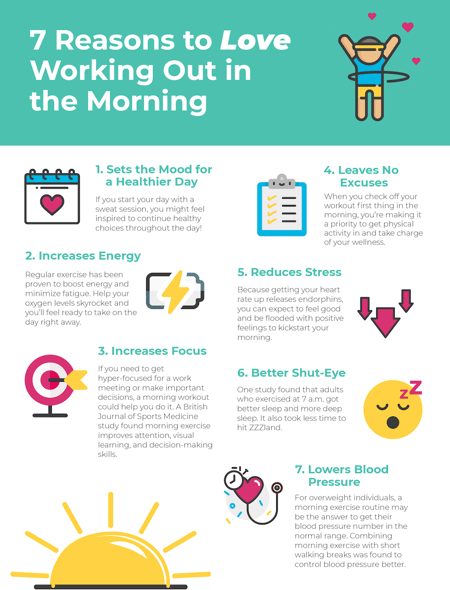
Choosing to work out in the morning can have a powerful impact on your day and your overall fitness journey. Starting your day with exercise sets a positive tone and can influence how your body and mind perform throughout the hours ahead. Let’s look at some key benefits that morning workouts can offer.
Boosted Metabolism
Exercising early jumpstarts your metabolism, helping your body burn more calories throughout the day. This effect, known as excess post-exercise oxygen consumption (EPOC), means you continue to burn calories even after your workout ends.
Imagine getting a head start on fat burning before breakfast—it’s like giving your metabolism a morning coffee. Have you noticed how you feel more energized after a morning session compared to skipping it?
Enhanced Mood And Energy
Morning exercise stimulates the release of mood-enhancing chemicals like endorphins and serotonin. This natural boost can reduce stress and improve your focus for hours afterward.
Personally, I find that a quick morning workout lifts my mood and sharpens my energy better than caffeine does. Could this be the secret to staying positive during a busy day?
Consistency And Habit Formation
Working out in the morning helps build a routine by eliminating common distractions and schedule conflicts later in the day. When you make exercise the first thing you do, it becomes a fixed part of your lifestyle.
This consistency makes it easier to stick with your fitness goals. What small changes can you make to wake up a bit earlier and create your own morning workout habit?
Advantages Of Afternoon Workouts
Choosing the right time to workout can impact how you feel and perform during exercise. Afternoon workouts come with unique advantages that might just fit your lifestyle better. They can boost your physical capabilities and make your routine more enjoyable.
Improved Performance
Your body tends to perform better in the afternoon compared to the morning. Reaction times are faster, and your coordination is sharper after your body has been active for a few hours. You might notice that complex movements feel easier and you can push yourself harder during workouts.
Increased Strength And Endurance
Strength levels often peak in the afternoon, making it an ideal time for lifting weights or doing high-intensity workouts. Your muscles are warmer and more flexible, which helps reduce the risk of injury. I’ve personally found that I can lift heavier and last longer in my afternoon sessions than in early morning workouts.
Better Body Temperature And Flexibility
Body temperature naturally rises throughout the day, reaching its highest point in the afternoon. This increase improves muscle elasticity and joint mobility. You’ll likely experience less stiffness and greater ease in stretching and movement, helping you perform exercises with better form.
Evening Workouts And Their Impact
Evening workouts can have a unique impact on your body and mind. Depending on your lifestyle, exercising after work might be the perfect way to end your day. Understanding how evening exercise affects you can help you decide if it fits your routine.
Stress Relief After A Long Day
Working out in the evening often helps you shake off the stress built up during the day. Physical activity releases endorphins, which can boost your mood and clear your mind. Have you noticed how a quick run or yoga session after work can make you feel lighter and more relaxed?
Evening exercise can serve as a natural reset button. It helps transition from work mode to personal time, reducing anxiety and tension. This can be especially useful if your job involves long hours or high pressure.
Potential Sleep Disruptions
One downside to evening workouts is the potential impact on your sleep. Intense exercise raises your heart rate and body temperature, which might make it harder to fall asleep quickly. If you’re sensitive to this, you might find yourself tossing and turning after late workouts.
However, not everyone experiences sleep problems from evening exercise. Some people find it actually helps them sleep better. It’s important to listen to your body and adjust workout intensity or timing if you notice sleep issues.
Ideal For Social And Group Activities
Evening workouts often offer the best opportunity for social or group exercise. Classes, team sports, and group runs usually happen after typical work hours, making it easier to connect with others. Have you tried joining a local fitness class or sports league in the evening?
Working out with others can keep you motivated and accountable. It’s also a great way to meet new people who share your fitness interests. Evening sessions can turn exercise into a fun social event rather than a chore.

Credit: medium.com
How Circadian Rhythms Affect Exercise
Understanding how your body’s natural rhythms influence exercise can change the way you approach your workouts. Circadian rhythms, the internal 24-hour cycles that regulate many physiological processes, play a key role in determining your energy, strength, and overall performance throughout the day. Paying attention to these rhythms can help you pick workout times that feel right and yield better results.
Body Clock And Energy Levels
Your body clock controls when you feel awake and when you feel tired. Most people experience a natural dip in energy early in the morning and again in the mid-afternoon. This means that if you push yourself to exercise during these low-energy periods, your performance might suffer.
On the other hand, many find their energy peaks in late morning or early evening. I noticed my own strength and endurance improved when I shifted my workouts to late afternoon, matching my body’s natural alertness. Have you ever felt more powerful at a certain time of day without trying?
Hormonal Fluctuations Throughout The Day
Hormones like cortisol and testosterone fluctuate throughout the day, impacting your workout efficiency. Cortisol, which helps regulate metabolism and inflammation, is highest in the morning and decreases as the day goes on.
Testosterone, important for muscle growth and recovery, tends to peak in the early morning but stays relatively stable during the afternoon. This suggests that morning workouts might support muscle building, while afternoon sessions could be better for endurance and coordination. Are you tracking how your body feels hormonally at different times?
Personalizing Workout Times
Not everyone’s circadian rhythm is the same. Some people are naturally morning types, while others hit their stride later in the day. Listening to your body’s signals is crucial.
Try experimenting with workout times for a week or two and note when you feel strongest, most focused, and least tired. This simple test can help you find your optimal workout window. What if adjusting your workout time made every session feel easier and more effective?
Matching Workout Times To Fitness Goals
Choosing the right time to work out can affect how well you reach your fitness goals. Different goals benefit from different workout times. Your energy levels and body readiness vary through the day. Matching workout times to your goals helps improve results and keeps you motivated.
Weight Loss Strategies
Morning workouts often support weight loss better. Exercising on an empty stomach may help burn more fat. Early workouts boost metabolism for the whole day. Consistent morning exercise builds a healthy routine. This habit encourages better food choices and energy use.
Muscle Gain And Strength Building
Late afternoon or early evening workouts suit muscle growth. Your body temperature peaks then, helping muscle performance. Strength and power are usually higher later in the day. This timing reduces injury risk during heavy lifting. Muscles recover better with proper post-workout nutrition at these times.
Endurance And Cardiovascular Health
Endurance training can be done anytime, but late afternoon may be best. Heart rate and lung function improve as the day progresses. Your body handles longer workouts more easily. Staying hydrated and rested enhances cardiovascular gains. Regular sessions at this time can boost stamina effectively.
Credit: info.totalwellnesshealth.com
Tips For Choosing Your Best Workout Time
Choosing the best time to work out can boost your energy and results. It depends on your body’s rhythm and daily life. The right time helps you stay consistent and enjoy exercise more. Use these tips to find your perfect workout time.
Listening To Your Body
Notice when you feel strongest and most awake. Some people have more energy in the morning. Others perform better in the afternoon or evening. Pay attention to how your body reacts to exercise at different times. Choose the time that feels easiest and most natural.
Balancing Schedule And Lifestyle
Fit workouts around your daily tasks and commitments. Pick a time that does not cause stress or rush. A consistent routine is better than random workout times. Plan workouts when you can focus without distractions. This helps keep exercise a regular habit.
Experimenting With Different Times
Try working out at various times for a week or two. Note how you feel during and after exercise. Track your energy, mood, and performance. Testing different slots can reveal your best workout window. Adjust your routine based on these observations.
Common Myths About Workout Timing
Many people believe there’s a perfect time of day to exercise that will maximize results or health benefits. These ideas often come from catchy headlines or well-meaning advice but don’t always hold up under closer scrutiny. Let’s clear up some common myths about workout timing so you can focus on what truly matters for your fitness journey.
Is Morning Always Best?
It’s easy to think morning workouts are superior because they kickstart your metabolism and set a productive tone for the day. But this isn’t a rule carved in stone. If you’re not a morning person, forcing yourself to exercise early can feel like a chore, lowering your motivation and performance.
I once tried morning runs but noticed I was sluggish and less focused. Switching to late afternoon workouts made a huge difference—I felt stronger and enjoyed it more. Your body’s natural rhythm plays a big role, so find the time when you feel energized and consistent.
Does Evening Exercise Hurt Sleep?
Many avoid evening workouts fearing they’ll disrupt sleep due to increased heart rate and adrenaline. However, research shows moderate exercise up to an hour before bedtime usually doesn’t harm sleep quality. It might even improve it by reducing stress and helping you relax.
If you notice difficulty falling asleep after late workouts, try cooling down with gentle stretching or calming activities. What if your evening routine actually helps you unwind and sleep better? Testing this can reveal what works best for your body.
Timing And Fat Burning
Some say working out on an empty stomach in the morning burns more fat. While fasted cardio can increase fat oxidation temporarily, it doesn’t necessarily lead to greater fat loss overall. The total calories burned and your diet throughout the day have a bigger impact.
Focus on consistency and the quality of your workouts rather than the clock. Whether you train before breakfast or after dinner, moving your body regularly will help you reach your fat loss goals. What matters most is sustainability, not timing tricks.

Credit: www.threads.com
Frequently Asked Questions
What Is The Best Time Of Day To Work Out?
The best time depends on your body’s natural rhythm and schedule. Morning workouts boost metabolism and energy. Evening sessions improve strength and performance. Choose a time you can consistently stick to for better results.
Does Working Out At Night Affect Sleep Quality?
Exercising at night can improve or disrupt sleep. Light to moderate exercise helps you sleep better. Intense workouts close to bedtime may raise adrenaline and delay sleep onset. Listen to your body’s response to night workouts.
How Does Workout Timing Impact Muscle Growth?
Muscle growth is influenced by workout intensity and nutrition more than timing. Evening workouts may enhance strength gains due to higher body temperature. Consistent training and proper recovery are key for muscle growth regardless of time.
Can Morning Workouts Improve Daily Energy Levels?
Yes, morning exercise boosts endorphins, increasing energy and mood throughout the day. It jumpstarts metabolism and improves focus. Regular morning workouts create a positive routine, enhancing overall productivity and well-being.
Conclusion
Choosing the best workout time depends on your body and schedule. Some feel strong in the morning, others at night. What matters most is consistency and effort. Exercise helps health, mood, and energy anytime you do it. Find a time that fits your life and stick to it.
Enjoy your workouts and stay active every day.







