
Are you looking to build muscle without spending endless hours at the gym? You’re not alone.
Many fitness enthusiasts are turning to planks, a seemingly simple yet powerful exercise, to achieve their muscle-building goals. But do planks really build muscle? This question might be on your mind as you search for effective ways to enhance your strength and physique.
The truth is, understanding the impact of planks on muscle growth can transform your fitness routine. By exploring the science behind this exercise and discovering its benefits, you can unlock a new path to achieving your dream body. Dive into this article to uncover how planks can be a game-changer in your muscle-building journey.

Credit: www.wellmark.com
How Planks Target Muscles
Planks are often praised for their simplicity, but their impact on muscle building goes deeper than you might think. Understanding how planks target muscles can help you maximize their benefits and see real strength gains. Let’s break down which muscle groups planks activate and how they contribute to your overall fitness.
Core Engagement And Stability
Your core is the star player during a plank. This exercise forces your abdominal muscles, including the rectus abdominis, transverse abdominis, and obliques, to contract continuously. Holding a plank challenges your core stability, improving muscle endurance and strength over time.
Think about how your abs feel during a plank—tight and engaged. That constant tension is what builds muscle. If you want a stronger midsection, planks demand your full attention to form, ensuring your core muscles do the work.
Upper Body Activation
Planks do more than just engage your core; they also activate your shoulders, chest, and upper back. When you hold yourself up, your deltoids and pectoral muscles engage to stabilize your position. This activation helps build muscle endurance and strength in these areas.
Next time you hold a plank, notice the burn in your arms and shoulders. That sensation means these muscles are working hard to keep you steady. This upper body activation can complement other strength exercises and improve your posture.
Lower Body Support
Your lower body plays a supportive but crucial role during planks. Muscles like the glutes, quadriceps, and hamstrings contract to keep your hips in line and prevent sagging. This engagement strengthens these muscles subtly but effectively.
Many people overlook the lower body’s role in planks. However, tight glutes and strong legs help maintain proper form, reducing the risk of injury. Paying attention to this can make your plank routine even more effective for muscle building.
Muscle Groups Strengthened By Planks
Planks target several key muscle groups at once. This makes them effective for building strength and stability. Holding a plank engages muscles deeply to maintain posture. It focuses on core strength but also activates other areas. Understanding which muscles planks strengthen helps optimize workouts.
Abdominal Muscles
The core muscles work hard during planks. The rectus abdominis, also called the “six-pack,” contracts to hold the body steady. The transverse abdominis, a deep core muscle, acts like a natural corset. It tightens to protect the spine and improve balance. Obliques on the sides activate to prevent twisting.
Back And Shoulders
Planks strengthen the muscles along the spine. The erector spinae supports the back and keeps it aligned. Shoulder muscles such as the deltoids stabilize the upper body. The trapezius helps hold the shoulders in place. These muscles reduce strain and improve posture.
Legs And Glutes
Leg muscles also engage during a plank. Quadriceps work to keep the knees straight. Hamstrings help stabilize the legs. Glute muscles tighten to support the hips and lower back. This teamwork keeps the body in a strong, straight line.
Planks And Muscle Growth
Planks are often praised for their ability to strengthen the core, but do they actually help build muscle? Understanding how planks contribute to muscle growth can change the way you approach your workout routine. Let’s break down the science behind planks and muscle development to see what they really do for your body.
Isometric Muscle Contraction
Planks rely on isometric muscle contraction, which means your muscles hold a position without changing length. Unlike lifting weights where muscles shorten and lengthen, planks keep your muscles engaged in one steady hold.
This type of contraction builds strength by forcing your muscles to resist gravity and stabilize your body. Have you noticed how your arms, shoulders, and abs burn during a plank? That’s your muscles working hard without moving.
Isometric exercises like planks improve muscle tone and endurance, but they don’t cause the same muscle fiber damage that leads to significant muscle size increase.
Building Endurance Vs. Size
Planks are great for building muscular endurance, which means your muscles can work longer without getting tired. This is why many athletes and fitness enthusiasts include planks to improve core stability and posture.
However, if your goal is to increase muscle size, or hypertrophy, you need exercises that involve muscle lengthening and shortening under load—like push-ups, squats, or weightlifting. These movements create micro-tears in muscle fibers, prompting growth during recovery.
Think about your own training: do you want a core that can hold a position for minutes or one that looks visibly larger? Both are valuable, but they require different approaches.

Credit: www.eatthis.com
Benefits For Body Tone
Planks offer several benefits for body tone. They target many muscles at once. This helps create a stronger, more defined body shape. Planks also support fat loss and improve overall posture. These effects combined help achieve a toned, balanced look.
Improving Muscle Definition
Planks engage the core, arms, and shoulders. Holding the position activates deep muscles beneath the skin. This makes muscles more visible and defined over time. Regular planks also strengthen the back and legs. Stronger muscles look firmer and more sculpted.
Reducing Body Fat
Planks burn calories by working multiple muscle groups. Increased muscle activity raises metabolism, helping fat loss. Lower body fat reveals muscles more clearly. Planks support a leaner body shape without bulky muscle gain.
Enhancing Posture
Strong core muscles support the spine and pelvis. This reduces slouching and back pain. Better posture makes the body appear taller and leaner. Planks train muscles that keep the body upright and balanced.
Plank Variations For Increased Challenge
Plank exercises strengthen your core, but adding variations challenges your muscles more. Different plank styles target various muscle groups. They help build strength, endurance, and stability. These plank variations also prevent boredom and improve your workout.
Side Planks
Side planks focus on your obliques, the muscles on your sides. They improve balance and build strength in your hips and shoulders. Hold your body straight on one arm and the side of one foot. Keep your hips lifted and avoid sagging. This variation intensifies the workout and tones your waist.
Plank With Arm Or Leg Lifts
Lifting one arm or leg during a plank adds instability. This forces your core to work harder to keep balance. Raise your right arm and hold, then switch to the left. Try lifting one leg at a time while keeping your body steady. This moves your weight and increases muscle engagement.
Weighted Planks
Adding weight makes planks more difficult and builds muscle faster. You can place a weight plate or sandbag on your back. Keep your body straight and hold the plank position. Weighted planks increase resistance on your core, shoulders, and arms. Start with light weights and increase gradually to avoid injury.
Incorporating Planks Into A Workout Routine
Planks are a simple yet effective exercise to strengthen the core muscles. Adding planks to your workout routine helps improve stability and posture. They target multiple muscle groups at once. To get the most from planks, it is important to consider how often and how long you hold them. Also, combining planks with other exercises can enhance overall fitness. Avoiding common mistakes ensures safety and better results.
Frequency And Duration
Practice planks regularly for steady muscle growth. Aim for three to four sessions per week. Start with holding a plank for 20 to 30 seconds. Gradually increase the time as your strength improves. Most people benefit from holding planks for up to one minute. Listen to your body to avoid overdoing it.
Combining With Other Exercises
Mix planks with exercises targeting different muscle groups. Add push-ups to work the chest and arms. Include squats for leg strength. Try mountain climbers to boost cardio and core endurance. This variety prevents boredom and balances your workout. It also helps build muscle evenly throughout the body.
Avoiding Common Mistakes
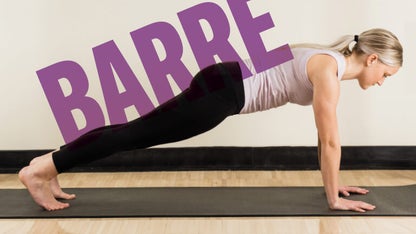
Keep your body in a straight line from head to heels. Avoid letting your hips sag or rise too high. Do not hold your breath while planking. Engage your core muscles firmly for best results. Stop if you feel sharp pain or discomfort. Proper form reduces injury risk and builds muscle effectively.
Tracking Progress And Results
Tracking progress and results is key to understanding how planks affect your muscle building journey. It helps you see improvements and keeps you motivated. Without tracking, it is hard to know if your efforts are working or need change.
Measuring Strength Gains
Strength gains from planks show in how long you hold the position. Start by timing your plank holds. Note the seconds or minutes you last each session. Over weeks, increase this time gradually. You can also add variations like side planks or weighted planks to challenge muscles more.
Keep a simple log. Write down your hold times and any changes in difficulty. This record shows your growing strength clearly. Feeling less tired during planks means your muscles are getting stronger.
Visual Changes In Muscle Tone
Muscle tone changes may take longer to see than strength gains. Check your body in the mirror every few weeks. Look for firmer abs, tighter core, and less belly fat. Planks engage many muscles, so you might notice better posture and a slimmer waist too.
Take photos from the front and side. Compare these photos over time. This visual proof can boost your confidence and push you to keep going. Remember, lighting and angle should stay the same for fair comparisons.
Credit: www.wellmark.com
Frequently Asked Questions
Do Planks Help Build Muscle Mass?
Yes, planks engage multiple muscles, especially the core. They promote muscle endurance and can build muscle tone over time with consistent practice.
How Effective Are Planks For Muscle Growth?
Planks mainly improve muscle endurance and stability. They build muscle slowly compared to weighted exercises but strengthen deep core muscles effectively.
Can Planks Replace Traditional Weight Training?
No, planks complement weight training but don’t replace it. They enhance core strength but don’t provide the same muscle-building stimulus as weights.
Which Muscles Do Planks Target Most?
Planks primarily target the abdominal muscles, lower back, shoulders, and glutes. They engage stabilizer muscles, improving overall muscle coordination and strength.
Conclusion
Planks help strengthen and tone your muscles over time. They work your core deeply and improve stability. You can build muscle, but results take patience and effort. Combine planks with other exercises for better muscle growth. Stay consistent and focus on good form always.
Small progress adds up to stronger muscles. Keep your routine simple and steady. Planks are a useful part of any fitness plan.







