
Are you ready to take control of your fitness without spending a fortune? Building your own home gym equipment can save you money and give you a personalized workout space right where you want it.
Imagine having tools made just for your needs, helping you stay motivated and consistent. You’ll discover simple, effective DIY ideas that anyone can create. Keep reading to learn how you can transform everyday items into powerful workout gear and start seeing results faster than you think.
Your fitness journey just got a whole lot easier—and more exciting.
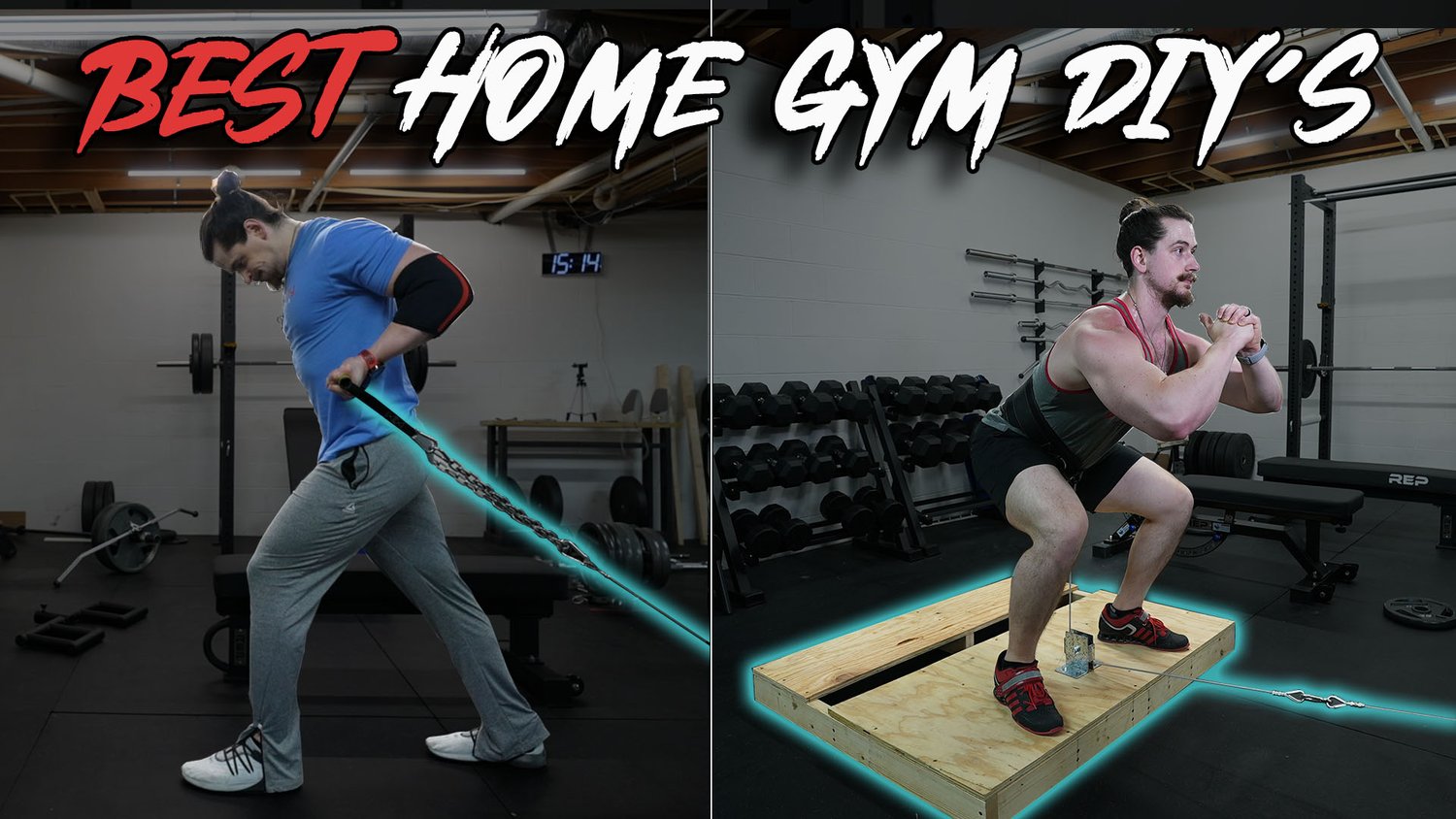
Credit: www.treadawaytraining.com
Essential Tools And Materials
Building your own home gym equipment can be a rewarding project that saves money and customizes your workout space. However, having the right tools and materials on hand is crucial for success. Knowing what you need upfront helps you avoid unnecessary trips and keeps your project moving smoothly.
Basic Tools Needed
Start with a solid set of basic tools. A power drill, adjustable wrench, and screwdrivers are essential for assembling parts securely. Don’t forget a measuring tape and a level to ensure everything fits and aligns correctly.
Depending on your project, a saw (manual or electric) may be necessary for cutting wood or metal. Clamps will hold pieces steady while you work, making your job easier and safer. These tools form the foundation of any DIY gym build.
Sourcing Affordable Materials
Look beyond traditional stores to find budget-friendly materials. Salvage yards and online marketplaces often have high-quality wood, metal pipes, or even unused gym parts at a fraction of retail prices. Thrift shops can surprise you with useful items like sturdy crates or rubber mats.
Consider repurposing household items — old tires can become weight bases, and sandbags make excellent free weights. Would you believe a simple wooden pallet can transform into a squat rack frame? Creativity in sourcing materials can drastically cut costs.
Safety Gear For Diy Projects
Protecting yourself is non-negotiable during any building process. Safety glasses shield your eyes from dust and debris, while gloves protect your hands from splinters and sharp edges. Ear protection is also important if you’re using power tools frequently.
Don’t overlook proper footwear—closed-toe shoes with good grip prevent slips and injuries. Have a first aid kit nearby as a precaution. Are you prepared to handle minor accidents while focusing on your project?
Simple Cardio Equipment
Creating simple cardio equipment at home saves money and space. Basic items like jump ropes or step platforms boost heart health effectively. These easy tools fit small areas and support daily workouts.
Creating a home gym doesn’t have to mean breaking the bank. Simple cardio equipment can be crafted using items you might already have around the house. These DIY solutions offer an affordable way to elevate your fitness routine without the need for fancy gadgets. Whether you’re jumping, cycling, or stepping your way to better health, these ideas can get your heart pumping.Diy Jump Rope
Building your own jump rope is surprisingly simple. All you need is a length of durable rope or even an old extension cord. Cut it to your desired length and add some tape to the ends for easy grip. Adjust the length based on your height by stepping on the middle and pulling the handles up to your armpits. This DIY jump rope will have you sweating in no time, all while sparing your wallet.Homemade Stationary Bike
Transforming an old bike into a stationary one is easier than you might think. Secure the bike on a stationary trainer stand, available online or at second-hand stores. This setup turns any regular bike into a stationary one, allowing you to pedal away without moving an inch. It’s a great way to enjoy cycling indoors, especially on rainy days.Building A Step Platform
A step platform is excellent for cardio workouts and can be made from sturdy wooden planks. Ensure the wood is thick enough to support your weight and sand down any rough edges to prevent splinters. You can also use a stack of old magazines tied together tightly with a belt as a temporary solution. This homemade step platform is perfect for step aerobics, adding variety to your workout routine. Why spend a fortune on commercial equipment when DIY options are just as effective? By being resourceful, you can create a personalized gym space that caters to your fitness goals. What are you waiting for? Get creative and get moving!Strength Training Gear
Building your own strength training gear can save money and customize your workouts to fit your space and style. DIY equipment often uses everyday items, making strength training more accessible. You can create versatile tools that adjust as your strength grows, keeping your routine fresh and challenging.
Making Adjustable Dumbbells
Adjustable dumbbells let you increase or decrease weight without buying many sets. Use a sturdy metal rod or thick wooden dowel as the handle. Attach weight plates by sliding on metal washers or small sandbags secured with strong tape or clamps.
This setup lets you add or remove weights quickly. Have you ever struggled switching between exercises because your dumbbells were too light or heavy? Adjustable dumbbells solve that problem perfectly.
Crafting A Resistance Band Set
Resistance bands are compact and versatile for strength training. Use old bicycle inner tubes or stretchable fabric strips. Cut them to different lengths for varying resistance levels.
Secure the ends with knots or sturdy clips. You can loop them around furniture or door handles for different exercises. How often do you find traditional bands too expensive or easily break? Making your own can be both cost-effective and durable.
Diy Kettlebells From Household Items
Kettlebells add dynamic movement to your workouts. Fill a strong bucket or large water jug with sand, gravel, or water for weight. Attach a solid handle by using a thick rope tied tightly or a metal pipe fixed across the top.
Make sure the handle is secure and comfortable to grip. This DIY kettlebell helps you perform swings, squats, and presses without a gym. What’s stopping you from turning simple household items into powerful workout tools?
Functional Training Tools
Functional training tools are essential for building strength, stability, and mobility using movements that mimic real-life activities. They engage multiple muscle groups at once, helping you improve overall fitness efficiently. Creating your own functional training equipment at home can save money and allow customization based on your specific workout needs.
Constructing A Pull-up Bar
A pull-up bar is one of the simplest yet most effective functional training tools you can build yourself. Look for a sturdy metal pipe or strong wooden beam that can support your weight safely. Mount it securely between two walls or use heavy-duty brackets to fix it in place.
Make sure to test its stability before using it. Adding grip tape or foam around the bar can improve comfort and reduce slipping. This setup lets you perform pull-ups, chin-ups, and hanging leg raises without expensive gym equipment.
Building A Sandbag For Workouts
Sandbags are versatile for strength and conditioning exercises like squats, carries, and throws. Start with a strong duffel bag or heavy-duty backpack. Fill it with plastic bags filled with sand or small pebbles to adjust the weight as needed.
Double-bag the sand inside to prevent leaks and add padding for comfort. You can create different sizes by varying the amount of sand, making it easier to progress your training. Sandbags challenge your stability and grip, enhancing functional strength.
Creating A Medicine Ball
A medicine ball can be made at home using a basketball or volleyball as the outer shell. Fill it with materials like rice, sand, or even old clothes to reach your desired weight. Seal the ball with strong adhesive tape or a patch kit to keep everything inside.
Customize the weight and size based on your workout goals. Medicine balls are perfect for explosive exercises like throws, slams, and twists. This DIY option allows you to practice dynamic movements without investing in costly equipment.
Storage And Organization Tips
Organizing your DIY home gym equipment can transform your workout space from cluttered chaos into a neat, inspiring area. Proper storage not only saves space but also keeps your equipment safe and easy to find. Have you ever wasted time searching for that one resistance band or misplaced dumbbell? Let’s look at some practical tips to keep everything in order.
Space-saving Storage Ideas
Think vertical to maximize your space. Wall-mounted racks and hooks can hold items like jump ropes, resistance bands, and even kettlebells without taking up floor space.
- Use pegboards to hang small gear and keep it visible.
- Stackable shelves or cubbies work well for storing weights and mats.
- Consider multipurpose furniture, like benches with hidden compartments for storing equipment.
Have you tried using under-bed storage bins for lighter equipment? They can hide your gear out of sight but keep it within easy reach.
Keeping Equipment Safe And Accessible
Protect your gear from damage by assigning each item a specific spot. This reduces wear and tear and helps you maintain your equipment longer.
- Store dumbbells and kettlebells on sturdy racks to prevent accidents.
- Roll up yoga mats and secure them with straps before placing them on shelves.
- Use labeled bins for smaller items like gloves, bands, or jump ropes to keep them sorted.
Accessibility matters as much as safety. Arrange your equipment so that your most-used items are easy to grab. This simple habit can encourage you to stick with your fitness routine.

Credit: www.reddit.com
Maintenance And Safety
Keeping your DIY home gym equipment in top shape is crucial for your safety and workout success. Neglecting maintenance can lead to equipment failure, which might cause injuries or interrupt your fitness routine. Regular care and mindful use not only extend the life of your gear but also ensure every session is safe and effective.
Regular Equipment Checks
Set a schedule to inspect your gym equipment at least once a week. Look for loose bolts, worn-out cables, or cracks in wooden parts. Small issues like these can quickly turn into serious hazards if ignored.
Keep a checklist handy to track your inspections and repairs. This habit helped me catch a frayed resistance band before it snapped during a workout, saving me from a painful accident. Are you confident that your equipment could handle your most intense session today?
Preventing Injuries During Use
Always warm up before using your home gym equipment to prepare your muscles and joints. Use proper form to avoid strain, especially with homemade weights or benches that may lack professional design features.
Wear appropriate footwear and clear the workout area of any obstacles. I once tripped over a misplaced dumbbell in my own gym—trust me, a little extra tidying goes a long way toward injury prevention. What simple change can you make right now to make your workout space safer?

Credit: www.reddit.com
Frequently Asked Questions
What Are The Best Materials For Diy Home Gym Equipment?
The best materials include sturdy wood, PVC pipes, metal rods, and durable ropes. These materials ensure safety, longevity, and cost-effectiveness for your home gym setup.
How Can I Make Affordable Diy Gym Weights?
Use household items like water bottles, sandbags, or filled jugs. These alternatives provide weight resistance without expensive gym equipment purchases.
Is Diy Gym Equipment Safe For Beginners?
Yes, if built properly using strong materials and following instructions. Always test equipment before use and avoid heavy weights initially.
What Are Easy Diy Gym Equipment Ideas?
Resistance bands, wooden pull-up bars, and sandbag weights are simple projects. They require minimal tools and offer versatile workout options at home.
Conclusion
Building your own home gym equipment saves money and space. It allows you to exercise anytime without leaving home. Simple tools and materials can create effective workout gear. This approach makes fitness more flexible and personal. Start small and add more pieces over time.
Consistency matters most, not fancy machines. Enjoy the process of crafting and training. Stay active, stay healthy, and feel proud of your efforts. Your body and mind will thank you.







