
Are you struggling to find the right diet that can help ease your diverticulitis symptoms? Managing what you eat is one of the most powerful ways to support your digestive health and prevent flare-ups.
Imagine having a simple, clear guide that tells you exactly what to eat and what to avoid—right at your fingertips. That’s where a Diverticulitis Diet PDF can make a real difference for you. You’ll discover practical tips and easy meal ideas designed to keep your digestive system calm and comfortable.
Keep reading to take control of your diet and feel better every day.
What Is Diverticulitis?
Diverticulitis is a common digestive condition that affects many people worldwide. It happens when small pouches in the colon, called diverticula, become inflamed or infected. These pouches form when weak spots in the colon wall bulge out. Understanding diverticulitis helps in managing diet and lifestyle better.
The symptoms of diverticulitis can range from mild to severe. Common signs include belly pain, usually on the lower left side, fever, and changes in bowel habits. Sometimes, nausea and vomiting also occur. Early diagnosis and treatment are important to avoid complications.
What Causes Diverticulitis?
Diverticulitis starts from diverticulosis, which is the presence of diverticula in the colon. These pouches develop due to pressure inside the colon. Low fiber diet, constipation, and aging increase this pressure. When stool or bacteria get trapped in the pouches, inflammation or infection occurs.
Who Is At Risk For Diverticulitis?
Risk factors include age over 40, low fiber intake, obesity, and lack of exercise. Smoking and certain medications can also raise the risk. People with a family history of diverticulitis are more likely to develop the condition.
How Is Diverticulitis Diagnosed?
Doctors use physical exams and medical history to suspect diverticulitis. Imaging tests like CT scans provide a clear picture of the colon. Blood tests may show signs of infection or inflammation. Accurate diagnosis guides the right treatment plan.
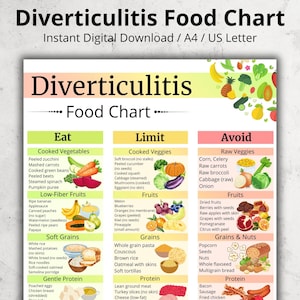
Credit: www.etsy.com
Role Of Diet In Diverticulitis
Diet plays a crucial role in managing diverticulitis. What you eat can either ease symptoms or cause flare-ups. Understanding how diet impacts your digestive health helps you take control and feel better faster.
How Fiber Affects Diverticulitis
Fiber is often your best friend when dealing with diverticulitis. It helps keep your bowel movements regular and reduces pressure in the colon.
But not all fiber is equal. Soluble fiber, found in oats, apples, and carrots, dissolves in water and forms a gel that soothes the gut. Insoluble fiber, in whole grains and vegetables, adds bulk and speeds up waste elimination.
During flare-ups, you might need to reduce insoluble fiber temporarily. Have you noticed how certain raw vegetables can make your symptoms worse? That’s why adjusting fiber intake based on your current condition matters.
Foods To Avoid During Flare-ups
Some foods can irritate your colon and worsen diverticulitis symptoms. Avoiding these can shorten your recovery time.
- Seeds and nuts – they can get stuck in diverticula pockets and cause inflammation.
- Spicy foods – they may trigger discomfort and pain.
- Processed foods high in fat and sugar – these slow digestion and promote inflammation.
Have you tracked which foods seem to trigger your symptoms? Keeping a food diary can provide surprising insights.
Hydration And Its Impact
Drinking plenty of water is essential, especially if you’re increasing your fiber intake. Water helps fiber do its job by softening stool and preventing constipation.
Dehydration can make symptoms worse and increase the risk of flare-ups. Try to drink at least 8 glasses of water daily, and notice how it affects your digestion and overall comfort.
Sample Diverticulitis Diet Plan
| Meal | Foods to Include |
|---|---|
| Breakfast | Oatmeal with peeled apples and honey, herbal tea |
| Lunch | Grilled chicken, cooked carrots, white rice |
| Dinner | Baked fish, steamed zucchini, mashed potatoes |
| Snacks | Bananas, yogurt (if tolerated), crackers |
This plan focuses on gentle, easy-to-digest foods that support healing. Have you tried meals like these when managing your symptoms? Small changes can make a big difference.
Foods To Eat During Flare-ups
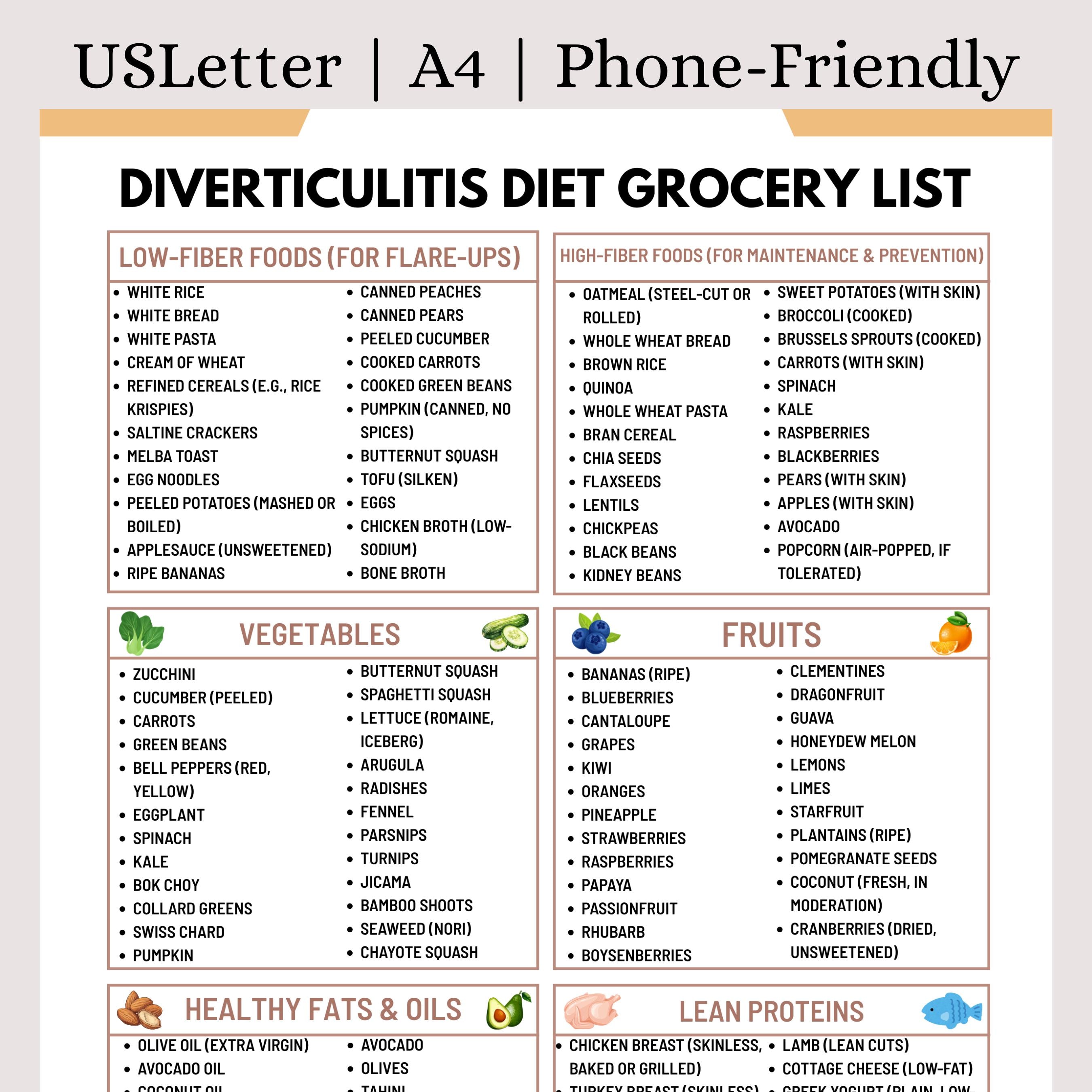
During diverticulitis flare-ups, choosing the right foods can make a significant difference in how you feel. Your digestive system becomes sensitive, so it’s important to eat foods that are gentle and easy to digest. The goal is to reduce irritation while still getting necessary nutrients to support healing.
Low-fiber Options
At the start of a flare-up, low-fiber foods help reduce bowel strain. These options are easier on your digestive tract and can prevent worsening symptoms.
- White rice– soft and easy to digest, it provides energy without irritating your gut.
- Plain pasta– avoid heavy sauces; stick to simple preparations like butter or a little olive oil.
- Cooked vegetables– carrots, zucchini, and squash peeled and cooked until soft are better tolerated than raw veggies.
- Bananas– gentle on your stomach and help maintain potassium balance.
- Applesauce– easier to digest than raw apples and can satisfy your sweet cravings without added fiber.
Have you noticed which low-fiber foods calm your symptoms the most? Keep a simple food diary to track what works for you.
Hydration Tips
Staying hydrated is crucial during flare-ups, as it helps your body heal and keeps stools soft. Dehydration can make symptoms worse and slow recovery.
- Water– sip throughout the day instead of drinking large amounts at once.
- Herbal teas– chamomile or peppermint can soothe your digestive tract.
- Clear broths– provide fluids and electrolytes without adding fiber.
Avoid caffeinated or sugary drinks as they may irritate your intestines. How do you remind yourself to drink enough fluids daily? Setting small, hourly goals can help maintain steady hydration.
Credit: www.etsy.com
Foods To Avoid
Knowing which foods to avoid is crucial for managing diverticulitis effectively. Certain foods can trigger inflammation or worsen symptoms, making it important to identify and skip them. Let’s break down some common culprits that might surprise you.
High-fiber Foods To Skip
You might think fiber is always good, but during a diverticulitis flare-up, some high-fiber foods can irritate your digestive tract. Avoid nuts and seeds like sunflower seeds, sesame seeds, and popcorn. These tiny particles can get stuck in the diverticula, causing discomfort.
Raw vegetables with tough skins, such as corn or tomatoes, may also cause issues. While fiber is generally helpful, timing matters—too much roughage during a flare can increase pain and bloating. What if you swapped these for cooked veggies? Cooking breaks down fiber, making it gentler on your gut.
Trigger Ingredients
Some ingredients are known to worsen diverticulitis symptoms. Spicy foods, for instance, can inflame your intestines and cause pain. Think twice before adding hot sauce or chili powder to your meals if you notice flare-ups afterward.
Fatty and fried foods are another common trigger. They slow digestion and can lead to cramping or nausea. Also, processed foods with artificial additives or preservatives might irritate your gut more than you realize.
Have you noticed a pattern in your symptoms after eating certain foods? Keeping a food diary can help pinpoint your personal triggers and improve your diet choices. Your gut reacts uniquely—listen closely to what it tells you.
Transitioning Back To A Regular Diet
Transitioning back to a regular diet after diverticulitis requires care. The goal is to avoid flare-ups while restoring normal eating habits. A gradual approach helps the digestive system adjust without stress. Patience and attention to how the body reacts are key during this period.
Focus on gentle foods first. Slowly add variety as tolerance improves. Watch for any signs of discomfort or pain. This approach supports healing and prevents setbacks.
Gradually Introducing Fiber-rich Foods
Start with low-fiber foods before moving to higher-fiber options. Soft fruits like bananas and cooked vegetables are good choices. Whole grains and raw vegetables should be added slowly. This helps the bowel adapt without irritation.
Monitoring Your Body’s Response
Pay close attention to any changes after eating new foods. Track symptoms such as bloating, cramps, or constipation. Stop any food that causes discomfort. Keep a food diary to identify triggers easily.
Maintaining Adequate Hydration
Drink plenty of water to help fiber work effectively. Hydration supports digestion and prevents constipation. Aim for at least eight glasses of water daily. Avoid sugary and caffeinated drinks that may irritate the gut.
Balancing Meals And Portion Sizes
Eat smaller, more frequent meals to reduce digestive stress. Avoid large portions that can cause discomfort. Include a balance of protein, fats, and carbohydrates. This provides steady energy and supports healing.
Sample Meal Plans
Creating a clear and manageable meal plan can make a big difference when dealing with diverticulitis. Having a sample guide helps you avoid foods that might trigger symptoms and ensures you get the right nutrients. Let’s look at some practical meal ideas that are gentle on your digestive system and tasty enough to keep you satisfied.
Breakfast Ideas
- Oatmeal with Banana and Honey:Oats are high in fiber but gentle enough for sensitive stomachs. Adding banana provides extra potassium and natural sweetness.
- Scrambled Eggs with Steamed Spinach:Eggs are easy to digest and packed with protein. Spinach adds vitamins without upsetting your gut.
- Greek Yogurt with Blueberries and Chia Seeds:Yogurt helps maintain good gut bacteria, while blueberries and chia seeds boost fiber intake.
Have you noticed which breakfast keeps your energy steady without discomfort? Tracking your reactions can help you customize your morning meals.
Lunch And Dinner Options
| Meal | Ingredients | Why It Works |
|---|---|---|
| Grilled Chicken with Steamed Vegetables | Skinless chicken breast, carrots, zucchini, green beans | Lean protein with easily digestible veggies supports healing and digestion |
| Quinoa Salad with Cucumber and Avocado | Quinoa, cucumber, avocado, olive oil, lemon juice | Quinoa is a gentle grain, and healthy fats from avocado reduce inflammation |
| Baked Salmon with Sweet Potato | Salmon, sweet potato, steamed broccoli | Omega-3s in salmon help reduce inflammation; sweet potatoes are fiber-rich yet gentle |
Are you willing to swap out heavier, spicy meals for these soothing options? Small changes can ease your symptoms dramatically.
Snacks And Desserts
- Apple Slices with Almond Butter:Apples provide fiber, and almond butter offers healthy fats and protein.
- Homemade Smoothie:Blend low-fat yogurt, spinach, mango, and a tablespoon of flaxseed for a fiber boost.
- Chia Seed Pudding:Made with almond milk and a touch of vanilla, this dessert is both tasty and gentle.
What snacks do you reach for when hunger strikes? Choosing nutrient-rich options can keep your gut calm and your energy up throughout the day.
Tips For Easy Meal Prep
Preparing meals for a diverticulitis diet can feel overwhelming. Simple planning helps reduce stress and saves time. Easy meal prep ensures you stick to a diet that supports your gut health.
Focus on fresh, soft foods that are gentle on your digestive system. Cook in batches to avoid daily kitchen work. Use tools like slow cookers or steamers to keep meals healthy and easy to digest.
Organize Your Kitchen For Quick Access
Keep healthy ingredients visible and easy to reach. Store fruits, vegetables, and whole grains in clear containers. This helps you choose good foods quickly and reduces the chance of grabbing unhealthy snacks.
Choose Simple Recipes With Few Ingredients
Pick recipes that use five ingredients or fewer. This keeps cooking quick and easy. Focus on lean proteins, cooked vegetables, and soft grains that are easy to digest.
Cook Large Portions And Store Safely
Make large batches of soups, stews, or casseroles. Divide into portions and refrigerate or freeze. This ensures you have ready meals without extra cooking each day.
Use Meal Prep Containers For Portion Control
Invest in reusable containers with compartments. Separate proteins, veggies, and grains for balanced meals. Portion control supports digestion and helps avoid overeating.
Plan A Weekly Menu In Advance
Create a simple menu with different meals for each day. This helps avoid last-minute food choices that may not fit your diet. Planning saves time and reduces stress.
Include Hydrating Foods And Drinks
Choose foods with high water content like cucumbers and melons. Drink plenty of water throughout the day. Hydration supports digestion and overall health.
Using A Diverticulitis Diet Pdf
Using a Diverticulitis Diet PDF can simplify managing your eating habits. It offers clear guidance on foods to eat and avoid during flare-ups and recovery. This tool helps maintain a balanced diet that supports gut health and reduces symptoms.
Having a structured plan makes meal planning easier. It saves time and reduces stress about food choices. The PDF format allows easy access on any device, so you can check it anytime.
Understanding The Diverticulitis Diet Pdf
The PDF explains which foods are safe and which can cause issues. It breaks down the diet into stages: flare-up, recovery, and maintenance. This helps you adapt your meals as your condition changes.
Clear lists of allowed and restricted foods prevent guesswork. It also includes portion sizes and tips for hydration. This detailed information supports better symptom control.
How To Use The Diverticulitis Diet Pdf Daily
Start by reviewing the PDF each morning before planning meals. Use the food lists to create a shopping list. Follow suggested meal ideas to ensure variety and nutrition.
Track your symptoms alongside your diet to see what works best. Update your meals based on your body’s response. Keep the PDF handy for quick reference during grocery trips or meal prep.
Benefits Of A Diverticulitis Diet Pdf
- Easy to follow with clear instructions
- Portable and accessible on multiple devices
- Helps prevent flare-ups by guiding food choices
- Supports gradual transition from flare-up to normal diet
- Encourages balanced nutrition for overall health
Tips For Maximizing The Diverticulitis Diet Pdf
- Print a copy for kitchen use
- Highlight favorite foods and recipes
- Use meal planning sections to organize weekly menus
- Note any personal food reactions for future reference
- Consult your doctor or dietitian with questions

Credit: www.amazon.ca
Frequently Asked Questions
What Foods To Avoid With Diverticulitis?
Avoid nuts, seeds, and popcorn. These foods can irritate diverticula. It’s also best to limit red meat and fried foods. High-fat foods can worsen symptoms. Opt for low-fiber diets during flare-ups. Always consult with a healthcare provider for personalized advice.
Can I Eat Fruit With Diverticulitis?
Yes, but choose low-fiber fruits. Bananas and canned peaches are good options. Avoid fruits with seeds or tough skins. During flare-ups, it’s best to limit fruit intake. Always peel fruits to reduce fiber content. Consult a doctor for tailored dietary recommendations.
How Does A Diverticulitis Diet Help?
A diverticulitis diet reduces symptoms. It minimizes inflammation and prevents complications. By avoiding irritants, you promote healing. It focuses on low-fiber foods during flare-ups. Over time, it can improve digestive health. Always seek medical advice before changing your diet.
What Is A Diverticulitis Diet Pdf?
A diverticulitis diet PDF is a downloadable guide. It provides dietary recommendations and meal plans. This document helps manage symptoms effectively. It often includes foods to eat and avoid. Accessing a PDF allows for easy reference. Always consult healthcare professionals for personalized guidance.
Conclusion
A diverticulitis diet PDF can guide your food choices well. It helps reduce symptoms and supports healing. Eating fiber-rich foods often eases discomfort. Avoiding certain items lowers flare-up risks. Following a clear plan keeps your gut calm. Small changes make a big difference over time.
Remember to drink plenty of water daily. Consult your doctor before starting any diet. Taking care of your gut boosts overall health. Simple steps lead to lasting comfort and wellness.







