
When you step into the gym, your focus is on crushing your workout and reaching your fitness goals. But have you ever stopped to think about the germs lurking on the equipment you use every day?
Your health depends on more than just sweat and effort—it depends on how clean your gym gear is. Using the right disinfectant for gym equipment isn’t just a good idea; it’s essential for keeping you safe and strong. You’ll discover simple, effective ways to protect yourself and maintain a hygienic workout space.
Keep reading to learn how to make every workout not only powerful but also healthy.
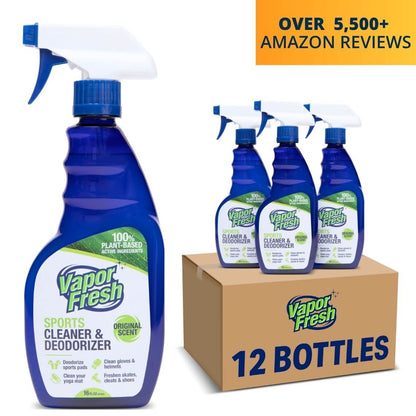
Credit: vaporfresh.com
Choosing The Right Disinfectant
Choosing the right disinfectant for your gym equipment is crucial to keep your workout space safe and hygienic. Not all disinfectants work the same way, and some might harm your equipment or irritate your skin. Understanding the different options helps you pick a product that kills germs effectively without causing damage or discomfort.
Types Of Disinfectants
There are several types of disinfectants available, each with its own strengths. Common options include:
- Alcohol-based sprays:These work quickly and evaporate fast, making them ideal for frequent use.
- Quaternary ammonium compounds:Often found in wipes, they provide longer-lasting protection on surfaces.
- Chlorine-based solutions:Very effective but can be harsh on equipment and emit strong odors.
- Hydrogen peroxide:A gentle yet powerful option that breaks down into water and oxygen.
Knowing these types helps you decide based on your gym’s needs and the materials your equipment is made from.
Effectiveness Against Germs
Not all disinfectants kill the same germs at the same rate. Some are better at eliminating viruses, while others target bacteria or fungi more effectively.
Look for products that clearly state which germs they combat. For example, if you want to protect against viruses like the flu or COVID-19, check if the disinfectant is EPA-registered for those.
Think about how often your equipment is used and the level of exposure. Does your disinfectant act fast enough to keep up with your gym’s traffic?
Safety For Skin And Surfaces
Your disinfectant should be tough on germs but gentle on your skin and equipment. Harsh chemicals can cause irritation or damage surfaces over time.
Choose products labeled as non-toxic or skin-friendly, especially if you touch equipment right after cleaning. Also, consider how certain disinfectants might affect materials like rubber grips, foam padding, or metal parts.
Have you noticed your gym equipment wearing out faster after using certain cleaners? That might be a sign to switch to a safer alternative that protects your investment.
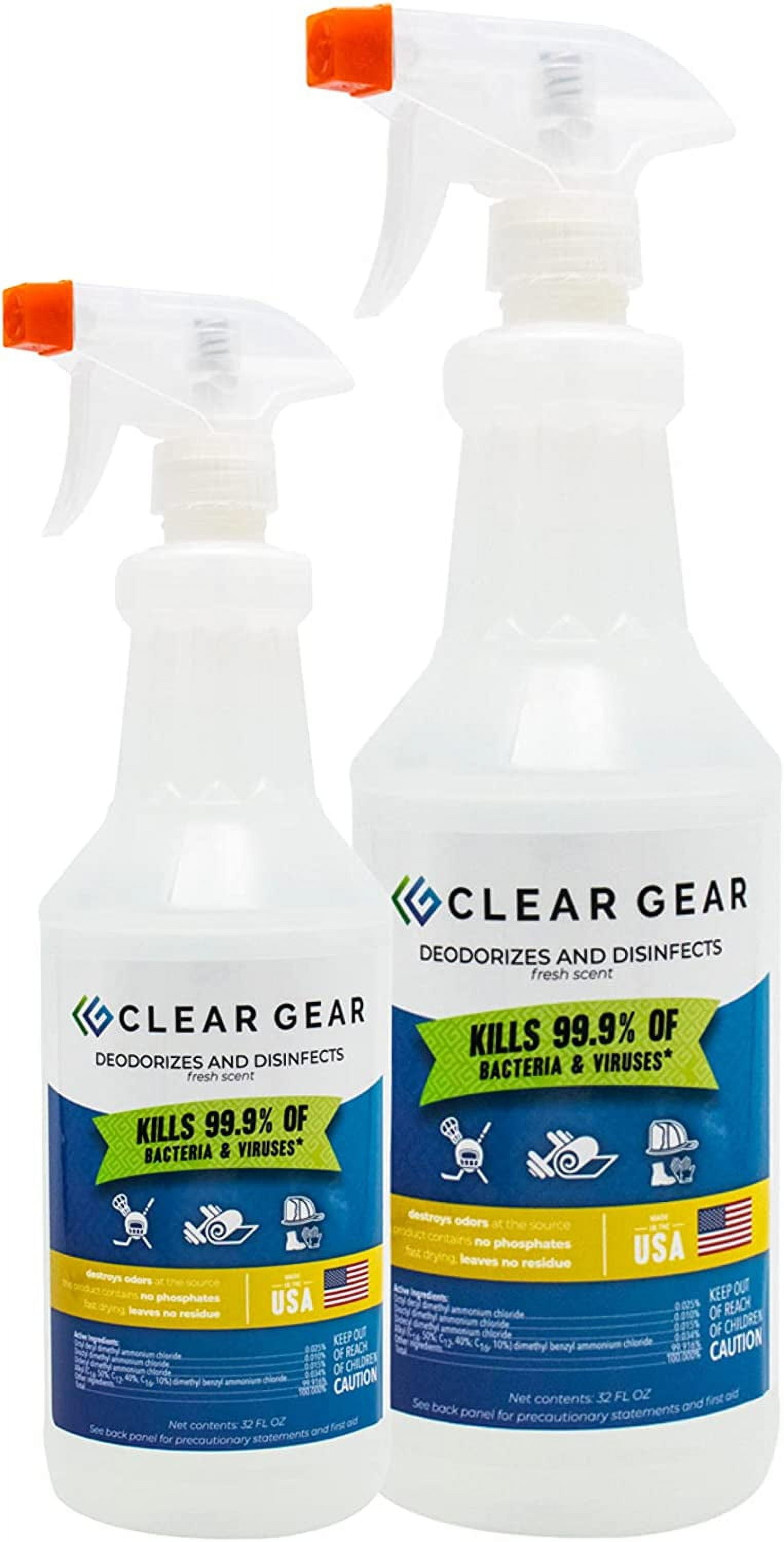
Credit: www.walmart.com
Proper Cleaning Techniques
Clean gym equipment thoroughly using a disinfectant spray and a soft cloth. Wipe all surfaces, focusing on handles and seats, to kill germs effectively. Allow the equipment to air dry for best results.
Proper cleaning techniques are essential to maintain a hygienic environment in gyms. With countless people using the equipment daily, ensuring everything is thoroughly disinfected helps prevent the spread of germs and maintains a healthy workout atmosphere. Let’s dive into the key steps for cleaning gym equipment effectively.Pre-cleaning Steps
Before you start cleaning, assess the equipment. Identify high-touch areas like handles and seats. Make sure to wear gloves to protect yourself from harsh chemicals. Gather all necessary cleaning supplies. These might include disinfectant sprays or wipes, clean cloths, and trash bags. Having everything at hand will streamline the process. Always check the manufacturer’s guidelines for specific cleaning instructions. Using the wrong product can damage the equipment or void warranties.Application Methods
Apply disinfectant directly to the surface. Use sprays for larger areas and wipes for smaller or intricate parts. This ensures even coverage and effective germ-killing action. Use a clean cloth to spread the disinfectant evenly. Wipe down all surfaces thoroughly, paying special attention to crevices where germs might hide. Consider using electrostatic sprayers for large gyms. They provide an even coat over surfaces, ensuring comprehensive disinfection in less time.Drying And Contact Time
Allow the disinfectant to sit for the recommended contact time. This is crucial for killing germs effectively. Check the product label for specific instructions. Ensure the equipment is completely dry before use. Wet surfaces can be slippery and pose safety hazards. Encourage gym users to wipe down equipment after use. Providing accessible disinfectant wipes and signage can promote this good practice. Incorporating proper cleaning techniques into your routine can make all the difference in maintaining a safe and welcoming gym environment. Are you ready to elevate your gym’s cleanliness standards?Disinfecting Different Equipment
Disinfecting gym equipment is essential to keep users safe and healthy. Each type of equipment requires a specific cleaning approach. Proper disinfection helps prevent the spread of germs and bacteria.
Cardio Machines
Cardio machines like treadmills and bikes have many touchpoints. Focus on handles, buttons, and screens. Use a disinfectant spray or wipes that dry quickly. Avoid soaking electronic parts with liquid. Clean these areas before and after every use.
Free Weights And Benches
Free weights and benches collect sweat and dirt easily. Use disinfectant wipes or sprays on dumbbells, barbells, and bench surfaces. Pay attention to handles and pads. Let the disinfectant air dry for full effect. Regular cleaning reduces the risk of skin infections.
Mats And Flooring
Mats and flooring need frequent disinfecting to stop germs. Use a disinfectant solution safe for these surfaces. Mop floors and wipe mats thoroughly. Make sure the area dries completely before use. Clean mats after each workout session to maintain hygiene.
Frequency Of Disinfection
Regular disinfection of gym equipment keeps users safe and healthy. Germs spread quickly in fitness spaces. Cleaning often reduces infection risks. The frequency depends on use and location. Understanding when to disinfect helps maintain a clean gym environment.
Before And After Use
Disinfect equipment before starting your workout. This removes germs left by others. Cleaning after use protects the next person. Wiping down machines and weights is simple. Carry a small disinfectant spray or wipes with you. This habit stops the spread of bacteria and viruses effectively.
High-traffic Areas
Some gym spots see more users than others. These include treadmills, benches, and weight machines. Disinfect these areas multiple times daily. Staff should clean often to ensure safety. High-touch surfaces like handles and buttons need extra care. Frequent cleaning lowers infection chances in busy zones.
Group Vs. Solo Workouts
Group workouts increase the risk of germ spread. More people touch the same equipment. Disinfect before and after each session. Solo workouts have less risk but still need cleaning. Personal responsibility helps keep the gym clean. Consistent disinfection supports a healthy workout space for everyone.
Safety Tips During Cleaning
Cleaning gym equipment with disinfectants is essential for your health, but it can also pose risks if not done safely. Paying attention to how you protect yourself and your surroundings during cleaning prevents accidents and exposure to harmful substances. Let’s look at some practical safety tips that help you stay safe while keeping your gym gear spotless.
Using Gloves And Masks
Always wear gloves to protect your skin from harsh disinfectants. Some chemicals can cause irritation or allergic reactions, so gloves act as a barrier. Wearing a mask helps prevent you from inhaling fumes that may be strong or harmful, especially in small or poorly ventilated spaces.
Have you ever noticed a burning feeling in your throat after cleaning? That’s a sign you need better protection. Using disposable gloves and a simple surgical mask can make a big difference without costing much.
Ventilation Importance
Cleaning in a well-ventilated area reduces the concentration of chemical fumes. Open windows or use fans to circulate fresh air while you work. This step not only protects your lungs but also speeds up the drying time for disinfectants on the equipment.
Think about your last cleaning session—did the room feel stuffy? If yes, try stepping outside briefly or turning on an exhaust fan. Proper airflow can prevent headaches and dizziness that sometimes come with cleaning.
Avoiding Chemical Reactions
Mixing different cleaning products can create dangerous chemical reactions. For example, combining bleach with ammonia releases toxic gases. Always read the labels and use only one disinfectant at a time on your gym equipment.
If you’re unsure about a product, test it on a small surface first or consult the manufacturer’s instructions. Keeping a simple checklist of products you use can help prevent accidental mixing and keep your cleaning routine safe.
Eco-friendly Disinfecting Options
Choosing eco-friendly disinfecting options for your gym equipment not only protects your health but also helps the environment. Many conventional disinfectants contain harsh chemicals that can harm the planet and irritate your skin or respiratory system. Switching to greener alternatives can keep your workout space safe and sustainable.
Natural Ingredients
Natural disinfectants use ingredients like vinegar, tea tree oil, and lemon juice. These substances have antibacterial and antifungal properties without the harsh chemicals found in many store-bought sprays. For example, tea tree oil is known for killing germs effectively while adding a fresh scent to your gym gear.
Using natural ingredients means fewer toxins in the air you breathe during your workout. Plus, they break down quickly in the environment, reducing pollution. Have you tried cleaning your equipment with a simple mix of vinegar and water? It might surprise you how well it works.
Diy Solutions
Making your own disinfectant spray is simple and cost-effective. Combine equal parts water and white vinegar, then add a few drops of essential oils like eucalyptus or lavender for extra germ-fighting power and a pleasant aroma. This DIY approach gives you control over what goes on your gym surfaces.
Keep a spray bottle handy so you can wipe down equipment before and after use. This habit helps maintain cleanliness while minimizing plastic waste from commercial products. Would you feel more confident using a disinfectant you prepared yourself?
Sustainability Benefits
Eco-friendly disinfectants reduce chemical runoff into water systems, protecting wildlife and ecosystems. They also lower your carbon footprint since many natural ingredients require less energy to produce and package. Choosing sustainable options aligns your fitness routine with environmental care.
Reducing plastic waste is another key benefit. Refillable bottles and biodegradable ingredients help cut down on landfill contributions. How much impact could your gym habits have if you consistently chose green cleaning solutions?
Maintaining Hygiene Beyond Equipment
Maintaining hygiene goes beyond just wiping down gym machines. A clean gym environment protects everyone from germs and infections. Focus on personal habits and shared spaces to keep the gym safe and healthy.
Hand Hygiene
Hands carry many germs. Wash your hands before and after workouts. Use hand sanitizer if soap and water are unavailable. Avoid touching your face during exercise. Clean hands reduce the spread of bacteria and viruses.
Personal Towels And Gear
Bring a clean towel for every workout. Use it to wipe sweat and equipment surfaces. Never share towels or personal gear. Wash workout clothes and towels regularly. Clean gear helps prevent skin infections and keeps you fresh.
Locker Room Cleanliness
Locker rooms can harbor germs and moisture. Always wear flip-flops to protect your feet. Use disinfectant sprays on benches and lockers if possible. Keep personal items in sealed bags. A tidy locker room cuts down bacteria growth and odors.

Credit: www.amazon.com
Frequently Asked Questions
What Is The Best Disinfectant For Gym Equipment?
The best disinfectant for gym equipment kills germs quickly and is safe on surfaces. Look for EPA-approved sprays with at least 70% alcohol or hydrogen peroxide. These disinfectants effectively remove bacteria and viruses without damaging equipment.
How Often Should Gym Equipment Be Disinfected?
Gym equipment should be disinfected after each use or at least daily. High-traffic areas require more frequent cleaning. Regular disinfection reduces the risk of infections and keeps the workout space hygienic and safe for all users.
Can Homemade Disinfectants Clean Gym Equipment Effectively?
Homemade disinfectants like vinegar or diluted bleach can clean gym equipment but may not kill all germs. Commercial disinfectants with proven antimicrobial properties are more reliable and safer for sensitive surfaces. Always follow manufacturer guidelines to avoid damage.
Are Disinfectant Wipes Suitable For Gym Equipment?
Yes, disinfectant wipes are convenient and effective for quick cleaning. Choose wipes with EPA-approved ingredients that kill bacteria and viruses. Wipes help maintain hygiene between uses and reduce cross-contamination in shared gym spaces.
Conclusion
Keeping gym equipment clean helps stop the spread of germs. Use a good disinfectant to wipe down machines and weights. Clean surfaces before and after each use. This habit protects your health and others’. Simple steps make a big difference.
Stay safe, stay strong, and keep your gym space fresh. Your body and mind will thank you.







