
Are you ready to take your workouts to the next level? Knowing the different kinds of gym equipment can make a huge difference in how effectively you reach your fitness goals.
Whether you want to build strength, improve endurance, or simply stay active, using the right tools is key. You’ll discover the main types of gym equipment and how each one can help you get stronger, fitter, and healthier. Keep reading—your perfect workout setup might be closer than you think!
Credit: truefitness.com
Cardiovascular Machines
Cardiovascular machines are key tools to boost your heart health and stamina. They help you burn calories efficiently while improving lung capacity and endurance. Choosing the right machine depends on your fitness goals, comfort, and any physical limitations you might have.
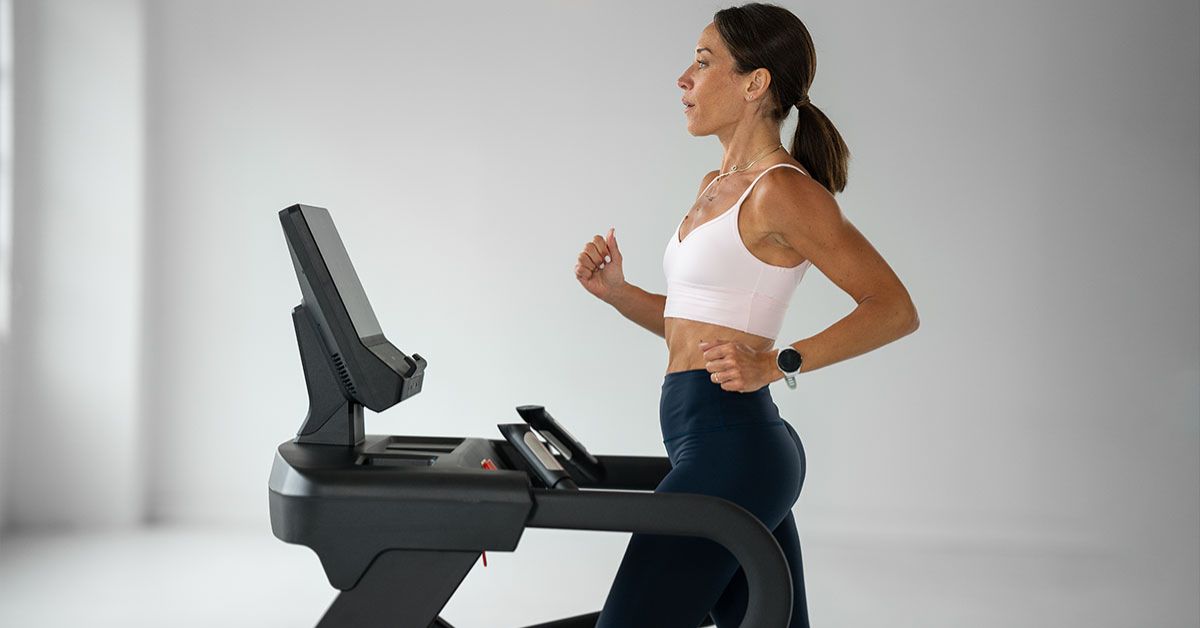
Treadmills
Treadmills let you walk, jog, or run indoors regardless of weather. You can easily adjust speed and incline to increase workout intensity. I once switched to treadmill running after knee pain, and the cushioned belt reduced impact, helping me stay consistent without discomfort.
Elliptical Trainers
Elliptical trainers offer a low-impact workout that feels smooth on your joints. They combine arm and leg movement, which helps engage more muscles. Have you noticed how elliptical sessions can feel easier but still leave you breathless? That’s because they challenge your cardiovascular system differently.
Stationary Bikes
Stationary bikes are great for all fitness levels and especially kind to your knees. You can choose between upright and recumbent styles depending on your back support needs. Pedaling at varying resistance levels helps build leg strength and stamina without putting stress on your joints.
Rowing Machines
Rowing machines provide a full-body workout, engaging arms, legs, and core simultaneously. They boost cardiovascular fitness while building muscular strength. If you want efficient calorie burn and muscle toning in one session, rowing is worth trying.
Stair Climbers
Stair climbers simulate the action of climbing stairs, which targets your glutes, thighs, and calves. They offer a challenging cardio workout that also tones your lower body. Have you ever felt your heart rate spike quickly on a stair climber? That’s a sign it’s pushing your cardiovascular limits effectively.
Strength Training Equipment
Strength training equipment builds muscle and improves overall fitness. It helps increase power, endurance, and body tone. Different tools target specific muscles and offer varied workout options. Using the right equipment can make workouts effective and enjoyable.
Free Weights
Free weights include dumbbells and barbells. They allow natural body movement and engage many muscles. Users control the weight through the full range of motion. This equipment is versatile and suits all fitness levels.
Weight Machines
Weight machines guide movement along fixed paths. They provide support and reduce injury risk. Machines target specific muscles with adjustable weights. They are ideal for beginners and focused muscle training.
Resistance Bands
Resistance bands are stretchy and portable. They create tension during exercises, improving muscle strength. Bands come in various resistance levels for all users. They are great for home workouts and rehab.
Kettlebells
Kettlebells have a unique shape with a handle on top. They combine strength and cardio training. Movements with kettlebells improve balance and coordination. They are effective for dynamic and full-body workouts.
Medicine Balls
Medicine balls are weighted balls used for strength and power. They help improve core stability and explosive movements. These balls come in different sizes and weights. Medicine balls are useful for functional training and sports drills.
Functional Training Tools
Functional training tools help improve strength, balance, and coordination. These tools mimic real-life movements, making workouts practical and effective. They engage multiple muscle groups and enhance overall fitness.
Trx Suspension Trainers
TRX suspension trainers use body weight for resistance. They attach to a door or ceiling anchor. Exercises include rows, push-ups, and squats. TRX builds core strength and improves stability.
Battle Ropes
Battle ropes offer a high-intensity workout. Users swing heavy ropes in waves or slams. This tool boosts endurance and arm strength. It also improves grip and cardiovascular health.
Sandbags
Sandbags are versatile and adjustable in weight. They add resistance to lifting, carrying, and throwing exercises. Sandbag training enhances functional strength and power. It challenges balance and coordination.
Plyometric Boxes
Plyometric boxes support jump training and explosive movements. They help increase leg power and agility. Exercises include box jumps, step-ups, and lateral jumps. Plyo boxes improve speed and coordination.
Balance Boards
Balance boards develop core strength and stability. Users stand or perform exercises on an unstable surface. This tool improves posture and coordination. It is great for injury prevention and rehab.
Flexibility And Recovery Gear
Flexibility and recovery gear play a crucial role in any fitness routine. These tools help reduce muscle soreness, improve range of motion, and prevent injuries. Investing time in recovery can boost your performance and keep you motivated for the long haul.
Foam Rollers
Foam rollers are excellent for self-massage and myofascial release. Rolling out tight muscles can increase blood flow and break up knots that limit your flexibility. I once dealt with a stubborn hamstring injury, and daily foam rolling helped me regain mobility faster than I expected.
Try using a foam roller after workouts to target sore areas. You don’t need to spend hours—just a few minutes on each muscle group can make a noticeable difference.
Stretching Straps
Stretching straps assist in achieving deeper stretches without straining yourself. They provide extra reach and control, especially if you’re working on tight hamstrings or hips. Using a strap helped me improve my splits gradually, allowing me to stretch safely and effectively.
Keep a stretching strap handy to extend your flexibility routine. It’s a simple tool that lets you hold stretches longer and with better form.
Yoga Mats
A good yoga mat creates a comfortable space for stretching and recovery exercises. It cushions your joints and prevents slipping during poses or floor work. I noticed that having a reliable mat made me more consistent with my stretching sessions because it felt inviting and safe.
Choose a mat with enough thickness and grip to support your flexibility workouts. It’s a small investment that pays off in comfort and stability.
Massage Balls
Massage balls target smaller, harder-to-reach muscle knots. They’re perfect for areas like your feet, shoulders, and glutes. Using a massage ball after a long run helped me release tension and speed up recovery.
Keep a few massage balls of different sizes around. They’re easy to use anywhere and can complement your foam rolling routine.
Inversion Tables
Inversion tables help decompress your spine by allowing you to hang upside down or at an angle. This can relieve back pain and improve spinal health. After a few sessions on an inversion table, I felt less stiffness and better posture throughout the day.
Consider trying an inversion table if you spend a lot of time sitting. Just make sure to follow safety guidelines and consult a healthcare provider if you have any medical concerns.
Specialized Fitness Equipment
Specialized fitness equipment targets specific muscle groups and training goals, offering precision and control that general gym tools often can’t match. These machines help you focus on form and safety, especially when lifting heavy weights or performing complex movements. Have you ever wondered how to maximize your workout efficiency while minimizing injury risk? Specialized equipment might be the key.
Smith Machines
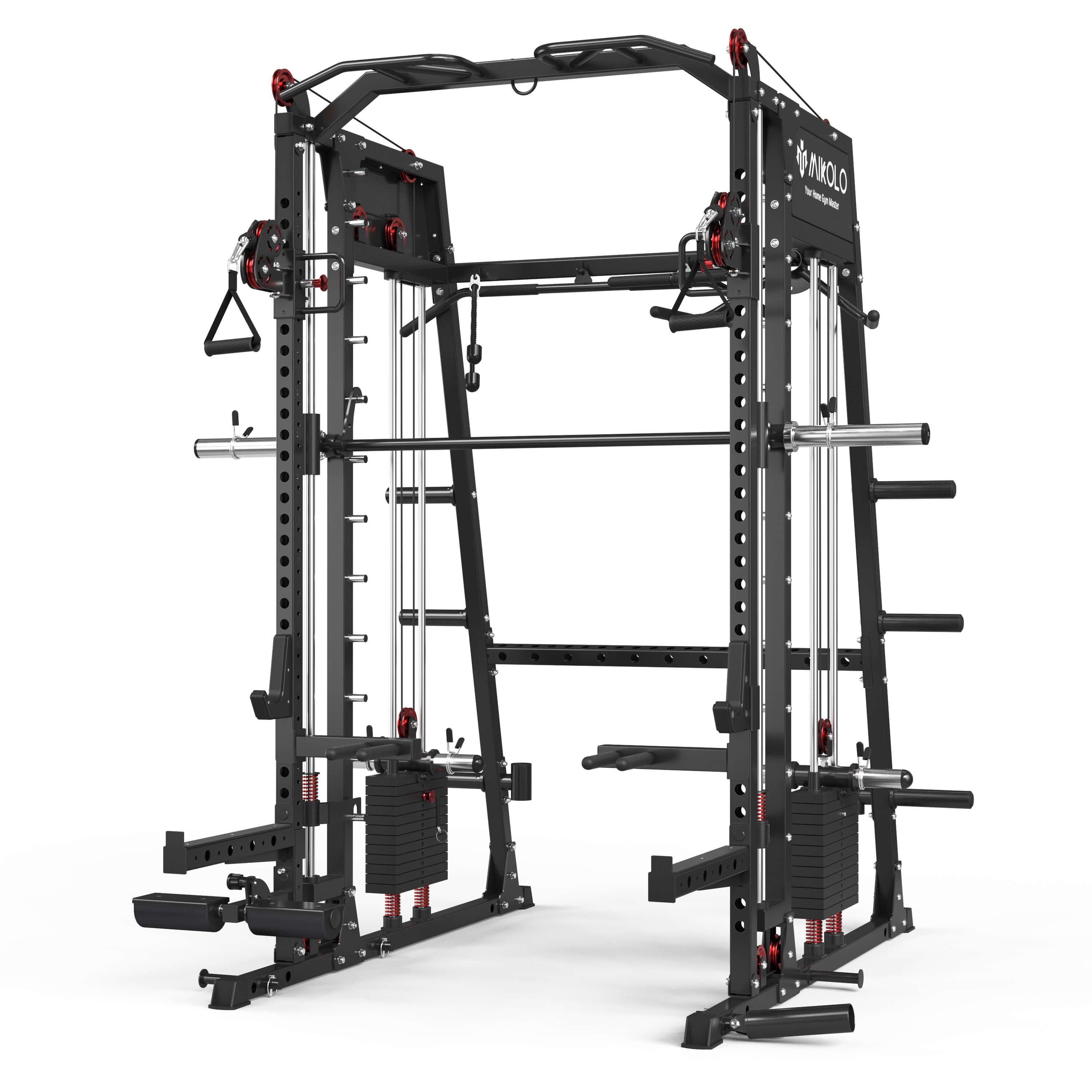
Smith machines guide the barbell along fixed rails, allowing for controlled vertical movement. This setup provides stability, making it easier to perform squats, bench presses, or shoulder presses without a spotter. If you want to push yourself safely, especially when training alone, a Smith machine can give you confidence and support.
Cable Crossover Machines
Cable crossover machines use adjustable pulleys to create resistance in various angles and planes. They are excellent for functional training, targeting muscles through natural movement patterns. You can add variety to your workout by adjusting the height and position, which challenges your muscles differently each time.
Power Racks
Power racks are versatile cages that support free-weight exercises like squats and deadlifts with safety bars. They let you lift heavy with reduced risk, as the safety catches can prevent injury if you fail a lift. Have you tried training with a power rack? It often boosts your strength gains by allowing you to push harder confidently.
Leg Press Machines
Leg press machines focus on your lower body, especially the quads, hamstrings, and glutes. They offer a seated position that reduces stress on your back compared to free-weight squats. Using this machine can be a great way to build leg strength if you’re recovering from injury or want to isolate your legs more effectively.
Hack Squat Machines
Hack squat machines guide your body through a squat motion while supporting your back and shoulders. This machine targets the legs with less strain on the knees and spine than traditional squats. If you’ve struggled with balance or joint pain during squats, trying a hack squat machine might help you train more comfortably and consistently.

Credit: www.yanrefitness.com
Safety And Accessories
Safety should never take a backseat in your workout routine. The right accessories not only protect your body but also improve your performance and comfort. Let’s look at some essential gym gear that keeps you safe and supports your training.
Lifting Belts
Lifting belts are crucial for protecting your lower back during heavy lifts. They increase intra-abdominal pressure, providing extra support to your spine. Have you ever felt your back strain during squats or deadlifts? A belt can help reduce that risk and boost your confidence to lift heavier.
Wrist Wraps
Wrist wraps stabilize your wrists during pressing or overhead movements. They prevent hyperextension and reduce discomfort when lifting weights that challenge your grip strength. If your wrists often feel weak or painful, wrapping them might be the difference between finishing a set or giving up early.
Gym Gloves
Gym gloves protect your hands from blisters and calluses caused by gripping bars and machines. They also improve your grip, especially when your hands get sweaty. You might think gloves slow you down, but many find they actually help maintain a stronger hold and prevent slipping.
Gym Flooring
Proper gym flooring absorbs impact and provides traction, reducing the chances of injuries. Rubber mats or padded tiles protect your joints and prevent equipment from slipping or damaging the floor. Have you ever slipped during a workout? Investing in good flooring can eliminate that hazard.
Heart Rate Monitors
Monitoring your heart rate keeps your workouts safe and effective. It helps you stay in the right intensity zone, avoiding overtraining or undertraining. Do you know how hard your heart is working during exercise? A heart rate monitor provides real-time feedback to fine-tune your effort.
Choosing The Right Equipment
Choosing the right gym equipment can make a big difference in how effective and enjoyable your workouts are. It’s not just about picking the most popular machines or the heaviest weights. You need to think carefully about what fits your needs, space, and budget to get the best results.
Assessing Fitness Goals
Start by clearly defining what you want to achieve. Are you aiming to build muscle, improve cardio, increase flexibility, or lose weight? Different goals require different types of equipment.
If you want to boost endurance, consider a treadmill or stationary bike. For strength training, dumbbells and resistance machines are better choices. Knowing your goals helps you avoid wasting money on gear you won’t use.
Space Considerations
How much room do you have for your home gym? Space limits your options more than you might expect. Large machines like rowing machines or multi-gyms need plenty of floor space.
If your space is tight, compact or foldable equipment like adjustable dumbbells or resistance bands might be smarter picks. Think about the layout and whether you can move freely while working out.
Budget Planning
Set a clear budget before shopping. Gym equipment prices vary widely, and it’s easy to overspend on flashy items. Focus on what truly adds value to your routine.
Look for durable, well-reviewed gear that fits your price range. Sometimes, buying a few versatile pieces is better than filling your space with many single-use machines.
Equipment Versatility
Choose equipment that supports multiple exercises or muscle groups. For example, adjustable dumbbells can replace several sets of weights, saving space and money.
Resistance bands offer a range of resistance levels and can be used for strength, flexibility, and rehabilitation exercises. The more you can do with one item, the better your investment.
Maintenance And Care
Consider how much time and effort you’re willing to spend on upkeep. Some machines require regular lubrication and tightening, while others are nearly maintenance-free.
Buying sturdy equipment from reputable brands often means fewer breakdowns and longer lifespan. Ask yourself: do you want a hassle-free setup or are you ready to handle repairs?
Credit: gym-mikolo.com
Frequently Asked Questions
What Are The Most Common Types Of Gym Equipment?
Common gym equipment includes treadmills, stationary bikes, weight machines, free weights, and rowing machines. Each serves different fitness goals, such as cardio, strength, or flexibility training. Choosing the right equipment depends on your workout preferences and fitness level.
How Does Strength Training Equipment Benefit Fitness?
Strength training equipment builds muscle, improves bone density, and boosts metabolism. It helps tone the body and increase overall strength. Using machines or free weights ensures targeted muscle workouts and reduces injury risk when done correctly.
Which Gym Machines Are Best For Cardio Workouts?
Treadmills, stationary bikes, elliptical trainers, and rowing machines are top cardio gym equipment. They enhance heart health, increase stamina, and burn calories effectively. These machines suit various fitness levels and offer low-impact options for joint protection.
Can Gym Equipment Improve Flexibility And Balance?
Yes, equipment like balance balls, resistance bands, and stability trainers help enhance flexibility and balance. These tools support stretching and core strengthening exercises, reducing injury risk and improving overall body coordination and posture.
Conclusion
Choosing the right gym equipment helps you reach your fitness goals. Each type serves a different purpose and targets various muscles. Free weights build strength and improve balance. Machines guide your movements safely and reduce injury risk. Cardio machines boost heart health and burn calories fast.
Mixing equipment keeps workouts fun and effective. Start with basics and add tools as you progress. Stay consistent and enjoy your fitness journey every day.







